

Groundwater Seepage Solutions for Burien Homeowners
Water is coming through your foundation wall. You can see the staining. You can smell the dampness. And you are not sure if it is a plumbing leak or something coming in from the ground outside. This is one of the most common calls we get from Burien homeowners, and the answer matters because the fix is completely different depending on the source.
If your basement or crawlspace is showing moisture, and you have ruled out a broken pipe, you are most likely dealing with groundwater intrusion driven by hydrostatic pressure. In Burien and the broader Highline area, this is not a rare problem. It is built into the geology.
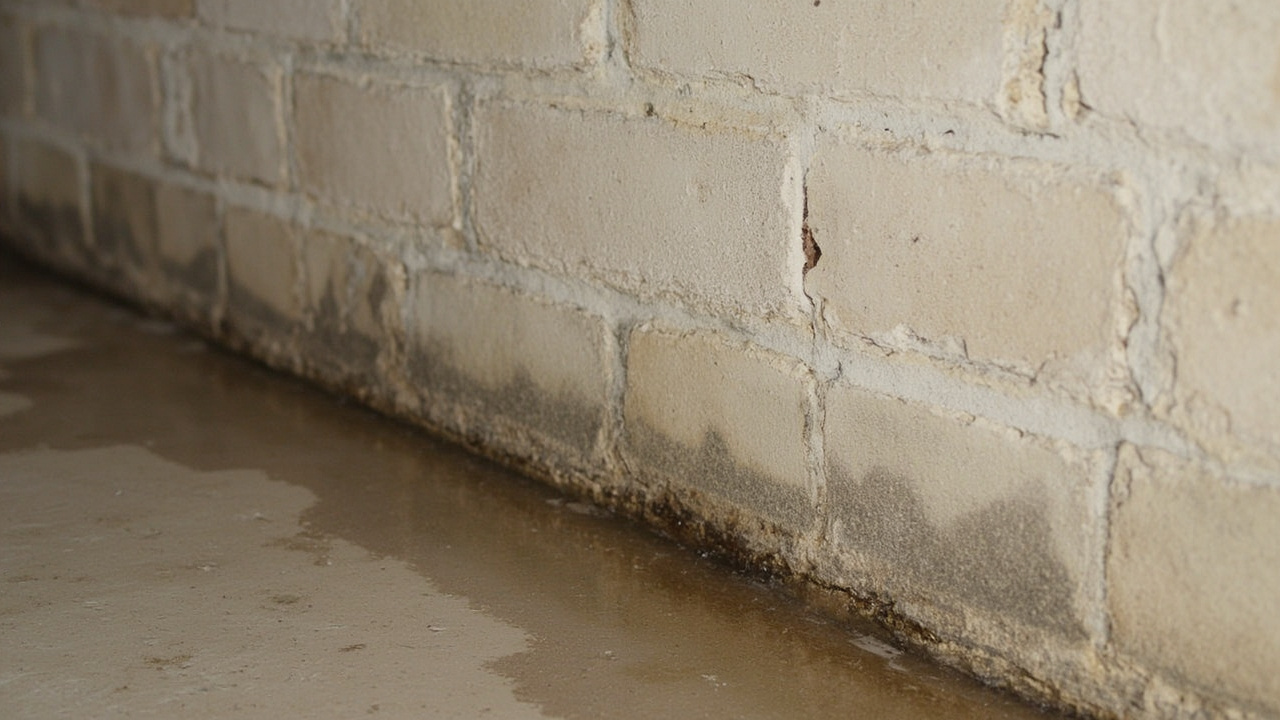
Call Evergreen Water Damage Restoration Seattle any time, 24 hours a day, 7 days a week. Active water intrusion is a time-sensitive emergency. The longer water sits against your foundation, the worse the structural and microbial damage becomes.
Why Burien’s Geology Works Against Your Foundation
Burien sits on a glacially formed plateau above the Puget Sound. The soils here are a product of the last ice age, and they create drainage conditions that most homeowners do not fully understand until water starts appearing inside their home.
The dominant soil type across Burien, Gregory Heights, and the Shorewood area is glacial till. This is a dense, compacted mix of clay, silt, sand, and gravel that was deposited when glaciers retreated thousands of years ago. Glacial till has low permeability. When rainfall saturates the surface layer, the water cannot easily drain downward. Instead, it migrates laterally and builds up against any vertical surface it encounters, including your foundation walls.
Seattle and the surrounding South King County area receive more than 37 inches of rain annually. Much of that falls in concentrated periods, particularly during atmospheric river events in late fall and winter. The soil around Burien homes absorbs what it can, then the excess water has nowhere to go except sideways, toward the path of least resistance. That path is often your basement wall or crawlspace perimeter.
The Highline area’s elevation also creates a distinct issue. Properties lower on the slope, particularly those near Lake Burien or in valley pockets adjacent to White Center and Tukwila, sit closer to the regional water table. During wet seasons, that water table rises. When it rises above the level of your footing drain (or when you do not have one), hydrostatic pressure pushes water through any crack, joint, or porous section of your foundation.
What Hydrostatic Pressure Actually Does to Your Foundation
Hydrostatic pressure is the force that saturated soil exerts against a buried structure. Think of your foundation walls as a dam. Water on the outside wants to equalize with the drier conditions inside. The pressure builds, and eventually water finds a way through.
In poured concrete foundations, water most commonly enters through cracks that form as the concrete cures and settles. In concrete block foundations, which are common in mid-century Burien homes, water infiltrates through the mortar joints between blocks. In homes with older rubble stone or brick foundations, the intrusion points are numerous.
The water you see on your interior wall is almost never the same water that was outside an hour ago. It has been traveling through the soil and the wall itself for some time. By the time moisture appears as visible seepage, efflorescence (that white chalky residue on your concrete), or damp floor joists above a crawlspace, the process has been ongoing long enough to cause real damage.
How to Identify Groundwater Intrusion vs. a Plumbing Leak
Before calling a restoration contractor or a plumber, here is how to make a quick field diagnosis on your own.
- Look for efflorescence. White, powdery mineral deposits on your concrete or block walls are caused by water carrying dissolved salts through the wall. This is a clear indicator of groundwater migration, not a plumbing leak.
- Check whether moisture is worse after heavy rain. Plumbing leaks are continuous or tied to water usage. Groundwater intrusion typically worsens 24 to 72 hours after significant rainfall as the surrounding soil becomes saturated.
- Inspect the seepage location. Water entering low on the wall near the floor-wall joint, or through visible cracks running horizontally or diagonally, points to hydrostatic pressure from outside. Water appearing near pipe penetrations or above grade suggests a plumbing source.
- Check for musty odors in the crawlspace. Persistent musty smell even during dry periods indicates chronic moisture accumulation, usually from ground vapor and poor drainage rather than an active pipe leak.
- Look for horizontal wall cracks. A horizontal crack in a basement wall is a serious structural warning sign. It indicates lateral soil pressure is actively bowing the wall inward. This needs professional evaluation immediately.
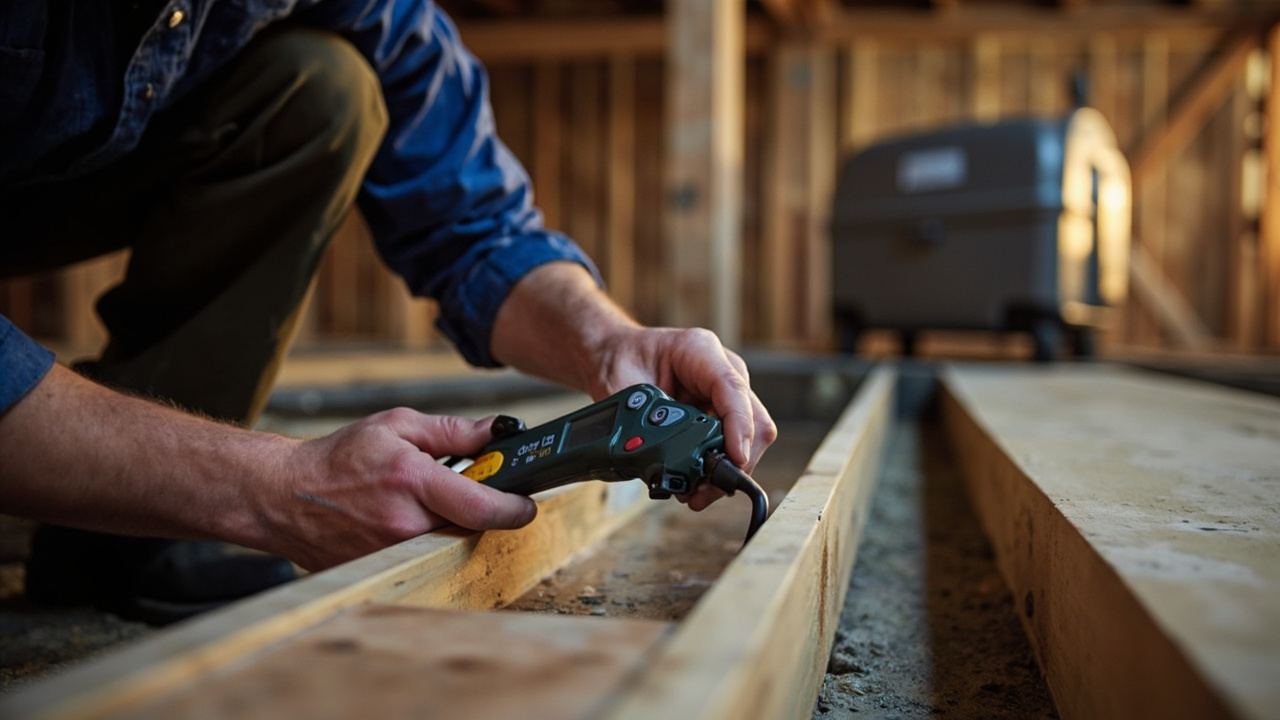
If you are still unsure after this check, a restoration professional can use moisture meters and thermal imaging to trace the source accurately. This diagnostic step is worth doing before any repair work begins.
Immediate Steps If You Have Active Water Intrusion Right Now
- Remove standing water from the floor
Use a wet-dry vacuum or a submersible pump if the water is more than an inch deep. Do not let water sit on a concrete slab or wood subfloor. Every hour of contact increases the risk of mold colonization and wood decay.
- Move belongings away from wet walls
Cardboard boxes, stored furniture, and fabric items accelerate mold growth when they stay in contact with wet surfaces. Move them to a dry area of the home or outside if weather permits.
- Set up airflow if you have it
Open windows if outside humidity is low and temperatures are reasonable. Place fans to move air across wet surfaces. Do not use fans if you suspect mold is already present, as this can spread spores.
- Document everything with photos and video
Photograph all visible water, staining, efflorescence, and cracks before cleanup begins. This documentation is essential for insurance claims. Photograph the exterior of the home too, including downspouts and grade slope near the foundation.
- Call a certified restoration contractor
Active intrusion in a Burien home needs professional water extraction, structural drying with commercial dehumidifiers and air movers, and a professional assessment of the foundation to determine the correct mitigation path.
Professional Restoration vs. Permanent Waterproofing
These are two different services, and it is important to understand where one ends and the other begins.
Water damage restoration addresses what has already happened inside your home. A certified IICRC restoration contractor will extract standing water, dry the structural components (concrete, framing, insulation), assess for mold, and return the interior to a dry and stable condition. This is the essential first step, and it must be done before any waterproofing work begins. Applying waterproofing over wet or mold-affected materials traps the problem inside the wall.
Permanent waterproofing prevents future intrusion. Depending on the severity and source of your seepage, the right solution may be one or several of the following approaches.
| Waterproofing Method | Best For | Installation Location | Relative Cost Factor |
|---|---|---|---|
| Interior French Drain System | Chronic floor-wall joint seepage, high water table | Interior perimeter, below slab | Moderate |
| Exterior French Drain | Soil saturation and lateral pressure along foundation | Outside footing, requires excavation | Higher (excavation cost) |
| Sump Pump with Battery Backup | High water table, ongoing hydrostatic pressure | Interior pit at lowest point | Moderate |
| Exterior Waterproof Membrane | Wall cracks, porous block foundations | Exterior foundation wall surface | Higher (requires excavation) |
| Crawlspace Encapsulation | Ground vapor, damp floor joists, musty odors | Crawlspace floor and walls | Moderate to Higher |
| Interior Crack Injection | Isolated cracks in poured concrete walls | Interior wall surface | Lower |
For most Burien homes dealing with glacial till soil and seasonal hydrostatic pressure, the most practical and cost-effective first line of defense is a sump pump installation with a battery backup system. Power outages during Pacific Northwest storms are common, and a sump pump without a battery backup is useless during the moments you need it most.
An interior French drain combined with a sump pump handles the majority of chronic seepage situations without the significant cost and disruption of exterior excavation. For homes in Gregory Heights or lower-elevation parts of the Lake Burien neighborhood where soil saturation is severe, exterior waterproofing may be the more permanent solution.
Crawlspace Encapsulation in Burien’s Climate
Many older Burien homes have crawlspaces rather than full basements. These spaces are ground zero for moisture problems in the Pacific Northwest. An unsealed crawlspace allows ground vapor to migrate upward into the floor system year-round. Over time, this causes wood rot in floor joists and subfloor sheathing, mold growth, and deteriorating insulation.
Crawlspace encapsulation involves installing a heavy-gauge polyethylene vapor barrier across the entire crawlspace floor and sealing it up the foundation walls. A sealed crawlspace, when paired with a dehumidifier sized correctly for the square footage, maintains a stable, dry environment that protects the structural components above it.
Washington State Energy Code requires vapor barriers in crawlspaces, and King County building codes have specific requirements for moisture control in below-grade spaces. A properly encapsulated crawlspace also improves the energy efficiency of the home by reducing the cold, damp air that infiltrates the living space above.
If you have seen similar issues in other parts of the city, our article on what to do when your Ballard basement floods during a storm covers the emergency response process in detail.
Mold Risk in Burien’s High-Humidity Environment
Seattle’s persistently high relative humidity, combined with groundwater intrusion, creates conditions where mold can colonize within 48 to 72 hours of initial water contact. In a crawlspace or basement with limited airflow, that window can be even shorter.
Mold is not just a cosmetic problem. Certain species produce mycotoxins that affect indoor air quality throughout the entire home, not just in the damp basement or crawlspace. Given that Burien homes already deal with persistent cloud cover and limited natural ventilation during wet months, the risk of undetected mold growth is real.
The EPA’s guidance on mold and moisture is clear that any water-damaged materials should be dried within 48 hours to prevent mold growth. If you are past that window, a professional mold assessment is warranted before any drying or waterproofing work begins. Our team of IICRC-certified technicians conducts moisture mapping and mold screening as part of every intrusion assessment.
For more on what mold remediation involves in the greater Seattle area, see our guide on what Kirkland homeowners need to know about professional mold removal on damp walls.
Understanding Insurance Coverage for Groundwater Seepage in Washington State
This is the question that causes the most confusion. Many Burien homeowners assume their standard homeowners policy will cover seepage damage. The reality is more complicated.
| Damage Type | Typical Coverage Under Standard WA Homeowners Policy | Potential Separate Coverage |
|---|---|---|
| Sudden pipe burst causing flooding | Usually covered (sudden and accidental) | N/A |
| Groundwater seepage through foundation | Usually excluded (gradual water damage) | Flood insurance (NFIP) may cover, with waiting period |
| Sewer backup through floor drain | Usually excluded without endorsement | Sewer/water backup rider |
| Surface flooding from storm runoff | Usually excluded (flood event) | Separate NFIP flood policy |
| Mold resulting from covered water event | Often partially covered if source was covered | Mold endorsement for broader coverage |
The key distinction in Washington State homeowners policies is between “sudden and accidental” water damage and “gradual” damage. Groundwater seepage and foundation leaks are typically categorized as gradual, meaning they developed over time and were not caused by a sudden covered event. This means most standard policies deny claims for seepage damage directly.
National Flood Insurance Program (NFIP) policies, purchased separately, can cover groundwater intrusion when it is tied to a defined flood event. If you are in a FEMA flood zone designation or near low-lying areas in Burien adjacent to the Duwamish drainage basin, flood coverage is worth evaluating.
Our team works with adjusters and can help document damage in the format insurers require. Proper documentation from the initial call through final drying logs significantly improves claim outcomes, even when coverage is uncertain at the start.
Burien-Specific Drainage Regulations Worth Knowing
King County has adopted stormwater management regulations that affect how drainage improvements on your property must be designed and permitted. If you are installing an exterior French drain, a dry well, or making significant changes to your grading, a permit may be required under King County stormwater management regulations.
Discharging sump pump water to the storm drain system without proper connection is a violation of King County wastewater discharge rules. Sump pump discharge should be directed to a dry well, a vegetated area, or a properly sized infiltration trench that allows water to re-enter the soil away from the foundation.
If you are in the City of Burien specifically, the city follows King County surface water design standards for drainage improvements. Any project exceeding a certain square footage of impervious surface modification may require a drainage plan review before permits are issued. A licensed contractor familiar with South King County jurisdictional requirements will handle this permitting process as part of the installation.
Neighborhood-Specific Risk Patterns Across Burien
Not all Burien neighborhoods carry the same groundwater risk profile. Here is a quick breakdown based on topography.
Gregory Heights sits on a relatively flat plateau. Homes here deal with glacial till drainage issues primarily during heavy rain seasons. Lateral seepage through block foundations is the most common complaint.
The area around Lake Burien has a higher water table due to proximity to the lake. Homes with basements in this zone experience more severe hydrostatic pressure during wet winters. Sump pump systems here are not optional; they are essential infrastructure.
Shorewood and the western bluff areas facing Puget Sound and near Seahurst Park deal with slope drainage issues. Steeper lots channel runoff toward the foundation at the uphill side of the home. Exterior drainage improvements are often more effective here than interior solutions alone.
Homes in the flatter areas bordering SeaTac and Tukwila share drainage basin characteristics with those valley areas, including slower-draining soils and greater risk of saturation during atmospheric river events.
Frequently Asked Questions
How long does professional structural drying take after groundwater intrusion in a Burien home?
For a typical basement or crawlspace water intrusion event, the drying process takes between 3 and 5 days using commercial-grade dehumidifiers and air movers. Thicker concrete walls, damp framing, or severe saturation can extend this to 7 days or more. IICRC S500 standards require daily moisture readings to confirm drying progress and determine when conditions are safe to close up the space.
Is there a difference between waterproofing and water damage restoration?
Yes. Restoration addresses damage that has already occurred, including water extraction, drying, mold remediation, and structural repairs. Waterproofing is a construction service that prevents future intrusion through drainage systems, membranes, and sump pumps. You need restoration first to dry the affected materials before any waterproofing work can be done effectively.
Can groundwater seepage in Burien be covered by homeowners insurance?
Most standard Washington State homeowners policies exclude gradual water damage including groundwater seepage. Coverage may apply under a separate flood policy through the National Flood Insurance Program if a defined flood event caused the intrusion. A water damage restoration contractor can help document the damage in the format required by adjusters to support your claim review.
What is efflorescence and does it mean my foundation is failing?
Efflorescence is the white, chalky mineral deposit left on concrete or masonry after water passes through the material and evaporates. It indicates water is moving through your foundation wall, but it does not necessarily mean your foundation is structurally compromised. It is a warning sign of chronic moisture intrusion that warrants a professional inspection. Horizontal cracks, bowing walls, or crumbling mortar joints are the more serious structural warning signs.
If you have water coming in from multiple sources or have already experienced flooding, our resources on getting fast water damage help without the wait and why professional sewage cleanup matters before your floors are ruined cover adjacent issues that sometimes accompany severe groundwater events.
If your Burien home is showing signs of groundwater intrusion, the right move is a professional assessment now, not after the next rainfall. Contact Evergreen Water Damage Restoration Seattle for a same-day inspection. Our IICRC-certified technicians carry moisture meters, thermal cameras, and the commercial drying equipment to address active intrusion immediately. We serve Burien, Gregory Heights, Shorewood, and the surrounding South King County area 24 hours a day, every day of the year.