
What Kirkland Homeowners Need to Know About Professional Mold Removal on Damp Walls
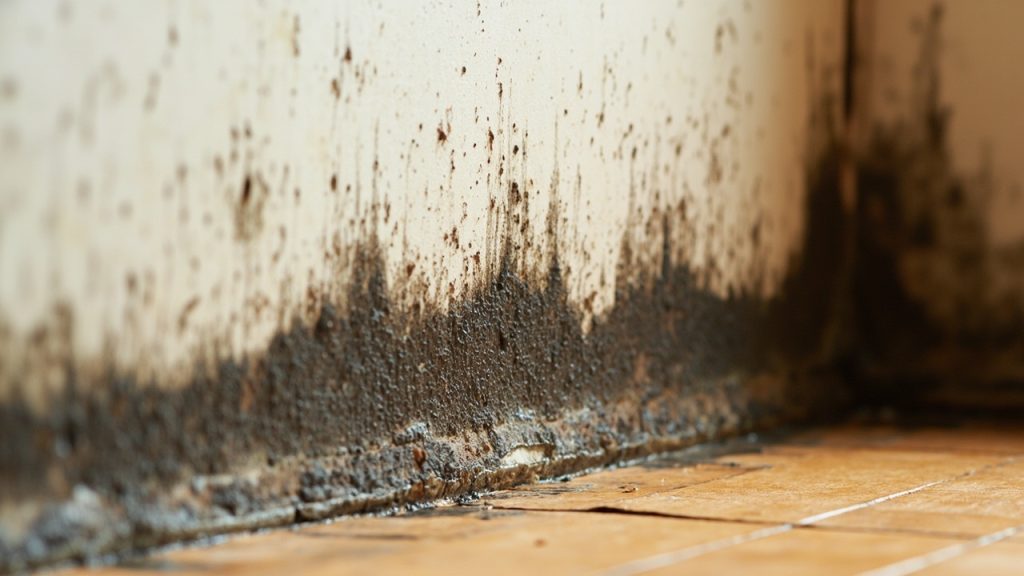
You found mold on your wall. That discovery triggers a specific kind of dread, because you know it means moisture has been sitting behind that surface long enough to grow something. In Kirkland, that scenario plays out constantly. The combination of Lake Washington’s proximity, the Pacific Northwest’s relentless rainy season, and the clay-heavy glacial soils of King County creates one of the most mold-permissive environments in the country.
This page gives you the information you need to make a fast, informed decision. We cover exactly how professional mold removal works, what sets a certified remediation process apart from a handyman with bleach, and why the specific conditions in Kirkland make professional intervention the right call.

Why Kirkland Homes Face an Above-Average Mold Risk
Kirkland sits on the western shore of Lake Washington. That water body raises ambient humidity levels throughout the year, and surrounding neighborhoods including Juanita, Totem Lake, Finn Hill, and Houghton all experience the compounding effect of ground-level moisture and seasonal rainfall that averages over 37 inches annually.
During the Pacific Northwest’s extended rainy season, relative indoor humidity can stay persistently elevated for weeks. Mold spores are always present in outdoor air. They need only a surface moisture content above 19 percent to colonize. In a Kirkland home with an inadequate crawl space vapor barrier or a compromised attic ridge vent, that threshold gets reached regularly.
King County’s glacial till and clay soils drain poorly. Hydrostatic pressure builds against foundation walls during heavy rain events, and water intrudes through cracks in concrete or block walls. Basements in Kingsgate and Rose Hill see this frequently. Basement flood cleanup and mold remediation often go hand in hand for these homeowners.
Atmospheric river events push sustained rainfall totals into the multi-inch-per-day range. They overwhelm standard drainage and push moisture into wall assemblies faster than materials can dry. For homes with aging plumbing, inadequate flashing around windows, or flat roof sections, these events create conditions where mold can establish a colony within 24 to 48 hours.
The Health Consequences of Ignoring Mold on Damp Walls
Not every mold species carries equal risk, but all active mold growth degrades indoor air quality. The species most people fear is Stachybotrys chartarum, commonly called black mold. It produces mycotoxins that affect the respiratory system, particularly in children, the elderly, and anyone with asthma or a compromised immune system.
Symptoms from mold exposure range from persistent coughing and nasal congestion to headaches, fatigue, and skin irritation. Prolonged exposure to Stachybotrys in an enclosed environment can cause more serious neurological symptoms. You can read about the full range of black mold symptoms on our dedicated resource page.
The Centers for Disease Control and Prevention confirm that mold exposure is linked to upper respiratory symptoms in otherwise healthy individuals, with more serious effects possible in vulnerable populations. This is not a cosmetic issue.
What makes wall mold particularly deceptive is that the visible surface growth often represents only a fraction of the actual colonization. Mold grows behind drywall, inside insulation batts, and on the wood framing of your wall cavity. If you see it on the surface, the problem behind that surface is almost certainly worse.
Mold Inspection vs. Mold Testing — Understanding the Difference
These two terms get used interchangeably, but they describe different things with different purposes.
A mold inspection is a physical assessment performed by a trained technician. The inspector uses moisture meters to map elevated readings across wall surfaces, checks for visible microbial growth, examines attic and crawl space conditions, and identifies the likely moisture source driving the problem. An inspection tells you where the mold is and what conditions are feeding it.
Mold testing involves collecting air or surface samples and sending them to a laboratory for analysis. Testing identifies the specific species present and measures spore counts. It is useful when you need documentation for insurance purposes, when a property is changing hands, or when you suspect Stachybotrys but cannot confirm it visually.
For most Kirkland homeowners dealing with visible mold on a damp wall, an inspection is the immediate priority. Testing adds value when the situation requires third-party verification, such as for a real estate disclosure or an insurance claim.
Tools Used During a Professional Mold Inspection
- Penetrating and non-penetrating moisture meters to measure wall and substrate moisture content
- Thermal imaging cameras to detect temperature differentials caused by moisture behind surfaces
- Borescopes for visual inspection inside wall cavities without full demolition
- Particle counters and air sampling pumps for spore concentration data
- Hygrometers to document relative humidity levels throughout the structure

What Professional Mold Removal Actually Looks Like Under IICRC S520
The IICRC S520 Standard for Professional Mold Remediation is the industry benchmark that separates certified contractors from unlicensed cleaners. Every step in a compliant remediation follows a defined protocol. Here is what that looks like in a Kirkland residential setting.
Step 1 — Source Identification and Moisture Control
You cannot remediate mold if the moisture source is still active. Before any physical removal begins, the technician identifies and addresses the water intrusion point. This could be a slow roof leak, a failed vapor barrier in the crawl space, condensation from inadequate ventilation, or hydrostatic seepage through a foundation wall. Removing mold without fixing the source guarantees regrowth within weeks.
Step 2 — Containment Setup
The work area gets sealed off from the rest of the home using polyethylene containment barriers. This prevents cross-contamination of spores to unaffected areas during the disturbance of mold-bearing materials. Negative air pressure is established inside the containment zone using HEPA-filtered air scrubbers, which pull air through the containment and exhaust it outside the structure. Spores cannot escape the work area.
Step 3 — Physical Removal of Contaminated Materials
Porous materials like drywall, insulation, and carpet padding that have active mold colonization get removed. The S520 standard provides clear thresholds for what can be cleaned versus what must be discarded. Structural framing that is mold-affected gets wire-brushed, HEPA-vacuumed, and then treated with an EPA-registered antimicrobial solution. All debris is double-bagged in six-mil poly bags and sealed before exiting the containment.
Step 4 — Structural Drying and Dehumidification
Once contaminated materials are removed, the exposed structural components need to reach a dry standard before any rebuilding begins. Industrial dehumidifiers and directional drying equipment bring the wood framing and subfloor to acceptable moisture content levels. These are measured against the equilibrium moisture content for the Pacific Northwest region. Rebuilding over wet framing leads to immediate mold recurrence.
For deeper reading on this phase, see our page on structural drying services.
Step 5 — Post-Remediation Verification
A post-remediation verification, or PRV, is performed after the work is complete and before the containment is removed. Air samples or surface samples are taken from inside the formerly affected area and compared to baseline samples from outside the home. The remediation is considered complete when indoor spore counts fall within normal outdoor baseline levels. This documentation is critical for insurance claims and property resale.
| Phase | Key Action | Typical Duration |
|---|---|---|
| Source Identification | Moisture meter mapping, leak investigation | 2 to 4 hours |
| Containment Setup | Poly barriers, negative air pressure, HEPA scrubbers | 1 to 3 hours |
| Material Removal | Demo of affected drywall, insulation, flooring | 1 to 3 days |
| Structural Drying | Industrial dehumidifiers, air movers | 3 to 7 days |
| Antimicrobial Treatment | EPA-registered biocide application on framing | 4 to 8 hours |
| Post-Remediation Verification | Clearance air sampling by independent party | 1 day |
Attic and Crawl Space Mold in Kirkland Homes
Wall mold gets the attention, but attic and crawl space mold is often the more serious structural problem in Kirkland. These areas stay out of sight and go undetected until the colonization is extensive.
Attic mold typically develops from inadequate soffit-to-ridge ventilation combined with bathroom or kitchen exhaust fans that terminate inside the attic rather than through the roof. Warm, moisture-laden interior air condenses on cold sheathing during winter months. Black mold on roof sheathing is a common finding in Finn Hill and Bridle Trails homes built before current building code requirements tightened ventilation standards.
Crawl space mold is driven by ground moisture. Without a proper vapor barrier and adequate ventilation, the soil beneath a Kirkland home continuously releases moisture into crawl space air. That moisture condenses on wood joists and subfloor decking, creating the exact conditions Stachybotrys and other species need. Our team performs full crawl space cleanup and encapsulation as part of a complete remediation plan.
Wet batt insulation holds moisture against wood indefinitely and must be removed before drying can occur. See our resource on soggy insulation for more on that specific issue.
Washington State Insurance and Mold Coverage
Insurance coverage for mold in Washington State depends heavily on the documented cause of the moisture. This distinction matters enormously for your claim outcome.
Most standard homeowners policies in Washington cover mold remediation when it results from a sudden and accidental water event. A burst pipe, a washing machine supply line failure, or a water heater rupture that creates mold within a short timeframe typically falls under a covered loss. Our page on mold insurance coverage breaks this down in detail.
What insurers typically deny are claims where mold resulted from long-term seepage, gradual leaks, or deferred maintenance. If a crawl space vapor barrier has been failing for an extended period and the joists are thoroughly colonized, the insurer will likely classify that as a maintenance exclusion. The documentation produced during a professional IICRC-compliant remediation is your strongest asset when pushing back on a denied claim.
For guidance on working through the claims process after any water or mold event, see our full guide on how to handle insurance claims.
| Moisture Source | Typical Insurance Outcome | Documentation Needed |
|---|---|---|
| Burst pipe causing rapid mold growth | Likely covered under sudden and accidental | Plumber report, remediation invoice, moisture logs |
| Roof leak from storm event | Likely covered if reported promptly | Storm date documentation, contractor assessment |
| Long-term crawl space seepage | Typically denied as maintenance exclusion | Remediation report may support partial negotiation |
| Condensation from HVAC failure | Case-by-case, often denied | HVAC service records, timeline documentation |
| Foundation water intrusion | Generally excluded without a rider | Waterproofing assessment can support negotiations |

How Professional Mold Removal Protects Your Kirkland Home’s Resale Value
Kirkland real estate commands significant prices. A mold disclosure during a sale negotiation can reduce offers, extend time on market, or kill a deal entirely. A documented, IICRC-compliant remediation with a post-remediation clearance certificate changes that dynamic completely.
Buyers and their inspectors recognize a professional remediation report. It demonstrates that the problem was identified, properly addressed according to industry standards, and verified by air sampling. That paper trail communicates to a buyer that the issue is resolved, not painted over.
Unlicensed contractors who apply bleach to visible mold surface growth without addressing the underlying moisture source or performing containment do not produce this documentation. The mold returns. That means the problem surfaces during a future inspection, often at the worst possible moment in a transaction.
If your Kirkland home has suffered any water intrusion event that led to the current mold condition, a complete water damage restoration scope is often the right parallel process. Addressing both the structural damage and the biological growth simultaneously produces the cleanest documentation for future disclosure.
Kirkland Neighborhoods Where We Respond
Evergreen Water Damage Restoration serves all of Kirkland’s residential neighborhoods, including Juanita, Totem Lake, Finn Hill, Kingsgate, Rose Hill, Houghton, and Bridle Trails. We also serve the broader Eastside, including Redmond, Bellevue, and Bothell. Our response teams cover the full Kirkland service area from our Seattle base.
For neighboring communities, our Redmond and Bellevue teams are also available for mold remediation services across the greater Eastside.
Questions Kirkland Homeowners Ask About Mold Removal
How long does professional mold removal take in a typical Kirkland home?
For a contained wall cavity mold situation, the full process from inspection through post-remediation verification typically runs seven to fourteen days. The largest variable is the structural drying phase. Kirkland’s high ambient humidity slows drying, and industrial dehumidification equipment runs continuously until moisture meters confirm acceptable readings. Larger jobs involving attics or multiple rooms take longer.
What is the difference between mold remediation and mold removal?
Mold removal implies that all mold can be physically extracted from a space, which is not accurate. Mold spores exist naturally in all indoor and outdoor environments. The goal of professional remediation is to reduce indoor spore counts to levels consistent with normal outdoor baseline readings and to eliminate the active colonization along with its moisture source. The IICRC S520 standard governs this process. True remediation addresses the cause, performs controlled demolition, treats the substrate, and verifies the result.
Can I stay in my home during mold removal?
It depends on the scope and location of the work. Small, contained remediation projects in a single room or crawl space may allow you to remain in the home, particularly if the HEPA containment is properly sealed. Large-scale projects involving multiple rooms, attic remediation, or significant structural demolition typically require temporary relocation for the duration of the active work phase. Your remediation contractor should assess this during the initial inspection and give you a clear recommendation.
What warning signs suggest hidden mold inside my walls?
Persistent musty odors, condensation on walls or windows, water staining on drywall, peeling paint or wallpaper, and unexplained allergy symptoms that improve when you leave the building are all indicators. Our hidden moisture detection service uses thermal imaging and moisture meters to locate the source before demolition is necessary.
Get a Mold Assessment for Your Kirkland Home
If you are looking at a damp wall and wondering what is growing behind it, the answer needs to come from a professional with the right equipment. Evergreen Water Damage Restoration responds to Kirkland and the greater Eastside 24 hours a day, seven days a week. Our technicians arrive with moisture meters, HEPA equipment, and a process built on IICRC S520 standards.
Active mold growth penetrates deeper into structural materials the longer it continues, and that means more remediation work. Contact our team to schedule an inspection and get a clear picture of what you are dealing with.