
menu

Soggy Insulation in Seattle – Expert Water Damage Diagnosis and Complete Removal

When water seeps into your walls or attic, saturated insulation becomes a hidden health hazard. Evergreen Water Damage Restoration Seattle identifies the source, removes compromised material, and restores your home's thermal barrier before mold takes hold.

Slider Image 1
Slider Image 2
Slider Image 3
Slider Image 4
Slider Image 5
Slider Image 7
Slider Image 8
Slider Image 9
Slider Image 10
Slider Image 11

Why Seattle Homes Face Chronic Insulation Saturation

Seattle's persistent drizzle and marine air create the perfect storm for wet insulation. You probably noticed the ceiling stain first, then the musty smell. What you cannot see is the damp insulation trapped inside your walls, holding moisture like a sponge.

Water damaged insulation loses thermal value immediately. A saturated batt of fiberglass holds its shape but stops insulating. Your heating bill climbs while mold colonies establish themselves in the dark, wet environment. This is not a surface problem. The water travels along roof decking, down wall studs, and pools on top of the insulation layer in your attic or crawl space.

Most Seattle homes have older crawl spaces with minimal ventilation. When a pipe leaks or a roof flashes fails during a storm, water drips onto insulation for hours before you notice. Puget Sound humidity above 70 percent means that soaked insulation does not dry on its own. It sits, breeding mold spores and attracting pests.

You might see water stains on drywall or notice your floorboards feel soft near a bathroom. These are symptoms of a larger issue. The insulation behind that wall is likely compromised. Left untreated, saturated insulation damages framing, promotes rot, and spreads contamination throughout your HVAC system. The fix is straightforward but requires removing all affected material, drying the structure, and replacing the thermal barrier correctly.

Why Seattle Homes Face Chronic Insulation Saturation
How We Remove Water Damaged Insulation Without Spreading Contamination

How We Remove Water Damaged Insulation Without Spreading Contamination

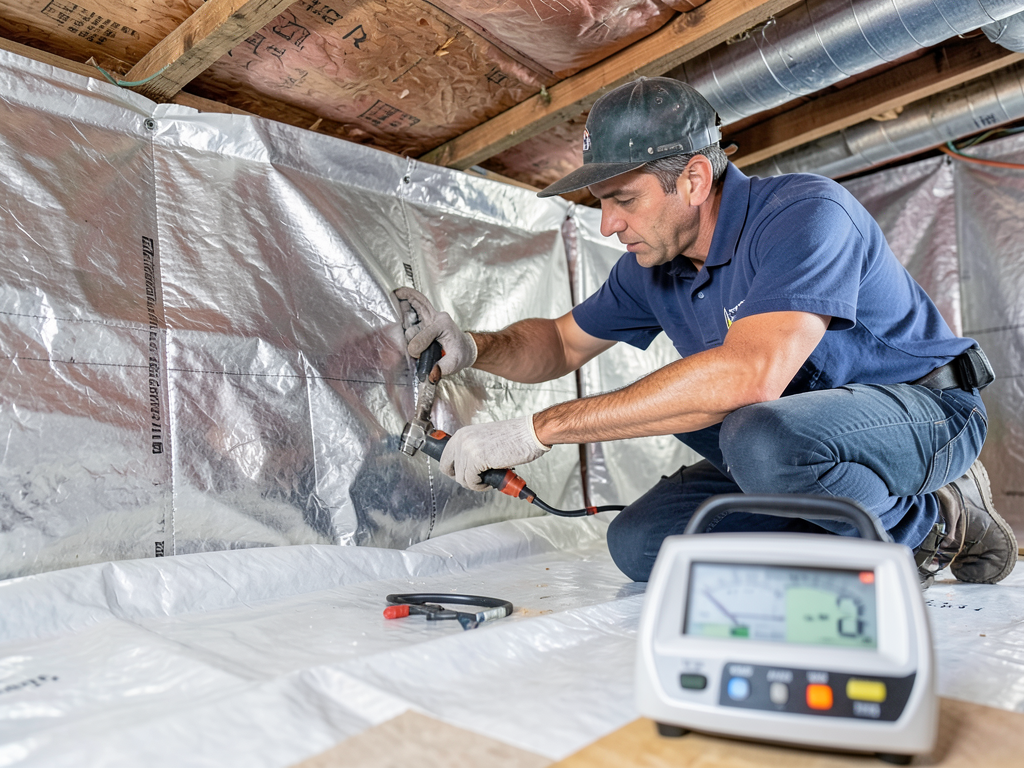
Our process starts with moisture mapping using thermal imaging cameras. We identify every wet cavity before cutting into walls. This prevents unnecessary demolition and targets only the compromised areas. Soggy insulation removal requires containment. We seal off the work zone with plastic sheeting and negative air machines to prevent mold spores from traveling into clean areas of your home.

Once contained, we remove all damp insulation by hand or vacuum. Fiberglass batts come out in sections. Blown-in cellulose gets vacuumed using HEPA-filtered equipment. We bag everything onsite and dispose of it according to Seattle waste regulations. The exposed framing gets treated with antimicrobial solutions and dried using commercial dehumidifiers and air movers. We measure moisture content in wood studs daily until readings drop below 15 percent.

After drying, we inspect for hidden damage. Water often rots sill plates or rim joists in crawl spaces. We document everything with photos and moisture logs. This creates a clear record for your insurance adjuster. Replacement insulation goes in only after the structure passes our dry-out criteria. We match the R-value of your original insulation or upgrade to closed-cell spray foam if the space has chronic moisture issues.

The difference between a proper removal and a quick fix is thoroughness. Cutting corners leaves moisture behind. That moisture feeds mold, attracts carpenter ants, and voids any warranty. We handle every job like it is our own home. You get detailed documentation, transparent communication, and a dry structure ready for rebuild.

What Happens During a Saturated Insulation Removal

Soggy Insulation in Seattle – Expert Water Damage Diagnosis and Complete Removal
01

Moisture Detection and Containment

We use infrared cameras to map moisture inside walls and ceilings without invasive cuts. Once we identify saturated zones, we set up containment barriers with negative air pressure to stop airborne contaminants from spreading. This protects your living space while we work. You stay in your home safely during the removal process.
02

Complete Material Removal and Drying

All wet insulation gets bagged and removed from your property. We expose framing to air and treat it with antimicrobial solutions. Commercial dehumidifiers and air movers run continuously until wood moisture content drops below 15 percent. We monitor daily with pin meters and document progress. This drying phase takes three to seven days depending on saturation levels and cavity depth.
03

Structural Inspection and Reinstallation

After drying, we inspect every stud, joist, and sheathing panel for rot or mold. Any compromised lumber gets flagged for replacement. Once the structure passes inspection, we reinstall insulation to match or exceed original R-values. You receive a complete moisture log, photo documentation, and a detailed scope of work for your records and insurance claim.

Why Seattle Homeowners Choose Evergreen Water Damage Restoration

Seattle building codes require specific vapor barrier placement in crawl spaces and attics. Many restoration companies skip this detail. We follow 2021 IRC requirements for every installation. That means proper sequencing of air barriers, thermal insulation, and vapor retarders. This is not optional. It prevents recurring moisture problems and keeps your home code-compliant if you sell.

We understand Seattle's construction history. Homes built before 1980 often have no vapor barrier at all. Post-and-beam construction common in neighborhoods like Wallingford and Queen Anne requires different removal techniques than standard stick framing. We adapt our methods to your home's structure without causing unnecessary damage.

Insurance adjusters in King County know our documentation standards. We provide detailed moisture logs, thermal images, and itemized scopes that match Xactimate pricing. This speeds up your claim and reduces the chance of underpayment. We work directly with your adjuster to answer technical questions and justify line items.

Our crew trains on confined space safety and mold remediation protocols. Crawl spaces in Seattle are tight, dark, and often contaminated with rodent waste. We wear respirators, Tyvek suits, and follow OSHA guidelines for every job. You get professional results without shortcuts.

Local matters. We source replacement materials from Seattle suppliers, which means faster turnaround and better pricing. If your project needs a structural engineer's stamp for permit approval, we coordinate that. Our network includes licensed engineers, certified mold assessors, and specialty contractors who understand Seattle's unique building environment. You get one point of contact and a seamless process from discovery to final walk-through.

What to Expect During Your Insulation Removal Project

Response Time and Project Start

We schedule an onsite inspection within 24 hours of your call. During the inspection, we map moisture, take photos, and provide a written estimate. Most projects start within three to five business days. Emergency situations like active leaks or sewage backups get same-day containment and stabilization. You know exactly when we arrive, how long the work takes, and what happens each day. We text updates and send progress photos so you stay informed without micromanaging.

Initial Assessment and Moisture Testing

Our technician uses thermal imaging and pin-type moisture meters to measure water content in walls, floors, and ceilings. We check adjacent rooms to determine the full scope of water migration. You receive a moisture map showing affected areas in red and dry zones in green. This visual report helps you understand the problem and makes insurance claims easier. We explain findings in plain language and answer questions on the spot. No jargon, no upselling. You get honest feedback about what needs immediate attention and what can wait.

Final Dryness and Quality Control

Drying is not guesswork. We measure wood moisture daily until readings stabilize below 15 percent. Once dry, we run a final thermal scan to confirm no hidden pockets remain. You walk through the space with our project lead before reinstallation begins. We show you the clean, dry framing and explain what happens next. If mold was present, we provide clearance testing through a third-party lab. You get documentation proving the space is safe for rebuild.

Post-Removal Support and Documentation

After completion, you receive a full project folder with moisture logs, photos, and a detailed scope of work. This package supports your insurance claim and provides future buyers with proof of professional remediation. We offer a one-year callback policy. If you notice odors or moisture returning in the treated area, we come back and reassess at no charge. We also provide referrals to licensed contractors for drywall, painting, and finish work. You are not left searching for reliable help after we leave.

Frequently Asked Questions

You Have Questions,
We Have Answers

Will wet insulation ever dry out? +

Wet insulation rarely dries out properly on its own, especially in Seattle's damp climate. Fiberglass and cellulose insulation absorb water like a sponge and retain moisture for weeks or months. This trapped moisture creates perfect conditions for mold growth and reduces insulation effectiveness by up to 50 percent. Even if the surface feels dry, moisture often lingers deep within the material. Seattle's high humidity and frequent rainfall make natural drying nearly impossible. You need proper air circulation, dehumidification, and often complete removal to address the problem correctly.

Will mold grow in wet insulation? +

Yes. Mold begins growing in wet insulation within 24 to 48 hours in most conditions. Seattle's mild, humid climate accelerates this timeline. Fiberglass, cellulose, and organic-backed insulation provide ample food sources for mold spores already present in the air. Once moisture saturates the material, spores colonize rapidly. You may not see visible mold on the surface, but hidden growth spreads through wall cavities and attic spaces. This creates air quality problems throughout your home. Immediate action prevents widespread contamination and costly remediation down the line.

Does insulation need to be replaced after water damage? +

Yes, in most cases. Water-damaged insulation loses its thermal resistance permanently once saturated. Fiberglass compresses and clumps. Cellulose breaks down and becomes a mold factory. Even after drying attempts, the material remains compromised and harbors hidden contaminants. Seattle building codes require proper R-values for energy efficiency. Damaged insulation fails to meet these standards. Replacement ensures your home stays energy efficient, prevents mold spread, and protects indoor air quality. Trying to salvage wet insulation creates long-term problems that cost more to fix later.

Does loft insulation need replacing if it gets wet? +

Yes. Loft or attic insulation in Seattle homes requires replacement after water exposure. Whether from roof leaks, plumbing failures, or condensation buildup, wet loft insulation loses effectiveness immediately. The material compresses, traps moisture against wood framing, and promotes rot in roof decking and rafters. Seattle's rain-heavy winters make attic spaces vulnerable to ongoing leaks. Damaged insulation also adds weight to ceiling joists. Remove the wet material quickly, address the water source, dry the structure completely, then install fresh insulation to restore thermal performance and prevent structural damage.

How long does it take for mold to grow on wet insulation? +

Mold can begin growing on wet insulation within 24 to 48 hours under the right conditions. Temperature, humidity, and material type influence the timeline. Seattle's moderate temperatures and high humidity create ideal mold conditions year-round. Organic insulation materials like cellulose support faster colonization than fiberglass, though both eventually harbor mold. Once spores establish, they spread rapidly through wall cavities and ductwork. You may smell musty odors before seeing visible growth. Fast response prevents small problems from becoming whole-house contamination requiring expensive remediation.

How to fix wet insulation? +

Remove it completely. Wet insulation cannot be saved. First, identify and stop the water source. Next, remove all saturated material from walls, attics, or crawl spaces. Dispose of it properly, as wet insulation becomes heavy and contaminated. Dry out the affected structural areas using air movers and dehumidifiers. Inspect wood framing for rot or mold. Treat surfaces with antimicrobial solutions if needed. Once everything dries completely and passes moisture meter readings, install new insulation rated for Seattle climate conditions. Attempting shortcuts leads to recurring mold and energy loss.

Why is it hard to sell a house with spray foam insulation? +

Spray foam insulation complicates home sales because it creates inspection and mortgage concerns. Lenders worry about improper installation blocking roof ventilation, trapping moisture, and causing hidden rot. Buyers fear removal costs if issues arise. Home inspectors flag spray foam applied directly to roof decking without ventilation channels, common in older Seattle homes. Some spray foam installations violate building codes or prevent future electrical work. These red flags scare buyers and reduce offers. Proper documentation and professional installation help, but older spray foam applications often require costly remediation before closing.

Can you get sick from moldy insulation? +

Yes. Moldy insulation releases spores and mycotoxins into your home's air supply. You breathe these contaminants daily. Symptoms include respiratory irritation, chronic coughing, headaches, sinus infections, and fatigue. People with asthma or immune sensitivities experience severe reactions. Mold hidden in walls or attics circulates through HVAC systems, spreading contamination throughout your home. Seattle's damp climate worsens the problem. Long-term exposure leads to chronic health conditions. If you smell musty odors or experience unexplained symptoms, investigate hidden insulation areas immediately. Professional remediation protects your family's health.

How do Japanese bathrooms not get mold? +

Japanese bathrooms resist mold through superior ventilation, quick-drying materials, and drainage design. They use non-porous wall panels instead of drywall. Floors slope toward drains, preventing standing water. Powerful exhaust fans run during and after showers. Many bathrooms separate wet and dry zones physically. Materials dry rapidly between uses. Seattle homeowners can adopt similar strategies: upgrade bathroom ventilation, use mold-resistant materials, improve grout sealing, and run exhaust fans longer. Cultural bathing habits also matter. Japanese baths emphasize rinsing outside the tub, keeping less water splashing on surfaces.

What does water damaged insulation look like? +

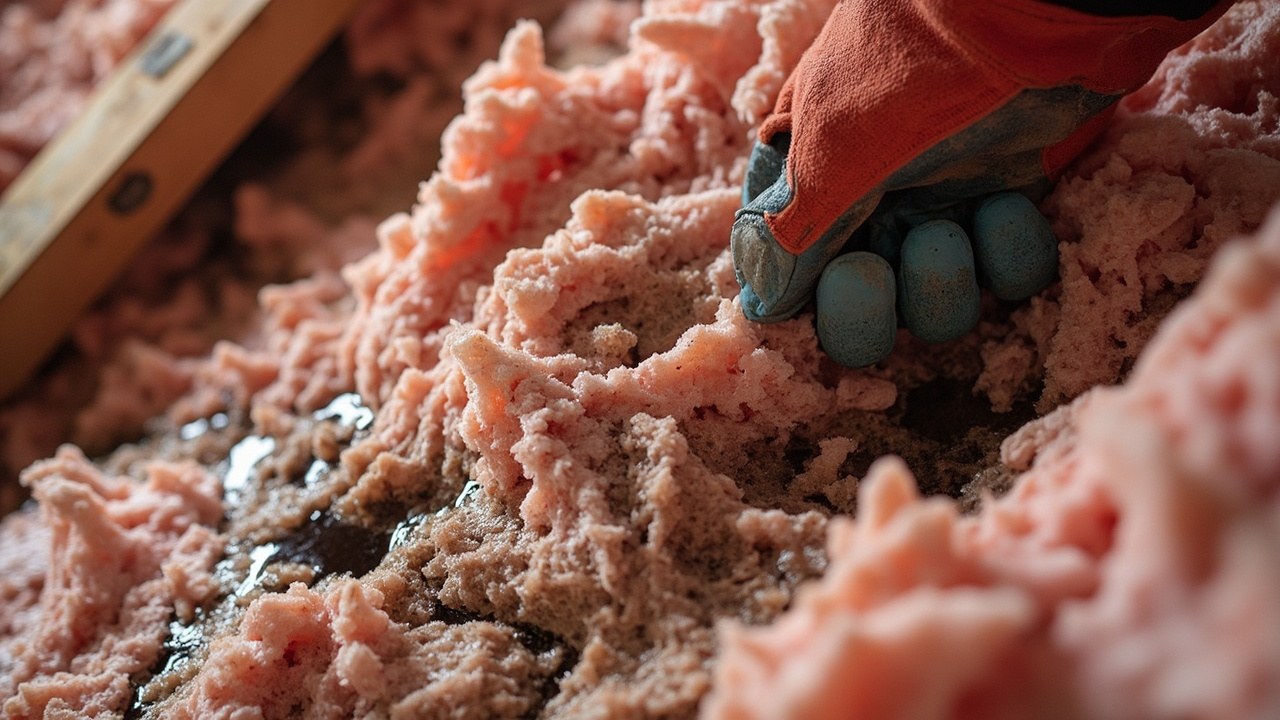
Water-damaged insulation appears discolored, compressed, and saggy. Fiberglass turns dark yellow, brown, or gray instead of pink or yellow. It clumps together and loses its fluffy texture. Cellulose looks matted and breaks apart easily. You may see visible mold growth as black, green, or white patches. Wet insulation feels heavy and damp to the touch. It often gives off musty, earthy odors. In Seattle attics and crawl spaces, check for water stains on adjacent wood framing. Damaged insulation pulls away from joists and droops between rafters.

How Seattle's Marine Climate Accelerates Insulation Failure

Seattle averages 150 days of measurable precipitation annually. That constant moisture keeps relative humidity above 70 percent from October through May. Wet insulation in attics and crawl spaces cannot dry naturally during these months. Water migrates through roof penetrations, condenses on cold surfaces, and saturates fiberglass batts before homeowners notice. Neighborhoods near Puget Sound, Lake Washington, and Green Lake face even higher humidity levels. Older homes in Ballard, Fremont, and Capitol Hill often lack adequate crawl space ventilation, which traps moisture and accelerates insulation degradation. Addressing soaked insulation quickly prevents structural rot and mold colonization.

Seattle building codes updated vapor barrier requirements in 2018 to address chronic moisture issues in Pacific Northwest homes. Evergreen Water Damage Restoration Seattle follows these updated standards for every insulation replacement. We understand local construction methods, from post-and-beam homes in Madison Park to split-level ramblers in West Seattle. Our crews work daily in King County and know which inspectors require engineer stamps for structural modifications. Choosing a local team means you get someone who understands Seattle's building culture, knows the permit process, and sources materials from regional suppliers for faster turnaround.


Water Damage Restoration Services in The Seattle Area

Evergreen proudly serves Seattle and its surrounding communities with professional water damage restoration you can count on. Whether you’re downtown, in the suburbs, or nearby, our responsive team is just a call away. View our service area on the map to see if we’re available in your neighborhood. We’re committed to helping local homeowners and businesses recover fast—so if you need help, we’ll come to you. Use the map below to locate our base or service radius and reach out anytime.

Address:
Evergreen Water Damage Restoration Seattle, 600 Stewart St, Seattle, WA, 98101

Additional Services We Offer

Our news updates

Latest Articles & News from The Blogs

How to Stop Your Lake Forest Park Deck from Leaking into the Rooms Below If water from your deck seeps…

How to Stop Your Lake Forest Park Deck from Leaking into the Rooms Below

How to Stop Your Lake Forest Park Deck from Leaking into the Rooms Below If water from your deck seeps…

Why Your West Seattle Retaining Wall Could Be the Cause of Your Wet Basement

Why Your West Seattle Retaining Wall Could Be the Cause of Your Wet Basement \n\n West Seattle’s dramatic topography of…

Fixing Moisture Problems in Your Mukilteo Home After a Heavy Fog Season

Fixing Moisture Problems in Your Mukilteo Home After a Heavy Fog Season Living near Puget Sound means dealing with persistent…

Contact Us

Soggy insulation feeds mold and destroys framing. Call Evergreen Water Damage Restoration Seattle at (564) 220-5525 for a same-day inspection. We map the moisture, remove compromised material, and restore your home's thermal barrier correctly.