
menu

Steps to Take After a Flood in Seattle – Your Complete Recovery Checklist for Pacific Northwest Homes

From documenting damage to preventing mold in Seattle's damp climate, learn the critical steps to take after a house flood to protect your property, speed insurance claims, and restore your home safely.

Slider Image 1
Slider Image 2
Slider Image 3
Slider Image 4
Slider Image 5
Slider Image 7
Slider Image 8
Slider Image 9
Slider Image 10
Slider Image 11

Why Seattle Flooding Demands Immediate Action

Seattle's unique geography makes flooding a persistent threat. The city sits between Puget Sound and Lake Washington, with neighborhoods like Georgetown, South Park, and parts of Ballard experiencing chronic drainage issues during heavy rain events. When you combine saturated clay soil with aging sewer infrastructure and the area's 37 inches of annual rainfall, you get basements that fill fast and crawl spaces that turn into retention ponds.

The problem accelerates in fall and winter when atmospheric rivers dump inches of rain in 24-hour periods. The Duwamish River has a documented history of flooding adjacent residential areas, while homes near Thornton Creek and Longfellow Creek face repeated inundation. What starts as standing water quickly becomes a mold incubation chamber in Seattle's mild, humid climate.

You need a post-flood recovery checklist specific to Pacific Northwest conditions. Generic advice from national websites does not account for Seattle's wood-frame construction, shallow foundations common in pre-1950s homes, or the speed at which mold colonizes in 50-degree, damp environments. Every hour you wait after flooding increases structural damage, elevates remediation costs, and complicates insurance claims.

Understanding immediate actions after flooding means knowing which steps prevent secondary damage and which ones actually make things worse. The water damage clean up steps that work in Arizona fail miserably in western Washington. You need a guide to handling flood damage written for homes with crawl spaces, pier-and-beam foundations, and the specific moisture challenges Seattle presents year-round.

Why Seattle Flooding Demands Immediate Action
The Critical First 48 Hours After Water Intrusion

The Critical First 48 Hours After Water Intrusion

The first action after discovering flooding is ensuring electrical safety. Before entering standing water, shut off power at the main breaker panel. Seattle homes built before 1980 often have subpanels in basements, creating electrocution risks when submerged. If you cannot safely reach your electrical panel, call Seattle City Light's emergency line before entering the space.

Document everything before touching anything. Your insurance adjuster needs photographic evidence of water lines, damaged possessions, and structural impact. Take wide shots showing the full scope, then close-ups of serial numbers on appliances, manufacturer labels on HVAC equipment, and any visible damage to framing or drywall. Video documentation captures what photos miss, particularly the extent of saturation in carpets, baseboards, and lower wall sections.

Water extraction must begin within 24 hours to prevent category escalation. Clean water from a supply line becomes category 2 gray water after contacting building materials. After 48 hours in Seattle's humidity, that gray water becomes category 3 black water containing bacteria, fungi, and potential pathogens. Professional extraction uses truck-mounted pumps generating 400+ CFM airflow and weighted extraction wands that pull water from carpet padding and subfloors.

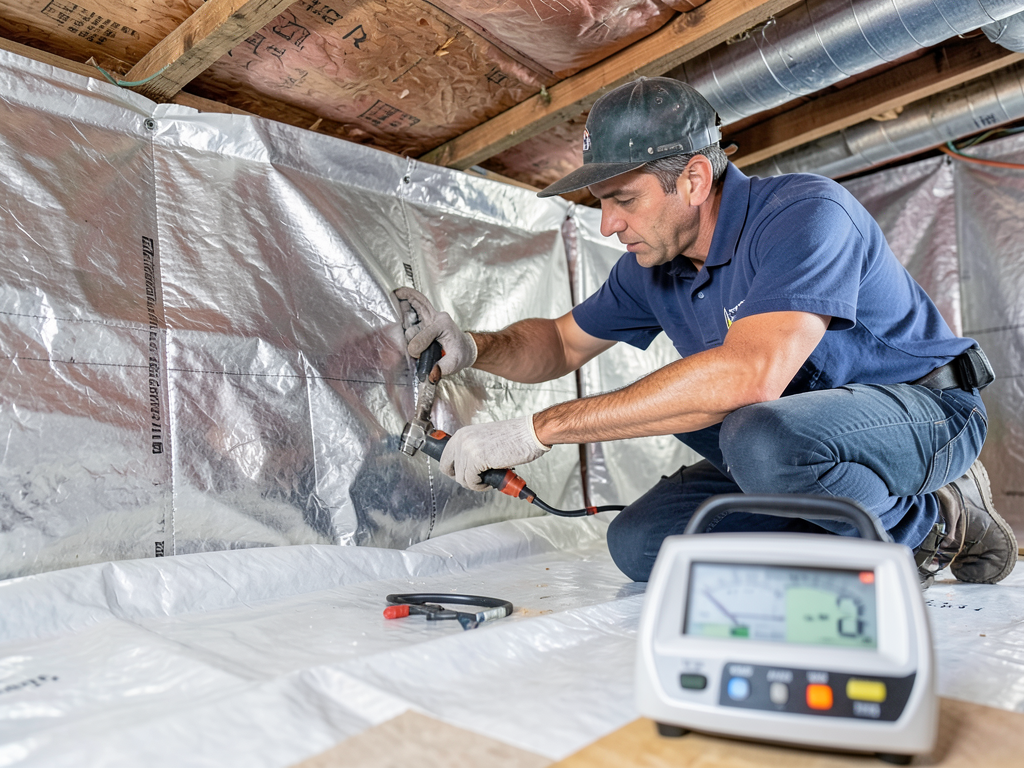
Drying requires more than fans pointed at wet spots. Proper structural drying in Seattle means controlling ambient humidity, creating negative air pressure to prevent moisture migration, and using thermal imaging to identify hidden saturation in wall cavities. We monitor moisture content in framing lumber using pin-type and pinless moisture meters, targeting readings below 15 percent before reconstruction begins. Dehumidification continues until relative humidity drops below 50 percent, preventing the mold amplification Seattle's climate encourages.

Your Post-Flood Action Plan for Seattle Homes

Steps to Take After a Flood in Seattle – Your Complete Recovery Checklist for Pacific Northwest Homes
01

Safety and Documentation

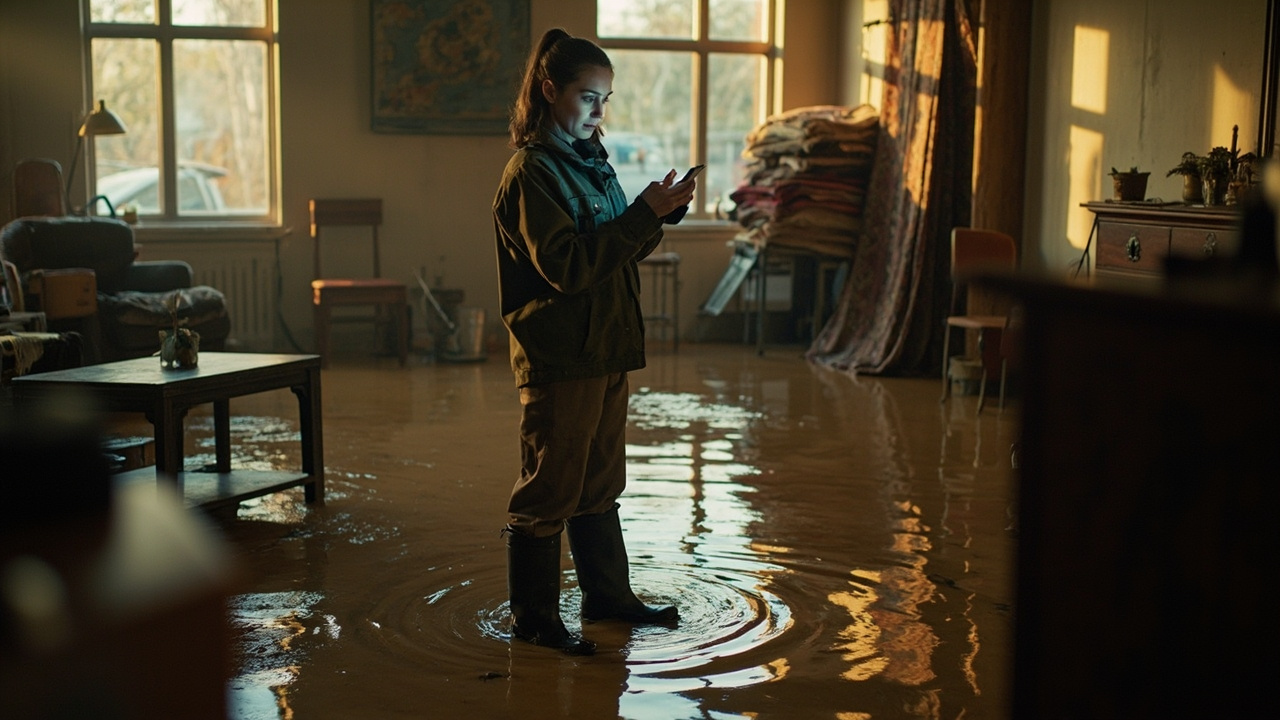
Before entering flooded areas, eliminate electrical hazards and check for structural instability. Document all damage with photos and video showing water lines, affected materials, and damaged contents. Contact your insurance carrier within 24 hours to initiate claims. This documentation becomes critical evidence for claim approval and determines coverage limits for personal property, structural repairs, and additional living expenses if displacement becomes necessary.
02

Water Extraction and Removal

Remove standing water using extraction equipment, not shop vacuums inadequate for volume removal. Dispose of contaminated porous materials like carpet padding, insulation, and drywall that contacted category 2 or 3 water. Separate salvageable contents from total losses. Move undamaged items to dry areas to prevent secondary damage. This triage process determines what restoration can save versus what requires replacement, directly impacting your claim settlement and out-of-pocket costs.
03

Drying and Restoration

Deploy commercial dehumidifiers and air movers to dry structural components thoroughly. Monitor moisture levels in framing, subfloors, and wall cavities until readings confirm complete drying. Apply antimicrobial treatments to affected surfaces to prevent mold growth during the drying period. Once moisture readings stabilize below acceptable thresholds, reconstruction begins. This controlled drying prevents the mold blooms and wood rot that plague rushed flood recovery jobs in Seattle's climate.

Why Seattle Homeowners Choose Evergreen Water Damage Restoration Seattle

Flooding in Seattle differs from flooding in other regions. We understand how water behaves in homes with crawl spaces common throughout Queen Anne, Capitol Hill, and Wallingford. We know that pier-and-beam foundations in older neighborhoods like Fremont and Phinney Ridge create unique drying challenges. Our technicians recognize the difference between surface water from overwhelmed drainage systems and groundwater intrusion through foundation cracks caused by Seattle's expansive clay soils.

Our familiarity with Seattle's building codes means we restore your home to current standards, not just pre-loss condition. We work directly with adjusters from Pemco, Safeco, and other regional carriers who insure Pacific Northwest homes. We understand Washington State's insurance regulations and know how to document claims that survive scrutiny. When carriers lowball structural drying costs or deny antimicrobial treatment, we provide the technical documentation that reverses denials.

Evergreen Water Damage Restoration Seattle maintains response capacity throughout King County. We arrive with truck-mounted extraction units, commercial dehumidifiers rated for Seattle's humidity levels, and thermal imaging equipment that identifies hidden moisture in wall cavities and ceiling planes. Our technicians hold IICRC certifications in water damage restoration and applied structural drying, meaning they understand psychrometrics, vapor pressure, and the specific drying protocols Seattle's climate demands.

We also recognize the urgency flooding creates. Mold begins colonizing within 48 hours in Seattle's mild temperatures. Wood rot follows close behind when moisture content in framing lumber exceeds 20 percent. Every day of delayed drying compounds damage and inflates costs. We respond quickly because we know what delayed mitigation costs Seattle homeowners in additional repairs, extended displacement, and insurance complications.

What Seattle Homeowners Can Expect During Flood Recovery

Rapid Response and Stabilization

We respond to flood calls throughout Seattle within two hours of contact. Our technicians arrive with extraction equipment, moisture detection tools, and documentation supplies. Initial stabilization includes water extraction, safety hazard mitigation, and damage documentation that satisfies insurance requirements. We communicate directly with your carrier during this phase, providing real-time updates that expedite claim approval. Emergency tarping, board-up services, and content pack-out happen immediately when needed to prevent additional damage or secure your property. Speed matters because every hour of water contact increases damage severity and remediation complexity.

Comprehensive Moisture Assessment

After extraction, we map moisture distribution using thermal imaging cameras and moisture meters that measure water content in wood, drywall, and concrete. This assessment identifies hidden saturation in wall cavities, beneath flooring, and in ceiling planes that visual inspection misses. We create drying plans specific to your home's construction, materials, and the category of water involved. Monitoring continues throughout the drying process with daily moisture readings that document progress and determine when reconstruction can safely begin. This systematic approach prevents the premature closure that leads to mold growth and callbacks on inferior restoration work.

Complete Structural Drying

Structural drying continues until moisture content in all building materials drops below industry thresholds. We use commercial dehumidifiers, high-velocity air movers, and negative air machines that create controlled drying environments. Dehumidification capacity matches your home's cubic footage and Seattle's ambient humidity levels, which average 75 percent year-round. We do not remove equipment prematurely. Drying completion is determined by moisture meter readings, not arbitrary timelines. Final antimicrobial treatment protects dried surfaces from microbial growth. Only after documented drying completion does reconstruction begin, ensuring you get a proper restoration rather than cosmetic repairs over still-wet materials.

Post-Restoration Monitoring

After reconstruction completes, we provide follow-up moisture monitoring to confirm your home remains dry. Seattle's climate can reintroduce moisture through foundation cracks, poor grading, or inadequate ventilation in crawl spaces and attics. We identify these vulnerability points and recommend corrections that prevent future flooding. Our documentation package includes all moisture readings, equipment logs, and photographic records your insurance carrier requires for final claim settlement. We remain available for questions as you transition back to normal occupancy. This follow-through separates complete restoration from abandoned jobs that leave homeowners with recurring moisture problems and unresolved insurance disputes.

Frequently Asked Questions

You Have Questions,
We Have Answers

What steps to take after a flood? +

Turn off electricity at the breaker box if you can do so safely. Document all damage with photos and video before moving items. Contact your insurance company immediately to report the claim. Remove standing water using pumps or wet vacuums. Move furniture and belongings to dry areas. Open windows to improve air circulation if weather permits. In Seattle's damp climate, mold can develop within 24 to 48 hours, so speed matters. Call a water damage restoration professional to assess structural issues, extract remaining water, and begin drying. Do not attempt major cleanup until a professional evaluates safety risks.

What should be done after the flood? +

After floodwater recedes, prioritize safety. Check for structural damage like sagging ceilings or warped floors before re-entering. Remove waterlogged materials like drywall, insulation, and carpeting that cannot be salvaged. Disinfect all surfaces touched by floodwater using bleach solutions to prevent bacterial growth. Run dehumidifiers and air movers to accelerate drying. Seattle's high humidity can prolong drying times and increase mold risk. Dispose of contaminated food, medications, and cosmetics. Keep detailed records of all damaged items and repairs for insurance purposes. Professional restoration teams can handle extraction, structural drying, and antimicrobial treatment to restore your home safely.

What step should be taken when there is a flood? +

When flooding occurs, evacuate immediately if authorities issue warnings. Move to higher ground and avoid walking or driving through floodwater. Once safe, stop additional water intrusion by shutting off the main water supply if the flood stems from internal plumbing. Turn off gas and electricity if accessible without entering water. Contact emergency restoration services quickly. In Seattle, where rain and drainage issues are common, rapid response prevents secondary damage. Document everything for insurance claims. Do not use electrical appliances until a professional inspects them. Floodwater often contains sewage and contaminants, so avoid direct contact and wear protective gear during any cleanup.

What do people need after a flood? +

People need safe shelter, clean drinking water, and medical attention after a flood. Emotionally, they need reassurance and clear guidance. Practically, they need rapid water extraction, structural drying, and mold prevention services. Insurance claim assistance helps navigate the financial burden. In Seattle, where moisture lingers due to climate, professional-grade dehumidifiers and air movers are critical. Families need help salvaging belongings, disposing of contaminated materials, and restoring their homes to pre-loss condition. Temporary housing may be necessary during extensive repairs. Access to restoration professionals who understand local building codes and Seattle's unique moisture challenges ensures homes are rebuilt correctly and safely.

How long to dry out a house after a flood? +

Drying time depends on flood severity, building materials, and humidity levels. Minor flooding may dry in three to five days with proper equipment. Severe flooding can take two to four weeks. Seattle's naturally high humidity extends drying times compared to drier climates. Hardwood floors, drywall, and insulation absorb water deeply and dry slowly. Professional restoration teams use moisture meters to track progress and ensure complete drying. Skipping this step invites mold growth, wood rot, and structural compromise. Air movers, dehumidifiers, and sometimes heat accelerate the process. Do not rely on air-drying alone. Hidden moisture in wall cavities requires specialized detection and extraction.

What are the 5 steps of disaster recovery? +

Disaster recovery follows five critical steps. First, assess the damage and ensure the site is safe to enter. Second, mitigate further loss by stopping water intrusion and securing the property. Third, document everything with photos and detailed notes for insurance. Fourth, execute cleanup and restoration, including water extraction, drying, disinfection, and reconstruction. Fifth, review and improve your preparedness plan to reduce future risk. In Seattle, where flooding can result from heavy rainfall or plumbing failures, each step must account for mold prevention due to the region's moisture. Professional restoration companies manage this process efficiently, ensuring structural integrity and code compliance.

What are the 5 steps of preparedness? +

Preparedness begins with creating an emergency plan that includes evacuation routes and communication protocols. Second, assemble a disaster supply kit with water, food, medications, and important documents in waterproof containers. Third, review your insurance policy to understand flood coverage limits and exclusions. Fourth, identify and mitigate home vulnerabilities like poor drainage, aging sump pumps, or basement seepage common in Seattle homes. Fifth, establish relationships with trusted restoration professionals before disaster strikes. Pre-vetting contractors saves precious time during emergencies. Regular maintenance of gutters, downspouts, and grading around your foundation reduces flood risk, especially during Seattle's prolonged rainy seasons.

Do you have to throw everything away after a flood? +

Not everything requires disposal after a flood. Non-porous items like metal, glass, and hard plastics can be disinfected and salvaged. Porous materials like drywall, insulation, carpeting, and upholstered furniture typically cannot be fully cleaned and must be discarded to prevent mold. Hardwood flooring may be salvageable if dried quickly. Documents and photos can sometimes be restored using specialized techniques. In Seattle's humid environment, anything exposed to floodwater for more than 48 hours risks mold contamination. Professional restorers assess each item individually. Always discard food, medicines, and cosmetics touched by floodwater. Insurance adjusters document losses, so photograph everything before disposal.

What are the 10 precautions of flood? +

Stay informed by monitoring weather alerts and flood warnings. Avoid walking or driving through floodwater, which can be deeper and faster than it appears. Elevate electrical appliances and valuables to higher floors. Install sump pumps and backwater valves to prevent basement flooding. Keep gutters and storm drains clear of debris. In Seattle, where drainage systems struggle during heavy rain, proper grading around your foundation is critical. Store important documents in waterproof containers. Know your evacuation routes. Turn off utilities before evacuating. Never touch electrical equipment while standing in water. After flooding, wear protective gear during cleanup to avoid contamination from sewage or chemicals often present in floodwater.

What are 5 safety tips for floods? +

Move to higher ground immediately when flooding threatens. Never attempt to walk, swim, or drive through floodwater. Six inches of moving water can knock you down. Turn off electricity and gas if you can do so safely. Avoid contact with floodwater, which contains sewage, chemicals, and debris. In Seattle, urban flooding can overwhelm storm drains quickly, creating hazardous conditions. Wait for authorities to declare areas safe before returning home. Wear rubber boots, gloves, and eye protection during cleanup. Discard contaminated food and water. Document all damage for insurance. Contact professional restoration services to handle structural drying and prevent long-term mold problems in Seattle's moist climate.

How Seattle's Drainage Infrastructure Affects Your Flood Recovery Timeline

Seattle's combined sewer system creates unique flooding challenges in neighborhoods like Pioneer Square, Georgetown, and parts of South Park. During heavy rain events, stormwater overwhelms sewer capacity and backs up into homes through floor drains and toilets. This introduces category 3 black water containing sewage, dramatically changing remediation requirements. You cannot simply extract and dry black water contamination. All porous materials that contacted sewage require removal and disposal. Framing lumber needs antimicrobial treatment. Concrete floors require disinfection before reconstruction. Understanding these distinctions between clean water floods and sewer backups determines whether your immediate actions after flooding help or create health hazards.

King County building codes require flood vents in crawl spaces for homes in designated flood zones, but many older Seattle homes lack proper foundation venting. Evergreen Water Damage Restoration Seattle works within local code requirements when restoring flood-damaged homes, identifying code violations that contributed to damage severity. We coordinate with Seattle Department of Construction and Inspections when restoration work requires permits, ensuring your repairs pass inspection. Our familiarity with local contractors, suppliers, and inspectors means we navigate the permit process efficiently. This local knowledge prevents the delays and failed inspections that plague national restoration chains unfamiliar with Pacific Northwest construction standards and Seattle's specific code requirements.


Water Damage Restoration Services in The Seattle Area

Evergreen proudly serves Seattle and its surrounding communities with professional water damage restoration you can count on. Whether you’re downtown, in the suburbs, or nearby, our responsive team is just a call away. View our service area on the map to see if we’re available in your neighborhood. We’re committed to helping local homeowners and businesses recover fast—so if you need help, we’ll come to you. Use the map below to locate our base or service radius and reach out anytime.

Address:
Evergreen Water Damage Restoration Seattle, 600 Stewart St, Seattle, WA, 98101

Additional Services We Offer

Our news updates

Latest Articles & News from The Blogs

How to Handle a Flooded Storage Unit in SODO Without Losing Your Belongings Finding your storage unit under inches of…

How to Handle a Flooded Storage Unit in SODO Without Losing Your Belongings

How to Handle a Flooded Storage Unit in SODO Without Losing Your Belongings Finding your storage unit under inches of…

Why Your Sunset Hill Home Needs Immediate Restoration After a Frozen Outdoor Faucet Bursts

Why Your Sunset Hill Home Needs Immediate Restoration After a Frozen Outdoor Faucet Bursts A frozen outdoor faucet in Sunset…

Restoring Retail Spaces in Southcenter After a Mall Pipe Burst

Restoring Retail Spaces in Southcenter After a Mall Pipe Burst A burst pipe in a retail mall can shut down…

Contact Us

Do not let water damage escalate into structural failure or toxic mold growth. Call Evergreen Water Damage Restoration Seattle at (564) 220-5525 right now. Our crews respond throughout King County 24 hours a day with the equipment and expertise Seattle's climate demands. We handle insurance documentation, extraction, drying, and complete restoration.