
menu

Efflorescence on Concrete in Seattle – Expert Diagnosis and Permanent Solutions for White Salt Deposits

Evergreen Water Damage Restoration Seattle identifies the moisture source causing efflorescence on concrete and eliminates the problem permanently, protecting your foundation from further deterioration.

Slider Image 1
Slider Image 2
Slider Image 3
Slider Image 4
Slider Image 5
Slider Image 7
Slider Image 8
Slider Image 9
Slider Image 10
Slider Image 11

Why White Powder Keeps Appearing on Your Seattle Concrete

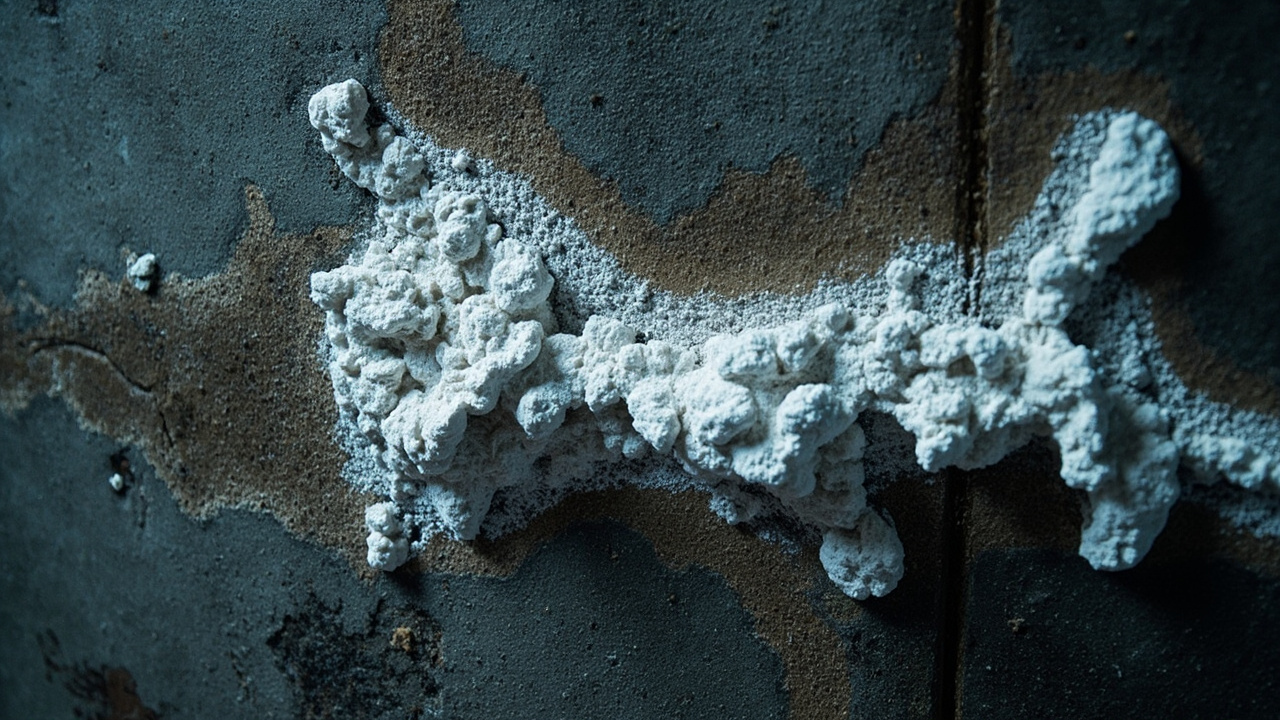
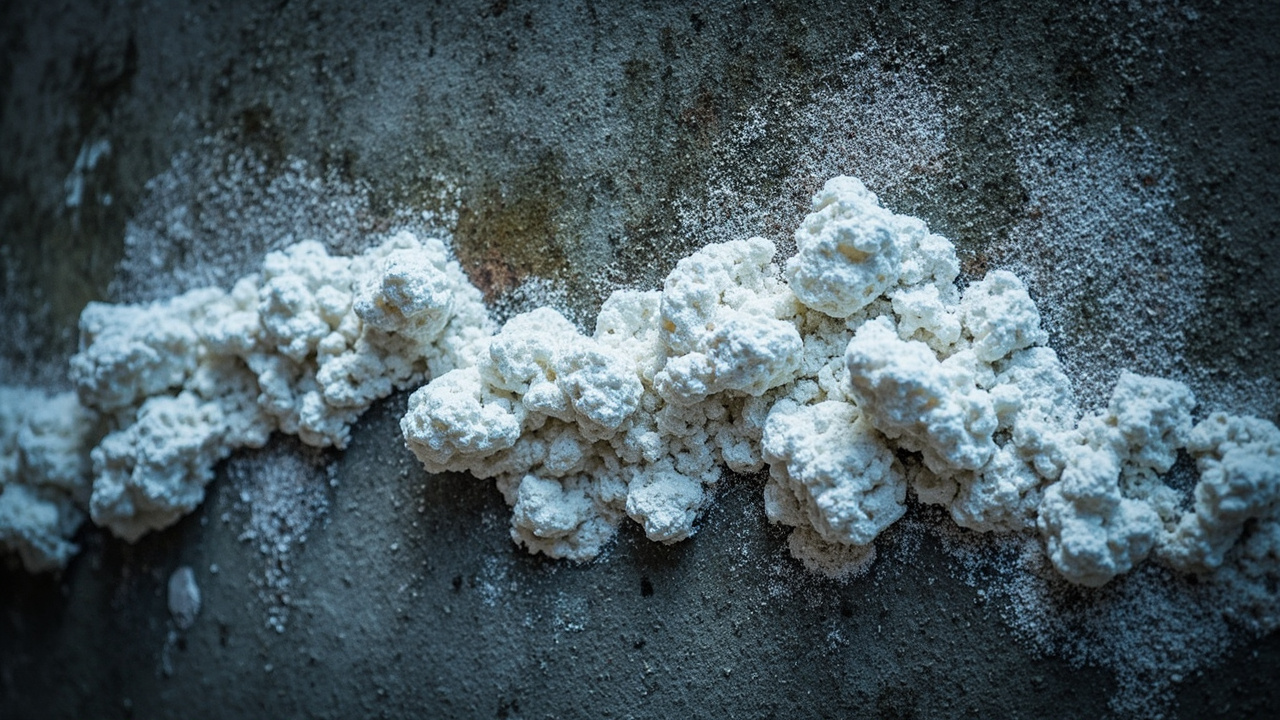
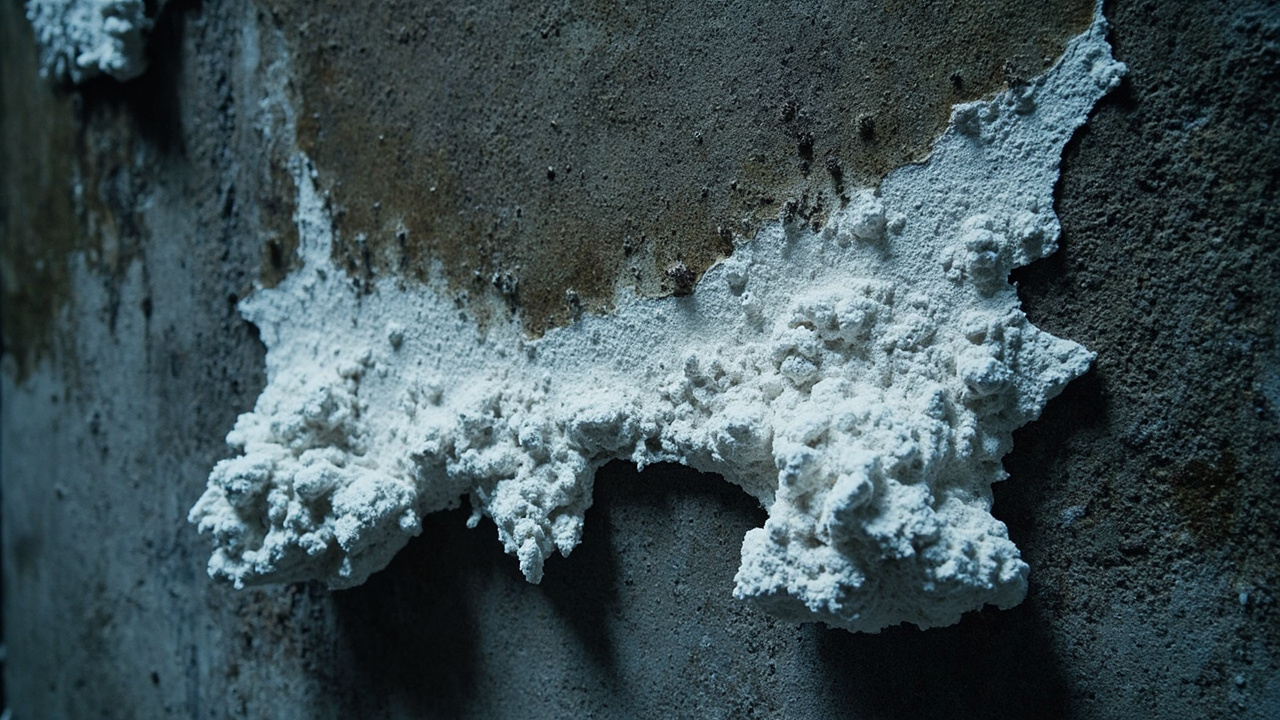
You notice white powder on concrete surfaces in your basement, garage, or foundation walls. You scrub it away, and it returns within weeks. This white residue on concrete is efflorescence, and it signals a moisture problem underneath.

Seattle's persistent rainfall and high water table create perfect conditions for efflorescence. When water infiltrates concrete through cracks, porous surfaces, or faulty drainage, it dissolves mineral salts embedded in the concrete or surrounding soil. As the water evaporates through the surface, it leaves behind these mineral salts on concrete as crystalline deposits.

The appearance of these concrete salt deposits tells you water is moving through your foundation. This movement can indicate hydrostatic pressure buildup, failed waterproofing membranes, or compromised drainage systems. In neighborhoods near Puget Sound or along hillside properties in Queen Anne and Capitol Hill, groundwater infiltration drives this phenomenon.

Efflorescence itself does not damage concrete. The moisture causing it does. Repeated wet-dry cycles weaken concrete structure, promote spalling, and create pathways for more water intrusion. If you see efflorescence, you are looking at the symptom. The real problem is active moisture migration that will worsen without intervention.

Many property owners mistake efflorescence for mold or structural failure. Understanding what you are seeing helps you address the root cause before it escalates into foundation cracks, wood rot in adjacent framing, or basement flooding during Seattle's heavy winter rains.

Why White Powder Keeps Appearing on Your Seattle Concrete
How We Stop Efflorescence by Eliminating the Moisture Source

How We Stop Efflorescence by Eliminating the Moisture Source

Removing efflorescence without fixing the moisture intrusion is pointless. The deposits will return. We diagnose why water is moving through your concrete and eliminate that pathway.

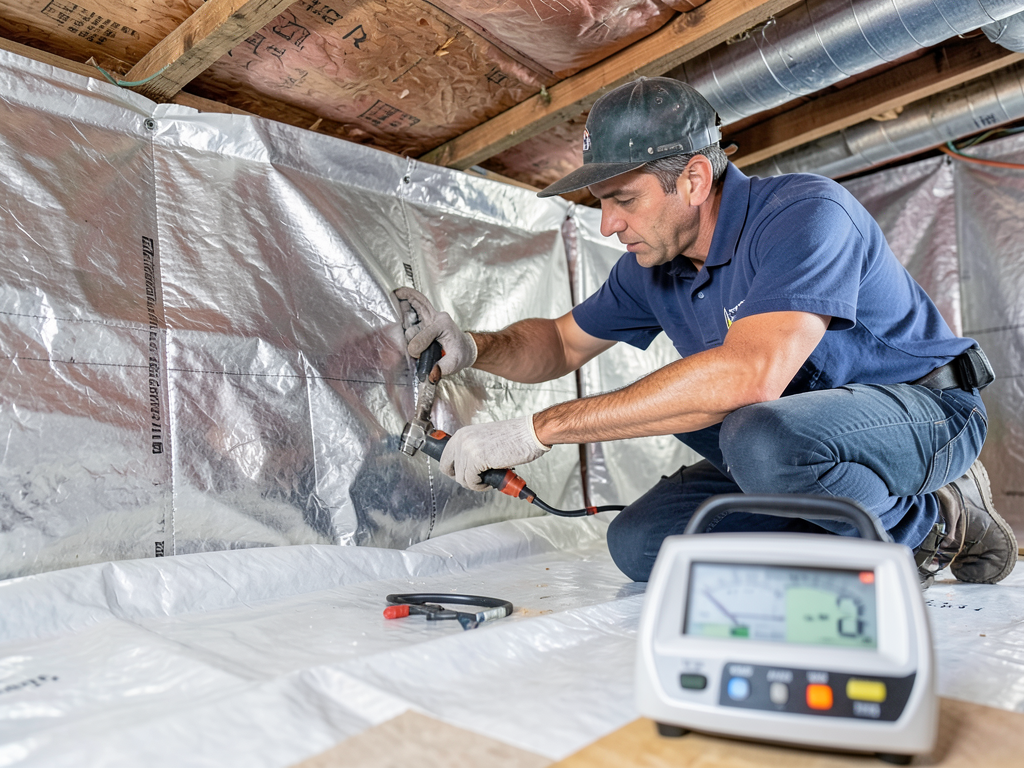
We start with a moisture assessment using thermal imaging and moisture meters to map water infiltration patterns. This reveals whether the problem originates from exterior groundwater, interior humidity condensation, or plumbing leaks. We inspect foundation walls, floor slabs, and perimeter drainage to identify entry points.

Once we locate the moisture source, we address it directly. For exterior groundwater issues, we evaluate grading, downspout placement, and soil saturation around the foundation. Poor slope grading is common in Seattle's older neighborhoods where properties were built before modern drainage codes. We coordinate with drainage contractors when necessary to redirect water away from the foundation.

For interior moisture problems, we assess basement ventilation, dehumidification needs, and vapor barrier integrity. In crawl spaces, we inspect for standing water, failed encapsulation, or inadequate ventilation that allows humidity to condense on concrete surfaces.

We remove existing efflorescence using appropriate cleaning methods that do not damage concrete. Acidic cleaners can etch surfaces if misapplied. We use pH-balanced solutions and mechanical brushing to clear deposits without compromising the substrate.

After cleaning, we apply penetrating sealers or waterproofing coatings designed for your specific moisture scenario. These products block water movement while allowing vapor transmission, preventing future salt migration. We do not use generic sealers that trap moisture and cause spalling. Every product choice is matched to the diagnosed moisture dynamic and concrete porosity.

Our Efflorescence Remediation Process

Efflorescence on Concrete in Seattle – Expert Diagnosis and Permanent Solutions for White Salt Deposits
01

Moisture Source Identification

We use thermal imaging cameras and moisture meters to trace water movement through your concrete. This diagnostic phase identifies whether groundwater, condensation, or plumbing leaks are driving the efflorescence. We inspect exterior grading, interior humidity levels, and drainage systems to pinpoint the exact moisture pathway before any remediation begins.
02

Targeted Moisture Mitigation

We eliminate the identified moisture source through exterior drainage correction, interior dehumidification, or plumbing repairs. For groundwater intrusion, we address grading issues and coordinate with drainage specialists. For interior humidity problems, we install vapor barriers or improve ventilation. This step stops water from reaching the concrete, preventing future salt deposits from forming.
03

Surface Treatment and Protection

After the moisture source is controlled, we clean existing efflorescence using pH-balanced solutions and apply penetrating sealers matched to your concrete type and moisture conditions. These sealers block further water intrusion while allowing necessary vapor transmission. We provide documentation of the work completed and guidance on maintaining a dry foundation environment moving forward.

Why Seattle Property Owners Trust Our Foundation Moisture Expertise

Seattle's climate demands expertise in moisture management. Annual rainfall exceeding 35 inches, combined with clay and glacial till soils that retain water, creates persistent hydrostatic pressure against foundations. Generic approaches fail because they do not account for these local conditions.

We understand how Seattle's topography influences drainage patterns. Properties in Ballard, Georgetown, and South Park face unique challenges due to low elevation and proximity to water. Hillside homes in West Seattle and Magnolia deal with slope drainage and runoff concentration. We tailor solutions to your specific geography.

Our familiarity with local construction methods matters. Many Seattle homes were built between 1900 and 1950 with unreinforced concrete foundations and minimal waterproofing. These older structures require different treatment than modern poured foundations with integrated drainage systems. We recognize these differences and adjust our remediation approach accordingly.

We work within Seattle building codes when repairs require permits. Our understanding of local inspection requirements prevents delays and ensures compliance. When foundation work intersects with structural modifications, we coordinate with engineers familiar with Seattle soil reports and seismic requirements.

Efflorescence often appears alongside other moisture-related problems like wood rot in rim joists, mold growth on drywall, or musty odors. Our comprehensive water damage background allows us to identify related issues during inspection. You get a complete picture of your moisture problem, not just surface treatment.

We respond quickly because we know Seattle's rain patterns. Fall and winter storms can turn minor seepage into major flooding. Early intervention during dry summer months gives us time to implement proper fixes before seasonal rains test your foundation again.

What to Expect When You Contact Us About Efflorescence

Rapid Response and Scheduling

We schedule inspections within 48 hours of your call. During Seattle's wet season, we prioritize properties showing active water intrusion. Our diagnostic appointments take 60 to 90 minutes and include thermal imaging, moisture readings, and exterior drainage evaluation. You receive a written assessment explaining the moisture source, required repairs, and timeline. We answer questions about the process and provide transparent scope details before any work begins.

Thorough Moisture Assessment

Our inspection covers all potential moisture entry points. We evaluate foundation cracks, cold joint separation, floor-wall junctions, and areas where utilities penetrate concrete. Exterior assessment includes grading slope, downspout discharge points, window well drainage, and soil saturation levels. Interior evaluation checks humidity levels, ventilation adequacy, and signs of chronic moisture like rust staining or mineral buildup. This comprehensive approach prevents missed sources that cause recurring problems.

Complete Remediation Results

You get a dry foundation and eliminated efflorescence. Our moisture mitigation work stops water movement permanently when maintained properly. Sealed concrete resists future salt deposits and water penetration. We provide documentation of moisture readings before and after treatment, showing measurable improvement. Properties with proper drainage and waterproofing remain dry through Seattle's wettest months. You will notice improved air quality if the moisture was contributing to musty odors or mold growth.

Ongoing Monitoring Guidance

We provide maintenance recommendations specific to your foundation type and moisture source. This includes guidance on gutter cleaning frequency, grading inspection after heavy rains, and dehumidifier settings for basement spaces. We offer follow-up moisture testing to verify the solution is holding during seasonal weather changes. If you notice any recurrence of white deposits, we return to assess whether new moisture pathways have developed or if additional sealing is needed.

Frequently Asked Questions

You Have Questions,
We Have Answers

Is efflorescence on concrete a problem? +

Efflorescence is a cosmetic issue in most cases, but it signals water movement through your concrete. In Seattle's wet climate, persistent efflorescence points to moisture infiltration problems. The white crusty deposits are salts carried to the surface by water. While the salt itself does not damage concrete, the water causing it can lead to freeze-thaw cycles, cracking, or foundation settling. If you see efflorescence on basement walls or crawlspace floors, inspect for active leaks or poor drainage. Address the water source first to prevent structural damage down the road.

How to fix efflorescence in concrete? +

Remove efflorescence by dry brushing with a stiff bristle brush. For stubborn deposits, scrub the surface with a diluted vinegar solution or a commercial efflorescence cleaner designed for masonry. Rinse thoroughly after cleaning. In Seattle, do this during dry months to ensure the concrete dries completely. Fixing efflorescence requires stopping water infiltration. Seal cracks, improve grading around your foundation, repair gutters, and install proper drainage systems. Without fixing the moisture source, efflorescence returns. If the problem persists or spreads, consult a water damage professional to assess hidden leaks or groundwater issues.

Can you seal concrete over efflorescence? +

No. Sealing over efflorescence traps salts and moisture beneath the surface, which leads to seal failure and spalling. The trapped water pressure can pop the sealer off or cause concrete flaking. Always remove all visible efflorescence and let the concrete dry completely before applying any sealant. In Seattle's damp climate, this may take weeks. Fix the water source causing the efflorescence first. Once dry and clean, use a breathable penetrating sealer that allows moisture vapor to escape. Film-forming sealers often fail when moisture is present, especially in basements and crawlspaces.

Should efflorescence be removed? +

Yes. Remove efflorescence to assess the concrete condition beneath and prepare surfaces for repairs or sealing. The salts can interfere with adhesion of paints, coatings, and patching compounds. Efflorescence also signals active water movement, so removing it lets you monitor if moisture problems persist. In Seattle, where foundation moisture is common due to rain and high groundwater tables, removing efflorescence helps you track whether your drainage fixes are working. If it returns within weeks, the underlying water problem remains unresolved. Removal is quick and inexpensive compared to ignoring the moisture source.

How do professionals remove efflorescence? +

Professionals start with dry brushing or wire brushing to remove loose salt deposits. For heavy buildup, they use low-pressure washing or chemical cleaners with diluted acids like muriatic acid, applied carefully to avoid etching the concrete. After cleaning, they inspect for cracks, spalling, or moisture sources. In Seattle, pros often pair efflorescence removal with foundation waterproofing, drainage correction, or crack injection. They test moisture levels using meters to confirm the concrete is dry before sealing. If efflorescence is widespread, they investigate hidden plumbing leaks, poor grading, or failed sump pumps to stop recurrence.

What is the 20/30/40 rule in concrete? +

The 20/30/40 rule is a guideline for concrete mix proportions by volume: 20 percent cement, 30 percent sand, and 40 percent aggregate (gravel). This produces durable, workable concrete for most residential applications. The remaining 10 percent is water. In Seattle, where moisture exposure is high, proper mix ratios prevent permeability issues that contribute to efflorescence. Too much water weakens concrete and creates pathways for salt migration. Contractors adjust mix designs for local freeze-thaw conditions and drainage concerns. Proper curing after placement also reduces surface porosity and efflorescence risk over time.

Does efflorescence indicate water damage? +

Yes. Efflorescence confirms that water has moved through your concrete, bringing dissolved salts to the surface. In Seattle, this often results from groundwater pressure, poor exterior drainage, or foundation cracks allowing rainwater infiltration. While efflorescence itself does not mean severe damage, it is an early warning sign. Prolonged moisture exposure leads to mold growth, wood rot in adjacent framing, and concrete spalling. If you see efflorescence in basements or crawlspaces, check for damp insulation, musty odors, or standing water. Address the moisture source immediately to prevent costly structural and health issues.

How do I stop efflorescence from coming back? +

Stop efflorescence by eliminating the moisture source. Improve exterior grading to slope away from your foundation. Clean and extend downspouts at least six feet from the house. Seal foundation cracks with epoxy or polyurethane injection. Install or repair perimeter drains and sump pumps. In Seattle, where annual rainfall exceeds 35 inches, vapor barriers in crawlspaces and interior drainage systems are often necessary. Apply a breathable penetrating sealer after the concrete dries completely. Monitor for recurrence. If efflorescence returns, hidden plumbing leaks or high groundwater may require professional waterproofing or underpinning solutions.

Should I buy a house with efflorescence? +

Efflorescence alone is not a deal breaker, but it requires investigation before buying. In Seattle, many older homes show efflorescence due to high rainfall and aging drainage systems. Hire a structural engineer or water damage specialist to inspect the foundation, crawlspace, and basement. Look for active moisture, mold, wood rot, or cracks. Ask for repair estimates. Minor efflorescence with good drainage is manageable. Widespread deposits with structural cracks, settling, or musty odors signal expensive repairs. Use inspection findings to negotiate price reductions or request seller repairs before closing. Do not ignore it.

Does Drylok stop efflorescence? +

Drylok and similar masonry waterproofers do not stop efflorescence. They are film-forming coatings that block water on the surface but trap moisture and salts beneath. This causes the coating to peel or blister. Drylok works for minor dampness in dry climates, but in Seattle's wet environment, it often fails on foundations with active water pressure. Efflorescence indicates moisture is already moving through the concrete. Fix the water source first with exterior drainage, crack sealing, and waterproofing membranes. Use breathable sealers that allow vapor transmission. Drylok applied over efflorescence will fail within months.

How Seattle's Rainfall and Soil Conditions Drive Concrete Efflorescence

Seattle receives an average of 150 rainy days per year, creating constant hydrostatic pressure against foundation walls. The region's glacial till and clay soils have low permeability, meaning water saturates the ground rather than draining away quickly. This saturation forces water through concrete pores, carrying dissolved salts to the surface. Homes in low-lying areas near the Duwamish River or Green Lake experience higher groundwater levels that intensify this effect. Properties built on fill soil face additional challenges because inconsistent compaction creates water pockets that migrate toward foundations during wet periods.

Seattle building codes have evolved significantly regarding foundation waterproofing and drainage. Older homes lack the drainage systems and vapor barriers standard in modern construction. Our team understands these historical building practices and adapts remediation strategies accordingly. We recognize that a 1920s Craftsman in Wallingford requires different treatment than a 1990s construction in Redmond. This local knowledge prevents inappropriate fixes that waste money and fail during the next rainy season. Trust matters when protecting your largest investment from moisture damage.


Water Damage Restoration Services in The Seattle Area

Evergreen proudly serves Seattle and its surrounding communities with professional water damage restoration you can count on. Whether you’re downtown, in the suburbs, or nearby, our responsive team is just a call away. View our service area on the map to see if we’re available in your neighborhood. We’re committed to helping local homeowners and businesses recover fast—so if you need help, we’ll come to you. Use the map below to locate our base or service radius and reach out anytime.

Address:
Evergreen Water Damage Restoration Seattle, 600 Stewart St, Seattle, WA, 98101

Additional Services We Offer

Our news updates

Latest Articles & News from The Blogs

Emergency Mold Remediation for Busy Families in the Hillman City Neighborhood Mold can spread through a Hillman City home in…

Emergency Mold Remediation for Busy Families in the Hillman City Neighborhood

Emergency Mold Remediation for Busy Families in the Hillman City Neighborhood Mold can spread through a Hillman City home in…

What to Do When a Skylight Leak Ruins the Ceiling in Your Washington Park Home

What to Do When a Skylight Leak Ruins the Ceiling in Your Washington Park Home A skylight leak in your…

Professional Sewage Cleanup for Matthews Beach Homes Near the Lake

Professional Sewage Cleanup for Matthews Beach Homes Near the Lake Matthews Beach homes near Lake Washington face unique sewage backup…

Contact Us

Stop watching efflorescence return every few months. Call Evergreen Water Damage Restoration Seattle at (564) 220-5525 for a complete moisture assessment. We identify the source, explain the fix, and eliminate the problem permanently.