
menu

Swollen Baseboards & Trim in Seattle – Expert Diagnosis & Permanent Fixes for Water-Damaged Millwork

Seattle homeowners trust our certified technicians to identify hidden moisture sources, prevent mold growth, and restore swollen baseboards with solutions that address the root cause, not just the symptoms.

Slider Image 1
Slider Image 2
Slider Image 3
Slider Image 4
Slider Image 5
Slider Image 7
Slider Image 8
Slider Image 9
Slider Image 10
Slider Image 11

Why Seattle's Climate Turns Your Baseboards Into Swollen, Warped Eyesores

You walk past that section of wall every day. The baseboard looks bloated, paint is cracking, and the trim doesn't sit flush anymore. You touch it and the surface feels spongy. This is not cosmetic wear. You are looking at moisture swollen baseboards that signal a hidden water problem.

Seattle's persistent rainfall and high humidity create perfect conditions for water damaged baseboards. When exterior moisture penetrates siding or foundation walls, it migrates inward. Interior plumbing leaks from bathroom fixtures or kitchen supply lines travel down wall cavities and pool at the base. MDF trim and composite baseboards absorb water like a sponge. Wood expands. Paint bubbles. The warped baseboard molding you see is the visible symptom of a moisture intrusion that may already be feeding mold colonies inside your walls.

The Pacific Northwest climate keeps homes damp for months at a time. Poor grading around older Seattle homes causes rainwater to sit against foundations. Crawl spaces with inadequate vapor barriers allow ground moisture to wick upward into floor joists and wall framing. Window condensation drips onto sills and runs down to the baseboard. All of these local factors contribute to expanded MDF trim and bloated wood trim that homeowners assume is just age.

You cannot paint over this problem. The swelling indicates active moisture. If you ignore it, you will face structural rot, mold remediation costs, and complete wall reconstruction. The fix starts with finding the water source.

Why Seattle's Climate Turns Your Baseboards Into Swollen, Warped Eyesores
How We Stop the Moisture and Restore Your Millwork

How We Stop the Moisture and Restore Your Millwork

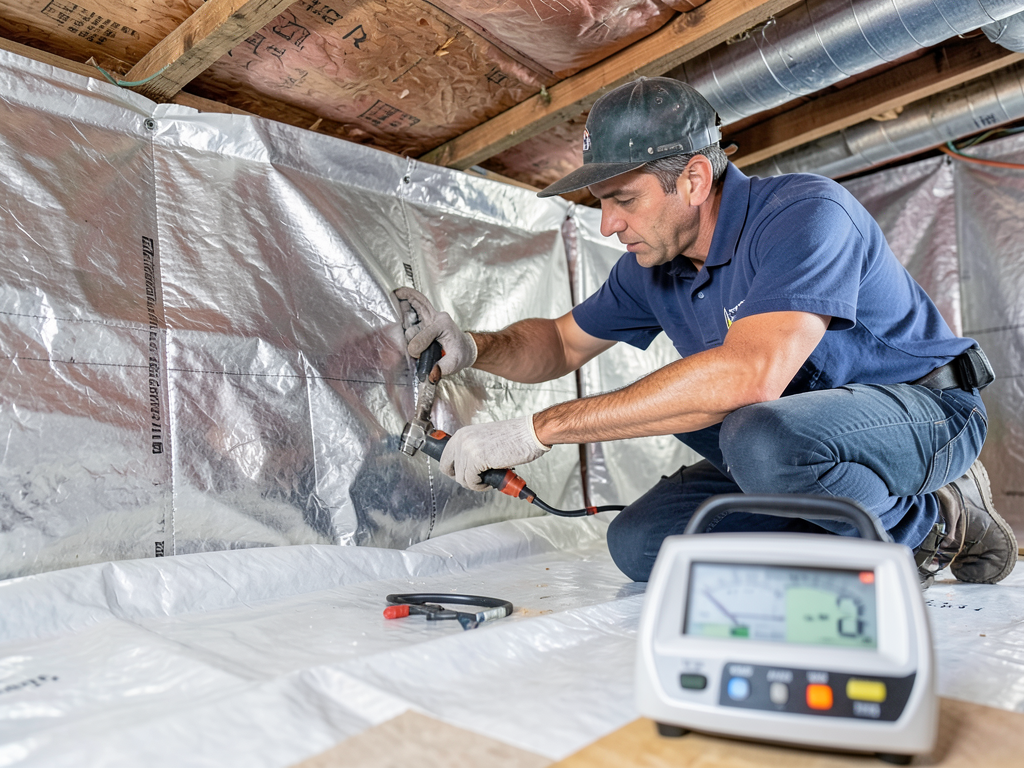
We do not rip out baseboards and slap on replacements. That approach ignores the moisture intrusion that caused the swelling in the first place. Our technicians use thermal imaging cameras to map temperature differentials behind walls. Cold spots indicate evaporative cooling from hidden moisture. We measure relative humidity in wall cavities with penetrating moisture meters that read deep into framing lumber, not just surface readings.

Once we locate the source, we address it. If a supply line is leaking, we mark it for repair before any drying begins. If exterior grading is funneling water against the foundation, we document it and recommend drainage correction. If a window lacks proper flashing and is allowing wind-driven rain to penetrate the wall assembly, we identify the failed envelope detail.

We remove affected baseboards carefully to preserve any salvageable material. MDF and particle board composites are total losses once they expand. Solid wood baseboards can sometimes be dried, planed, and reinstalled if caught early. We extract standing water with truck-mounted pumps, then deploy commercial dehumidifiers and air movers to bring wall cavity moisture content below 15 percent. We verify dryness with follow-up meter readings before any reconstruction begins.

We apply antimicrobial treatments to framing that shows early staining. We replace rotted sill plates and studs as needed. We install new baseboards using moisture-resistant materials appropriate for Seattle's climate. We prime all six sides of trim before installation to create a vapor barrier. This is the correct sequence. Anything less invites recurrence.

What Happens When You Call About Swollen Trim

Swollen Baseboards & Trim in Seattle – Expert Diagnosis & Permanent Fixes for Water-Damaged Millwork
01

Moisture Source Identification

Our technician arrives with thermal imaging and moisture detection equipment. We scan walls, floors, and ceilings to map the moisture intrusion pattern. We check plumbing fixtures, window perimeters, and exterior wall assemblies. You get a written assessment identifying the water source, the extent of material damage, and the recommended scope of work before any demolition begins.
02

Controlled Drying and Remediation

We remove water-damaged baseboards and trim, then extract moisture from wall cavities using industrial dehumidifiers and focused air movement. We monitor drying progress with daily moisture readings. We treat exposed framing with antimicrobial solutions to prevent mold colonization. We replace any rotted structural components and verify that all materials reach acceptable moisture content before moving to reconstruction.
03

Millwork Replacement and Sealing

We install new baseboards and trim using moisture-resistant materials suited to Seattle's humidity. All millwork is pre-primed on all surfaces to prevent future moisture absorption. We caulk gaps between trim and drywall with paintable sealant. We apply finish paint that matches your existing interior. You receive documentation of all moisture readings and a summary of the repairs completed.

Why Seattle Homeowners Choose Evergreen Water Damage Restoration Seattle

You need someone who understands how water moves through Seattle-era construction. Homes built before updated building codes often lack continuous vapor barriers. Crawl spaces in older neighborhoods sit directly on damp soil. Window installations from the 1980s and 1990s frequently lack proper flashing and rely on caulk that has long since failed. We have worked in every Seattle neighborhood and we recognize these patterns immediately.

We carry the equipment to do this work correctly. Thermal imaging cameras cost thousands of dollars. Penetrating moisture meters require calibration and interpretation skill. Our dehumidifiers pull 150 pints per day and our air movers create the laminar airflow needed to dry wall cavities without spreading contamination. Homeowners who try to dry out swollen baseboards with box fans and open windows just prolong the damage timeline.

We coordinate with your insurance adjuster when a covered peril is involved. We provide the documentation required to support your claim. We understand Washington State building codes and the International Residential Code requirements for moisture management in wall assemblies. We know which materials perform in Seattle's climate and which ones will fail again in three years.

You get straight answers about whether your baseboards can be saved or need replacement. We do not upsell unnecessary demolition, and we do not minimize structural damage to make a job seem cheaper. We tell you what we found, what it will take to fix it, and how to prevent it from happening again. That approach has kept us busy in Seattle for years.

What to Expect When We Fix Your Water-Damaged Trim

Response Time and Availability

We answer calls seven days a week and can schedule an assessment within 24 to 48 hours for non-emergency situations. If you have active water intrusion or visible mold growth, we prioritize your call and can often arrive the same day. Our technicians carry diagnostic equipment in their vehicles so initial moisture mapping happens during the first visit. You get a written scope of work within 24 hours of the assessment. Drying typically takes three to five days depending on the extent of saturation. Reconstruction and trim replacement follow immediately after verified dryness.

Assessment and Diagnosis Process

Our technician will ask about the history of the problem. When did you first notice the swelling? Have you had any plumbing work done recently? Do you smell musty odors? We inspect the affected area and surrounding spaces. We use thermal imaging to detect temperature anomalies that indicate hidden moisture. We take moisture readings in the baseboard, drywall, and framing. We check for mold growth on the back side of trim and on wall framing. You get photos, moisture content percentages, and a clear explanation of what we found. We identify the water source and explain how it reached your baseboards.

Final Results and Quality

Your baseboards will sit flush against the wall with clean caulk lines and smooth paint finish. All materials will be dry and stable. You will not smell mold or mildew. We verify final moisture content in all building materials before we consider the job complete. We match existing trim profiles and paint colors so the repair blends seamlessly with the rest of your room. We leave the workspace clean and remove all demolition debris. You receive a completion report with before-and-after photos and documentation of all moisture readings showing that materials are dry and safe.

Follow-Up and Prevention Guidance

We provide written recommendations for preventing future moisture problems. This might include improving exterior grading, repairing window flashing, upgrading crawl space vapor barriers, or installing gutter extensions. We explain which maintenance tasks you can handle and which require a contractor. We follow up two weeks after completion to check that you have had no recurrence of moisture or odor. If you notice any issues, we return to inspect at no charge. We keep your file on record so if you call about a different area of your home in the future, we have the history of your property and previous moisture events.

Frequently Asked Questions

You Have Questions,
We Have Answers

How to fix a swollen baseboard? +

First, identify and stop the water source causing the swelling. Remove the damaged baseboard section carefully with a pry bar. Let the wall dry completely for 48-72 hours. In Seattle's humid climate, use fans and dehumidifiers to speed drying. Inspect the wall cavity for hidden moisture or mold growth. If the studs show water staining, you need professional water damage assessment. Replace the baseboard with primed material rated for moisture resistance. Paint or stain to match existing trim. If swelling persists or returns, you have an ongoing leak that requires immediate professional attention.

What is the 7 rule for baseboards? +

The 7 rule refers to optimal baseboard proportions. For every 100 square feet of floor space, use 7 inches of baseboard height. In rooms with 8-foot ceilings, install 5 to 7-inch baseboards. Rooms with 9-foot ceilings take 7 to 8-inch baseboards. Taller ceilings need proportionally taller trim. This rule creates visual balance between floor, wall, and ceiling. Many Seattle historic homes use taller baseboards, sometimes reaching 10 inches in Craftsman-style houses. The rule helps maintain architectural proportion when you replace water-damaged trim.

Why do baseboards swell? +

Baseboards swell when wood fibers absorb moisture and expand. Common causes include plumbing leaks behind walls, roof leaks traveling down wall cavities, condensation from poor insulation, and foundation water intrusion. Seattle's wet climate and seasonal rain make baseboards vulnerable to chronic moisture exposure. High indoor humidity above 60 percent causes swelling over time. Poorly sealed crawl spaces allow ground moisture to wick up through walls. Failed caulking around bathtubs and showers lets water seep behind trim. MDF baseboards swell faster than solid wood because they absorb water like a sponge.

How to tell if baseboard has water damage? +

Look for visible swelling where the baseboard bulges away from the wall. Check for soft spots by pressing firmly along the length. Water-damaged baseboards feel spongy rather than solid. Inspect for discoloration, dark staining, or waterlines. Peel back paint to check for bubbling or flaking. Smell for musty odors indicating mold growth behind the trim. Run your hand along the bottom edge to feel for warping. Use a moisture meter to measure readings above 15 percent. In Seattle homes, check baseboards near exterior walls, bathrooms, and crawl space areas first.

What is the average cost to replace baseboards? +

Baseboard replacement in Seattle runs between 4 and 10 dollars per linear foot for materials and labor combined. Simple MDF baseboards cost less. Solid wood or custom profiles cost more. Total project costs depend on room size, material choice, and whether you need wall repair. A typical 12-by-12 room requires roughly 48 linear feet of baseboard. Add costs for removal, disposal, and painting. Water damage often requires additional wall drying, mold remediation, or leak repair. Get multiple quotes from local contractors who understand Seattle moisture issues and building codes.

How to shrink swollen wood? +

You cannot reliably shrink swollen wood back to original dimensions. Once wood fibers expand and distort, they rarely return to exact shape. Remove the swollen wood and let it dry completely in a warm, dry space for several weeks. Some minor shrinkage may occur, but gaps, warping, and surface damage remain. The wood grain structure changes permanently. Sanding removes surface roughness but does not fix dimensional changes. For baseboards and trim, replacement is the only professional solution. Trying to reinstall dried, previously swollen wood results in poor fit and recurring problems.

What is the new trend for baseboards? +

Thicker, taller baseboards continue gaining popularity in 2025. Many Seattle homeowners choose 6 to 8-inch profiles to complement modern farmhouse and transitional styles. Two-piece baseboards with cap molding add depth and shadow lines. Dark-painted trim creates contrast against lighter walls. White baseboards remain classic. Some designers skip baseboards entirely for minimalist aesthetics, though this increases wall damage risk. Moisture-resistant materials like PVC or polymer trim gain traction in Seattle due to our wet climate. These materials resist swelling and eliminate rot concerns near bathrooms, kitchens, and exterior walls.

What are common baseboard installation mistakes? +

Common mistakes include failing to acclimate wood to indoor humidity before installation. Installers skip caulking gaps between baseboard and wall, letting moisture penetrate. Nailing too high leaves the bottom edge loose and vulnerable to kicking. Using the wrong fastener length causes splitting or fails to secure trim properly. Not sealing cut ends allows water absorption. Installing baseboards before painting traps moisture and complicates finish work. In Seattle homes, skipping vapor barriers or moisture-resistant materials near concrete slabs guarantees swelling problems. Never install baseboards against damp walls without addressing the moisture source first.

What is the trim trend for 2025? +

Minimalist trim dominates 2025 design trends. Clean-lined baseboards without ornate profiles suit modern and contemporary homes. Flat-stock baseboards, sometimes called Shaker style, offer simplicity and easier cleaning. Matching trim and wall colors create seamless transitions. Some homeowners choose floor-to-ceiling wall treatments eliminating baseboards entirely. However, practical Seattle homeowners recognize that trim protects walls from moisture and damage. Durable, moisture-resistant materials in simple profiles balance aesthetics and function. Dark-painted trim adds drama. Mixed-width installations using narrow baseboards with wider door casings create visual interest without traditional complexity.

Will a swollen wood floor go back to normal? +

Swollen wood floors rarely return to normal without intervention. Once floorboards absorb water and expand, they push against each other causing cupping, crowning, or buckling. Minor surface moisture may dry out if you address the source quickly. Deep saturation causes permanent damage. Hardwood floors need professional drying, sanding, and refinishing after water exposure. Engineered flooring and laminate do not recover from swelling. In Seattle's climate, quick response matters. Water damage requires extraction, dehumidification, and monitoring moisture levels for weeks. Waiting causes mold growth, subfloor damage, and eventual floor replacement.

How Seattle's Nine-Month Rain Season Makes Baseboard Swelling a Chronic Problem

Seattle averages 150 days of measurable rainfall per year. From October through May, your home is under constant moisture assault. Wind-driven rain hits west-facing walls. Saturated soil around foundations creates hydrostatic pressure that forces groundwater through foundation cracks. Crawl spaces stay damp and humid. Interior relative humidity climbs above 60 percent for weeks at a time. This persistent dampness prevents building materials from ever fully drying out. Baseboards absorb moisture incrementally over months until the swelling becomes visible. By the time you notice warped baseboard molding, the moisture intrusion has been occurring for a long time. Seattle's climate does not give your home a break.

Evergreen Water Damage Restoration Seattle works with homeowners throughout King County. We understand the moisture challenges specific to Seattle neighborhoods. We know that homes in Queen Anne and Capitol Hill built on hillsides have drainage issues. We know that Ballard and Fremont homes near the Ship Canal deal with high water tables. We know that older homes in Wallingford and Ravenna often lack proper vapor barriers. Our technicians are trained to recognize construction methods common to different eras of Seattle building. We follow IICRC standards for water damage restoration and we stay current with Washington State code requirements for moisture management. When you work with us, you get someone who knows your neighborhood and your home's construction type.


Water Damage Restoration Services in The Seattle Area

Evergreen proudly serves Seattle and its surrounding communities with professional water damage restoration you can count on. Whether you’re downtown, in the suburbs, or nearby, our responsive team is just a call away. View our service area on the map to see if we’re available in your neighborhood. We’re committed to helping local homeowners and businesses recover fast—so if you need help, we’ll come to you. Use the map below to locate our base or service radius and reach out anytime.

Address:
Evergreen Water Damage Restoration Seattle, 600 Stewart St, Seattle, WA, 98101

Additional Services We Offer

Our news updates

Latest Articles & News from The Blogs

How to Handle a Flooded Storage Unit in SODO Without Losing Your Belongings Finding your storage unit under inches of…

How to Handle a Flooded Storage Unit in SODO Without Losing Your Belongings

How to Handle a Flooded Storage Unit in SODO Without Losing Your Belongings Finding your storage unit under inches of…

Why Your Sunset Hill Home Needs Immediate Restoration After a Frozen Outdoor Faucet Bursts

Why Your Sunset Hill Home Needs Immediate Restoration After a Frozen Outdoor Faucet Bursts A frozen outdoor faucet in Sunset…

Restoring Retail Spaces in Southcenter After a Mall Pipe Burst

Restoring Retail Spaces in Southcenter After a Mall Pipe Burst A burst pipe in a retail mall can shut down…

Contact Us

Call Evergreen Water Damage Restoration Seattle at (564) 220-5525 right now. We will schedule an assessment, identify your moisture source, and give you a clear plan to fix it. Do not wait until you need a mold remediation crew and a structural engineer.