
menu

Condensation on Windows & Walls in Seattle – Expert Diagnosis & Permanent Moisture Solutions

We identify the root cause of window sweating and interior moisture buildup, then apply targeted fixes that stop condensation damage before mold takes hold in your Seattle home.

Slider Image 1
Slider Image 2
Slider Image 3
Slider Image 4
Slider Image 5
Slider Image 7
Slider Image 8
Slider Image 9
Slider Image 10
Slider Image 11

Why Seattle Homes Battle Constant Window Sweating and Wall Moisture

You wake up to find your windows streaming with water. By afternoon, damp drywall patches appear near corners or under sills. This is not normal wear. This is condensation, and it happens because Seattle's marine climate creates a brutal moisture trap inside your home.

From October through May, outdoor temperatures drop while indoor heating runs constantly. Warm, humid indoor air meets cold glass surfaces and exterior walls. Physics takes over. Water vapor condenses instantly, pooling on window panes and soaking into drywall, insulation, and framing lumber. Interior glass condensation is just the visible symptom. The real damage is happening inside your walls where you cannot see it.

Weeping window panes and moisture buildup on walls signal that your home has lost its ability to manage vapor pressure. Maybe your crawl space vents are open when they should be sealed. Maybe your bathroom exhaust dumps into the attic instead of outside. Maybe your vapor barrier was never installed correctly during construction. Seattle's older homes in neighborhoods like Ballard, Wallingford, and Queen Anne were built before modern moisture codes. They lack proper vapor retarders, continuous air sealing, and mechanical ventilation systems required to handle our wet climate.

Condensation is not cosmetic. It feeds mold colonies within 48 hours. It rots window frames, degrades insulation R-value, and turns drywall into pulp. If you see water droplets forming on interior surfaces, you have a moisture imbalance that will accelerate structural decay every day you wait.

Why Seattle Homes Battle Constant Window Sweating and Wall Moisture
How We Stop Condensation at the Source, Not Just the Symptom

How We Stop Condensation at the Source, Not Just the Symptom

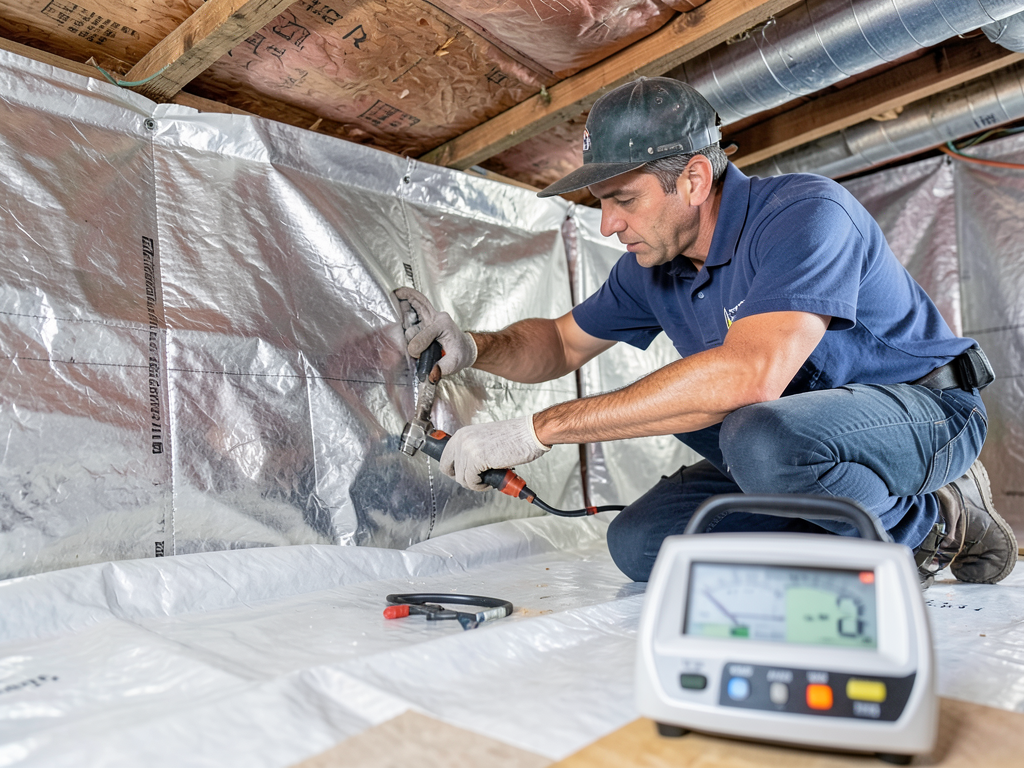
Most contractors wipe down windows and tell you to run a dehumidifier. That does nothing. We treat condensation as a building science problem, not a cleaning issue. Our process starts with a complete hygrothermal assessment using calibrated thermo-hygrometers, thermal imaging cameras, and blower door testing to measure air leakage.

We map your home's vapor profile. We measure relative humidity in each room, identify cold spots where thermal bridging occurs, and trace air pathways where warm, moist air infiltrates wall cavities. We check crawl space conditions, attic ventilation ratios, and whether your HVAC system is properly sized and balanced. Most condensation problems stem from three failures working together: inadequate ventilation, missing or damaged vapor barriers, and thermal bridging through studs or window frames.

Once we identify the failure points, we engineer the fix. If your crawl space is vented, we encapsulate it with a sealed 10-mil polyethylene barrier and condition the air mechanically. If your walls lack a proper vapor retarder, we address it during the moisture remediation phase. If your windows are single-pane aluminum frames, we recommend thermal upgrades because no amount of ventilation will stop condensation on cold metal.

We install energy recovery ventilators when mechanical ventilation is absent. We seal air leaks at rim joists, electrical penetrations, and plumbing chases. We verify that bathroom and kitchen exhaust fans vent to the exterior and meet the minimum 50 CFM requirement for intermittent use. We do not guess. We measure, calculate, and verify using ASHRAE psychrometric charts to confirm your home can manage Seattle's vapor load without forming condensation.

What Happens When We Diagnose Your Condensation Problem

Condensation on Windows & Walls in Seattle – Expert Diagnosis & Permanent Moisture Solutions
01

Moisture Mapping and Testing

We measure indoor humidity levels, surface temperatures, and air leakage rates using diagnostic tools. Thermal imaging reveals where cold spots form on walls and windows. We inspect your crawl space, attic, and mechanical systems to identify vapor sources and ventilation failures. This data tells us exactly why condensation forms in your specific home and which building systems have failed.
02

Root Cause Identification

We analyze the data to pinpoint the source of excess moisture and the thermal weak points where vapor condenses. This might be inadequate exhaust ventilation, missing vapor barriers, thermal bridging through window frames, or an unsealed crawl space. We calculate dew point temperatures for your indoor conditions and compare them against surface temperatures to confirm where condensation will always occur unless corrected.
03

Targeted Repair Plan

We build a remediation plan that addresses each failure point. This includes sealing air leaks, upgrading ventilation systems, encapsulating crawl spaces, and repairing or replacing damaged materials. We verify the solution using post-repair humidity and temperature measurements. You receive documentation showing before and after conditions, so you know the problem is permanently solved, not temporarily masked.

Why Seattle Homeowners Trust Us to Fix Moisture Problems Permanently

Condensation problems require building science expertise, not surface-level repairs. We understand how Seattle's climate interacts with residential construction. We know that homes built before 1985 often lack proper vapor barriers. We know that crawl space vents, once required by code, now cause more moisture problems than they solve. We know that thermal bridging through aluminum window frames will always create condensation unless you upgrade to thermally broken frames or insulated glazing units.

Evergreen Water Damage Restoration Seattle specializes in moisture diagnostics and building envelope performance. We do not just remove water. We identify why water appears and fix the underlying failure. Our team includes certified water damage restoration technicians trained in psychrometrics, vapor diffusion, and moisture control strategies specific to marine climates. We follow ANSI/IICRC S500 standards for water damage restoration and apply building science principles from the Building Science Corporation's best practices for moisture control.

We work in neighborhoods across Seattle, from the older craftsman homes in Capitol Hill to the mid-century ramblers in Shoreline. We understand local building stock and the common moisture failures in each era of construction. When we assess your home, we consider your specific building materials, foundation type, and mechanical systems. We provide solutions that comply with current Seattle building codes and improve your home's durability against our wet climate.

You will not get vague advice about running fans or cracking windows. You get a detailed remediation plan based on measured data, executed by technicians who understand moisture physics, and verified with post-repair testing.

What to Expect When You Call About Condensation Issues

Rapid Response and Scheduling

We schedule diagnostic visits within 48 hours of your call. Condensation problems worsen quickly, especially during Seattle's wet season from October through April. The faster we identify the issue, the less secondary damage you face. Our team arrives with diagnostic equipment ready to measure humidity, temperature, and air leakage. The initial assessment takes two to three hours depending on your home's size and complexity. You receive a verbal summary on-site and a detailed written report within 24 hours.

Comprehensive Moisture Assessment

Our assessment includes thermal imaging, humidity mapping, and blower door testing when necessary. We inspect every potential moisture source, including crawl spaces, attics, bathrooms, and kitchens. We measure surface temperatures on windows and exterior walls to calculate dew point margins. We review your HVAC system to verify it is properly sized and balanced. You get a complete picture of why condensation forms, not just a surface diagnosis. We explain the findings in plain language and show you thermal images and humidity readings.

Permanent Solutions, Not Quick Fixes

We design remediation plans that eliminate condensation by fixing the building failures that cause it. This might involve crawl space encapsulation, installing mechanical ventilation, sealing air leaks, or repairing damaged vapor barriers. We remove water-damaged materials like soaked insulation and mold-contaminated drywall. We rebuild using moisture-resistant materials and proper vapor control layers. The result is a home that manages moisture correctly year-round, not just when you remember to run a dehumidifier.

Post-Repair Verification and Guidance

After remediation, we verify results with follow-up humidity and temperature measurements. You receive documentation showing that your home now operates within safe moisture parameters. We provide guidance on maintaining proper ventilation and humidity levels. If your home requires ongoing mechanical ventilation, we explain how to operate and maintain the systems we install. You also receive recommendations for seasonal moisture management during Seattle's wet months when condensation risk peaks.

Frequently Asked Questions

You Have Questions,
We Have Answers

How to stop condensation on windows and walls? +

Control indoor humidity first. Run exhaust fans in bathrooms and kitchens during use and for 15 minutes after. Open windows periodically to allow air exchange, even in winter. Use a dehumidifier if indoor humidity exceeds 50%. Check weatherstripping on doors and windows for gaps that allow warm, moist air to contact cold surfaces. Ensure dryer vents exhaust outside. In Seattle's damp climate, improve attic and crawl space ventilation to prevent moisture buildup. Install vapor barriers in crawl spaces. Upgrade to double-pane or Low-E windows if you have single-pane glass. Address leaks immediately.

Should I be worried about condensation on windows? +

Light condensation during Seattle's rainy months is normal. Worry if you see persistent pooling, water running down walls, or moisture appearing in unusual spots like interior walls away from windows. These signal excessive indoor humidity or hidden water intrusion. Prolonged condensation leads to mold growth within 48 hours, wood rot, and structural damage. Check for musty odors or discoloration around affected areas. If condensation appears suddenly or worsens, inspect your roof, gutters, and foundation for leaks. Address the moisture source quickly to prevent costly damage.

Should you wipe condensation off windows? +

Wipe it daily to prevent mold and water stains on sills and frames. Use a dry cloth or squeegee each morning. This removes moisture before it seeps into wood trim or drywall below. Wiping is a temporary fix, not a solution. You must address the root cause, which is typically high indoor humidity or poor ventilation. In Seattle homes, condensation often worsens in winter when you heat your home but keep windows closed. If wiping becomes a daily chore, install a dehumidifier or improve air circulation with exhaust fans.

Why am I getting condensation on my walls? +

Wall condensation happens when warm, humid indoor air contacts cold wall surfaces. In Seattle, this occurs most on exterior walls with poor insulation or thermal bridging through studs. Bathrooms without exhaust fans, kitchens, and basements are common problem areas. Check if your walls lack insulation or have gaps in vapor barriers. Water intrusion from roof leaks, failed flashing, or foundation cracks can also create damp walls that mimic condensation. Persistent wall moisture signals a serious issue requiring professional assessment to prevent mold and structural rot.

What to put on walls to stop condensation? +

Do not apply anything directly to walls. Fix the moisture source instead. Improve wall insulation to raise surface temperature above the dew point. Install a continuous vapor barrier on the warm side of the insulation during construction or remodeling. Use mold-resistant drywall in high-moisture rooms. Paint alone will not stop condensation and can trap moisture, worsening the problem. In Seattle's climate, focus on reducing indoor humidity with dehumidifiers and exhaust fans. Seal air leaks around electrical boxes and plumbing penetrations. If condensation persists, consult a building science professional.

Does condensation mean my house is too cold? +

Not necessarily. Condensation forms when indoor humidity is too high, not when your house is too cold. Even a well-heated Seattle home will develop condensation if indoor moisture levels exceed 50% and contact cold surfaces like single-pane windows or poorly insulated walls. Low indoor temperatures can worsen the issue by lowering surface temperatures, but the root cause remains excessive humidity. Check your thermostat and humidity levels. If your home feels cold and has condensation, you may have both inadequate heating and poor ventilation or insulation.

Does condensation on windows mean poor insulation? +

Often, yes. Single-pane windows or poorly insulated frames allow cold outdoor air to chill the interior glass surface. When warm, humid indoor air contacts this cold glass, condensation forms. Double-pane or Low-E windows reduce this by creating a warmer interior surface. In Seattle, older homes with original single-pane windows face this constantly during fall and winter. Condensation between double-pane glass means the seal failed and the window needs replacement. Condensation on the interior side signals high indoor humidity or inadequate window performance for your climate.

What are signs of excessive condensation? +

Watch for water pooling on window sills, moisture streaks on walls, musty odors, visible mold spots, peeling paint, warped wood trim, or damp carpets near exterior walls. In Seattle homes, check basements and crawl spaces for standing water or damp insulation. Foggy windows that never clear signal failed seals. Black or green spots on walls or ceilings indicate active mold growth. If you run a dehumidifier constantly but humidity stays above 60%, you have an excessive moisture problem requiring professional water intrusion assessment.

Will a dehumidifier stop condensation on windows? +

Yes, if high indoor humidity causes the condensation. A dehumidifier removes moisture from the air, lowering the dew point so condensation does not form on cold surfaces. In Seattle, run a dehumidifier during wet months to maintain indoor humidity between 30% and 50%. Place it in the most humid room or use a whole-house unit. This works best with proper ventilation and insulation. If condensation persists despite dehumidifier use, you likely have water intrusion from leaks or inadequate window insulation requiring professional repair.

Does condensation always indicate a problem? +

No. Light condensation on windows during Seattle's cold, rainy mornings is normal if it evaporates quickly. This happens when you cook, shower, or run appliances that generate moisture. The problem arises when condensation persists, pools, or appears on interior walls. Chronic condensation indicates excessive indoor humidity, poor ventilation, or water intrusion that will cause mold and rot. If you notice condensation daily or in multiple locations, investigate immediately. Normal condensation requires no action beyond wiping. Persistent condensation demands you identify and fix the moisture source.

How Seattle's Marine Climate Makes Condensation a Year-Round Threat

Seattle averages 150 days of measurable precipitation each year, with outdoor relative humidity rarely dropping below 70 percent from October through May. When you heat your home during these months, you create a vapor pressure differential that drives moisture toward cold surfaces. Single-pane windows reach surface temperatures below 50 degrees when outdoor temps drop to 40. At typical indoor humidity levels of 40 to 50 percent, condensation forms instantly. Older homes in neighborhoods like Fremont, Greenwood, and Ravenna lack the continuous air barriers and thermal breaks required to prevent this. Your home becomes a condensation factory every time the heat kicks on.

Seattle updated its residential building code in recent years to require better moisture control, but thousands of homes predate these standards. We know which construction eras are most vulnerable and which quick fixes actually make problems worse. Our team understands local code requirements for vapor retarders, ventilation rates, and crawl space conditioning. We work with Seattle homeowners who need solutions that fit their specific building type, not generic advice. When you choose local expertise, you get fixes engineered for our climate, not imported from dry regions where condensation is rare.


Water Damage Restoration Services in The Seattle Area

Evergreen proudly serves Seattle and its surrounding communities with professional water damage restoration you can count on. Whether you’re downtown, in the suburbs, or nearby, our responsive team is just a call away. View our service area on the map to see if we’re available in your neighborhood. We’re committed to helping local homeowners and businesses recover fast—so if you need help, we’ll come to you. Use the map below to locate our base or service radius and reach out anytime.

Address:
Evergreen Water Damage Restoration Seattle, 600 Stewart St, Seattle, WA, 98101

Additional Services We Offer

Our news updates

Latest Articles & News from The Blogs

How to Stop Your Lake Forest Park Deck from Leaking into the Rooms Below If water from your deck seeps…

How to Stop Your Lake Forest Park Deck from Leaking into the Rooms Below

How to Stop Your Lake Forest Park Deck from Leaking into the Rooms Below If water from your deck seeps…

Why Your West Seattle Retaining Wall Could Be the Cause of Your Wet Basement

Why Your West Seattle Retaining Wall Could Be the Cause of Your Wet Basement \n\n West Seattle’s dramatic topography of…

Fixing Moisture Problems in Your Mukilteo Home After a Heavy Fog Season

Fixing Moisture Problems in Your Mukilteo Home After a Heavy Fog Season Living near Puget Sound means dealing with persistent…

Contact Us

Window sweating and wall moisture will not fix themselves. Every day you wait, mold spreads and wood rot accelerates. Call Evergreen Water Damage Restoration Seattle at (564) 220-5525 for a complete moisture assessment and permanent solution.