
menu

Hidden Moisture Detection in Seattle – Stop Water Damage Before It Destroys Your Home

Professional hidden moisture detection uses thermal imaging and moisture meters to find trapped water behind walls, under floors, and in crawl spaces before mold grows or structures rot.

Slider Image 1
Slider Image 2
Slider Image 3
Slider Image 4
Slider Image 5
Slider Image 7
Slider Image 8
Slider Image 9
Slider Image 10
Slider Image 11

Why Hidden Moisture Problems Are So Common in Seattle Homes

You smell something musty in the basement. Your water bill crept up. A wall feels cool to the touch. These are the warning signs most Seattle homeowners ignore until the damage spreads.

Seattle's relentless rain, high humidity, and older housing stock create the perfect conditions for hidden water problems. Water finds its way through aging window seals, gaps in siding, and deteriorating roof flashing. Once inside your walls or under your floors, it sits. It spreads. It rots wood framing and feeds mold colonies you cannot see.

The real danger is not the water you can see. It is the water you cannot. A slow leak behind drywall can run for months before you notice. By then, the damage extends far beyond the original intrusion point. Finding trapped water early is the difference between a small repair and a gut job.

Homes in neighborhoods like Ballard, Queen Anne, and Capitol Hill face specific risks. Many were built before modern vapor barriers and waterproofing standards. Crawl spaces in these homes often lack proper ventilation, trapping moisture from the ground. Spotting hidden water damage requires more than a visual inspection. It requires technology that sees through surfaces.

You need infrared cameras to detect temperature differences. You need pin and pinless moisture meters to measure water content in materials. You need someone who knows where water hides in Seattle homes. Detecting invisible leaks is not guesswork. It is science. And it is the only way to protect your home from water damage you cannot see.

Why Hidden Moisture Problems Are So Common in Seattle Homes
How Professional Moisture Detection Finds Water Others Miss

How Professional Moisture Detection Finds Water Others Miss

We do not show up with a flashlight and take your word for it. We bring diagnostic equipment designed to locate concealed dampness in walls, ceilings, floors, and structural cavities.

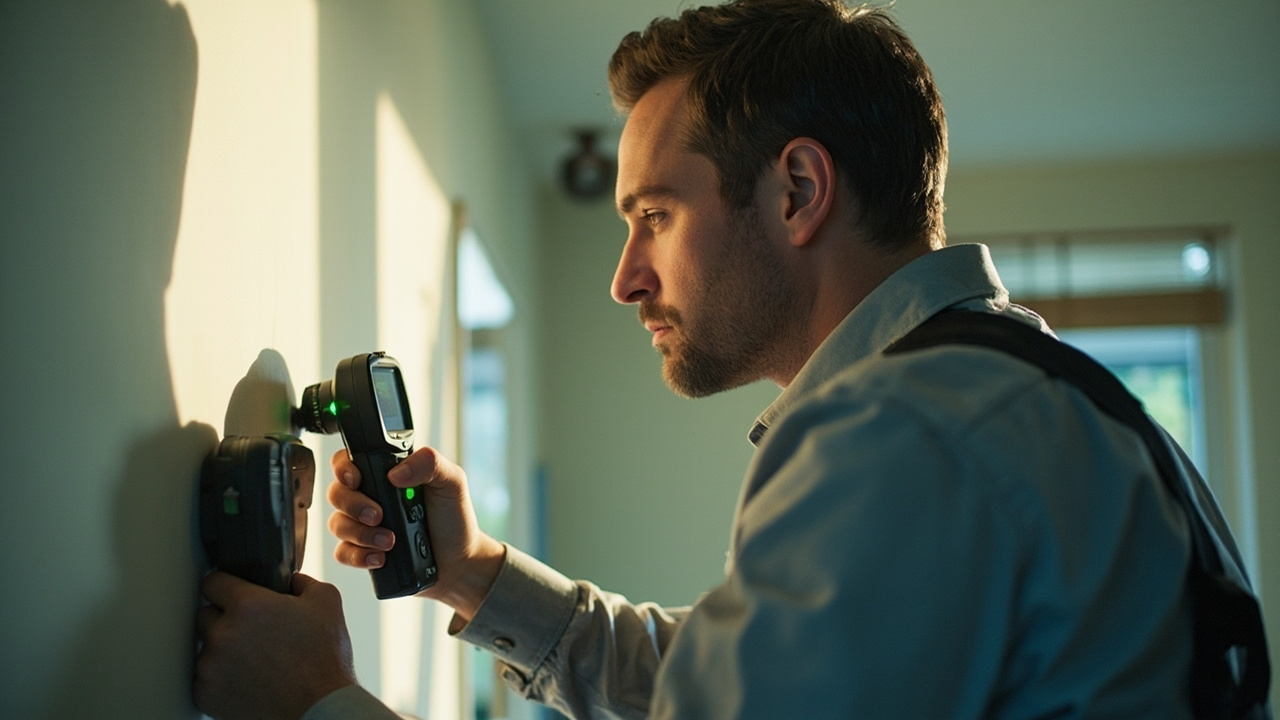
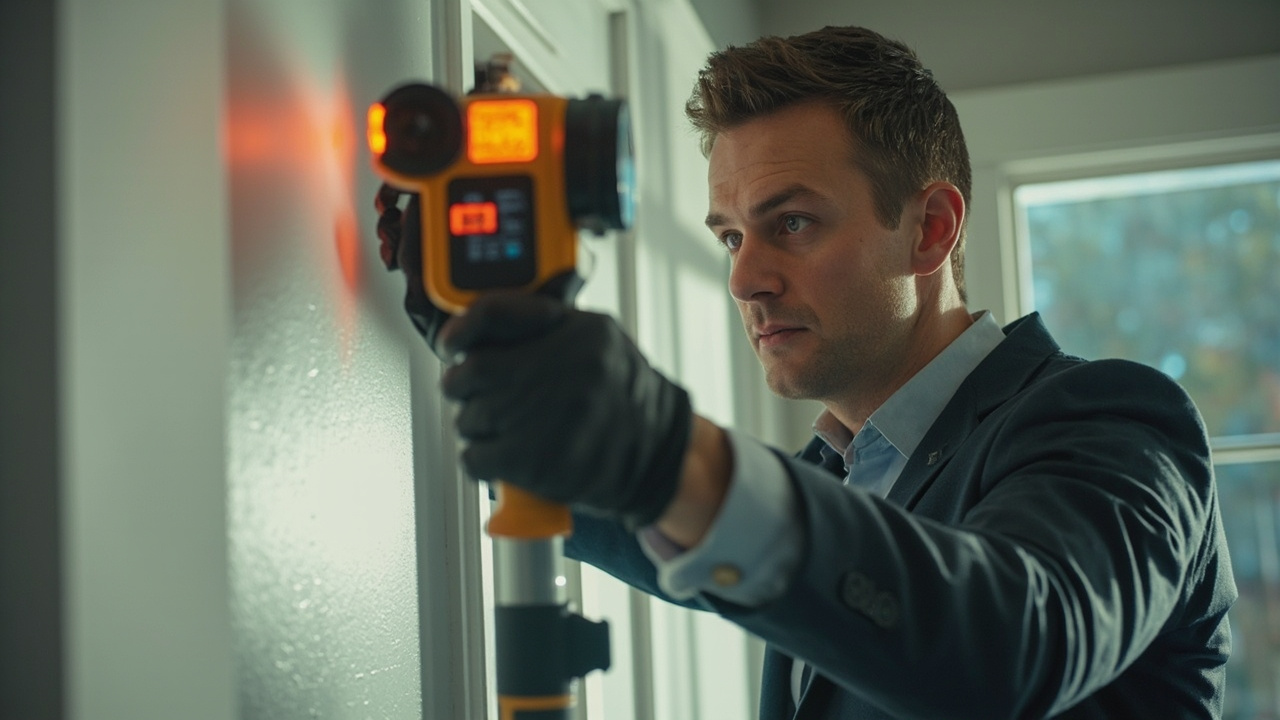
First, we use thermal imaging cameras. These cameras detect surface temperature variations invisible to the naked eye. Wet building materials are cooler than dry ones. The camera highlights these cold spots in real time, showing us exactly where water is trapped. This works through drywall, behind tile, and under flooring without tearing anything open.

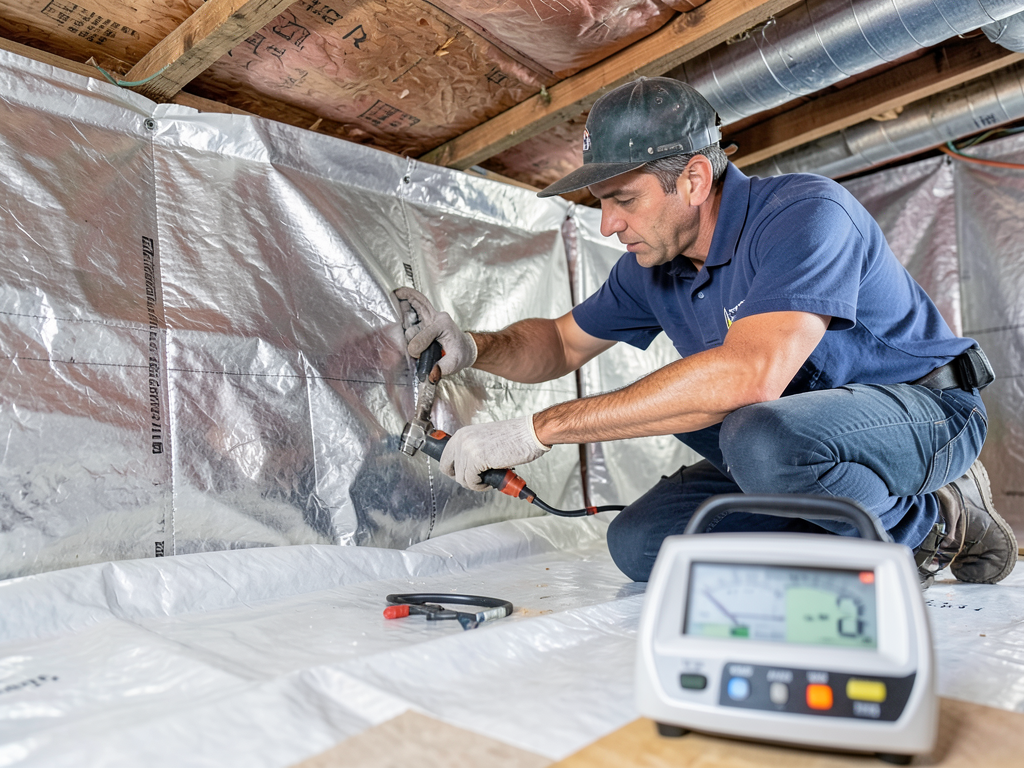
Next, we deploy moisture meters. Pin-type meters use electrodes to measure electrical resistance in wood, drywall, and concrete. High resistance means dry. Low resistance means wet. Pinless meters use radio frequency signals to scan broader areas without puncturing surfaces. We use both to triangulate moisture levels and map the full extent of water intrusion.

We also inspect with a borescope when needed. This flexible camera lets us look inside wall cavities, under cabinets, and into tight spaces through a small hole. If we suspect water behind a finished surface, we confirm it before recommending demolition.

Identifying unseen water intrusion is not about hunches. It is about data. We document moisture readings, photograph thermal anomalies, and create a detailed map of affected areas. This gives you proof for insurance claims and ensures we address every pocket of trapped moisture.

The technology matters. But so does experience. We know where water hides in Seattle homes. We check the vulnerable spots first: around windows, under sinks, near water heaters, and along exterior walls. This targeted approach saves time and finds problems fast.

What Happens During a Moisture Detection Inspection

Hidden Moisture Detection in Seattle – Stop Water Damage Before It Destroys Your Home
01

Initial Assessment and Interview

We start by asking questions. When did you first notice the problem? Where do you smell mold? Has your water bill changed? We walk through your home and note visible signs like staining, warping, or efflorescence. This conversation helps us focus our inspection on the most likely problem areas and understand your concerns before we deploy equipment.
02

Thermal Imaging and Meter Scanning

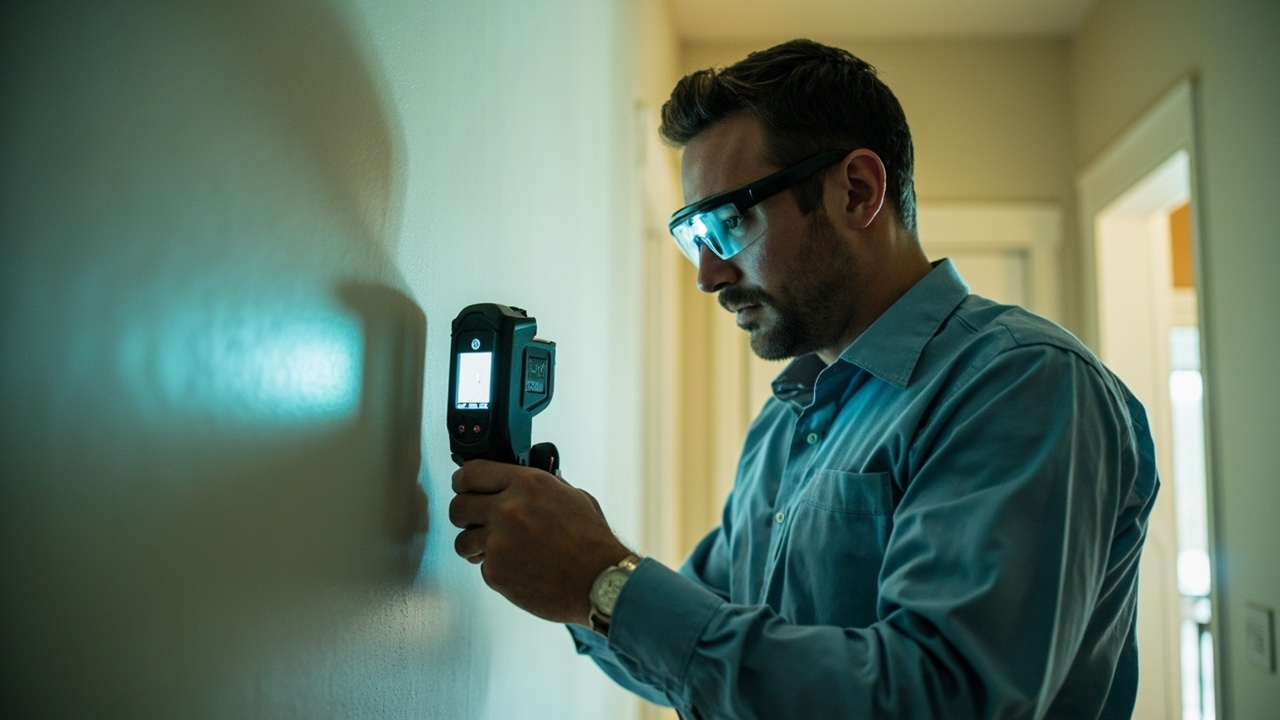
We scan every suspect surface with our thermal camera, looking for temperature anomalies that indicate moisture. Then we verify those readings with moisture meters. We document exact moisture percentages in building materials and photograph thermal images. This dual-verification process eliminates false positives and gives us a precise picture of where water is hiding and how far it has spread.
03

Report and Remediation Plan

You get a written report with photos, moisture readings, and thermal images. We explain what we found, where the water is coming from, and what needs to happen next. The report includes a remediation plan that prioritizes immediate threats like active leaks and structural damage. You leave the inspection knowing exactly what the problem is and how to fix it.

Why Seattle Homeowners Choose Evergreen Water Damage Restoration Seattle

You need someone who understands how water behaves in Seattle homes. Someone who has seen what happens when rain finds a gap in your siding during a winter storm. Someone who knows the difference between surface condensation and a hidden plumbing leak.

We have worked in hundreds of Seattle homes. We know the weak points in older Craftsman bungalows. We know how water travels through mid-century split-levels. We know the crawl space issues that plague homes in low-lying areas near Green Lake and the University District.

This local knowledge matters. A technician from out of town might miss the subtle signs of water intrusion common in Pacific Northwest construction. We do not. We know to check behind original wood siding for trapped moisture. We know to inspect around old cast iron plumbing. We know the telltale signs of roof leaks in homes with built-up flat roofs.

Our equipment is professional-grade. We invest in FLIR thermal cameras, Tramex moisture meters, and high-resolution borescopes. These tools give us accurate data, not guesses. You get proof of the problem, not speculation.

We also understand Seattle building codes and best practices for moisture management. When we find a problem, we can tell you if repairs will require permits, what materials meet current standards, and how to prevent future issues. This guidance protects your investment and keeps you compliant.

You are not hiring a handyman with a moisture meter. You are hiring certified water damage restoration specialists who know Seattle homes inside and out. That difference shows in the accuracy of our findings and the quality of our recommendations.

What You Can Expect From Our Moisture Detection Service

Rapid Response and Flexible Scheduling

We schedule inspections within 24 hours of your call. Moisture problems do not wait, and neither should you. Most inspections take between one and three hours depending on your home's size and the complexity of the problem. We work around your schedule, including evenings and weekends. If you suspect active water intrusion, we prioritize your inspection to prevent further damage. Speed matters when water is spreading behind your walls.

Thorough Diagnostic Process

Our technicians do not rush. We scan every suspect area with thermal imaging and moisture meters. We check adjacent rooms to ensure water has not migrated. We inspect crawl spaces, attics, and basements where moisture often hides. You get a comprehensive assessment, not a quick walkthrough. We document everything with photos and moisture readings so you have a complete record. This thoroughness ensures we find every problem area, not just the obvious ones.

Clear Documentation and Repair Guidance

You receive a detailed written report with thermal images, moisture percentages, and annotated photos showing exactly where water is present. We explain what the readings mean in plain language. The report includes our professional assessment of the damage severity and recommended next steps. This documentation is critical for insurance claims and gives you leverage when hiring contractors. You leave the inspection with a clear understanding of the problem and a roadmap for fixing it.

Follow-Up Verification and Support

After remediation work is complete, we offer follow-up moisture testing to verify the problem is resolved. This post-repair verification ensures materials have dried properly and no hidden moisture remains. We also provide guidance on monitoring high-risk areas and preventing future problems. If you have questions weeks or months after the inspection, we are available to answer them. Our goal is not just to find water. It is to help you maintain a dry, healthy home long-term.

Frequently Asked Questions

You Have Questions,
We Have Answers

Why does my phone say moisture detected when there is no moisture? +

Your phone's moisture sensor can trigger falsely due to humidity, condensation, or debris in the charging port. Seattle's damp climate means phones often encounter ambient moisture without actual liquid contact. Lint, dust, or even salt residue can mimic wetness. Try gently cleaning the port with compressed air or a dry toothbrush. Let the phone sit in a dry location for 30 minutes. If the warning persists after cleaning and drying, the sensor may be faulty and require professional repair. Avoid charging until the alert clears to prevent potential short circuits.

How do you detect moisture behind walls? +

Professionals use non-invasive moisture meters that measure electrical resistance or capacitance through drywall without drilling. Thermal imaging cameras detect temperature variations caused by wet insulation or studs. Pin-type meters require small probe holes for precise readings behind walls. In Seattle homes, we often check exterior walls after heavy rain events or near plumbing chases. Professionals combine multiple detection methods to map moisture extent. Visual clues like discoloration, peeling paint, or soft spots guide where to measure. Advanced equipment can detect moisture up to three-quarters of an inch deep into materials.

Do moisture Readers really work? +

Quality moisture meters are reliable when used correctly by trained professionals. Pin-type meters provide accurate depth-specific readings, while pinless meters scan larger surface areas quickly. Accuracy depends on calibration, material type, and user experience. Cheap consumer models often give false readings. In Seattle's variable humidity conditions, professionals calibrate equipment to account for ambient moisture. Meters do not detect water itself but measure electrical changes or dielectric properties in wet materials. When combined with thermal imaging and visual inspection, moisture meters are essential diagnostic tools for identifying hidden water damage before structural problems develop.

How to find where moisture is coming from in a house? +

Start by inspecting common entry points like roofs, windows, and foundation perimeters. Check for water stains, discoloration, or peeling paint on ceilings and walls. In Seattle, failed window flashing and clogged gutters are frequent culprits. Trace stains upward and toward exterior walls. Check under sinks, around toilets, and near appliances. Use a moisture meter on suspect areas. Look for condensation patterns on windows or walls, which may indicate ventilation problems rather than leaks. Professionals use thermal imaging to pinpoint moisture sources through temperature differentials. Sometimes the visible damage appears far from the actual entry point due to water traveling along framing.

How do I fix a moisture detected glitch? +

If your phone shows a false moisture warning, power it off immediately. Remove any case and check the charging port for debris, lint, or corrosion. Clean gently with compressed air or a dry soft-bristled brush. Place the phone in a dry, room-temperature location for at least an hour. Seattle's humidity can cause persistent condensation, so avoid bathrooms or kitchens. Do not use rice, which leaves residue. Do not apply heat. Try a different charging cable to rule out cable moisture. If the warning continues after 24 hours of drying, the sensor may be damaged and need professional replacement.

How to get rid of Samsung moisture Warning? +

Samsung moisture warnings protect your device from damage during charging. First, clear the charging port of any debris using compressed air. Gently wipe the port with a dry cloth. Let the phone air-dry in a low-humidity space for 30 minutes. Seattle's marine climate means phones absorb ambient moisture easily. You can temporarily dismiss the warning by tapping the notification, but do not charge until genuinely dry. If urgent, enable wireless charging as an alternative. For persistent false alerts, check Settings for USB settings that may need toggling. Repeated false warnings suggest sensor failure requiring repair.

How to tell if water is leaking behind a wall? +

Look for water stains, discoloration, or bubbling paint on walls or ceilings. Peeling wallpaper or baseboards that pull away indicate moisture. Touch suspect areas for dampness, soft spots, or temperature differences. Seattle homes often show leaks near windows after heavy rain or around plumbing penetrations. Check for musty odors, which signal trapped moisture. Use a moisture meter on the wall surface to confirm wetness. Watch for mold growth in corners or along baseboards. Leaks often appear below the actual source as water travels down studs or behind drywall before becoming visible.

How to tell if a wall is damp or cold? +

Press your hand firmly against the wall for 10 seconds. Damp walls feel cool and slightly clammy even in warm rooms. Cold walls without moisture feel uniformly cool and dry. Seattle winters create cold exterior walls, but they should not feel wet. Check for condensation by taping clear plastic over a two-foot square section. If droplets form underneath within 24 hours, moisture is coming through the wall. Use a moisture meter for definitive readings. Damp walls often show discoloration or efflorescence. Cold walls may just need better insulation, while damp walls require leak investigation.

How long can drywall be wet before mold? +

Mold can begin growing on wet drywall within 24 to 48 hours in the right conditions. Seattle's moderate temperatures and humidity create ideal mold environments. Porous drywall absorbs water quickly, and the paper facing provides food for mold spores. The timeline depends on temperature, humidity, and contamination level. Category 3 water, like sewage, accelerates growth. Even if visible mold has not appeared, structural damage and hidden microbial growth may already exist after 72 hours. Professional drying equipment must reduce moisture content below 16 percent within 48 hours to prevent permanent damage and mold colonization.

What is the best moisture tester? +

Professional-grade pin-type moisture meters from manufacturers like Delmhorst or Protimeter provide the most accurate readings for water damage assessment. These meters penetrate materials to measure moisture at specific depths. Pinless meters like the Tramex MRH III scan larger areas quickly without surface damage. For homeowners, the General Tools MMD4E offers reasonable accuracy at a lower price point. Quality matters more than brand. Professionals in Seattle use calibrated meters adjusted for local wood species and humidity conditions. Thermal imaging cameras complement moisture meters by revealing hidden wet areas. Avoid cheap models under 50 dollars, which give unreliable readings and false confidence.

How Seattle's Climate Makes Hidden Moisture Detection Critical for Homeowners

Seattle receives 37 inches of rain annually, but the real threat is not the volume. It is the constant drizzle from October through May. This persistent moisture keeps relative humidity above 70 percent for months, creating ideal conditions for water to penetrate building envelopes and stay trapped. Older homes with single-pane windows and inadequate attic ventilation accumulate condensation on cold surfaces. Water runs down inside walls where you cannot see it. Finding trapped water before it rots framing or grows mold colonies is not optional in this climate. It is essential maintenance.

We work exclusively in the Seattle metro area. We know the construction methods used in Wallingford bungalows from the 1920s and the common failure points in Northgate ramblers from the 1960s. We understand how drainage issues in Beacon Hill affect basement moisture and why homes near Puget Sound face higher humidity loads. This local expertise means we know where to look first and what problems are most likely based on your neighborhood and home age. Choosing a local moisture detection specialist gives you someone who understands your specific risks.


Water Damage Restoration Services in The Seattle Area

Evergreen proudly serves Seattle and its surrounding communities with professional water damage restoration you can count on. Whether you’re downtown, in the suburbs, or nearby, our responsive team is just a call away. View our service area on the map to see if we’re available in your neighborhood. We’re committed to helping local homeowners and businesses recover fast—so if you need help, we’ll come to you. Use the map below to locate our base or service radius and reach out anytime.

Address:
Evergreen Water Damage Restoration Seattle, 600 Stewart St, Seattle, WA, 98101

Additional Services We Offer

Our news updates

Latest Articles & News from The Blogs

Emergency Mold Remediation for Busy Families in the Hillman City Neighborhood Mold can spread through a Hillman City home in…

Emergency Mold Remediation for Busy Families in the Hillman City Neighborhood

Emergency Mold Remediation for Busy Families in the Hillman City Neighborhood Mold can spread through a Hillman City home in…

What to Do When a Skylight Leak Ruins the Ceiling in Your Washington Park Home

What to Do When a Skylight Leak Ruins the Ceiling in Your Washington Park Home A skylight leak in your…

Professional Sewage Cleanup for Matthews Beach Homes Near the Lake

Professional Sewage Cleanup for Matthews Beach Homes Near the Lake Matthews Beach homes near Lake Washington face unique sewage backup…

Contact Us

Do not wait until you see mold or smell rot. Call Evergreen Water Damage Restoration Seattle at (564) 220-5525 now to schedule a professional moisture detection inspection. We will find the water you cannot see and give you a clear plan to fix it.