

menu

How to Handle Insurance Claims in Seattle – Get Expert Guidance Through Every Step of Your Water Damage Claim

Navigate the water damage insurance claim process with confidence using proven strategies for filing, documenting, and managing your claim in Seattle's unique residential and commercial property market.

Slider Image 1
Slider Image 2
Slider Image 3
Slider Image 4
Slider Image 5
Slider Image 7
Slider Image 8
Slider Image 9
Slider Image 10
Slider Image 11

Why Water Damage Insurance Claims Are So Complicated in Seattle

Seattle's persistent rain and humidity create constant water intrusion risks. You face moss-covered roofs, clogged gutters, and foundation water seepage that insurance adjusters often try to classify as gradual damage instead of sudden loss. That distinction matters because most policies only cover sudden, accidental water damage.

The water damage insurance claim process in Seattle becomes more difficult when adjusters see moisture patterns they claim developed over months. They point to Puget Sound humidity levels and suggest you failed to maintain proper ventilation. They question whether your crawl space flooding came from a burst pipe or seasonal groundwater intrusion.

Filing a water damage claim requires you to prove the damage happened suddenly. You need dated photos showing dry conditions before the incident. You need documentation of your maintenance efforts. You need to understand how Washington State insurance law protects you from bad faith claim denials.

Navigating water restoration claims means knowing the difference between covered perils and exclusions. A pipe that bursts during a freeze qualifies. Seepage through your foundation during a three-day rainstorm might not. The adjuster will look for any reason to reduce your payout or deny coverage entirely.

Most Seattle property owners make critical mistakes in the first 48 hours. They fail to document the initial damage extent. They start cleanup before taking comprehensive photos. They give recorded statements without understanding how their words will be used against them later. These mistakes cost thousands in denied or reduced settlements.

Why Water Damage Insurance Claims Are So Complicated in Seattle
The Right Way to Document and File Your Water Damage Claim

The Right Way to Document and File Your Water Damage Claim

Managing water mitigation claims starts before you call your insurance company. Take photos and videos of every affected area from multiple angles. Capture water levels, staining patterns, and damaged materials. Document the water source if visible. Time-stamp everything.

Stop additional water intrusion if safe to do so. Turn off the main water supply for pipe bursts. Cover roof penetrations with tarps. Your policy requires you to prevent further damage, but document the emergency mitigation steps you take. Save all receipts.

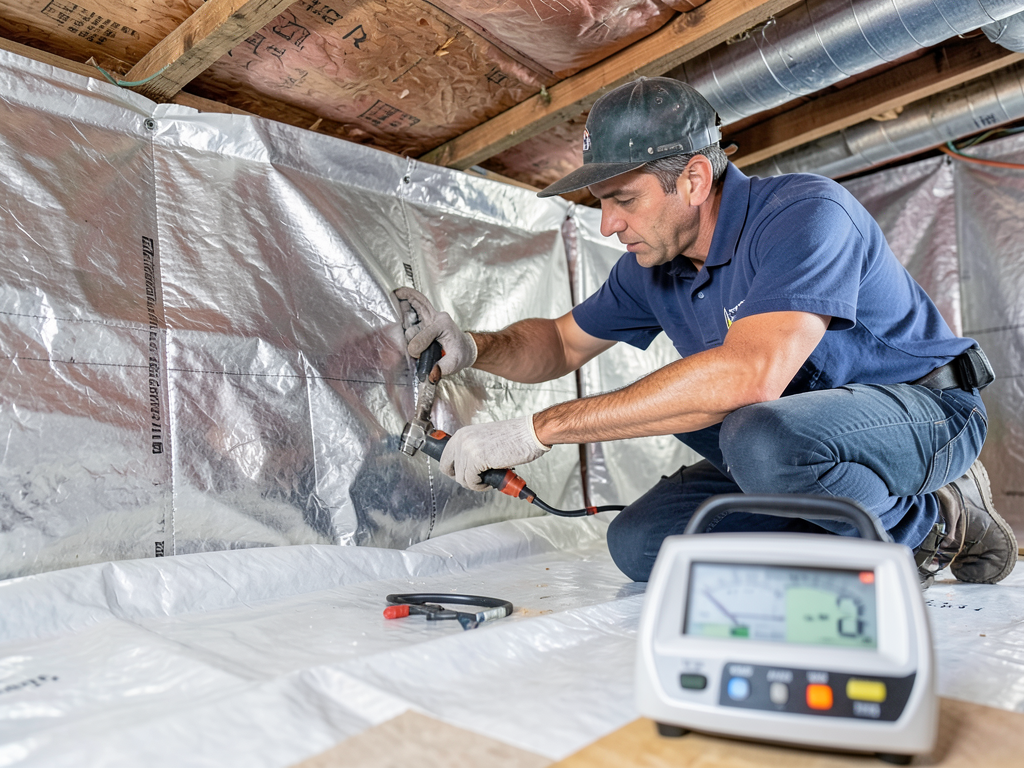
Call a professional water damage restoration company before filing your claim. Evergreen Water Damage Restoration Seattle provides free moisture assessments that identify hidden water intrusion your adjuster might miss. We use thermal imaging cameras and moisture meters to document saturation levels in wall cavities, subfloors, and ceiling assemblies. This documentation protects you from lowball settlement offers.

Tips for water damage insurance claims include keeping a detailed timeline. Note when you discovered the damage, when you reported it, and every conversation with your insurance company. Get names and employee ID numbers. Follow up phone calls with emails that create written records.

Your adjuster will try to minimize the scope. They will claim drywall can dry in place when it actually needs replacement. They will suggest your hardwood floors just need drying when cupping and buckling require full replacement. Professional restoration contractors provide independent estimates that challenge inadequate adjuster assessments.

Review your policy's actual cash value versus replacement cost provisions. Understand your deductible. Know whether your policy includes loss of use coverage for temporary housing during repairs. These details determine your out-of-pocket costs and settlement amount.

Your Step-by-Step Water Damage Claim Timeline

How to Handle Insurance Claims in Seattle – Get Expert Guidance Through Every Step of Your Water Damage Claim
01

Initial Documentation and Notification

Document all visible damage with photos and videos before any cleanup begins. Capture water sources, standing water depths, and affected materials. Note the discovery time and likely cause. Contact your insurance company within 24 hours to report the loss and get your claim number. Request a copy of your policy declarations page if you do not have one readily available.
02

Professional Assessment and Mitigation

Hire a licensed water damage restoration company to assess the full damage scope using moisture detection equipment. They will document hidden moisture intrusion your adjuster might miss. Begin emergency mitigation like water extraction and dehumidification to prevent mold growth. Save all invoices and daily progress reports. These documents support your claim for mitigation costs and prove you acted reasonably to prevent additional damage.
03

Negotiation and Settlement

Review your adjuster's estimate line by line. Challenge any items marked as non-covered or any repair methods that fall below industry standards. Provide independent contractor estimates that show the true cost of proper restoration. Negotiate depreciation holdback amounts and payment timelines. Do not accept the first settlement offer if it does not cover legitimate damages. Washington law requires insurers to act in good faith.

Why Seattle Property Owners Choose Local Claims Expertise

Insurance adjusters from national firms do not understand Seattle's building characteristics. They do not know that most homes built before 1990 lack proper crawl space vapor barriers. They do not recognize how our marine climate creates condensation issues that legitimate sudden water damage can worsen. Local restoration professionals know these factors and document them properly.

Seattle's older neighborhoods like Capitol Hill, Ballard, and Queen Anne feature homes with plaster walls, lathe backing, and horsehair insulation. These materials absorb water differently than modern drywall. They require specialized drying techniques and often need full replacement rather than in-place drying. Adjusters who do not understand these construction methods underestimate repair costs.

Washington State has specific insurance regulations that protect you. RCW 48.01 requires insurers to act in good faith. The Office of the Insurance Commissioner investigates bad faith denials. You have legal recourse if your claim is improperly denied or delayed. Local restoration companies understand these protections and help you enforce them.

Evergreen Water Damage Restoration Seattle has worked with every major insurance carrier operating in King County. We know which adjusters use reasonable evaluation methods and which ones systematically undervalue claims. We provide detailed estimates that meet Xactimate pricing standards, the software most insurers use. Our documentation stands up to adjuster scrutiny because it follows industry best practices for water damage assessment.

The water damage insurance claim process moves faster when you have professional advocates. We communicate directly with adjusters, provide requested documentation promptly, and push back against unreasonable claim denials. We have helped hundreds of Seattle property owners recover full settlements for water damage that insurance companies initially tried to deny or minimize.

What to Expect During Your Water Damage Claim Process

Claim Filing Timeline

Report your water damage to your insurance company within 24 hours of discovery. The adjuster will schedule an inspection within 3-7 days depending on claim volume. Emergency mitigation begins immediately regardless of adjuster timing. You cannot wait for insurance approval to extract standing water or begin drying. Mold growth starts within 48-72 hours in Seattle's humid climate. Your policy requires prompt mitigation action. Most claims take 30-90 days to settle depending on damage complexity and whether you accept the initial offer or negotiate for proper compensation.

Professional Damage Assessment

A qualified water damage restoration contractor performs moisture mapping using thermal imaging cameras and penetrating moisture meters. This assessment identifies water intrusion in wall cavities, under flooring, and in ceiling assemblies that visual inspection misses. The assessment includes affected square footage calculations, moisture content readings, and material saturation levels. These measurements create objective documentation your adjuster cannot dispute. The assessment also identifies potential microbial growth risks and structural concerns like subflooring delamination or wall stud saturation that require replacement rather than drying.

Settlement Negotiation Results

Initial adjuster estimates often fall 30-50% below actual restoration costs. Adjusters use depreciation to reduce payouts. They classify replacement-level damage as repairable. They omit hidden damages like subfloor replacement or mold remediation. Professional contractors provide independent estimates that challenge these tactics. The negotiation process involves comparing line items, providing photo documentation of damage extent, and citing industry standards for proper restoration methods. Most claims settle within the policy limits once proper documentation proves the damage scope. Your out-of-pocket costs should not exceed your deductible if the claim is handled correctly.

Post-Settlement Reconstruction

Insurance settlements typically pay in stages. You receive actual cash value upfront, minus depreciation and your deductible. The depreciation holdback comes after you complete repairs and submit final invoices. This protects the insurance company but creates cash flow challenges for you. Many restoration contractors work with you on payment timing to bridge this gap. Proper reconstruction follows industry standards for water damage restoration including antimicrobial treatment, complete drying verification before rebuilding, and moisture barrier installation to prevent future intrusion. Final walk-throughs ensure all work meets code requirements and matches pre-loss conditions.

Frequently Asked Questions

You Have Questions,
We Have Answers

What not to say during an insurance claim? +

Avoid admitting fault or speculating about damage causes. Do not say the damage is minor, could have been prevented, or happened long ago. Never exaggerate losses or provide inconsistent statements. In Seattle, where moisture intrusion from rain is common, stick to observable facts. Say what you saw, when you noticed it, and what steps you took immediately. Document everything with photos and timestamps. Let the adjuster determine coverage and cause. If you are unsure about specific damage sources like failed flashing or pipe leaks, wait for a professional assessment before making definitive statements to your insurer.

What is the insurance claims handling process? +

The process starts when you file a claim with your insurer, reporting the loss and providing initial documentation. An adjuster gets assigned to investigate the damage, often scheduling an on-site inspection. The adjuster reviews your policy, assesses the damage, and determines coverage. You submit estimates, receipts, and any required proof of loss. The insurer then approves, denies, or negotiates the claim amount. Once agreed, payment is issued. In Seattle, expect adjusters to scrutinize water damage claims closely due to frequent rain-related losses. Keep detailed records and communicate in writing to avoid disputes during the settlement phase.

What are the 3 D's of insurance claims? +

The 3 D's are Detect, Document, and Defend. Detect means identifying the damage early and reporting it promptly to your insurer. Document involves collecting evidence like photos, videos, repair estimates, and receipts to support your claim. Defend means advocating for your interests, especially if the insurer undervalues or denies your claim. In Seattle, where water intrusion from storms or plumbing failures is common, thorough documentation is critical. Take photos of damaged materials, moisture readings, and affected areas immediately. The D's help you build a strong case and ensure you receive fair compensation for covered losses.

What is the 80% rule in insurance? +

The 80% rule means you must insure your property for at least 80% of its replacement cost to avoid a coinsurance penalty. If you underinsure, the insurer pays only a proportionate amount of the loss, leaving you responsible for the shortfall. For example, if your Seattle home is worth $500,000 and you carry only $300,000 in coverage, you are underinsured. During a claim, the insurer calculates the penalty based on the coverage gap. This rule applies to dwelling coverage, not personal property. Review your policy annually and adjust limits to reflect rising construction costs and market values.

What are the three most common mistakes on a claim that will cause denials? +

The three most common mistakes are incomplete documentation, missed filing deadlines, and failing to understand policy exclusions. Incomplete documentation means missing photos, receipts, or damage inventories, which weakens your claim. Missed deadlines occur when you wait too long to report damage or submit required paperwork. Failing to understand exclusions leads to filing claims for non-covered events like flood damage without separate flood insurance. In Seattle, where rain and moisture are frequent, homeowners often misunderstand water damage exclusions. Read your policy carefully, document damage immediately, and file promptly to avoid denials and delays in settlement.

What insurance adjusters won't tell you? +

Adjusters will not tell you that their first offer is negotiable, or that you can hire a public adjuster or attorney to advocate for you. They may not disclose that depreciation can be recovered after repairs are completed, or that you can request a re-inspection if you disagree with their assessment. In Seattle, adjusters may downplay moisture damage severity or attribute it to maintenance neglect to reduce payouts. They work for the insurer, not you. You have the right to obtain independent estimates, challenge lowball settlements, and appeal denials. Always review the adjuster's report carefully and question discrepancies.

What are the 5 P's of insurance? +

The 5 P's are Premium, Policy, Peril, Protection, and Payment. Premium is the cost you pay for coverage. Policy is the contract outlining what is covered and excluded. Peril refers to specific risks like fire, wind, or theft. Protection is the coverage amount and limits you select. Payment is the benefit paid when a covered loss occurs. In Seattle, understanding perils is critical because standard policies exclude flood damage, a common risk near Puget Sound and local waterways. Review your policy annually to ensure adequate protection for Seattle-specific risks like windstorms, earthquakes, and water intrusion from heavy rain.

What are the 7 rules of insurance? +

The seven rules include insurable interest, utmost good faith, indemnity, subrogation, contribution, proximate cause, and loss minimization. Insurable interest means you must have a financial stake in the insured property. Utmost good faith requires honesty from both parties. Indemnity ensures you are compensated for actual loss, not profit. Subrogation allows insurers to recover costs from at-fault parties. Contribution prevents double recovery from multiple policies. Proximate cause determines the direct reason for loss. Loss minimization obligates you to prevent further damage. In Seattle, failing to mitigate water damage after a pipe burst can lead to claim denials.

What are the 4 phases of the claim process? +

The four phases are claim reporting, investigation, evaluation, and settlement. Reporting occurs when you notify your insurer of the loss and provide initial details. Investigation involves the adjuster inspecting damage, reviewing policy terms, and gathering evidence. Evaluation means the adjuster calculates the loss amount based on coverage limits, depreciation, and exclusions. Settlement is the final phase where the insurer issues payment or denies the claim. In Seattle, investigation can take longer for water damage claims due to the need to determine whether the loss resulted from sudden events or gradual deterioration. Stay engaged throughout each phase and respond promptly to requests.

What is the most common claim denial? +

The most common denial is for damage resulting from lack of maintenance or gradual deterioration, which most policies exclude. Insurers also frequently deny claims for uncovered perils like flood or earthquake without separate policies. In Seattle, water damage denials are common when insurers argue that leaks or moisture intrusion occurred over time due to poor upkeep, rather than from a sudden covered event like a pipe burst. Other frequent denials include late reporting, policy lapses, and exclusions for mold or fungus. To avoid denials, maintain your property, document damage immediately, and understand your policy exclusions before filing.

How Seattle's Insurance Market Affects Water Damage Claim Approvals

Seattle's high rainfall and aging housing stock create unique insurance challenges. Properties in flood zones near the Duwamish River, Green Lake, or Puget Sound waterfront face higher premiums and stricter coverage limitations. Insurance companies operating in King County have increased scrutiny on water damage claims because of elevated claim frequency. Adjusters receive training to identify maintenance-related water intrusion versus sudden accidental damage. They look for evidence of deferred maintenance like moss accumulation, gutter failures, or foundation cracks that suggest gradual water intrusion rather than covered perils.

Washington State's Insurance Fair Conduct Act provides stronger consumer protections than most states. Insurance companies cannot unreasonably deny or delay claims. They must investigate promptly and communicate their coverage decisions in writing. If your claim is wrongfully denied, you have legal recourse including potential bad faith damages. Local restoration companies understand these protections and help you navigate disputes. We have worked with Seattle property owners through the Office of the Insurance Commissioner complaint process when insurers act in bad faith. This local expertise protects your rights during the claims process.


Water Damage Restoration Services in The Seattle Area

Evergreen proudly serves Seattle and its surrounding communities with professional water damage restoration you can count on. Whether you’re downtown, in the suburbs, or nearby, our responsive team is just a call away. View our service area on the map to see if we’re available in your neighborhood. We’re committed to helping local homeowners and businesses recover fast—so if you need help, we’ll come to you. Use the map below to locate our base or service radius and reach out anytime.

Address:
Evergreen Water Damage Restoration Seattle, 600 Stewart St, Seattle, WA, 98101

Additional Services We Offer

Our news updates

Latest Articles & News from The Blogs

How to Stop Your Lake Forest Park Deck from Leaking into the Rooms Below If water from your deck seeps…

How to Stop Your Lake Forest Park Deck from Leaking into the Rooms Below

How to Stop Your Lake Forest Park Deck from Leaking into the Rooms Below If water from your deck seeps…

Why Your West Seattle Retaining Wall Could Be the Cause of Your Wet Basement

Why Your West Seattle Retaining Wall Could Be the Cause of Your Wet Basement \n\n West Seattle’s dramatic topography of…

Fixing Moisture Problems in Your Mukilteo Home After a Heavy Fog Season

Fixing Moisture Problems in Your Mukilteo Home After a Heavy Fog Season Living near Puget Sound means dealing with persistent…

Contact Us

Do not navigate the water damage insurance claim process alone. Call Evergreen Water Damage Restoration Seattle at (564) 220-5525 for a free damage assessment and claims support. We document the full scope of your water damage and help you recover the settlement you deserve.