
menu

Preventative Waterproofing Tips in Seattle | Stop Water Damage Before It Starts

Protect your Seattle home from the Pacific Northwest's relentless rain and moisture with proven preventative waterproofing tips that address our unique climate challenges and keep basements, crawl spaces, and foundations dry year-round.

Slider Image 1
Slider Image 2
Slider Image 3
Slider Image 4
Slider Image 5
Slider Image 7
Slider Image 8
Slider Image 9
Slider Image 10
Slider Image 11

Why Seattle Homes Need Year-Round Water Defense

Seattle receives an average of 38 inches of rain annually, spread across 150 days. That consistent moisture does not just fall and disappear. It saturates the soil around your foundation, seeps into crawl spaces, and finds every crack in your building envelope.

The Puget Sound region sits on glacial till and marine clay soils that retain water. When these soils become waterlogged during October through April, they exert hydrostatic pressure against foundation walls. That pressure forces moisture through concrete pores, foundation cracks, and poorly sealed basement windows.

Capitol Hill and Queen Anne homes face additional challenges. Many structures were built between 1900 and 1940, before modern moisture control best practices existed. These older homes lack vapor barriers, proper grading, and adequate drainage systems. The result is chronic dampness that leads to mold growth, wood rot, and structural deterioration.

DIY waterproofing techniques can address many vulnerabilities before they escalate into emergency water damage. A proactive water sealing method costs a fraction of foundation repair or mold remediation. The key is understanding where water enters your home and implementing the right barriers at the right time.

Ballard and West Seattle homeowners also contend with seasonal creek swelling and high water tables. During king tides and heavy rain events, groundwater can rise above basement floor level. Without proper exterior drainage and sump pump systems, that water has nowhere to go except inside.

Your home waterproofing maintenance guide starts with identifying weak points. Then you create defense layers that redirect water away from the structure before it penetrates the building envelope.

Why Seattle Homes Need Year-Round Water Defense
The Science Behind Effective Moisture Control

The Science Behind Effective Moisture Control

Water follows the path of least resistance. It moves through capillary action in concrete, vapor diffusion through porous materials, and bulk water flow through openings. Effective waterproofing addresses all three mechanisms.

Start with grading. Your soil should slope away from the foundation at a minimum grade of six inches over the first ten feet. This simple water damage prevention checklist item stops surface water from pooling against basement walls. In Seattle's clay soils, improper grading is the number one cause of wet basements.

Gutters and downspouts must discharge at least five feet from the foundation. Many Seattle homes have downspouts that terminate directly at the foundation wall. During heavy rain, this concentrates hundreds of gallons against the exact spot you want to keep dry. Extend those downspouts with rigid PVC pipe or buried drainage lines that carry water to the street or a dry well.

Foundation crack repair requires proper materials. Hydraulic cement stops active leaks but does not flex. Polyurethane or epoxy injection creates a waterproof seal that moves with seasonal foundation movement. For cracks wider than one-eighth inch, professional evaluation is necessary because the crack may indicate a structural issue.

Window wells need covers and interior drainage. Without covers, wells fill with rain and debris. Water then seeps through window frames or overwhelms the seal. Adding a gravel base and perforated drain pipe at the bottom channels water to your foundation drain system instead of inside.

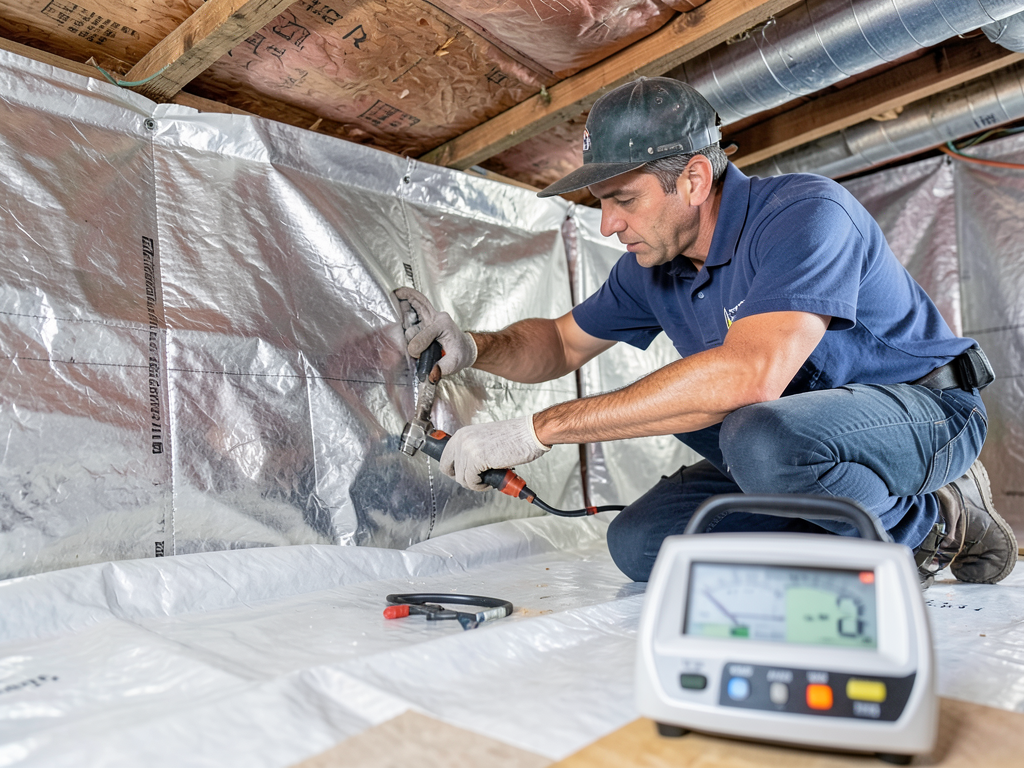
Crawl space encapsulation with six-mil polyethylene vapor barriers stops ground moisture from rising into floor joists. Seattle's high humidity means crawl spaces without vapor barriers can reach 80 percent relative humidity, creating ideal conditions for mold and wood decay. Proper proactive water sealing methods include sealing the barrier to walls and overlapping seams by 12 inches.

Your Waterproofing Action Plan

Preventative Waterproofing Tips in Seattle | Stop Water Damage Before It Starts
01

Exterior Assessment

Walk your property during rainfall to observe water flow patterns. Identify where water pools, where gutters overflow, and where downspouts discharge. Check foundation walls for efflorescence, which appears as white chalky deposits and indicates water moving through concrete. Photograph problem areas and measure distances from the foundation. This baseline documentation helps you prioritize repairs and track effectiveness after implementing solutions.
02

Interior Inspection

Examine basements and crawl spaces for moisture evidence. Look for water stains on walls, rust on metal components, musty odors, and condensation on pipes. Check corners where walls meet floors because these areas show leaks first. Test concrete moisture with a plastic sheet taped to the floor overnight. If condensation forms on top of the plastic, you have high humidity. If it forms underneath, water is wicking through the slab.
03

Systematic Implementation

Address exterior issues first because fixing drainage stops the majority of water problems. Regrade soil, extend downspouts, and clean gutters before moving to interior solutions. Then seal cracks, install vapor barriers, and add dehumidification as needed. Work from the outside in. Document your completed work with photos and dates. Recheck all areas after the next major rain event to verify your moisture control best practices are working effectively.

Why Evergreen Water Damage Restoration Seattle Provides The Blueprint

We respond to water damage emergencies across Seattle every day. We see what happens when preventative maintenance gets ignored. A $200 gutter extension project becomes a $15,000 foundation waterproofing job. A $50 tube of hydraulic cement becomes a $8,000 mold remediation project.

Our technicians understand Seattle-specific construction. We know that homes in Laurelhurst have different vulnerabilities than bungalows in Columbia City. We recognize the signs of failed 1960s-era perimeter drain systems common in Northgate. We identify the basement window well issues that plague sloped lots in Magnolia.

When you call Evergreen Water Damage Restoration Seattle at (564) 220-5525, you get accurate diagnostics. We use moisture meters, thermal imaging, and visual inspection to identify the actual water source. Many homeowners waste money treating symptoms instead of causes. You might see water on your basement floor and assume the wall is leaking. We determine if the water is coming from condensation, a plumbing leak, or actual groundwater intrusion. The solution differs for each source.

We provide specific guidance for DIY waterproofing techniques that work in Seattle's climate. We tell you which cracks you can seal yourself and which require professional intervention. We explain when exterior excavation is necessary and when interior drainage solves the problem at lower cost.

Our team works throughout King County. We understand Seattle Municipal Code requirements for drainage modifications. We know when you need permits for excavation near property lines. We coordinate with local building inspectors so your waterproofing work meets code.

The information we share in this water damage prevention checklist comes from real-world experience. We have restored hundreds of Seattle homes after water damage. We know what works and what wastes money.

What You Can Accomplish With The Right Information

Immediate Protection Steps

You can implement basic exterior drainage improvements in a single weekend. Extending downspouts takes two hours per downspout with basic tools and rigid PVC pipe. Cleaning gutters and checking for proper slope takes three to four hours for an average home. Regrading soil around the foundation requires a weekend for most properties. You need a wheelbarrow, shovel, and compactable soil. These simple tasks stop the majority of basement seepage issues. The best time to complete this work is during Seattle's dry season from July through September, before fall rains begin.

When To Call For Assessment

Some situations require professional evaluation before you take action. If you see horizontal cracks in foundation walls, stepped cracks in concrete blocks, or doors and windows that no longer close properly, you may have a structural issue causing water entry. Water entering through floor-wall joints might indicate failed exterior drain tile that requires excavation to replace. Active water flowing through cracks during rain needs immediate professional sealing with hydraulic cement followed by permanent repair. Standing water in crawl spaces might require sump pump installation and perimeter drainage. Contact Evergreen Water Damage Restoration Seattle for accurate diagnosis of complex moisture issues.

Measurable Results

Proper waterproofing creates a dry, stable interior environment. Basement relative humidity should stay below 60 percent. You should see no water stains, no musty odors, and no efflorescence on walls. Concrete should remain dry to the touch even during heavy rain. Crawl space vapor barriers should show no standing water on top and wood framing should test below 20 percent moisture content with a moisture meter. These measurable outcomes confirm your waterproofing system is working. Most homeowners notice results within the first major rain event after completing exterior drainage improvements. Interior solutions like dehumidifiers show results within 48 hours.

Long-Term Maintenance

Waterproofing requires ongoing attention to remain effective. Inspect gutters twice annually and clean them before November and again in March. Check downspout extensions each spring because frost heave can disconnect joints. Walk your property after heavy rain to verify grading still directs water away from the foundation. Recheck foundation cracks annually because new cracks can develop as concrete cures and the structure settles. Test sump pumps quarterly by pouring water into the pit to confirm the float switch activates and the discharge line remains clear. These simple checks prevent small issues from becoming water damage emergencies. Document your maintenance with photos and dates to track your home's waterproofing performance over time.

Frequently Asked Questions

You Have Questions,
We Have Answers

How Seattle's Marine Climate Demands Constant Moisture Vigilance

Seattle sits between Puget Sound and Lake Washington, creating a marine climate with persistent atmospheric moisture. Our average relative humidity stays above 70 percent year-round. This ambient moisture combines with our clay-heavy soils to create constant hydrostatic pressure against foundations. Unlike drier climates where waterproofing primarily addresses rain events, Seattle homes face moisture infiltration from groundwater, surface water, and water vapor simultaneously. Your proactive water sealing methods must address all three sources. The constant dampness also means materials never fully dry between rain events, so small leaks that would be minor issues in Phoenix or Denver become chronic problems here that lead to wood rot and mold growth within months instead of years.

Evergreen Water Damage Restoration Seattle has worked in this region for years. We understand the building practices used in different Seattle neighborhoods and which decades produced the most vulnerable construction. We know that 1950s homes in Greenwood often lack foundation waterproofing membranes because builders assumed gravel fill would provide adequate drainage. We recognize that 1970s split-level homes in Lake City have chronic crawl space moisture because code did not require vapor barriers until the 1980s. This local knowledge helps us guide you toward the most effective DIY waterproofing techniques for your specific home age and construction type. Our recommendations are based on what actually works in Seattle's unique climate conditions.


Water Damage Restoration Services in The Seattle Area

Evergreen proudly serves Seattle and its surrounding communities with professional water damage restoration you can count on. Whether you’re downtown, in the suburbs, or nearby, our responsive team is just a call away. View our service area on the map to see if we’re available in your neighborhood. We’re committed to helping local homeowners and businesses recover fast—so if you need help, we’ll come to you. Use the map below to locate our base or service radius and reach out anytime.

Address:
Evergreen Water Damage Restoration Seattle, 600 Stewart St, Seattle, WA, 98101

Additional Services We Offer

Our news updates

Latest Articles & News from The Blogs

How to Handle a Flooded Storage Unit in SODO Without Losing Your Belongings Finding your storage unit under inches of…

How to Handle a Flooded Storage Unit in SODO Without Losing Your Belongings

How to Handle a Flooded Storage Unit in SODO Without Losing Your Belongings Finding your storage unit under inches of…

Why Your Sunset Hill Home Needs Immediate Restoration After a Frozen Outdoor Faucet Bursts

Why Your Sunset Hill Home Needs Immediate Restoration After a Frozen Outdoor Faucet Bursts A frozen outdoor faucet in Sunset…

Restoring Retail Spaces in Southcenter After a Mall Pipe Burst

Restoring Retail Spaces in Southcenter After a Mall Pipe Burst A burst pipe in a retail mall can shut down…

Contact Us

Stop guessing about your home's moisture problems. Call Evergreen Water Damage Restoration Seattle at (564) 220-5525 for accurate diagnostics and practical solutions. We help Seattle homeowners protect their properties before small moisture issues become water damage emergencies.