
menu

Signs of Hidden Mold in Seattle – Expert Detection and Testing Before the Problem Spreads

Our certified mold inspectors use thermal imaging and moisture mapping to find signs of hidden mold in crawl spaces, wall cavities, and attics before structural damage and health risks escalate in Seattle homes.

Slider Image 1
Slider Image 2
Slider Image 3
Slider Image 4
Slider Image 5
Slider Image 7
Slider Image 8
Slider Image 9
Slider Image 10
Slider Image 11

Why Seattle Homes Hide Mold Better Than Most

Seattle's marine climate creates the perfect conditions for concealed mold growth. You get 150 days of measurable precipitation each year, persistent cloud cover that traps moisture, and temperatures that hover in the sweet spot for spore colonization. Your home never fully dries out.

Most Seattle houses were built with poor vapor barriers, minimal attic ventilation, and single-pane windows that sweat condensation into wall cavities. The indicators of invisible mold start appearing months before you see surface growth. You might notice a musty smell that comes and goes, unexplained respiratory symptoms that improve when you leave the house, or warped baseboards that suggest moisture intrusion behind the drywall.

The symptoms of concealed mold often mimic other issues. Your allergies flare up. Your kids develop chronic coughs. You blame the Seattle pollen or the dampness everyone complains about. Meanwhile, mold colonies spread behind your bathroom tile, under your kitchen sink, or in the crawl space you never check.

Detecting hidden mold requires more than a visual inspection. The evidence of unseen mold lives in humidity readings above 60 percent, temperature differentials that indicate trapped moisture, and air quality samples that show elevated spore counts. Water damage from roof leaks, plumbing failures, or foundation seepage creates the substrate mold needs. Once it establishes itself in wall cavities or beneath flooring, surface cleaning does nothing.

The signs of mold behind walls include discolored patches on ceilings, peeling paint that bubbles outward, and drywall that feels soft when you press on it. These symptoms mean the problem has been growing for weeks or months.

Why Seattle Homes Hide Mold Better Than Most
How We Find Mold You Cannot See

How We Find Mold You Cannot See

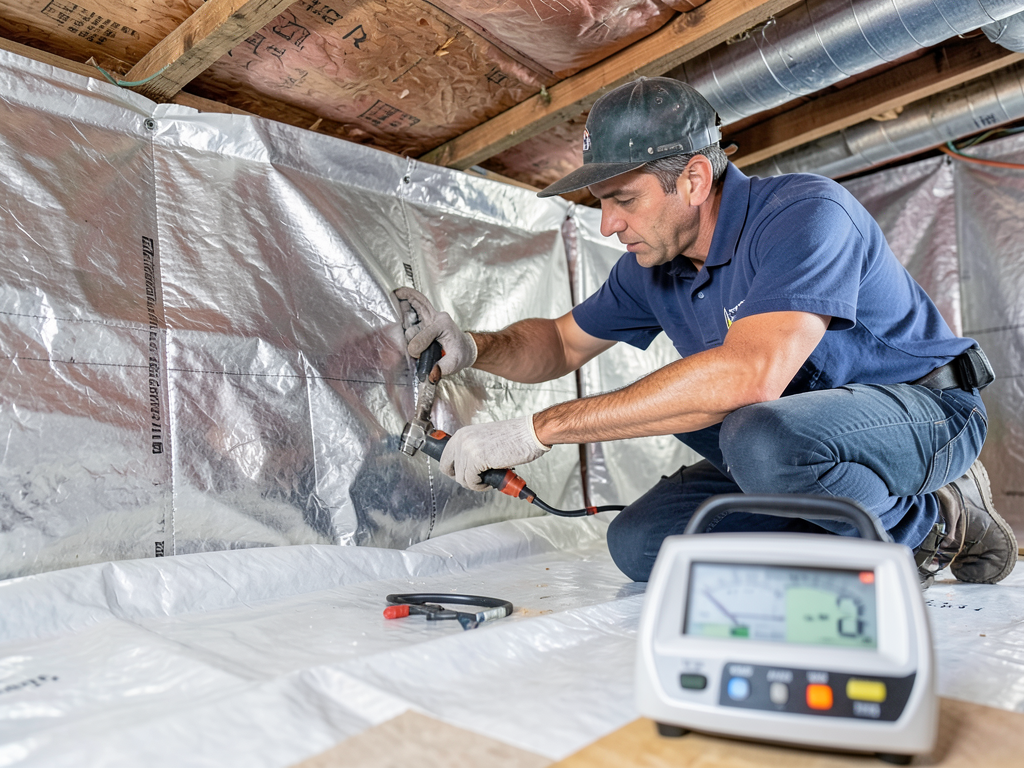
We use a multi-point detection protocol that goes beyond what home inspectors offer. Our process starts with a moisture audit using pin-type and pinless meters to map hidden water intrusion. We check every high-risk zone in your home, including the areas behind appliances, under flooring transitions, and inside HVAC plenums where condensation accumulates.

Thermal imaging cameras show us temperature anomalies that indicate moisture retention. When drywall stays cooler than surrounding surfaces, it signals trapped water. We document these readings and correlate them with visible damage patterns, odor reports, and occupant health complaints.

Air sampling captures spore concentrations in your living spaces and compares them to outdoor baselines. Elevated indoor counts of Stachybotrys, Aspergillus, or Penicillium species confirm active growth. We also take surface samples from suspicious areas and send them to accredited labs for species identification and colony counts.

Our borescope inspection allows us to see inside wall cavities without demolition. We drill small access holes near plumbing penetrations, exterior walls, and areas with visible water staining. The camera reveals mold growth on studs, insulation, and the backside of drywall that you would never find otherwise.

We test your crawl space humidity and check for standing water, vapor barrier failures, and organic debris that feeds microbial growth. Seattle homes with poor crawl space encapsulation show mold growth on floor joists and subfloor sheathing. This contamination migrates upward through air leaks and contaminates your living spaces through stack effect pressure.

The data we collect gives you a complete picture of where mold hides, how extensive the colonization is, and what environmental factors are feeding it.

What Happens During a Mold Detection Assessment

Signs of Hidden Mold in Seattle – Expert Detection and Testing Before the Problem Spreads
01

Initial Site Evaluation

We walk your property with you and document every area of concern. You describe the symptoms you have noticed, including odors, health issues, and visible damage. We inspect attics, crawl spaces, bathrooms, kitchens, and basements for moisture sources. We photograph problem areas and take baseline humidity readings in each room to identify zones with elevated moisture that supports mold growth.
02

Advanced Diagnostic Testing

We deploy thermal cameras to locate hidden moisture behind walls and ceilings. Moisture meters measure water content in building materials. Air samples capture spore concentrations throughout your home. Surface swabs test suspicious areas for mold species. Borescope cameras inspect wall cavities and other concealed spaces. Each test provides specific data about contamination type, severity, and location.
03

Detailed Findings Report

You receive a written report with lab results, thermal images, moisture maps, and photos of problem areas. We explain which mold species are present, where they are growing, and what moisture sources are feeding them. The report includes a prioritized remediation plan with scope of work details. You get clear next steps for addressing the contamination and preventing recurrence.

Why Seattle Homeowners Trust Our Mold Detection Expertise

Evergreen Water Damage Restoration Seattle has been identifying hidden mold in Seattle homes since before thermal imaging became standard practice. We understand how this city's unique climate and housing stock create mold problems that generic inspection protocols miss.

Most Seattle homes were built between 1940 and 1980, before modern moisture management standards. These houses have minimal vapor barriers, poor attic ventilation, and HVAC systems that were never designed for humidity control. We know where builders cut corners, where moisture accumulates, and where mold colonizes first. Our technicians have inspected thousands of Seattle properties, from Craftsman bungalows in Capitol Hill to mid-century ramblers in Lake City.

We are certified by the Indoor Air Quality Association and follow ANSI/IICRC S520 standards for mold assessment. Our lab partnerships provide fast turnaround on species identification and spore counts. We do not perform remediation based on our inspection findings, which eliminates the conflict of interest that plagues this industry. Our only goal is accurate detection.

Seattle's permitting requirements and disclosure laws make proper mold assessment critical before real estate transactions. We provide documentation that satisfies lender requirements and protects you from liability. Our reports clearly differentiate between cosmetic surface mold and structural contamination that requires professional remediation.

We respond to assessment requests within 24 hours because mold grows fast in Seattle's damp conditions. The longer you wait, the more spores colonize new areas and the more expensive remediation becomes. Early detection saves you money and protects your family from prolonged exposure to mycotoxins and allergens.

Our equipment inventory includes the most advanced detection tools available, and we invest in ongoing training to stay current with evolving assessment protocols.

What You Get From Our Mold Detection Service

Fast Response and Scheduling

We schedule your assessment within 48 hours of your call. Most inspections take two to four hours depending on your home size and the number of problem areas you have identified. We work around your schedule and can accommodate evening or weekend appointments. Lab results typically return within three to five business days. You receive preliminary findings the same day as the inspection, including moisture readings and visual observations that require immediate attention.

Comprehensive Property Assessment

Our technicians inspect every high-risk area in your home, including attics, crawl spaces, basements, bathrooms, kitchens, and exterior envelope penetrations. We check behind appliances, inside HVAC systems, and under flooring where water damage has occurred. Thermal imaging reveals hidden moisture in walls and ceilings. Moisture meters quantify water content in wood, drywall, and concrete. Air and surface samples capture mold species and spore concentrations. You get a complete picture of contamination extent and severity.

Actionable Written Report

You receive a detailed report with lab results, thermal images, moisture maps, and annotated photos. The report identifies mold species present, contamination locations, moisture sources feeding growth, and recommended corrective actions. We prioritize remediation steps based on health risk and structural impact. The documentation satisfies insurance requirements, real estate disclosure obligations, and lender due diligence demands. You understand exactly what needs to be fixed and why.

Post-Remediation Verification

After remediation work is complete, we perform clearance testing to confirm mold has been properly removed. New air samples verify that spore counts have returned to normal levels. Visual inspection confirms that contaminated materials were removed and moisture sources were corrected. Moisture readings document that affected areas have dried to acceptable levels. You receive a clearance certificate that protects you from future liability and confirms the work was done correctly.

Frequently Asked Questions

You Have Questions,
We Have Answers

How can you tell if you have hidden mold in your house? +

Look for musty odors in basements, crawl spaces, or behind walls. Check for water stains, discoloration, or peeling paint on ceilings and walls. Seattle's high humidity creates mold-friendly conditions in poorly ventilated bathrooms and attics. Feel for warped wood or soft drywall. Listen for unexplained coughing or allergy symptoms that worsen indoors. Inspect under sinks and around window frames for condensation buildup. Mold thrives in damp crawl spaces common to older Seattle homes. If you smell mold but cannot see it, you need a professional inspection to locate hidden growth behind walls or under flooring.

What are signs of mold sickness? +

Mold exposure triggers respiratory issues like persistent coughing, wheezing, or throat irritation. You may experience sinus congestion, headaches, or chronic fatigue that improves when you leave the house. Skin rashes or itchy eyes are common. Some people develop asthma symptoms or worsening allergies. Seattle's damp climate amplifies these reactions. Watch for unexplained nosebleeds or difficulty concentrating. If multiple household members show similar symptoms without an obvious cause, hidden mold may be the culprit. Symptoms vary based on sensitivity and mold type. Prolonged exposure can lead to serious respiratory infections requiring medical attention.

Can mold cause a baby to cough? +

Yes. Infants have developing immune systems and smaller airways, making them vulnerable to mold spores. A persistent cough without fever or infection may indicate mold exposure. You might notice wheezing, rapid breathing, or congestion that does not respond to standard treatments. Seattle homes with crawl space moisture or poor ventilation put babies at risk. Mold spores irritate sensitive lung tissue, causing inflammation. If your baby's cough worsens at night or in specific rooms, inspect those areas for hidden mold. Consult your pediatrician immediately and arrange a professional mold inspection to protect your child's health.

Can mold cause twitching? +

Mold exposure can cause neurological symptoms, including muscle twitching or tremors. Mycotoxins from certain mold species affect the nervous system, disrupting normal muscle control. You may experience involuntary spasms, numbness, or tingling sensations. These symptoms often accompany headaches, brain fog, or dizziness. Seattle's damp climate encourages toxic mold growth in water-damaged buildings. If you notice unexplained twitching along with respiratory issues or cognitive problems, mold exposure may be the cause. This requires immediate medical evaluation and professional mold remediation. Document your symptoms and their timing to help doctors identify the connection.

Can I test for mold in the air myself? +

Home test kits exist but provide limited accuracy. They collect spore samples on plates or strips but cannot identify mold types or concentration levels. Seattle's outdoor mold spores can contaminate results, making interpretation difficult. DIY tests miss hidden mold behind walls or under flooring. Professional air quality testing uses calibrated equipment to measure spore counts and identify species. Certified inspectors understand Seattle's specific mold challenges and know where to sample. If you suspect mold, invest in professional testing rather than wasting money on unreliable home kits. Accurate results guide proper remediation and protect your family's health.

Can doctors check if you've been exposed to mold? +

Yes. Doctors can order blood tests to check for mold antibodies or mycotoxin exposure. They may perform skin prick tests for mold allergies or analyze urine for mycotoxin metabolites. Pulmonary function tests assess lung damage from prolonged exposure. Be prepared to describe your symptoms, their duration, and your home environment. Seattle's damp climate makes mold exposure common, so doctors here understand these health concerns. Bring documentation of visible mold or recent water damage. Medical testing confirms exposure but does not locate the mold source. You still need professional mold inspection and remediation to eliminate the health hazard.

How Seattle's Persistent Rain Creates Hidden Mold Growth in Wall Cavities

Seattle receives 38 inches of rain annually, but the number that matters more is 150 days of measurable precipitation. Your home never fully dries out between storms. Exterior walls absorb moisture from wind-driven rain, especially on west and southwest exposures. Poor flashing details around windows and doors allow water to penetrate wall cavities where it saturates insulation and framing. The mold starts growing on the back side of siding, on wall studs, and inside insulation batts. You cannot see it until water staining appears on interior drywall, which means the problem has been developing for months.

Seattle building codes now require better moisture management, but most homes predate these standards. Homes built before 1985 lack proper vapor barriers and rely on natural ventilation that does not work in marine climates. Our technicians understand how Seattle's housing stock fails and where moisture intrusion occurs first. We know which neighborhoods have poor drainage, which construction methods trap moisture, and which remodeling shortcuts create mold problems. This local knowledge makes our assessments more accurate and helps us find contamination that out-of-area inspectors miss.


Water Damage Restoration Services in The Seattle Area

Evergreen proudly serves Seattle and its surrounding communities with professional water damage restoration you can count on. Whether you’re downtown, in the suburbs, or nearby, our responsive team is just a call away. View our service area on the map to see if we’re available in your neighborhood. We’re committed to helping local homeowners and businesses recover fast—so if you need help, we’ll come to you. Use the map below to locate our base or service radius and reach out anytime.

Address:
Evergreen Water Damage Restoration Seattle, 600 Stewart St, Seattle, WA, 98101

Additional Services We Offer

Our news updates

Latest Articles & News from The Blogs

How to Stop Your Lake Forest Park Deck from Leaking into the Rooms Below If water from your deck seeps…

How to Stop Your Lake Forest Park Deck from Leaking into the Rooms Below

How to Stop Your Lake Forest Park Deck from Leaking into the Rooms Below If water from your deck seeps…

Why Your West Seattle Retaining Wall Could Be the Cause of Your Wet Basement

Why Your West Seattle Retaining Wall Could Be the Cause of Your Wet Basement \n\n West Seattle’s dramatic topography of…

Fixing Moisture Problems in Your Mukilteo Home After a Heavy Fog Season

Fixing Moisture Problems in Your Mukilteo Home After a Heavy Fog Season Living near Puget Sound means dealing with persistent…

Contact Us

Do not wait for visible mold growth to confirm what you already suspect. Call Evergreen Water Damage Restoration Seattle at (564) 220-5525 right now to schedule your comprehensive mold assessment. We will find the hidden contamination and give you a clear plan for fixing it.