



Auburn sits at the confluence of the Green and White Rivers, making water intrusion a constant reality for property owners. The valley location traps moisture, and the region's 38 inches of annual rainfall saturates soil from October through May. Homes in neighborhoods near the Green River, including Lea Hill and West Hill, face groundwater seepage through basement walls during heavy rain events.
Auburn's clay-heavy soil does not absorb water quickly. Rain pools on the surface and finds entry points through foundation cracks, aging window wells, and deteriorating weatherproofing. The freeze-thaw cycles common in Puget Sound winters expand those cracks wider each year. Properties built before 1990, common throughout Auburn, lack modern vapor barriers and waterproofing standards.
Add in aging infrastructure, sump pump failures during power outages, and burst pipes from subfreezing temperatures, and water damage becomes inevitable. The Pacific Northwest climate creates perfect conditions for mold growth within 24 to 48 hours of water exposure. Auburn property owners need rapid water removal and thorough structural drying to prevent secondary damage that costs more than the initial flood. Water intrusion is not a matter of if, but when.
Evergreen Water Damage Restoration Seattle has extracted water from Auburn basements, dried flooded crawl spaces, and salvaged water-damaged structures throughout King County for years. We know the specific challenges Auburn properties face because we work here every day. Our technicians understand how water moves through the clay soil common to the Green River Valley, how moisture accumulates in poorly ventilated crawl spaces under older homes, and which neighborhoods flood first during atmospheric rivers.
We maintain truck-mounted extraction equipment stationed near Auburn, cutting response time when you need help immediately. While other companies dispatch from Seattle and add travel time to your emergency, our crews reach Auburn properties within the critical first hour. That speed difference stops water from spreading, reduces structural damage, and saves contents other services would write off as total losses.
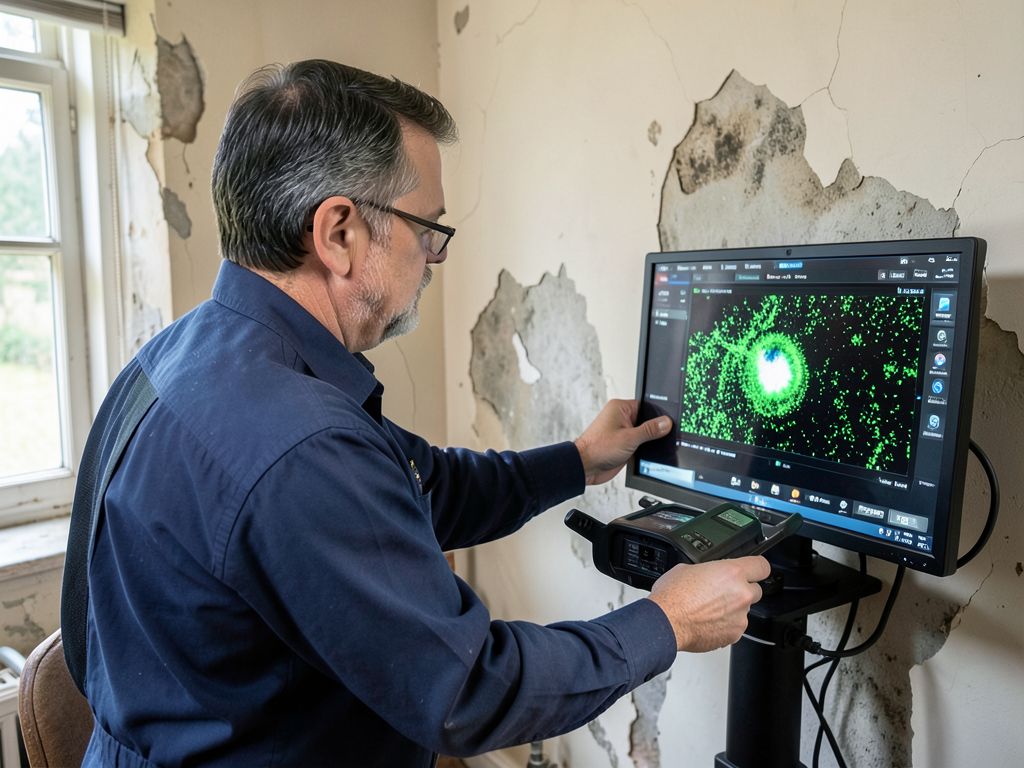
Our approach eliminates the chaos that follows flooding. You make one call to Evergreen. We handle water extraction, structural drying, antimicrobial treatment, insurance documentation, and communication with adjusters. You receive daily updates on moisture readings and drying progress, not silence and surprise bills. We use thermal imaging to find hidden moisture in wall cavities and under flooring, preventing mold growth that appears months later.
Auburn property owners choose us because we do what we say. We arrive when promised, finish when estimated, and bill exactly what we quoted. No hidden charges for after-hours service. No surprise fees for equipment. Your property gets restored to pre-loss condition while you receive the insurance settlement you deserve. We fight for full coverage while you focus on getting life back to normal.

We station equipment and crews near Auburn to reach flooded properties within one hour of your call. Fast water extraction prevents structural damage, saves hardwood floors, and stops mold before it starts. Every minute counts when water is spreading through your home. We arrive prepared to start work immediately, not hours later after driving from Seattle.

We document every aspect of water damage with photos, moisture readings, and detailed loss reports that insurance adjusters require. Our technicians know exactly what your policy covers and how to present the claim for maximum reimbursement. You receive help navigating the insurance process, not a bill that exceeds your coverage. We coordinate directly with adjusters to eliminate confusion.
Our water damage specialists hold IICRC certifications in water damage restoration and applied structural drying. They follow proven protocols for moisture detection, drying chamber setup, and mold prevention. You get technicians who understand building science, not laborers with shop vacs. Proper training means thorough drying, accurate moisture tracking, and no callbacks for hidden problems discovered later.
We work in Auburn neighborhoods daily and understand the specific water intrusion patterns your property faces. Homes near the Green River need different approaches than properties in Lea Hill. Our technicians know local construction methods, common failure points, and which Auburn homes need crawl space attention versus basement waterproofing. Local knowledge prevents incomplete drying and recurring problems.
Water damage takes many forms, from sudden flooding to slow leaks that go unnoticed for months. Evergreen Water Damage Restoration Seattle provides the full range of water damage mitigation and restoration services Auburn properties need. We handle active flooding with emergency water extraction, then dry the structure completely using industrial dehumidifiers and air movers. Our antimicrobial treatments prevent mold growth, and our reconstruction services restore damaged walls, flooring, and ceilings.
Every water loss is different. A burst pipe floods your home in minutes with clean water. Storm flooding brings contaminated groundwater that requires different handling protocols. Sewage backups demand specialized cleanup and disinfection. We adjust our approach based on water category, contamination level, and which building materials absorbed moisture. Auburn property owners need a water damage company that handles everything from initial extraction through final reconstruction. You should not coordinate three different contractors while your home sits damaged. One call to Evergreen manages the entire restoration from start to finish.
Flooding does not follow a schedule. Our 24-hour emergency response team arrives at your Auburn property with truck-mounted extraction equipment that removes hundreds of gallons per minute. We extract standing water from basements, crawl spaces, and flooded rooms before it spreads further or soaks into structural materials. Fast water removal limits damage to flooring, drywall, and personal belongings. Our technicians assess the water source, stop active intrusion, and begin extraction immediately. You need water out of your home now, not tomorrow.
Removing standing water is step one. Drying the structure completely is what prevents mold growth, wood rot, and long-term damage. We use thermal imaging to locate hidden moisture in wall cavities, under flooring, and in ceiling spaces. Industrial dehumidifiers pull moisture from the air while air movers create airflow that speeds evaporation from wet materials. Our technicians monitor moisture levels daily with pin meters and document drying progress. Auburn's humid climate makes proper structural drying critical. We do not leave until moisture readings return to normal.
Mold starts growing within 24 to 48 hours in Puget Sound's humid environment. Our antimicrobial treatments eliminate mold spores and bacteria before they colonize water-damaged materials. We treat affected surfaces, apply microbial growth inhibitors, and address contamination from category 2 or 3 water sources. Sewage backups and groundwater flooding require specialized disinfection protocols that our certified technicians follow exactly. Auburn property owners cannot afford mold remediation costs that exceed the original water damage repair. Prevention costs less than remediation every time.
Auburn's location in the Green River Valley creates specific water intrusion challenges that property owners battle year after year. The combination of heavy rainfall, clay soil, aging homes, and river proximity means water finds ways into basements, crawl spaces, and living areas. Understanding these common problems helps Auburn residents recognize warning signs before minor issues become major losses.
Winter storms bring days of sustained rainfall that saturates the ground. Water tables rise, pushing groundwater through foundation cracks and up through basement floors. Spring snowmelt from the Cascade foothills adds runoff volume that overwhelms drainage systems. Properties in low-lying areas near the Green and White Rivers face the highest risk, but even homes on hillsides experience water intrusion when gutters fail or grading directs water toward foundations. Older Auburn homes lack modern waterproofing, vapor barriers, and proper foundation drainage. Each heavy rain tests these aging systems until something fails and water enters living spaces.
Auburn's high water table forces groundwater through foundation cracks, floor-wall joints, and basement windows during heavy rain. Clay soil prevents water from draining away from foundations, creating hydrostatic pressure that pushes moisture through concrete. Homes without perimeter drains or sump pumps flood repeatedly each winter. Groundwater carries soil, bacteria, and contaminants that require professional cleanup and structural drying to prevent mold growth.
Puget Sound freeze events cause pipes in unheated crawl spaces, exterior walls, and attics to burst without warning. Water flows for hours before homeowners discover the damage. A single burst pipe releases hundreds of gallons that flood multiple rooms, soak insulation, and damage ceilings. Auburn homes with poor insulation face the highest risk. Fast water extraction and structural drying prevent secondary damage that costs more than the initial flood.
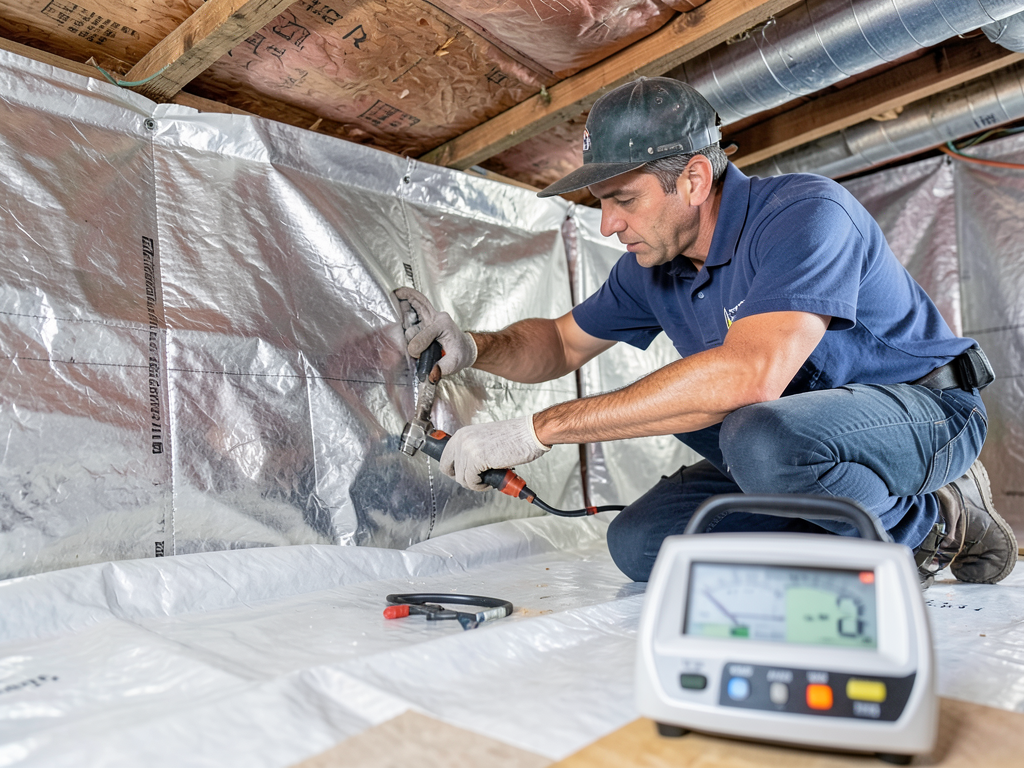
Many Auburn homes sit on crawl space foundations that collect water from poor drainage, plumbing leaks, and groundwater intrusion. Standing water in crawl spaces promotes mold growth on floor joists, destroys insulation, and creates moisture problems throughout the home. Musty odors, warped flooring, and increased heating costs signal crawl space water issues. Proper water extraction, structural drying, and vapor barrier installation solve recurring moisture problems.
Wind-driven rain penetrates aging roofing, failed flashing, and clogged gutters during Auburn's fall and winter storms. Water enters attics, runs down interior walls, and damages ceilings before homeowners notice leaks. Roof water intrusion requires immediate attention to prevent insulation damage, electrical hazards, and mold growth in wall cavities. Thermal imaging locates hidden moisture that standard inspections miss. Complete structural drying prevents problems that appear months later.
Water damage creates chaos and panic. You need help immediately, but you also need to know what happens next. Evergreen Water Damage Restoration Seattle eliminates uncertainty with clear communication, documented processes, and transparent service delivery. From the moment you call our emergency line to final invoice, you know exactly what we are doing, why we are doing it, and what it costs.
Our process starts with your phone call. You speak with a trained specialist who asks specific questions about your water damage, not a call center reading a script. We gather information about water source, affected areas, and property access while dispatching a crew to your Auburn location. You receive an estimated arrival time and a direct phone number to reach your assigned technician. No automated updates or generic text messages. Real communication from the people doing the work. Once our crew arrives, they assess damage, explain the restoration plan, and begin work immediately. You receive daily updates on drying progress, moisture readings, and timeline adjustments. Questions get answered the same day, not three business days later.
Your emergency call triggers immediate crew dispatch to your Auburn property. Our technicians arrive with extraction equipment, moisture detection tools, and assessment forms ready. We walk through affected areas, identify the water source, document damage with photos and moisture readings, and explain the restoration process in clear terms. You know what needs to happen, how long it takes, and what your insurance should cover before we begin work. No surprises or confusing technical jargon. Just honest assessment and a clear plan.
Water damage restoration takes days, not hours. Our technicians check moisture levels daily and adjust equipment placement to optimize drying. You receive updates each day about drying progress, moisture readings, and estimated completion. Questions about the process, insurance coverage, or timeline get answered by phone or text the same day. You talk directly to the technician managing your project, not a customer service department. We explain what we find, what it means, and what happens next in language that makes sense.
Insurance companies require detailed documentation to process water damage claims. We photograph damage before, during, and after restoration. Our moisture logs show readings at each inspection point throughout the drying process. Itemized estimates break down labor, equipment, and materials so adjusters see exactly what you are paying for. We communicate directly with your insurance adjuster and provide documentation they request. You receive copies of everything we submit. Our goal is full claim approval, not disputed invoices and delayed payment.
Water damage restoration follows a proven sequence that stops damage, dries structures completely, and restores your property to pre-loss condition. Evergreen Water Damage Restoration Seattle uses this three-step process on every Auburn water damage project.
We arrive at your Auburn property with truck-mounted extraction units and portable pumps that remove standing water immediately. Our technicians locate the water source, stop active flooding if possible, and extract water from all affected areas. Furniture gets moved to dry areas, and wet contents are documented for insurance claims. We pull up soaked carpeting, remove damaged padding, and extract water from flooring substrates. Fast water removal limits damage and reduces drying time. You see results within the first hour.
After extraction, we place industrial dehumidifiers and air movers throughout affected areas to dry structural materials completely. Thermal imaging cameras locate moisture hidden in walls, under flooring, and in ceiling cavities. Our technicians monitor moisture levels daily with pin meters and adjust equipment placement to optimize airflow and evaporation rates. Drying continues until moisture readings return to normal levels. Auburn's humid climate makes thorough structural drying critical to prevent mold growth and wood rot.
Once structures are completely dry, we apply antimicrobial treatments to prevent mold growth and clean all affected surfaces. Salvageable contents are cleaned and returned. Damaged drywall, insulation, flooring, and trim are replaced to match existing materials. Our reconstruction crew handles everything from minor repairs to complete room rebuilds. You receive one invoice for the entire project, not separate bills from multiple contractors. Your Auburn property is restored to pre-loss condition and ready for occupancy.
Professional water damage restoration follows industry standards established by the Institute of Inspection, Cleaning and Restoration Certification. These protocols classify water damage by contamination level and guide proper restoration procedures. Understanding water categories helps Auburn property owners recognize why different water sources require different cleanup approaches.
Category 1 water comes from sanitary sources like supply lines, faucets, and water heaters. This clean water poses no immediate health risk, but it must be extracted quickly before it degrades to Category 2. Burst pipes and water heater failures typically release Category 1 water. Category 2 water contains contaminants that cause discomfort or illness if contacted or consumed. Washing machine overflows, dishwasher leaks, and toilet bowl overflows with urine but no feces fall into Category 2. This water requires antimicrobial treatment during cleanup. Category 3 water is grossly contaminated and contains pathogenic agents. Sewage backups, flooding from rivers and streams, and any water that has contacted soil or waste materials requires specialized cleanup procedures, personal protective equipment, and thorough disinfection.
Restoration standards also classify materials as Class 1 through Class 4 based on evaporation rate and affected surface area. Class 1 affects minimal space with materials that absorb little water. Class 4 involves specialty drying for hardwood, plaster, concrete, and stone that absorb water slowly. Auburn properties often require Class 3 or Class 4 drying due to crawl space flooding, basement water intrusion, and moisture absorption in older building materials. Proper classification determines equipment placement, drying time, and restoration cost. Insurance adjusters follow these same standards when evaluating claims. Documentation that proves proper procedures were followed protects property owners from claim denials.
The Institute of Inspection, Cleaning and Restoration Certification establishes water damage restoration standards that professional companies follow. IICRC S500 provides guidelines for water damage mitigation including moisture detection, structural drying, and antimicrobial treatment. Certified technicians understand psychrometry, drying science, and proper equipment usage. Auburn property owners should verify their water damage company employs IICRC-certified technicians who follow documented protocols. Proper training prevents incomplete drying and recurring moisture problems.
Water damage restoration costs depend on water category, affected square footage, structural materials damaged, and drying complexity. Clean water extraction costs less than sewage cleanup. Drying 200 square feet takes less equipment and time than drying 2000 square feet. Hardwood floors, plaster walls, and concrete slabs require longer drying times than carpet and drywall. Insurance coverage varies by policy, but most homeowners policies cover sudden and accidental water damage while excluding flood and gradual leaks.
Structural drying typically requires three to seven days depending on material saturation, humidity levels, and airflow. Auburn's humid winter climate extends drying time compared to drier regions. Concrete basement floors, crawl space soil, and hardwood flooring release moisture slowly and need extended drying. Our technicians monitor moisture levels daily and adjust equipment placement to optimize drying speed. Removing equipment before structures reach normal moisture content guarantees mold growth and wood rot within weeks.
Mold grows in 24 to 48 hours when moisture and organic materials combine in temperatures above 40 degrees. Puget Sound's mild winters and humid conditions create perfect mold growth environments. Antimicrobial treatments applied during water cleanup kill mold spores and prevent colonization. HEPA air filtration removes airborne spores during drying. Materials that cannot be dried within 48 hours may require removal to prevent contamination. Professional mold prevention costs less than remediation after growth occurs.
Professional water damage restoration tutorial for Auburn property owners covering emergency water extraction procedures, structural drying techniques, and mold prevention protocols. Learn how IICRC-certified technicians handle flooding from burst pipes, groundwater seepage, and storm damage. Explains water damage categories, drying equipment usage, and insurance documentation requirements. Demonstrates thermal imaging for moisture detection, proper air mover placement, and antimicrobial treatment application to prevent mold growth in Auburn's humid climate.
Evergreen Water Damage Restoration Seattle provides emergency water extraction and structural drying throughout Auburn and surrounding King County areas. Our crews respond to water damage calls from Lea Hill to West Hill, from properties near the Green River to homes in Auburn's historic downtown district. We know these neighborhoods because we work in them daily, handling basement floods in valley-area homes, crawl space water intrusion in hillside properties, and burst pipe emergencies in older Auburn residences near Main Street.
Properties in the Lakeland Hills area face different water intrusion challenges than homes near the Green River. Hillside homes battle surface water runoff and poor lot grading that directs water toward foundations. Valley properties near the river deal with high water tables, groundwater seepage, and seasonal flooding during heavy rain events. Older homes in Auburn's West Hill neighborhood were built before modern waterproofing standards and lack proper foundation drainage. Each area requires specific water damage solutions based on geography, construction era, and soil conditions.
We serve Auburn residents from the Cascade Highlands development south to Algona, east toward Lea Hill, and west to the Pacific Highway corridor. Our service area includes adjacent communities like Kent, Federal Way, and Enumclaw where Auburn residents work and shop. When water damage strikes your King County property, you need a restoration company familiar with local building methods, soil types, and the water intrusion patterns specific to Puget Sound's wet climate. Distance matters during emergencies. Our Auburn-area response capability means we arrive faster than Seattle-based companies adding 30 to 45 minutes of travel time to your crisis.
Auburn's position in the Green River Valley makes every property vulnerable to water damage. Whether you own a newer home in the North Auburn plateau area or a historic residence near downtown, water intrusion is a constant threat. Our technicians understand how water moves through Auburn's clay soil, where it accumulates during storms, and which neighborhoods flood first when the Green River rises. Local knowledge makes the difference between complete restoration and recurring water problems.
Water damage restoration costs in Auburn vary by severity and source. Minor leaks affecting one room typically range from a few hundred to a couple thousand dollars. Major flooding from Auburn's winter storms or burst pipes can cost significantly more, depending on structural damage, contamination level, and square footage affected. Category 3 water (sewage) requires specialized handling and costs more than clean water extraction. Most homeowners insurance policies cover sudden water damage, reducing your out-of-pocket expense. Get a professional assessment within 24 hours to prevent mold growth, which increases restoration costs.
Yes. Professional water damage restoration prevents catastrophic problems that cost far more later. Auburn's humid climate accelerates mold growth within 24 to 48 hours of water exposure. Untreated water damage compromises structural integrity, ruins insulation, warps flooring, and creates health hazards. DIY attempts miss hidden moisture in wall cavities and subfloors, leading to rot and mold behind surfaces. Professional restoration includes moisture detection, antimicrobial treatment, and structural drying that protects your home's value. Insurance companies often require professional documentation for claims. The upfront investment prevents tens of thousands in future repairs.
Water damage repair costs depend on extent and contamination level. Small incidents like a leaking appliance cost less than major flooding from Auburn's heavy rainfall or pipe failures. Clean water extraction is less expensive than black water remediation. Costs include water removal, drying equipment, antimicrobial treatment, and repairs to damaged materials like drywall, flooring, and insulation. Delays increase expenses because moisture spreads and mold develops quickly in Auburn's climate. Most insurance policies cover sudden water damage, though deductibles apply. Acting fast minimizes damage spread and keeps costs manageable.
Water damage restoration costs in Auburn vary by severity and source. Minor leaks affecting one room typically range from a few hundred to a couple thousand dollars. Major flooding from Auburn's winter storms or burst pipes can cost significantly more, depending on structural damage, contamination level, and square footage affected. Category 3 water (sewage) requires specialized handling and costs more than clean water extraction. Most homeowners insurance policies cover sudden water damage, reducing your out-of-pocket expense. Get a professional assessment within 24 hours to prevent mold growth, which increases restoration costs.
Yes. Professional water damage restoration prevents catastrophic problems that cost far more later. Auburn's humid climate accelerates mold growth within 24 to 48 hours of water exposure. Untreated water damage compromises structural integrity, ruins insulation, warps flooring, and creates health hazards. DIY attempts miss hidden moisture in wall cavities and subfloors, leading to rot and mold behind surfaces. Professional restoration includes moisture detection, antimicrobial treatment, and structural drying that protects your home's value. Insurance companies often require professional documentation for claims. The upfront investment prevents tens of thousands in future repairs.
Water damage repair costs depend on extent and contamination level. Small incidents like a leaking appliance cost less than major flooding from Auburn's heavy rainfall or pipe failures. Clean water extraction is less expensive than black water remediation. Costs include water removal, drying equipment, antimicrobial treatment, and repairs to damaged materials like drywall, flooring, and insulation. Delays increase expenses because moisture spreads and mold develops quickly in Auburn's climate. Most insurance policies cover sudden water damage, though deductibles apply. Acting fast minimizes damage spread and keeps costs manageable.
Water damage repair time ranges from three to seven days for straightforward cases, but severe flooding can take several weeks. Initial water extraction and equipment setup happen within hours of your call. Structural drying takes two to five days depending on materials affected and humidity levels. Auburn's wet climate can extend drying times. After drying, repairs begin: replacing drywall, flooring, insulation, and damaged fixtures. Mold remediation adds time if growth has started. Complex projects involving crawl spaces, basements, or multiple floors require longer restoration periods.
Water damage repair time ranges from three to seven days for straightforward cases, but severe flooding can take several weeks. Initial water extraction and equipment setup happen within hours of your call. Structural drying takes two to five days depending on materials affected and humidity levels. Auburn's wet climate can extend drying times. After drying, repairs begin: replacing drywall, flooring, insulation, and damaged fixtures. Mold remediation adds time if growth has started. Complex projects involving crawl spaces, basements, or multiple floors require longer restoration periods.
Evergreen proudly serves Seattle and its surrounding communities with professional water damage restoration you can count on. Whether you’re downtown, in the suburbs, or nearby, our responsive team is just a call away. View our service area on the map to see if we’re available in your neighborhood. We’re committed to helping local homeowners and businesses recover fast—so if you need help, we’ll come to you. Use the map below to locate our base or service radius and reach out anytime.
Address:
Auburn, WA, 98001
Why Your Broadmoor Home Needs a Specialized Drying Plan for Custom Plaster Walls When water infiltrates your Broadmoor home's custom plaster walls, standard drywall drying techniques can cause irreversible damage. The historic plaster walls common…

How to Stop Your Lake Forest Park Deck from Leaking into the Rooms Below If…

Why Your West Seattle Retaining Wall Could Be the Cause of Your Wet Basement \n\n…
Fixing Moisture Problems in Your Mukilteo Home After a Heavy Fog Season Living near Puget…
Water damage gets worse every hour you wait. Call Evergreen Water Damage Restoration Seattle now at (564) 220-5525 for immediate dispatch to your Auburn property. Our crews are ready 24 hours a day, seven days a week to stop water damage and start restoration.