
menu

Water Heater Burst Cleanup in Seattle – 60-Minute Emergency Response Stops Damage Fast

When your water heater ruptures, every minute counts. Evergreen Water Damage Restoration Seattle deploys certified technicians to your door within one hour, extracting standing water and preventing structural collapse before catastrophic loss occurs.

Slider Image 1
Slider Image 2
Slider Image 3
Slider Image 4
Slider Image 5
Slider Image 7
Slider Image 8
Slider Image 9
Slider Image 10
Slider Image 11

Why Water Heater Failures Flood Seattle Homes Without Warning

Your water heater just exploded. Fifty gallons of scalding water now covers your basement floor. The panic is real.

Seattle's soft water supply corrodes tank interiors faster than most homeowners expect. The constant moisture in crawl spaces and basements accelerates external rust. When a tank fails, it does not leak. It ruptures. The pressure relief valve cannot handle the volume. Water floods out at full force.

Burst hot water tank cleanup demands immediate action. Water migrates through drywall, insulation, and subflooring within minutes. In Queen Anne's older homes, water seeps into wall cavities you cannot see. In Ballard's split-level construction, gravity pulls water into finished living spaces below. The longer you wait, the deeper the saturation spreads.

Emergency water heater water removal stops the cascade. You need extraction equipment on-site before the water reaches electrical panels, HVAC systems, or load-bearing beams. Seattle's marine climate keeps relative humidity high year-round. Wet building materials stay wet. Mold colonization begins in 24 to 48 hours.

Water heater flood damage restoration is not a DIY project. You face contaminated water if the tank sat against a concrete slab. You face electrical hazards if the breaker box got wet. You face structural instability if joists absorb moisture and sag.

Ruptured water heater cleanup services require industrial-grade extractors, thermal imaging cameras to find hidden moisture, and dehumidifiers powerful enough to dry out enclosed spaces. Homeowners using shop vacs and box fans make the problem worse. Surface drying does not address trapped moisture. The damage continues below the visible layer.

This is an emergency. The clock is ticking. The water is spreading.

Why Water Heater Failures Flood Seattle Homes Without Warning
How We Execute Burst Water Heater Extraction in Seattle Homes

How We Execute Burst Water Heater Extraction in Seattle Homes

We do not show up with a wet vac and hope for the best. Our water heater burst cleanup protocol follows IICRC S500 standards for water damage restoration. We bring truck-mounted extraction units that pull thousands of gallons per hour. We use moisture meters calibrated to measure water content in wood, drywall, and concrete. We deploy air movers that create controlled airflow patterns to accelerate evaporation without spreading contaminants.

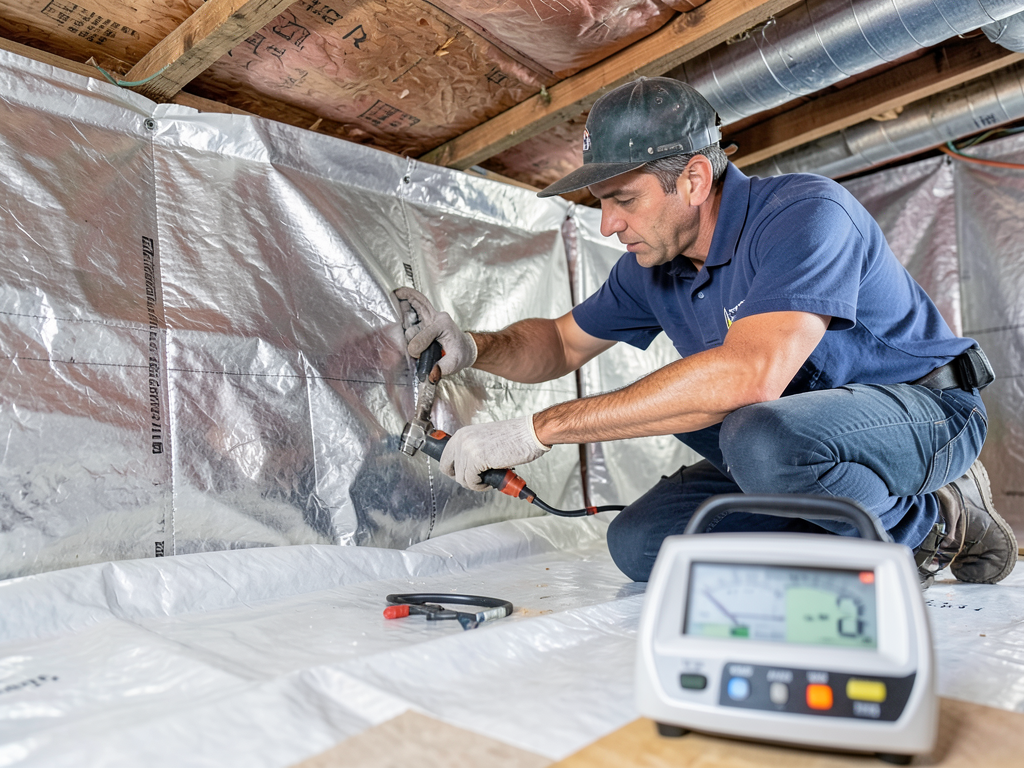
First, we shut off your water supply and verify electrical safety. If the breaker panel is compromised, we work with a licensed electrician before proceeding. We document the extent of the flood with thermal imaging. This shows us where water traveled behind walls and under flooring. Insurance adjusters need this documentation. You need it to prove the scope of loss.

Next, we extract standing water using high-capacity pumps. We pull water from carpet padding, subflooring gaps, and crawl space voids. We remove soaked insulation that cannot be salvaged. In Seattle's timber-frame homes, water trapped in floor joists causes wood rot. We drill weep holes to release trapped moisture and prevent long-term structural damage.

We then set up a drying chamber. Commercial dehumidifiers pull moisture from the air. Air movers force dry air across wet surfaces. We monitor the drying process with hygrometers and moisture meters. Drying is not complete when surfaces feel dry to the touch. We dry to industry-standard moisture content levels. Anything above that threshold invites microbial growth.

We apply antimicrobial treatments to affected surfaces. Seattle's damp climate creates ideal conditions for mold. We do not give it a chance to establish. We treat subflooring, wall cavities, and any porous material that stayed wet for more than 12 hours.

This is precision work. We do not guess. We measure, extract, dry, and verify.

What Happens When You Call for Emergency Water Heater Cleanup

Water Heater Burst Cleanup in Seattle – 60-Minute Emergency Response Stops Damage Fast
01

Immediate Dispatch and Assessment

We answer your call and dispatch a crew within 60 minutes. Our technician arrives with extraction equipment, moisture detection tools, and containment barriers. We assess the water source, shut off supply lines, and identify electrical hazards. We document the damage with photos and thermal imaging for your insurance claim. You get a verbal outline of the mitigation plan before we start extraction.
02

Water Extraction and Containment

We deploy truck-mounted pumps to remove standing water from floors, carpets, and subflooring. We pull soaked insulation and padding that cannot be dried. We set up containment barriers to prevent water migration into unaffected rooms. We extract water from wall cavities using specialized injection ports. Every gallon removed now is structural damage prevented later. We work fast, but we work thoroughly.
03

Controlled Drying and Verification

We install industrial dehumidifiers and air movers to create a controlled drying environment. We monitor moisture levels daily using calibrated meters. We adjust airflow and dehumidification based on real-time readings. Drying continues until all affected materials reach acceptable moisture content levels per IICRC standards. We provide you with a drying log and final moisture readings. Your home is structurally dry and ready for repairs.

Why Seattle Homeowners Choose Evergreen Water Damage Restoration Seattle for Water Heater Floods

We know Seattle. We know how water behaves in Capitol Hill's brick foundations. We know how Fremont's post-and-beam construction traps moisture in hidden pockets. We know that West Seattle's hillside homes let water run downhill into lower levels. This is not generic knowledge. This is boots-on-the-ground experience in your neighborhoods.

We respond to water heater bursts faster than national franchises. Our crews stage equipment locally. We do not dispatch from Tacoma or Everett and call it rapid response. When you call us, you get a Seattle-based technician who knows your street layout and can navigate traffic to reach you in under an hour.

We work directly with your insurance carrier. We document loss according to Xactimate standards. We provide moisture maps, drying logs, and before-and-after photos that adjusters need to approve your claim. We do not inflate estimates. We provide accurate scope-of-work documentation that speeds up approval and gets your repairs funded faster.

Our technicians hold IICRC certifications in water damage restoration. We follow the ANSI/IICRC S500 standard for professional water damage restoration. We do not guess at drying times. We measure. We verify. We document. This matters when your insurance company questions the scope of work. We provide the data they need to approve your claim without delay.

We also understand Seattle's building codes. If your water heater burst damaged structural elements, repairs must meet current code requirements. We coordinate with licensed contractors who know Seattle's permit process. We make sure repairs pass inspection the first time.

You need a crew that knows Seattle's construction styles, Seattle's climate, and Seattle's insurance landscape. That is what we deliver. We do not subcontract. We do not cut corners. We show up, we fix the problem, and we document everything.

What to Expect During Water Heater Burst Cleanup in Seattle

Response Time and Availability

We operate 24 hours a day, 365 days a year. Water does not wait for business hours. When your water heater ruptures at midnight, we answer the phone. We dispatch a crew immediately. You can expect a technician at your door within 60 minutes of your call, anywhere in the greater Seattle metro area. We bring extraction equipment, moisture detection tools, and containment barriers on the first trip. We do not assess the damage and come back later. We start mitigation the moment we arrive. Speed matters. Every hour of delay increases structural damage and microbial risk. We treat your emergency like the emergency it is.

Initial Assessment and Documentation

Our technician performs a complete moisture assessment using thermal imaging cameras and penetrating moisture meters. We identify all affected areas, including hidden moisture in wall cavities and subflooring. We document the extent of water migration with photos and moisture readings. This documentation supports your insurance claim. We provide you with a written scope of work that outlines the extraction process, drying timeline, and equipment deployment. You know exactly what we will do and how long it will take. We answer your questions before we start work. Transparency builds trust. You deserve to know what is happening in your home.

Drying Results and Structural Integrity

We do not declare a job complete until moisture levels meet IICRC standards. We provide you with final moisture readings for all affected materials. Your floors, walls, and subflooring will be structurally dry and safe for reconstruction. We remove all equipment only after verification testing confirms acceptable moisture content. You receive a detailed drying log that shows daily moisture readings throughout the process. This documentation proves to your insurance company that mitigation was performed correctly. You also get peace of mind knowing that hidden moisture will not cause mold growth or wood rot months later. We dry your home completely, or we do not leave.

Post-Mitigation Support and Coordination

After drying is complete, we coordinate with your insurance adjuster and your contractor to ensure a smooth transition to repairs. We provide all documentation needed for claim approval. We answer follow-up questions from adjusters or contractors about moisture levels or affected areas. If you need referrals to licensed contractors familiar with Seattle building codes, we provide them. We do not disappear after extraction. We stay available until your home is fully restored. Our job is not just to dry your home. Our job is to get you back to normal as quickly as possible with minimal disruption and maximum support.

Frequently Asked Questions

You Have Questions,
We Have Answers

What to do when a hot water heater bursts? +

Shut off the water supply immediately. Turn the valve clockwise on the cold water pipe above the tank. Cut power to the unit at the breaker box if electric, or turn off the gas valve if gas-powered. Do not step in standing water if electrical lines are nearby. Move valuables and electronics away from the affected area. Call a professional water damage restoration team right away. Seattle homes often sit on crawl spaces, so leaks can seep into flooring and subfloors fast. Document the damage with photos for your insurance claim before cleanup begins.

What to do when a hot water heater blows? +

When a water heater blows, turn off the water supply at the cold water inlet valve above the tank. Next, kill power to the unit at the breaker or shut the gas valve. Evacuate the area if you smell gas or see steam. Do not attempt repairs yourself. Hot water under pressure can cause severe burns. Call a 24/7 emergency water damage restoration service immediately. Seattle's older homes near Capitol Hill or Ballard may have aging plumbing systems that complicate cleanup. Professionals extract water, dry structural materials, and prevent mold growth within 24 to 48 hours.

How much is a 40 gallon water heater worth in scrap? +

A 40-gallon water heater typically yields 30 to 50 dollars in scrap metal value, depending on current steel prices and local recyclers in Seattle. Most tanks contain steel and small amounts of copper or brass. However, scrap value is minimal compared to the water damage a burst unit can cause. Your priority should be professional cleanup and drying, not salvage. Some Seattle-area recyclers or utility programs offer free removal or rebates for old units. Focus on mitigating water damage to floors, drywall, and insulation before worrying about scrap value.

Can I do laundry with a broken water heater? +

No, do not use your washing machine with a broken or burst water heater. The appliance requires both hot and cold water connections. A damaged tank can leak more water into your home or cause electrical hazards if the unit is still connected to power. You risk flooding your laundry room or basement further. In Seattle, many homes have basements or crawl spaces where water can spread quickly and damage joists or subflooring. Wait until a professional completes the water heater replacement and confirms all water damage is cleaned and dried.

Is it common for water heaters to burst? +

Water heater bursts are uncommon but not rare. They happen most often in units over 10 years old or when sediment buildup causes pressure imbalances. Seattle's mineral-rich water supply can accelerate sediment accumulation, especially in older neighborhoods like Queen Anne or Fremont. Lack of maintenance, faulty pressure relief valves, or corrosion increase the risk. A sudden burst can release 30 to 50 gallons of water in minutes, causing significant structural damage. Annual inspections and flushing the tank reduce the chance of catastrophic failure. If your unit is aging, replace it proactively.

Can I take a shower with a broken water heater? +

You can shower with a broken water heater, but you will only get cold water. If the tank has burst or leaked, do not use any water in your home until a professional assesses the damage. Water from a compromised unit can spread contamination or cause hidden leaks behind walls and under floors. In Seattle's cooler climate, cold showers are uncomfortable and impractical. If you suspect a leak or burst, shut off the water supply immediately and call a restoration team. Using plumbing fixtures while water damage is present can worsen the problem and delay drying.

What could cause a water heater to explode? +

Excessive pressure inside the tank is the primary cause of water heater explosions. When the temperature and pressure relief valve fails, steam builds up and can rupture the tank violently. Sediment buildup at the bottom reduces heat transfer, causing the burner to overheat the water. Faulty thermostats or gas control valves also contribute. In Seattle, older homes with outdated plumbing codes may lack proper venting or expansion tanks, increasing explosion risk. A loud rumbling or popping sound before failure is a warning sign. Regular maintenance and valve testing prevent catastrophic bursts.

Does insurance cover a water heater explosion? +

Most homeowners insurance policies cover water heater explosions if the damage is sudden and accidental. Coverage typically includes structural repairs, flooring replacement, and content damage. However, insurers may deny claims if neglect or lack of maintenance caused the failure. In Seattle, policies often require documentation, so take photos immediately after the incident. Water damage restoration costs can exceed thousands of dollars, especially if mold develops. Your deductible applies, and insurers usually do not cover the cost of the water heater itself. Contact your adjuster quickly and hire a professional restoration team to begin mitigation.

What does it mean when your hot water heater pops? +

Popping or rumbling sounds from your water heater indicate sediment buildup at the bottom of the tank. Minerals in Seattle's water supply settle and harden over time, creating pockets where steam bubbles form and burst. This noise signals your unit is working harder and less efficiently. If ignored, sediment can crack the tank lining, causing leaks or a full rupture. Flush your water heater annually to remove buildup. If popping persists after flushing, the tank may be corroding internally. Replace the unit before it fails and causes water damage to your home.

What is the lifespan of a 40-gallon water heater? +

A 40-gallon water heater lasts 8 to 12 years on average, depending on water quality, maintenance, and usage. Seattle's mineral-rich water can shorten lifespan if the tank is not flushed regularly. Units in homes with hard water or high sediment levels may fail sooner. Check the manufacture date on the serial number sticker. If your heater is over 10 years old, consider replacement before it bursts. Older tanks are more prone to leaks and catastrophic failure, which can cause thousands of dollars in water damage to floors, walls, and personal belongings.

How Seattle's Marine Climate Accelerates Water Heater Corrosion and Flood Risk

Seattle's proximity to Puget Sound keeps year-round humidity levels between 70 and 85 percent. This constant moisture accelerates external tank corrosion, especially in unheated basements and crawl spaces common in Ballard, Wallingford, and Greenwood homes. Saltwater air compounds the problem in waterfront neighborhoods like Alki and Magnolia. Water heaters in these environments rust faster than units in drier climates. The combination of external corrosion and internal sediment buildup creates catastrophic failure conditions. When a tank ruptures in Seattle, the ambient humidity slows natural evaporation, keeping building materials wet longer and increasing mold risk significantly.

Evergreen Water Damage Restoration Seattle operates under Washington State contractor regulations and follows Seattle Department of Construction and Inspections guidelines for water damage mitigation. We understand local building codes that apply when water damage affects structural elements in older Seattle homes. Our technicians know how to navigate insurance claims with carriers operating in King County. We work regularly with adjusters familiar with Seattle's unique construction styles, from Craftsman bungalows in Columbia City to mid-century splits in Ravenna. Local expertise matters when your home floods. We know the terrain, the construction, and the systems that make Seattle homes unique.


Water Damage Restoration Services in The Seattle Area

Evergreen proudly serves Seattle and its surrounding communities with professional water damage restoration you can count on. Whether you’re downtown, in the suburbs, or nearby, our responsive team is just a call away. View our service area on the map to see if we’re available in your neighborhood. We’re committed to helping local homeowners and businesses recover fast—so if you need help, we’ll come to you. Use the map below to locate our base or service radius and reach out anytime.

Address:
Evergreen Water Damage Restoration Seattle, 600 Stewart St, Seattle, WA, 98101

Additional Services We Offer

Our news updates

Latest Articles & News from The Blogs

How to Stop Your Lake Forest Park Deck from Leaking into the Rooms Below If water from your deck seeps…

How to Stop Your Lake Forest Park Deck from Leaking into the Rooms Below

How to Stop Your Lake Forest Park Deck from Leaking into the Rooms Below If water from your deck seeps…

Why Your West Seattle Retaining Wall Could Be the Cause of Your Wet Basement

Why Your West Seattle Retaining Wall Could Be the Cause of Your Wet Basement \n\n West Seattle’s dramatic topography of…

Fixing Moisture Problems in Your Mukilteo Home After a Heavy Fog Season

Fixing Moisture Problems in Your Mukilteo Home After a Heavy Fog Season Living near Puget Sound means dealing with persistent…

Contact Us

Your water heater burst. The water is spreading. Call (564) 220-5525 now. We dispatch a crew within 60 minutes. We extract the water, dry your home, and document everything for your insurance claim. Do not wait. Every minute increases the damage.