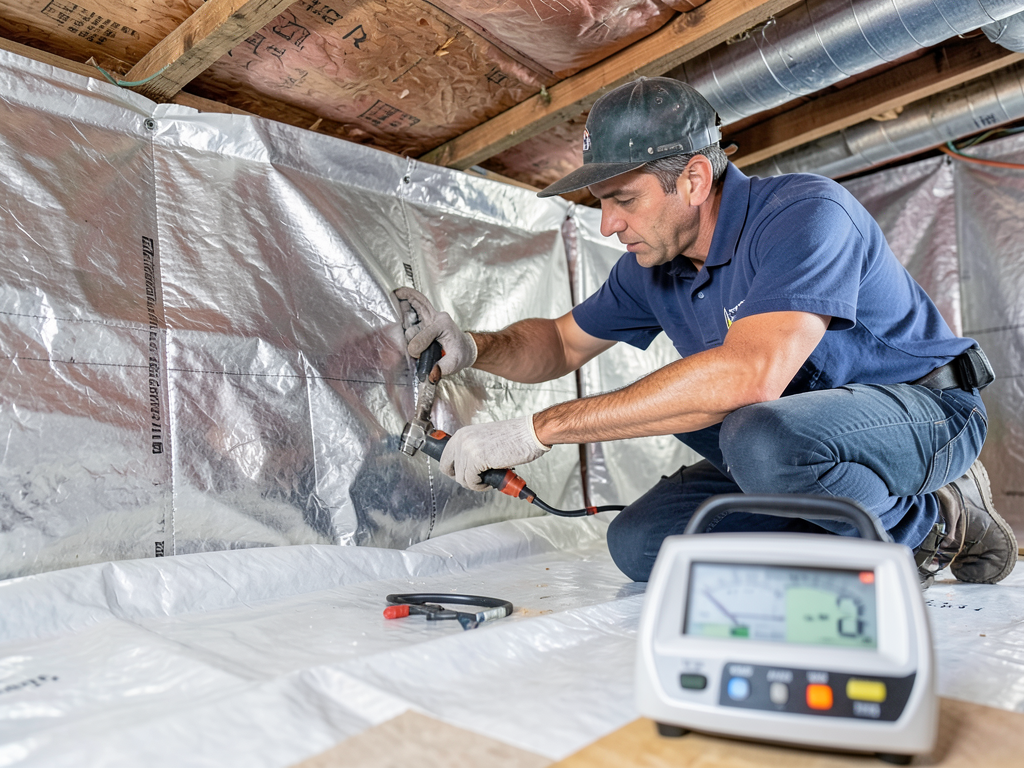



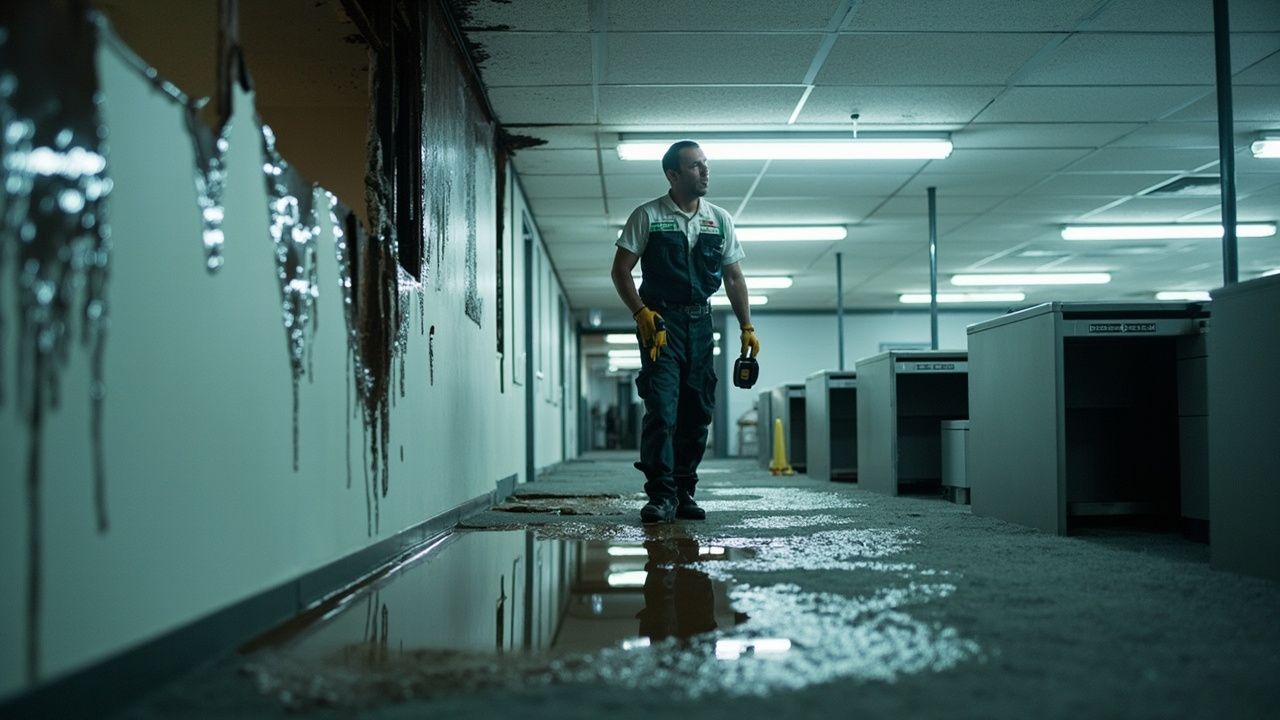
Seattle's average relative humidity hovers between 70 and 80 percent from October through May. This elevated ambient moisture level accelerates microbial growth after water intrusion events. Commercial buildings with central HVAC systems create additional risk because contaminated air circulates through ductwork into unaffected office suites. Office building water restoration must include HVAC system inspection and containment barriers to prevent cross-contamination. The 48-hour window for preventing mold growth shrinks to 24 to 36 hours in Seattle's climate. Property managers cannot afford delayed response when ambient conditions actively work against drying efforts.
Evergreen Water Damage Restoration Seattle maintains relationships with commercial property management firms throughout King County and understands Seattle's commercial building stock. We know that pre-1990 office buildings in the financial district often have cast iron drain lines prone to corrosion failures. Post-2000 construction in South Lake Union typically features concrete podium structures with wood-frame upper floors, requiring different drying approaches. This local building knowledge lets us develop accurate scopes of work faster and avoid trial-and-error equipment placement that extends drying times and increases your costs.