


Renton sits at the southern tip of Lake Washington with the Cedar River cutting through downtown, creating constant flood exposure for properties near Coulon Memorial Beach Park and the South Renton neighborhoods. The city's position in the Green River Valley means heavy winter rains combine with rapid spring snowmelt from the Cascades, overwhelming drainage systems built in the 1950s and 60s. Properties in the Highlands and Kennydale experience basement seepage from hillside runoff, while lowland areas near Boeing facilities face rising groundwater during wet seasons. Renton's mix of older homes with cast iron plumbing and newer construction with PEX systems creates varied failure points. The region's moderate climate keeps crawl spaces damp year-round, accelerating wood rot and creating ideal conditions for mold colonization. When pipes freeze during rare cold snaps, Renton homes lack the insulation standards found in colder climates, leading to catastrophic burst pipe scenarios. Commercial properties along Rainier Avenue face stormwater backup from outdated city infrastructure during peak rainfall events.
Evergreen Water Damage Restoration Seattle maintains three response vehicles staged across King County, putting certified crews in Renton within one hour of your call. We don't subcontract emergency work to untrained technicians. Every team member carries IICRC Water Damage Restoration certification and completes annual training on thermal imaging, moisture mapping, and antimicrobial application protocols. Our equipment inventory includes truck-mounted extractors pulling 15 gallons per minute, not the small shop-vacs other companies use for initial water removal. We deploy hydroxyl generators instead of ozone machines, allowing you to remain in your property during treatment instead of evacuating for days. Evergreen technicians photograph and document every stage of mitigation for your insurance claim, and our project managers communicate directly with adjusters to expedite approval. We've restored over 400 Renton properties in the past five years, from flooded basements in the South End to burst pipe disasters in new Sunset Area developments. Our restoration approach follows ANSI/IICRC S500 standards, the insurance industry benchmark for proper water damage protocols. When other companies walk away after extraction, we stay through complete structural drying, antimicrobial treatment, and final clearance testing. Renton property owners choose Evergreen because we handle the entire restoration chain without handing you off to different contractors for demolition, drying, and reconstruction.

We dispatch certified crews from our King County staging locations within one hour, not the next business day. Our trucks carry truck-mounted extraction systems and industrial dehumidifiers, arriving ready to stop water damage immediately. Emergency calls get answered by technicians who can mobilize, not answering services that take messages.

Our project managers communicate directly with your insurance adjuster, submitting detailed photo documentation and moisture readings that expedite claim approval. We handle the paperwork while you handle your family. Most Renton homeowners get mitigation approved within 24 hours when we manage the insurance communication.
Every Evergreen technician holds current IICRC Water Damage Restoration certification and completes annual training on advanced drying techniques, thermal imaging interpretation, and antimicrobial protocols. We follow ANSI/IICRC S500 standards on every project, the same protocols insurance companies require for proper restoration work.
We handle extraction, structural drying, demolition, antimicrobial treatment, and reconstruction under one contract. You work with one project manager from emergency call to final walkthrough, not multiple contractors who blame each other for delays. Our crews know Renton building codes and permit requirements for proper restoration.
Water emergencies demand different response protocols based on contamination level, affected materials, and damage extent. Evergreen Water Damage Restoration Seattle structures our services around the three scenarios Renton property owners face most often. Category 1 clean water events like supply line breaks require rapid extraction and drying to prevent Category 2 degradation. Category 2 gray water from appliance failures or toilet overflows needs antimicrobial treatment during drying. Category 3 black water from sewage backups or river flooding requires complete affected material removal and aggressive decontamination. Our response vehicles carry equipment for all three scenarios, from basic extraction pumps to negative air machines that prevent cross-contamination during demolition. We assess your specific situation and deploy the appropriate water removal, structural drying, and restoration protocols. Renton's mix of residential and commercial properties means we handle everything from single-room bathroom floods to warehouse disasters requiring commercial-grade dehumidification systems.
When water invades your Renton property, extraction speed determines final damage costs. Our truck-mounted pumps remove standing water at 15 gallons per minute, pulling moisture from carpet, pad, and subfloor before it wicks into walls. We deploy thermal imaging cameras to locate hidden water in wall cavities and under flooring, then place extraction mats that pull moisture through capillary action. Immediate water removal prevents Category 1 clean water from degrading into Category 2 contaminated water within 48 hours.
After extraction, structural drying prevents mold growth and material failure. We install commercial dehumidifiers that remove 150 pints daily, circulating dry air through wall cavities with focused air movers. Technicians monitor moisture levels twice daily using penetrating and non-penetrating meters, adjusting equipment placement as drying progresses. Proper structural drying takes three to seven days depending on materials affected. We document moisture readings daily for your insurance company and don't remove equipment until materials reach acceptable moisture content per IICRC standards.
Water damage often requires demolition of unsalvageable materials before reconstruction begins. Our crews remove water-damaged drywall, insulation, and flooring, then treat framing with antimicrobial solutions before rebuilding. We match existing finishes and materials, pulling permits when required by Renton building codes. Reconstruction includes drywall installation, texture matching, paint, flooring replacement, and trim work. You get one invoice covering mitigation through final restoration instead of coordinating multiple contractors who delay your project by weeks.
Renton's climate and building stock create predictable water damage patterns. Properties built before 1980 have cast iron drain lines that corrode from the inside, causing catastrophic failures without warning. Homes in the Highlands face chronic basement moisture from hillside groundwater pressure during winter months. Commercial properties near the Cedar River deal with foundation seepage when water tables rise. Renton's freezing rain events cause ice dams on north-facing roofs, forcing melt water under shingles and into attics. Knowing which scenarios threaten your property type helps you recognize early warning signs before minor moisture becomes major damage. These four situations account for most emergency calls we receive from Renton residents and business owners.
Supply lines burst during rare freeze events or fail from age-related corrosion, releasing hundreds of gallons before the main valve gets shut. Homes built before 1990 have galvanized steel pipes that corrode internally, creating thin spots prone to rupture under normal pressure. We extract standing water, dry wall cavities, and coordinate with plumbers to prevent repeat failures in vulnerable pipe sections.
Renton's damp climate keeps crawl spaces wet year-round when vapor barriers fail or drainage systems clog. Standing water under homes creates ideal mold conditions and rots floor joists. We pump standing water, install commercial dehumidifiers, and treat framing with antimicrobials. Proper crawl space drying requires vapor barriers and perimeter drainage to prevent moisture return.
Tree roots invade aging sewer laterals or city main backups force sewage into Renton basements through floor drains. Category 3 black water requires complete removal of porous materials like drywall and carpet that can't be sanitized. We remove contaminated materials using containment barriers and negative air pressure, preventing sewage pathogens from spreading to clean areas during demolition.
Water emergencies create panic. You need clear information about what happens next, how long restoration takes, and what your property will look like during the process. Evergreen project managers explain every phase before work begins, from initial assessment through final walkthrough. You'll know exactly which materials we can dry in place versus what requires removal and replacement. We provide daily updates during drying, explaining moisture meter readings and equipment adjustments. Our crews respect your property, using floor protection and containment barriers to prevent cross-contamination between affected and clean areas. Most Renton homeowners worry about timeline, cost, and whether they need to relocate. We answer these questions during the initial assessment after evaluating damage extent and insurance coverage.
When you call our emergency line, a certified technician answers and dispatches a crew to your Renton property within 60 minutes. The responding team leader conducts a room-by-room assessment using thermal imaging and moisture meters to locate all affected areas, including hidden water in wall cavities. You receive a written scope of work explaining which materials we'll dry in place, what requires removal, and estimated timeline for each restoration phase.
Our technicians visit your property twice daily during structural drying, documenting moisture levels and adjusting equipment placement as materials dry. You receive text updates after each visit explaining current moisture readings and expected completion date. We photograph equipment placement and moisture documentation for your insurance company, eliminating surprise charges or scope creep. Most Renton properties reach acceptable moisture levels within five to seven days depending on materials affected.
After structural drying completes, our reconstruction crews begin rebuilding affected areas using materials that match your existing finishes. We pull required permits for electrical or plumbing work as mandated by Renton building codes. The final walkthrough includes post-restoration moisture testing and photo documentation showing your property returned to pre-loss condition. You receive a completion certificate and warranty covering our restoration work.
Effective water damage restoration follows a specific sequence. Skip steps or rush drying, and you'll face mold growth and structural failure within weeks. Our process follows IICRC S500 standards required by insurance companies.
Call our 24/7 emergency line at (564) 220-5525. A certified technician answers immediately, asks specific questions about your water source and damage extent, then dispatches the closest crew to your Renton location. Our response vehicles carry extraction equipment, moisture detection tools, and antimicrobial treatments. We arrive within 60 minutes and begin assessment while explaining each step of our restoration process.
Crews extract standing water using truck-mounted pumps, then place commercial dehumidifiers and air movers in strategic positions to dry structural materials. We use thermal imaging to locate hidden moisture, then inject drying air into wall cavities through small access holes. Antimicrobial treatments get applied to affected surfaces to prevent mold colonization during the three to seven day drying period required for most Renton water damage scenarios.
After moisture levels reach acceptable standards, we remove unsalvageable materials like wet insulation and damaged drywall. Reconstruction begins with antimicrobial-treated framing, followed by insulation, drywall, texture, paint, and flooring installation. Final clearance testing confirms all materials meet IICRC moisture standards. You receive documentation proving proper restoration for future property sales and insurance requirements.
The water damage restoration industry follows standards established by the Institute of Inspection Cleaning and Restoration Certification. ANSI/IICRC S500 defines three water categories based on contamination level and four classes based on evaporation rate. Category 1 includes clean water from supply lines, Category 2 covers gray water from appliances or toilet overflow, and Category 3 addresses black water from sewage or flooding. Class 1 affects minimal square footage with slow evaporation materials like concrete, while Class 4 involves specialty drying for hardwood, plaster, or stone requiring extended drying times. Renton building codes require permits for water damage reconstruction exceeding $7,500 or involving structural framing, electrical systems, or plumbing modifications. Washington State mandates antimicrobial treatment for any Category 2 or 3 water exposure to prevent microbial growth. Insurance companies base coverage on whether restoration companies follow IICRC protocols during mitigation. Proper documentation includes pre-loss photos, daily moisture readings, equipment logs, and post-restoration clearance testing. Thermal imaging cameras detect moisture invisible to visual inspection, preventing hidden water from causing deferred damage months after initial flooding. Psychrometric calculations determine proper dehumidifier placement and capacity based on room volume, temperature, and humidity levels. Moisture meters measure wood moisture content and use non-invasive scanning to detect wet drywall without creating unnecessary access holes. Understanding these technical standards helps Renton property owners evaluate restoration companies and ensure proper insurance claim documentation.
Technicians must complete Water Damage Restoration certification covering psychrometry, moisture detection, drying techniques, and antimicrobial application. Certification requires passing a comprehensive exam and completing continuing education every two years. Insurance companies often require IICRC certification before authorizing restoration work because certified technicians follow standardized protocols that prevent improper drying and hidden damage.
Water damage costs depend on contamination category, affected square footage, material types, and drying duration. Category 3 sewage requires complete material removal while Category 1 clean water often allows in-place drying. Hardwood flooring requires specialty drying mats and extended timelines compared to vinyl. Two-story water migration through ceiling assemblies doubles labor and equipment requirements compared to single-level flooding.
Emergency extraction happens within hours of our arrival. Structural drying requires three to seven days for most materials, with hardwood and plaster requiring extended periods. Reconstruction timelines depend on permit requirements and material availability, ranging from three days for simple drywall replacement to three weeks for kitchens requiring cabinet reinstallation. We provide written timelines during initial assessment based on your specific damage scenario.
Washington requires contractor licensing for any restoration work exceeding $1,000. Renton building permits are mandatory for electrical, plumbing, or structural work during reconstruction. Category 2 and 3 water exposure requires antimicrobial treatment per state health codes. Proper licensing, permitting, and treatment protocols protect property owners from liability and ensure insurance coverage for restoration work.
Professional water damage restoration expert explains emergency water removal, structural drying, and reconstruction processes for Renton homeowners. Video covers IICRC water contamination categories, proper drying timelines for different building materials, moisture detection techniques using thermal imaging, and insurance claim documentation requirements. Includes specific information about water damage challenges facing Renton properties due to regional climate, building age, and common plumbing failures.
Evergreen Water Damage Restoration Seattle maintains response capabilities throughout Renton's diverse neighborhoods, from the historic downtown core near the Cedar River to the hillside properties in the Highlands. The Kennydale area presents unique challenges with homes built into steep slopes, where groundwater pressure forces moisture through foundation walls during heavy rain periods. Properties in the Sunset neighborhood face basement flooding when the city's aging stormwater system overwhelms during peak rainfall. We've restored dozens of homes in the Rolling Hills and Cascade neighborhoods where newer construction features finished basements vulnerable to supply line failures and water heater ruptures. The East Renton Plateau sees different water damage patterns, with crawl space moisture problems common in mid-century ranch homes that lack modern vapor barriers and drainage systems. Commercial properties along Rainier Avenue South require rapid response to prevent business interruption, and we've handled emergency water removal for retail spaces, restaurants, and office buildings throughout this commercial corridor. The Renton Highlands area includes both older homes with cast iron plumbing prone to catastrophic failure and new construction where PEX crimping defects cause supply line leaks. Our crews know the building stock and common failure points in each Renton neighborhood, allowing faster diagnosis and targeted restoration approaches. We serve properties near the Boeing Renton Factory, where commercial water damage requires after-hours response to minimize production disruption. Residents near Coulon Memorial Beach Park face seasonal flooding risks when Lake Washington levels rise, and we've developed specific protocols for lakefront property restoration that address both immediate water removal and moisture vapor management. Whether you're in South Renton near the Rainier Avenue interchange with I-405 or in the northern neighborhoods near the King County boundary, Evergreen responds within one hour with appropriate equipment for your specific water damage scenario.
Water damage restoration in Renton typically costs between a few hundred to several thousand dollars, depending on the severity and affected area. A small leak in one room costs far less than basement flooding or structural damage. Factors include water category (clean, gray, or black water), square footage, materials affected, and necessary repairs. Renton's frequent rain and high humidity can complicate drying times, increasing labor costs. Emergency response after hours may add fees. Most reputable contractors provide free assessments to give you an accurate estimate before starting work.
Yes. Professional water damage restoration prevents secondary damage that costs far more to fix later. Unaddressed water leads to mold growth within 24 to 48 hours, structural rot, and electrical hazards. In Renton, where moisture levels stay elevated year-round, skipping restoration invites chronic mold and foundation problems. Insurance often covers restoration costs if you act quickly, but delays can void coverage. Professional drying, dehumidification, and sanitization protect your investment and your family's health. Attempting DIY fixes without proper equipment leaves hidden moisture pockets that deteriorate over time.
Water remediation is the initial emergency response. It involves stopping the water source, extracting standing water, and stabilizing the environment to prevent further damage. Think of it as triage. Water restoration is the complete repair process that follows remediation. This includes drying, dehumidifying, sanitizing, removing damaged materials, and rebuilding affected areas to pre-loss condition. In Renton, both steps are critical due to persistent moisture. You need remediation first to stop the crisis, then restoration to make your property livable and safe again.
Water damage restoration in Renton typically costs between a few hundred to several thousand dollars, depending on the severity and affected area. A small leak in one room costs far less than basement flooding or structural damage. Factors include water category (clean, gray, or black water), square footage, materials affected, and necessary repairs. Renton's frequent rain and high humidity can complicate drying times, increasing labor costs. Emergency response after hours may add fees. Most reputable contractors provide free assessments to give you an accurate estimate before starting work.
Yes. Professional water damage restoration prevents secondary damage that costs far more to fix later. Unaddressed water leads to mold growth within 24 to 48 hours, structural rot, and electrical hazards. In Renton, where moisture levels stay elevated year-round, skipping restoration invites chronic mold and foundation problems. Insurance often covers restoration costs if you act quickly, but delays can void coverage. Professional drying, dehumidification, and sanitization protect your investment and your family's health. Attempting DIY fixes without proper equipment leaves hidden moisture pockets that deteriorate over time.
Water remediation is the initial emergency response. It involves stopping the water source, extracting standing water, and stabilizing the environment to prevent further damage. Think of it as triage. Water restoration is the complete repair process that follows remediation. This includes drying, dehumidifying, sanitizing, removing damaged materials, and rebuilding affected areas to pre-loss condition. In Renton, both steps are critical due to persistent moisture. You need remediation first to stop the crisis, then restoration to make your property livable and safe again.
Stop the water source immediately if safe to do so. Turn off the main water valve for plumbing failures or move valuables to dry areas. Document everything with photos and videos for insurance claims. Contact a water damage restoration professional right away. Time matters. In Renton's humid climate, mold can start growing within 24 hours. Do not use household vacuums on standing water. Avoid entering rooms with electrical hazards. Open windows if weather permits to increase airflow, but professional extraction and drying equipment are essential for thorough moisture removal.
It depends on the cause. Homeowners insurance typically covers sudden and accidental water damage, like burst pipes, appliance malfunctions, or roof leaks from storms. Renton residents often file claims after heavy rainfall damages roofs or overwhelms gutters. Insurance usually does not cover gradual damage from neglect, such as slow leaks you ignored or poor maintenance. Flood damage from natural disasters requires separate flood insurance. Sewer backups may need an endorsement. Review your policy and file claims immediately. Delays can result in denial, especially if mold develops from waiting too long.
Yes, water damage repair can be expensive because of the hidden scope. What looks like surface damage often extends into walls, subfloors, and insulation. Renton's older homes may have additional complications like outdated plumbing or poor drainage systems. Costs include water extraction, industrial drying equipment, antimicrobial treatment, material removal, and reconstruction. Black water (sewage) requires specialized hazmat protocols, increasing expenses. Delaying repairs multiplies costs as mold spreads and wood rots. Insurance may offset some expenses, but out-of-pocket costs for uninsured damage or deductibles add up quickly.
Servpro and similar franchises typically complete water damage restoration in three to five days for minor incidents, but extensive damage can take weeks. Drying time depends on water volume, affected materials, humidity levels, and airflow. In Renton, where ambient moisture stays high, drying takes longer even with industrial dehumidifiers. Each company operates independently, so response times vary. Always get a written timeline estimate. If you need faster service or more personalized attention, local Renton restoration specialists often provide quicker mobilization and dedicated project management compared to national chains.
Yes, mold can return after remediation if moisture problems are not fixed. Remediation removes existing mold, but spores exist everywhere. If leaks, condensation, or poor ventilation persist, mold regrows. In Renton, high humidity and frequent rain create ideal conditions for recurrence. Proper remediation includes identifying and eliminating the moisture source, not just scrubbing visible mold. Use dehumidifiers, fix grading issues around foundations, and repair roof leaks. Without addressing the root cause, mold returns within weeks. Post-remediation moisture monitoring ensures the environment stays dry and mold-free long-term.
Water damage is expensive because it affects multiple building systems simultaneously. Water migrates through walls, floors, and ceilings, requiring extensive demolition to access hidden moisture. Renton's climate keeps materials damp longer, extending drying time and labor costs. You pay for emergency response, industrial extraction and drying equipment, antimicrobial treatments, disposal of unsalvageable materials, and reconstruction. Specialized tools like thermal cameras and moisture meters ensure thoroughness. Delaying treatment multiplies costs as mold and rot spread. Insurance deductibles and uninsured losses add financial strain. Comprehensive restoration protects your property value and prevents health hazards.
Very likely. Mold begins growing within 24 to 48 hours after water exposure if conditions are right. Renton's mild, wet climate accelerates mold growth even faster. Porous materials like drywall, insulation, and carpet absorb moisture quickly and provide ideal mold habitats. Even after visible water disappears, hidden moisture in wall cavities or under flooring feeds mold colonies. Professional restoration uses moisture meters and infrared cameras to detect trapped water. Without proper drying and dehumidification, mold is almost guaranteed. Act immediately after water damage to prevent costly mold remediation down the line.
Stop the water source immediately if safe to do so. Turn off the main water valve for plumbing failures or move valuables to dry areas. Document everything with photos and videos for insurance claims. Contact a water damage restoration professional right away. Time matters. In Renton's humid climate, mold can start growing within 24 hours. Do not use household vacuums on standing water. Avoid entering rooms with electrical hazards. Open windows if weather permits to increase airflow, but professional extraction and drying equipment are essential for thorough moisture removal.
It depends on the cause. Homeowners insurance typically covers sudden and accidental water damage, like burst pipes, appliance malfunctions, or roof leaks from storms. Renton residents often file claims after heavy rainfall damages roofs or overwhelms gutters. Insurance usually does not cover gradual damage from neglect, such as slow leaks you ignored or poor maintenance. Flood damage from natural disasters requires separate flood insurance. Sewer backups may need an endorsement. Review your policy and file claims immediately. Delays can result in denial, especially if mold develops from waiting too long.
Yes, water damage repair can be expensive because of the hidden scope. What looks like surface damage often extends into walls, subfloors, and insulation. Renton's older homes may have additional complications like outdated plumbing or poor drainage systems. Costs include water extraction, industrial drying equipment, antimicrobial treatment, material removal, and reconstruction. Black water (sewage) requires specialized hazmat protocols, increasing expenses. Delaying repairs multiplies costs as mold spreads and wood rots. Insurance may offset some expenses, but out-of-pocket costs for uninsured damage or deductibles add up quickly.
Servpro and similar franchises typically complete water damage restoration in three to five days for minor incidents, but extensive damage can take weeks. Drying time depends on water volume, affected materials, humidity levels, and airflow. In Renton, where ambient moisture stays high, drying takes longer even with industrial dehumidifiers. Each company operates independently, so response times vary. Always get a written timeline estimate. If you need faster service or more personalized attention, local Renton restoration specialists often provide quicker mobilization and dedicated project management compared to national chains.
Yes, mold can return after remediation if moisture problems are not fixed. Remediation removes existing mold, but spores exist everywhere. If leaks, condensation, or poor ventilation persist, mold regrows. In Renton, high humidity and frequent rain create ideal conditions for recurrence. Proper remediation includes identifying and eliminating the moisture source, not just scrubbing visible mold. Use dehumidifiers, fix grading issues around foundations, and repair roof leaks. Without addressing the root cause, mold returns within weeks. Post-remediation moisture monitoring ensures the environment stays dry and mold-free long-term.
Water damage is expensive because it affects multiple building systems simultaneously. Water migrates through walls, floors, and ceilings, requiring extensive demolition to access hidden moisture. Renton's climate keeps materials damp longer, extending drying time and labor costs. You pay for emergency response, industrial extraction and drying equipment, antimicrobial treatments, disposal of unsalvageable materials, and reconstruction. Specialized tools like thermal cameras and moisture meters ensure thoroughness. Delaying treatment multiplies costs as mold and rot spread. Insurance deductibles and uninsured losses add financial strain. Comprehensive restoration protects your property value and prevents health hazards.
Very likely. Mold begins growing within 24 to 48 hours after water exposure if conditions are right. Renton's mild, wet climate accelerates mold growth even faster. Porous materials like drywall, insulation, and carpet absorb moisture quickly and provide ideal mold habitats. Even after visible water disappears, hidden moisture in wall cavities or under flooring feeds mold colonies. Professional restoration uses moisture meters and infrared cameras to detect trapped water. Without proper drying and dehumidification, mold is almost guaranteed. Act immediately after water damage to prevent costly mold remediation down the line.
Evergreen proudly serves Seattle and its surrounding communities with professional water damage restoration you can count on. Whether you’re downtown, in the suburbs, or nearby, our responsive team is just a call away. View our service area on the map to see if we’re available in your neighborhood. We’re committed to helping local homeowners and businesses recover fast—so if you need help, we’ll come to you. Use the map below to locate our base or service radius and reach out anytime.
Address:
Renton, WA, 98057
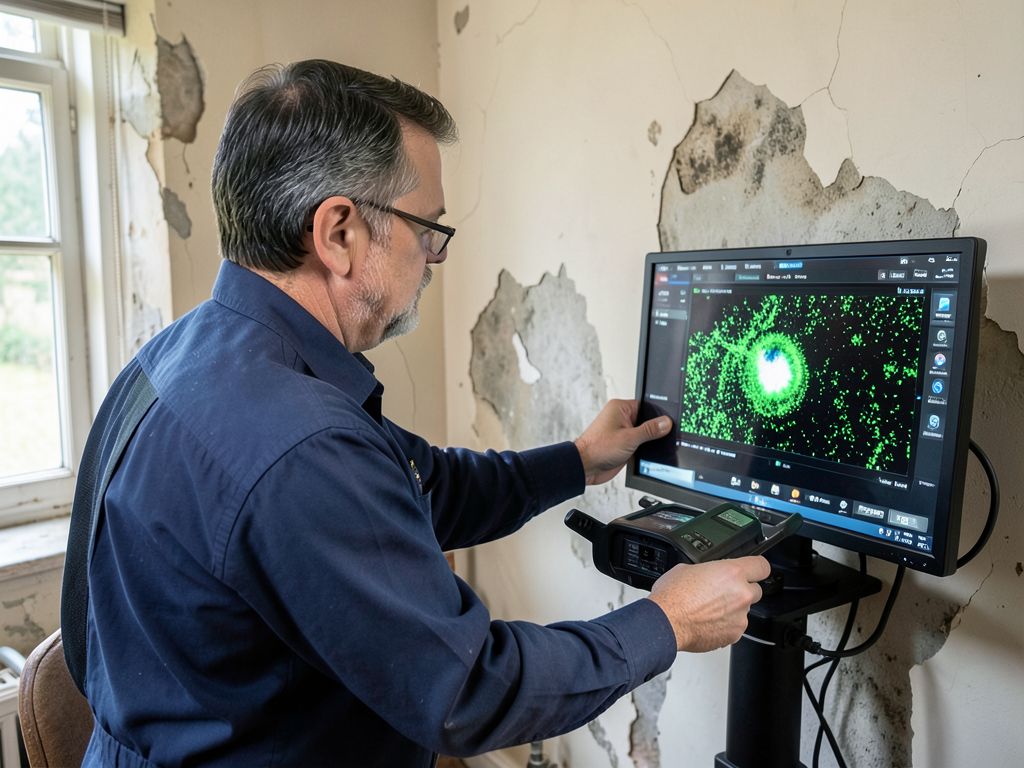
Why Your Broadmoor Home Needs a Specialized Drying Plan for Custom Plaster Walls When water infiltrates your Broadmoor home's custom plaster walls, standard drywall drying techniques can cause irreversible damage. The historic plaster walls common…

How to Stop Your Lake Forest Park Deck from Leaking into the Rooms Below If…

Why Your West Seattle Retaining Wall Could Be the Cause of Your Wet Basement \n\n…
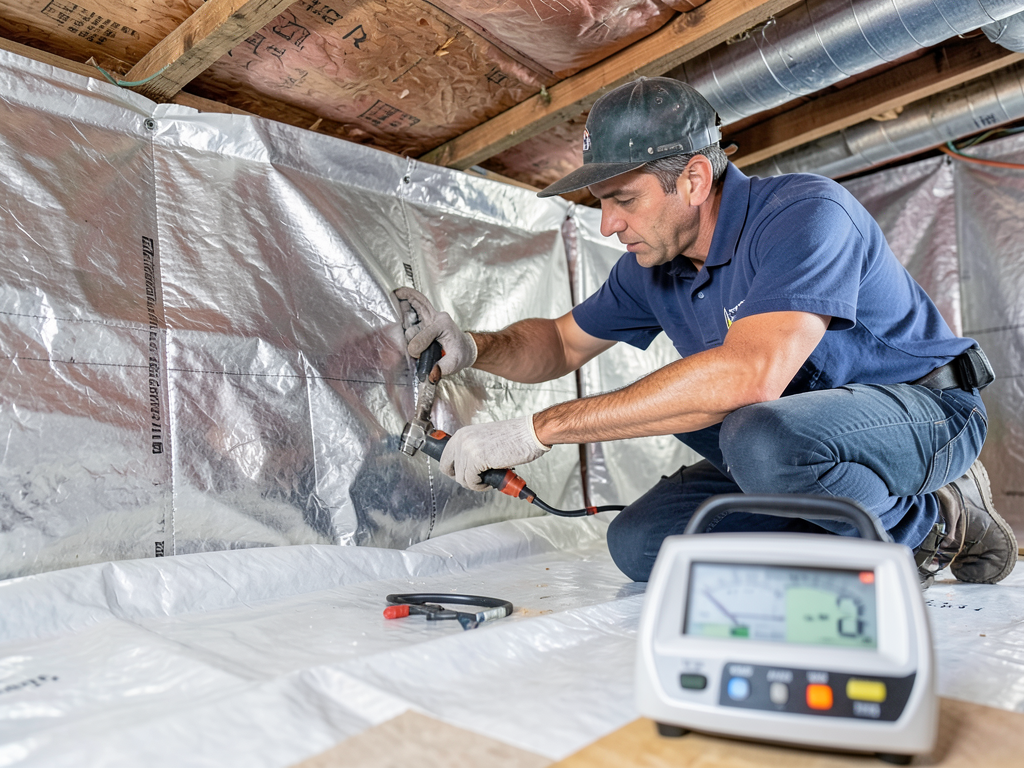
Fixing Moisture Problems in Your Mukilteo Home After a Heavy Fog Season Living near Puget…
Water spreads every minute you wait. Call Evergreen Water Damage Restoration Seattle now at (564) 220-5525 for emergency response in Renton. Our certified crews arrive within 60 minutes with truck-mounted extraction equipment ready to stop damage and start your property recovery.