
menu

Emergency Roof Leak Tarping in Seattle – 24/7 Response to Stop Water Damage in Minutes

When your roof is leaking and rain is pouring into your Seattle home or business, every second counts. Our emergency roof tarping crews respond immediately to secure your property, stop active leaks, and prevent thousands in additional water damage while you arrange permanent repairs.

Slider Image 1
Slider Image 2
Slider Image 3
Slider Image 4
Slider Image 5
Slider Image 7
Slider Image 8
Slider Image 9
Slider Image 10
Slider Image 11

Seattle's Rain and Wind Create Roof Emergencies Without Warning

You are standing in your living room watching water pour through your ceiling. The storm outside is relentless, and you need someone to stop the leak right now.

Seattle receives an average of 150 days of precipitation annually. The combination of sustained rainfall and Pacific wind gusts creates roof vulnerabilities that can fail suddenly. A missing shingle becomes a saturated attic. A cracked flashing becomes a collapsing ceiling. Tree branches puncture composite roofing during windstorms that blow in from Puget Sound.

When your roof fails during active weather, you face a cascading emergency. Water spreads through insulation, saturates drywall, and migrates into wall cavities. Electrical systems become hazards. Mold colonization begins within 24 to 48 hours in Seattle's humid climate.

Emergency temporary roof covering stops the crisis immediately. A professionally installed tarp creates a watertight barrier over the compromised section of your roof. This urgent roof tarping service prevents additional water intrusion while you work with insurance adjusters and schedule permanent repairs.

The difference between a contained leak and catastrophic interior damage is measured in hours, not days. Seattle homeowners near Green Lake, Capitol Hill, and West Seattle know that waiting until morning can double or triple restoration costs. Emergency roof tarp installation is not a permanent fix. It is a critical intervention that buys you time and protects your property from further destruction.

When you call for 24 hour roof tarping, you are making the smart decision to control the damage before it controls you.

Seattle's Rain and Wind Create Roof Emergencies Without Warning
How Professional Emergency Roof Tarping Protects Your Property

How Professional Emergency Roof Tarping Protects Your Property

Emergency roof leak tarp service is not about throwing a hardware store tarp over a hole. Professional tarping requires precision, safety protocols, and materials designed to withstand Pacific Northwest weather conditions.

We use commercial-grade polyethylene tarps with reinforced grommets, rated for multi-week deployment. These tarps resist UV degradation and handle wind loads far beyond consumer products. The material extends a minimum of four feet beyond the damaged area in all directions to ensure complete coverage and proper water shedding.

Installation begins with damage assessment from the ground and roof level. We identify the breach point, but we also inspect for secondary damage that may not be visible from below. Standing water is removed from roof valleys and gutters to prevent additional load stress. Debris such as branches or damaged shingles is cleared to create a clean work surface.

The tarp is positioned to overlap intact roofing and secured using wooden battens and corrosion-resistant fasteners. We never rely on adhesives or weights alone. Battens distribute tension evenly and prevent tearing during wind events. The entire perimeter is sealed, and water is directed toward existing drainage paths, away from vulnerable roof penetrations like chimneys and vent stacks.

In multi-story structures or steep-pitch roofs common in Seattle's Craftsman and Tudor homes, we use fall protection systems and work in teams. Safety is non-negotiable, even during urgent deployment.

This approach transforms a chaotic emergency into a controlled situation. Your property is secured, water intrusion stops, and you gain the time needed to make informed decisions about permanent repairs without the pressure of ongoing damage.

What Happens When You Call for Emergency Roof Tarping

Emergency Roof Leak Tarping in Seattle – 24/7 Response to Stop Water Damage in Minutes
01

Immediate Dispatch and Assessment

You call our emergency line and speak directly with a dispatcher, not a voicemail system. We collect essential details about the leak location, roof type, and current weather conditions. A two-person crew is dispatched immediately with tarping materials, safety equipment, and moisture detection tools. Average response time for Seattle metro properties is under 90 minutes. You receive a call when the crew is 10 minutes away so you can provide access and point out the problem area from ground level.
02

Tarp Installation and Securing

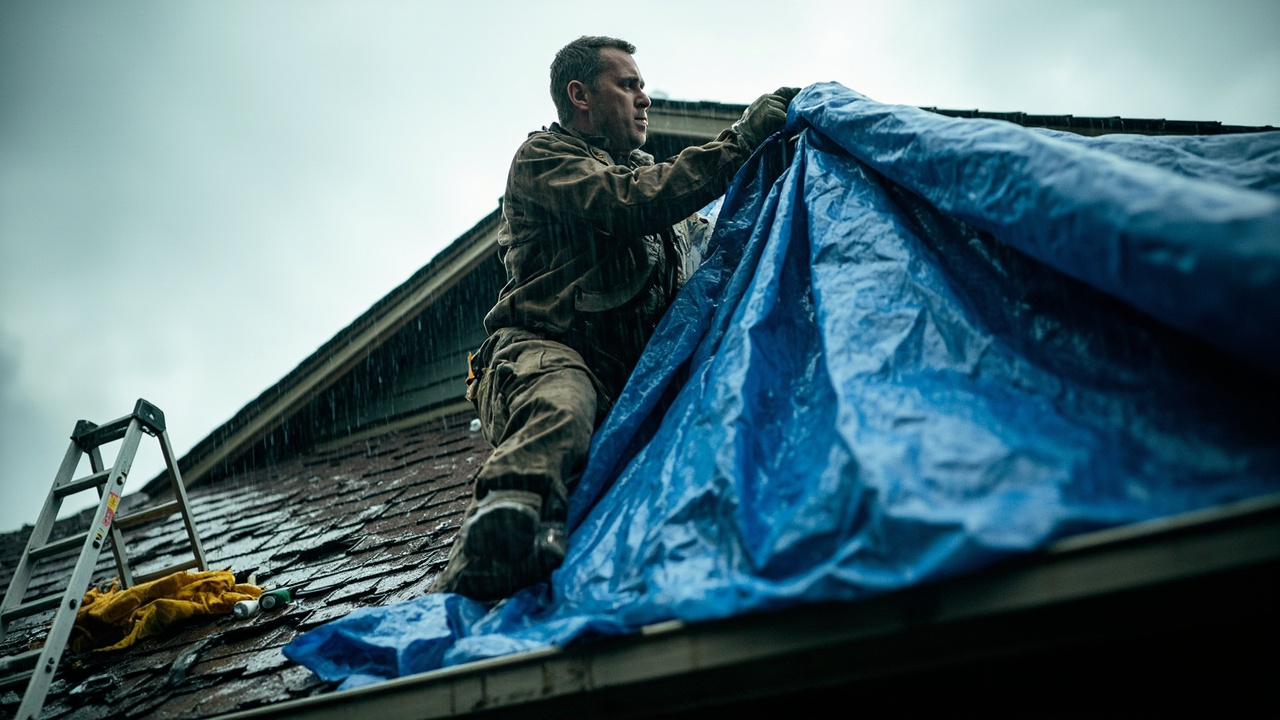
The crew conducts a visual roof inspection to locate the breach and assess surrounding integrity. They measure the damaged section and select appropriately sized commercial tarps. Using extension ladders and roof jacks, they position the tarp to cover the compromised area plus a four-foot perimeter. Wooden battens are fastened through the tarp into solid roof decking using corrosion-resistant screws. Tension is adjusted to prevent pooling and flapping. The crew photographs the installation and the underlying damage for your insurance documentation.
03

Interior Check and Documentation

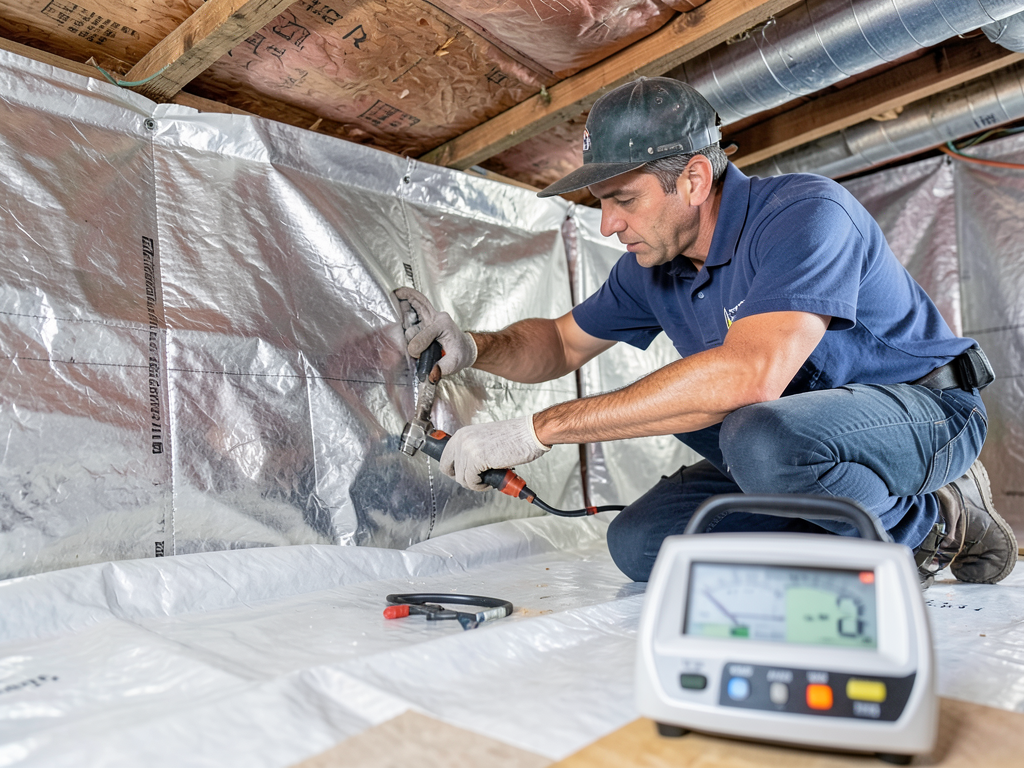
After securing the tarp, the crew enters your property to verify that active leaking has stopped. They use moisture meters to check ceilings, walls, and insulation for saturation levels. You receive a written summary of the work performed, materials used, and recommendations for next steps, including permanent repair timelines and potential interior water damage restoration needs. If significant water intrusion occurred, we discuss emergency drying services to prevent mold growth. The tarp remains effective for weeks, giving you time to schedule roofing contractors and work through insurance claims without panic.

Why Seattle Property Owners Trust Evergreen Water Damage Restoration for Roof Emergencies

You need someone who understands Seattle roofing and responds when you call at 2 a.m. during a storm. Evergreen Water Damage Restoration Seattle specializes in emergency water intrusion control across King County.

We know Seattle's architectural landscape. The low-slope roofs in Ballard's Scandinavian-influenced homes shed water differently than the steep gables in Queen Anne Victorians. We have tarped cedar shake roofs in Magnolia, composite shingle roofs in Beacon Hill, and flat commercial roofs in SoDo. Each roof type requires different fastening techniques and tarp configurations.

Our crews operate 24 hours a day, 365 days a year. When November storms blow in from the Pacific and knock out power across Puget Sound neighborhoods, we are already staged with backup lighting and equipment. We do not wait for business hours. We do not tell you to call back tomorrow.

Seattle's maritime climate creates unique challenges. High humidity slows drying. Persistent drizzle can work under poorly installed tarps. We account for these factors by using vapor-permeable underlayment techniques and ensuring proper drainage away from roof valleys and toward gutters.

We also coordinate with your insurance provider. Roof tarping is typically covered under emergency mitigation clauses in homeowner policies. We document everything with time-stamped photos, detailed work orders, and material receipts. This documentation supports your claim and speeds up the approval process for permanent repairs.

Local knowledge matters. We understand Seattle building codes, we navigate residential streets in Wallingford and West Seattle efficiently, and we know which roofing contractors in the area do quality work when you are ready for permanent repairs. You are not working with a national franchise call center. You are working with a Seattle-based team that lives and works in the same community you do.

What to Expect from Our Emergency Roof Tarping Service

Rapid Response Time

When you call, you reach a live person immediately. No phone trees, no callbacks. We dispatch a crew within minutes, and average arrival time is 60 to 90 minutes for Seattle metro addresses. During major storm events affecting multiple properties, we prioritize active leaks and structural risks. You receive real-time updates via text or phone call as the crew travels to your location. We work through the night if needed. Weather does not stop us. We bring portable lighting, generators, and all necessary equipment to complete the job regardless of conditions. Your property is secured the same night you call.

Thorough Damage Assessment

Before tarping, we inspect the roof to identify the full extent of damage. A single missing shingle may indicate wind uplift across a larger section. We check flashing around chimneys and vent pipes, examine roof valleys for debris buildup, and look for signs of underlying deck damage. Inside your property, we use thermal imaging and moisture meters to map water intrusion paths. This assessment informs both the tarping strategy and your repair planning. We provide a written summary with photos so you understand exactly what failed and why. This information is critical when you speak with insurance adjusters and roofing contractors about permanent solutions.

Watertight Temporary Protection

The tarp we install stops water immediately. Commercial-grade polyethylene with UV inhibitors withstands weeks of Seattle rain and wind without degrading. Reinforced grommets prevent tearing. Wooden battens distribute load and eliminate flapping that causes secondary damage. We extend coverage beyond the damaged area to ensure complete protection and proper water runoff. The installation is designed to integrate with your existing roof structure, directing water toward gutters and away from vulnerable areas. You can schedule permanent repairs on your timeline without fear of additional interior damage. The tarp remains effective until a roofing contractor removes it to begin work.

Insurance Documentation Support

Emergency tarping is a covered expense under most homeowner and commercial property insurance policies. We provide itemized invoices, time-stamped photographs of the damage, and detailed descriptions of work performed. This documentation supports your claim and helps adjusters understand the severity and urgency of the situation. We do not bill your insurance directly, but we provide all necessary paperwork for reimbursement. If significant water damage occurred before tarping, we can coordinate with your adjuster to assess the need for interior restoration services like drying, dehumidification, or mold remediation. Our goal is to make the insurance process straightforward so you can focus on getting your property back to normal.

Frequently Asked Questions

You Have Questions,
We Have Answers

Can I put a tarp on my roof to stop leaks? +

Yes, you can tarp your roof to stop leaks temporarily, but it requires proper technique to prevent further damage. In Seattle's frequent rain and wind, a poorly secured tarp can cause more harm. You need to anchor it correctly without driving nails through sound shingles, extend it past the leak source, and secure all edges. If the leak is active, water is already inside your attic, walls, or ceilings. A tarp buys you time, but call a professional immediately to assess structural damage and prevent mold growth in Seattle's damp climate.

How to emergency tarp a roof? +

Stop the interior damage first. Move belongings, place buckets, and contain the water. Locate the leak from inside your attic if safe. Measure the damaged area and add four feet on all sides for overlap. Use a heavy-duty polyethylene tarp, not a thin blue sheet. Extend the tarp over the roof ridge if possible. Secure edges with sandbags or 2x4 boards, never nails through good shingles. In Seattle's wind and rain, improper tarping fails quickly. If your roof is steep, wet, or the damage is extensive, call a professional. Your safety matters more than your roof.

How to temporarily cover a leaking roof? +

Locate the leak source from inside your attic using a flashlight. Place buckets or towels to catch dripping water. From outside, use a heavy-duty tarp to cover the damaged area, extending it at least two feet beyond the leak on all sides. Secure the tarp with sandbags, weighted boards, or tarp straps. Avoid nailing into undamaged shingles. Seattle's persistent rain demands a watertight seal at all edges. This is a temporary fix. Water may already be inside your structure, causing hidden damage. Contact a water damage restoration specialist immediately to prevent mold and rot.

How much does emergency roof tarping cost? +

Emergency roof tarping in Seattle typically ranges from a few hundred dollars for basic coverage to over a thousand for large or complex jobs. Cost depends on roof size, pitch, accessibility, and damage extent. Steep roofs or multi-story homes cost more due to safety equipment needs. After-hours or storm surge pricing may apply. Many restoration companies include tarping as part of their emergency response and work directly with your insurance. Do not let cost delay action. Water damage spreads fast in Seattle's wet climate, and delaying tarping increases total repair costs significantly.

Why are people putting blue tarps on roofs? +

Blue tarps signal emergency roof damage, often after storms, fallen trees, or sudden leaks. Homeowners use them as fast, visible temporary fixes while waiting for insurance adjusters or contractors. In Seattle, you see blue tarps after windstorms or heavy rain events that expose weak flashing, worn shingles, or structural failures. The blue color is simply the most common tarp material available at hardware stores. A tarp stops immediate water intrusion but does nothing for damage already inside your walls or ceilings. If you see a tarp on your neighbor's roof, they need help fast.

How do you stop a leaking roof during heavy rain? +

You need to act immediately. From inside, locate the leak in your attic and mark it. Place buckets and towels to catch water. If safe and accessible, cover the exterior damage with a heavy tarp, extending it over the roof ridge and weighting all edges. Do not climb on a wet, steep roof during a storm. In Seattle's heavy rain, conditions are dangerous. Call an emergency restoration team that operates 24/7. Professionals have the equipment, experience, and safety gear to tarp your roof correctly while rain is falling. Stop the water, then fix the damage.

Will Fema put a tarp on my roof? +

FEMA does not provide roof tarping services. FEMA offers disaster assistance grants after federally declared disasters, which may reimburse emergency home repairs, including tarping costs. You must apply and qualify based on the specific disaster declaration. In Seattle, most roof leaks are not part of federally declared events. You are responsible for emergency tarping. Contact your homeowner's insurance immediately. Many policies cover emergency mitigation, including tarping. Do not wait for FEMA. Water damage escalates hourly. Hire a local restoration company or roofing contractor to tarp your roof now and document everything for insurance.

Can I apply roof Maxx myself? +

Roof Maxx is a rejuvenating spray treatment for asphalt shingles, not a DIY emergency leak fix. It is applied by certified contractors using specialized equipment to restore flexibility to aging shingles. You cannot apply it yourself, and it will not stop an active leak. If your roof is leaking during a rainstorm in Seattle, you need a tarp and professional water damage assessment, not a treatment designed for preventative maintenance. Focus on stopping water intrusion immediately. After the emergency is contained and repairs are completed, discuss long-term roof preservation options with a qualified roofing professional.

What can I use instead of tarping my roof? +

Alternatives to tarping include temporary roof patches, roofing cement, plywood sheathing, or emergency shingle replacement. These work only for small, accessible damage in dry conditions. In Seattle's rain, tarping is the fastest, most effective temporary fix for larger leaks. You can use roofing cement or sealant for tiny holes, but these fail in active rain. Plywood requires nailing into the roof deck, risking further damage. Emergency shingle replacement requires dry conditions and expertise. If the leak is severe or the roof is unsafe to access, a tarp is your best option until a contractor arrives.

Does flex seal work on roof leaks? +

Flex Seal and similar rubberized coatings may stop very small roof leaks temporarily in dry conditions, but they are not reliable for active leaks during Seattle rainstorms. The surface must be completely dry for adhesion, which is impossible during rain. Flex Seal does not address underlying structural damage, rotted sheathing, or compromised flashing. Water may simply find another path inside. These products are marketing gimmicks for emergency roof repair. Use a tarp to stop active water intrusion, then call a professional to assess the real damage. Shortcuts fail in Seattle's wet climate and cost you more later.

Why Seattle's Rain Patterns Make Emergency Roof Tarping Critical

Seattle does not experience heavy downpours like Midwest thunderstorms. Instead, the city endures prolonged periods of light to moderate rain that saturate roofing materials and exploit small vulnerabilities. A cracked shingle that might survive a brief storm becomes a major leak after three days of continuous drizzle. Wind gusts from Puget Sound lift edges and loosen fasteners, creating entry points for moisture. The combination of sustained precipitation and marine air humidity means that once water enters your attic or wall cavity, it does not dry quickly. Emergency roof tarp installation stops this slow, destructive process immediately and gives building materials a chance to stabilize before permanent repairs begin.

Seattle roofing emergencies require local expertise. Evergreen Water Damage Restoration Seattle understands the city's building stock, from pre-war bungalows in Fremont to modern construction in South Lake Union. We know which roof types are common in each neighborhood and how they fail. Our crews navigate narrow residential streets, work within HOA guidelines for historic districts, and coordinate with city requirements for emergency repairs. When you call a local provider, you get someone who has worked on hundreds of Seattle roofs and knows how to secure your property quickly and correctly. That local knowledge translates to faster response times, better installation quality, and fewer surprises during the repair process.


Water Damage Restoration Services in The Seattle Area

Evergreen proudly serves Seattle and its surrounding communities with professional water damage restoration you can count on. Whether you’re downtown, in the suburbs, or nearby, our responsive team is just a call away. View our service area on the map to see if we’re available in your neighborhood. We’re committed to helping local homeowners and businesses recover fast—so if you need help, we’ll come to you. Use the map below to locate our base or service radius and reach out anytime.

Address:
Evergreen Water Damage Restoration Seattle, 600 Stewart St, Seattle, WA, 98101

Additional Services We Offer

Our news updates

Latest Articles & News from The Blogs

How to Stop Your Lake Forest Park Deck from Leaking into the Rooms Below If water from your deck seeps…

How to Stop Your Lake Forest Park Deck from Leaking into the Rooms Below

How to Stop Your Lake Forest Park Deck from Leaking into the Rooms Below If water from your deck seeps…

Why Your West Seattle Retaining Wall Could Be the Cause of Your Wet Basement

Why Your West Seattle Retaining Wall Could Be the Cause of Your Wet Basement \n\n West Seattle’s dramatic topography of…

Fixing Moisture Problems in Your Mukilteo Home After a Heavy Fog Season

Fixing Moisture Problems in Your Mukilteo Home After a Heavy Fog Season Living near Puget Sound means dealing with persistent…

Contact Us

Your roof is leaking and every minute increases the damage. Call Evergreen Water Damage Restoration Seattle at (564) 220-5525 right now. We answer 24/7, dispatch immediately, and secure your property within hours. Do not wait until morning.