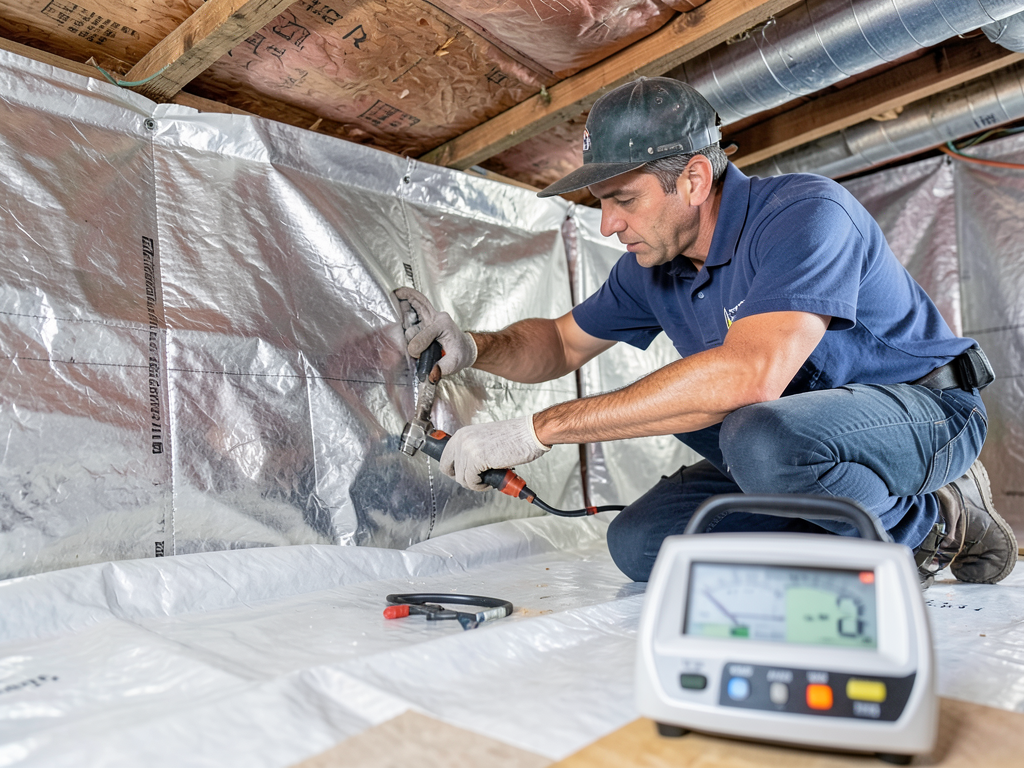





Seattle's average annual relative humidity hovers between 70 and 80 percent. This constant moisture saturation means water damage does not just dry on its own. It lingers in wall cavities, under flooring, and in insulation. The temperature rarely drops low enough to inhibit mold growth, so spores germinate faster here than in arid climates. Choosing a restoration company familiar with these conditions is not optional. A contractor from a dry climate will underestimate drying time and fail to account for ambient humidity that slows evaporation. This oversight leads to hidden mold colonies and structural rot that surface months after the initial mitigation.
Seattle's older housing stock adds another layer of complexity. Many homes in neighborhoods like Queen Anne, Capitol Hill, and Fremont were built before modern moisture barriers and vapor retarders became standard. These homes use plaster walls, knob-and-tube wiring, and balloon framing, all of which complicate water extraction and drying. A contractor unfamiliar with these construction methods will miss moisture trapped between layers or damage critical structural elements during demolition. Local expertise means understanding how to work around antique systems while still achieving thorough drying. It also means knowing when to involve structural engineers or electricians to address code compliance issues that arise during restoration.