
menu

Large Scale Water Extraction in Seattle – Industrial-Grade Solutions That Minimize Business Downtime

When commercial flooding threatens operations, you need high volume water pumping and bulk water removal services that restore your facility fast. Evergreen Water Damage Restoration Seattle delivers commercial water removal at the scale your business demands.

Slider Image 1
Slider Image 2
Slider Image 3
Slider Image 4
Slider Image 5
Slider Image 7
Slider Image 8
Slider Image 9
Slider Image 10
Slider Image 11

Seattle's Commercial Water Damage Realities

Commercial water events in Seattle do not wait for convenient timing. Between the city's 37 inches of annual rainfall, aging infrastructure in Pioneer Square and Georgetown, and storm surges that overwhelm drainage systems near Elliott Bay, Seattle businesses face substantial flooding risks. When a warehouse on Harbor Island takes on six inches of standing water or a retail complex in Northgate suffers a sprinkler malfunction, every hour of operational delay translates directly to revenue loss.

Large scale water extraction demands equipment capacity that residential solutions cannot match. A flooded manufacturing facility requires industrial water extraction capabilities measured in thousands of gallons per hour, not the few hundred gallons per hour that standard equipment handles. The difference between commercial water removal and residential service is the gap between a pickup truck and a freight train.

Seattle's commercial building codes require rapid response to prevent secondary structural damage. Concrete slab foundations common in South Lake Union office buildings can develop substrate moisture issues within 48 hours. The region's temperate maritime climate maintains humidity levels that accelerate microbial growth. When you combine persistent moisture with organic materials in walls and subfloors, you create conditions where mold colonies establish faster than in drier climates.

Large loss water mitigation is not about mopping floors. It is about deploying trailer-mounted extractors, coordinating multiple technician teams, and executing water removal at speeds that match the scale of commercial damage. Bulk water removal services protect your physical assets, but the real value is protecting business continuity when your operation cannot afford to stop.

Seattle's Commercial Water Damage Realities
How Industrial Water Extraction Actually Works

How Industrial Water Extraction Actually Works

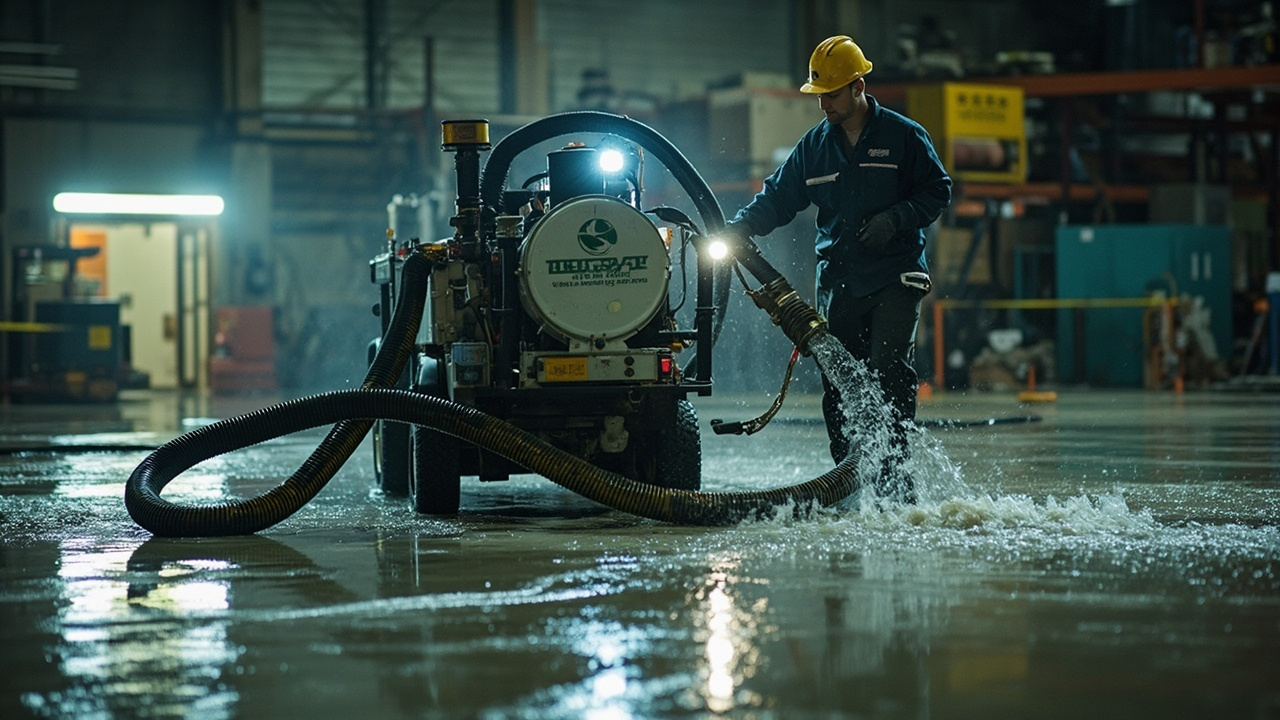
Commercial water removal begins with capacity assessment, not guesswork. Our technicians calculate total water volume using laser measurement tools and moisture meters that read through substrate layers. A 10,000 square foot warehouse with two inches of standing water contains approximately 12,500 gallons. Removing that volume requires truck-mounted extraction units capable of 400 gallons per minute flow rates, paired with proper discharge routing that meets Seattle drainage ordinances.

High volume water pumping uses submersible trash pumps for initial extraction, followed by weighted wands for embedded moisture in carpeting and tile grout lines. We do not use shop vacuums on commercial jobs. The equipment difference is a 3-inch discharge hose versus a 1.5-inch hose. That diameter difference translates to extraction speeds four times faster.

Bulk water removal services require discharge planning. Seattle municipal code prohibits dumping contaminated water into storm drains. Category 2 and Category 3 water must route to sanitary sewers through approved connections, or into containment tanks for proper disposal. We coordinate with Seattle Public Utilities for discharge permits when volumes exceed standard allowances.

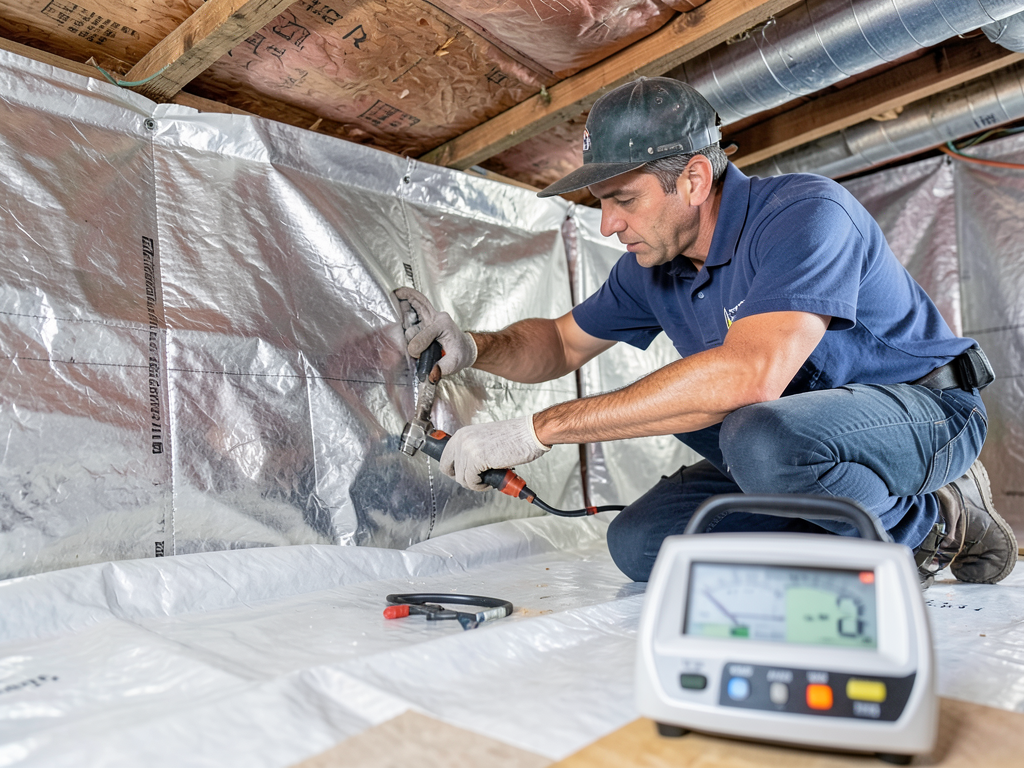
Large loss water mitigation includes structural drying protocols that commercial buildings demand. We position axial air movers in calculated patterns based on psychrometric readings, creating airflow that pulls moisture from wall cavities and subfloor voids. Desiccant dehumidifiers extract moisture faster than refrigerant units in large open spaces. We monitor moisture levels twice daily using thermal imaging cameras that detect trapped water behind finished surfaces. The process continues until moisture content drops below 15 percent, the threshold where microbial growth risk diminishes to acceptable levels for commercial occupancy.

What Happens During Emergency Commercial Water Removal

Large Scale Water Extraction in Seattle – Industrial-Grade Solutions That Minimize Business Downtime
01

Immediate Damage Assessment

Our team arrives with moisture detection equipment and building layout documentation tools. We identify water source, shut off supply if active, then map affected zones using grid patterns. Thermal imaging reveals hidden moisture in walls and ceiling plenums. We document everything with photos and moisture readings for your insurance adjuster. This assessment determines equipment deployment and crew size needed.
02

High Volume Extraction

Truck-mounted pumps remove standing water through 3-inch hoses at rates exceeding 300 gallons per minute. We stage discharge lines to approved drainage points, coordinate power requirements with your facility manager, and deploy multiple extraction teams simultaneously across different zones. Weighted extraction tools pull embedded moisture from flooring materials. Air scrubbers with HEPA filtration run continuously to control airborne particulates during the extraction phase.
03

Structural Drying and Verification

Industrial dehumidifiers and air movers run 24 hours until moisture meters confirm dry standards. We adjust equipment placement based on twice-daily psychrometric readings that measure humidity ratios and grain depression. Thermal imaging verifies no residual moisture in wall cavities or subfloor areas. Final documentation includes moisture maps, equipment logs, and certification that your facility meets IICRC S500 standards for structural drying. You receive clearance to resume operations.

Why Seattle Businesses Choose Local Water Extraction Experts

Commercial water damage in Seattle requires familiarity with local building construction methods and regulatory requirements. Buildings in the Denny Regrade area sit on fill dirt that shifts during saturation events. Warehouses south of Boeing Field feature slab-on-grade construction with vapor barriers that trap moisture if not properly vented during drying. We know these construction patterns because we work in these neighborhoods daily.

Seattle Department of Construction and Inspections requires permits for certain water damage repairs that affect structural elements. We coordinate inspections, provide documentation that meets city requirements, and ensure your repairs pass code compliance reviews on first submission. That knowledge prevents delays that extend your downtime.

Industrial water extraction at commercial scale requires relationships with equipment suppliers who can deliver additional capacity during major loss events. When a pipe burst floods multiple floors of an office building in South Lake Union, we can deploy six truck-mounted extraction units within two hours. That response capacity comes from maintaining local equipment inventory and technician teams who live in King County.

Our experience with Seattle's commercial insurance providers streamlines your claims process. We document water damage using Xactimate estimating software that adjusters recognize. Our reports include moisture mapping, equipment logs, and photo documentation formatted to insurance company standards. This reduces claim processing time and gets you back to business faster.

Large loss water mitigation often requires coordination with other trades. We work directly with your electricians to safely restore power, with your HVAC contractors to prevent contamination spread through duct systems, and with your cleaning crews to coordinate access schedules. Managing these relationships is part of commercial water removal at scale.

What Your Business Can Expect

Rapid Commercial Response

We dispatch crews to commercial water emergencies in Seattle within 60 minutes of your call to (564) 220-5525. Our trucks carry extraction equipment, generators, and drying tools needed to begin work immediately. We operate 24 hours because commercial water damage does not respect business hours. Night and weekend response carries no premium charges. Large facilities get multiple crews to reduce total extraction time. We coordinate with your security and facility management teams for building access. Our goal is water removal fast enough to minimize business interruption.

Detailed Damage Documentation

Commercial water damage assessment includes comprehensive documentation your insurance carrier and legal team may need. We photograph affected areas, record moisture readings in standardized formats, and map water migration patterns through your facility. Thermal imaging reveals hidden damage behind walls and under flooring. You receive daily progress reports with updated moisture readings and equipment deployment logs. This documentation package supports insurance claims and provides liability protection. Our reports meet IICRC S500 standards that insurance adjusters expect for commercial losses.

Complete Facility Restoration

The end result is a facility restored to pre-loss condition with verified dry standards. We do not stop at water extraction. Structural drying continues until moisture meters confirm materials have returned to normal ranges. Final thermal imaging scans verify no hidden moisture remains in wall cavities or subfloor zones. You receive certification documentation showing your building meets industry standards for occupancy. Flooring, walls, and affected building systems return to functional condition. Your business resumes operations in a fully restored space.

Ongoing Monitoring Support

After large scale water extraction, we provide follow-up moisture monitoring to ensure your facility remains dry. Some commercial materials require extended drying periods depending on thickness and density. We schedule return visits to verify moisture levels stay within acceptable ranges. If you need ongoing moisture monitoring for buildings with chronic drainage issues, we can deploy remote sensors that alert you to developing problems. This preventive approach helps facilities near the Duwamish waterway or in flood-prone areas catch water intrusion before it becomes a major loss event.

Frequently Asked Questions

You Have Questions,
We Have Answers

How to purify water on a large scale? +

Large-scale water purification for commercial facilities in Seattle involves multi-stage filtration systems. Start with pre-filtration to remove sediment and debris. Add activated carbon filters to eliminate chemicals and odors. UV sterilization kills bacteria and pathogens without chemicals. Reverse osmosis removes dissolved solids for high-purity needs. Seattle's municipal water quality is good, but older commercial buildings may need additional treatment due to aging pipe infrastructure. Industrial facilities handling food production or medical operations require NSF-certified systems. Regular testing ensures compliance with EPA standards. Professional installation prevents backflow contamination and maintains system efficiency for high-volume operations.

How to remove large amounts of water? +

Removing large volumes of water from commercial properties requires industrial-grade extraction equipment. Truck-mounted extractors handle thousands of gallons per hour for flooded warehouses or retail spaces. Submersible pumps pull standing water from basements and crawl spaces. Portable extractors target carpeted areas and surface water. Seattle's frequent rain and aging infrastructure make rapid water removal critical to prevent structural damage and mold growth. Commercial operations cannot afford extended downtime. Professional teams deploy multiple extraction units simultaneously to restore business continuity quickly. Moisture meters guide the process to ensure complete drying. Document everything for insurance and liability protection.

What is the machine that extracts water? +

The primary machines for water extraction include wet/dry vacuums, portable extractors, truck-mounted extraction units, and submersible pumps. Wet vacuums handle surface water and wet debris. Portable extractors use suction and heat for carpets and upholstery. Truck-mounted units deliver powerful continuous extraction for large commercial jobs in Seattle. Submersible pumps drain standing water from flooded areas. Commercial facilities need equipment rated for continuous operation, not residential units. Professional restoration companies use specialized tools like air movers and dehumidifiers alongside extractors to complete the drying process. Equipment selection depends on water volume, contamination level, and affected materials.

What is excessive water extraction? +

Excessive water extraction in commercial restoration refers to over-drying or improper technique that damages materials. Aggressive extraction can delaminate flooring, warp wood, or damage carpet backing. Over-drying creates brittleness in wood and concrete cracking. In environmental contexts, excessive extraction depletes aquifers or surface water sources. Seattle businesses must balance rapid water removal with material preservation. Commercial property managers face liability if improper extraction causes secondary damage. Professional technicians use moisture meters to monitor progress and prevent over-extraction. Insurance claims require documentation showing appropriate methods were used. Excessive extraction also wastes energy and increases restoration costs without improving outcomes.

How to purify 1000 gallons of water? +

Purifying 1,000 gallons of water requires a commercial-scale system with appropriate flow rate capacity. A reverse osmosis system rated for commercial use can process this volume in several hours. UV sterilization units handle high flow rates for disinfection. Multi-stage filtration combines sediment removal, carbon filtration, and final polishing. Seattle facilities needing this capacity include restaurants, medical offices, and small manufacturers. Calculate daily usage to size equipment correctly. Storage tanks hold treated water for peak demand periods. Regular filter replacement maintains water quality. Professional installation ensures proper backflow prevention and plumbing code compliance. Testing verifies the system meets health department standards.

Can you drink any water with LifeStraw? +

LifeStraw products filter most freshwater sources but have limitations. Personal LifeStraws remove bacteria and parasites but not viruses, chemicals, or heavy metals. They work for backcountry water in the Cascades but not for flood water or industrial contamination. Commercial facilities cannot rely on personal filtration devices for operational water needs. Seattle businesses facing water damage need professional-grade treatment systems, not consumer products. LifeStraw cannot handle high volumes or sustained commercial use. Flood water contains sewage, chemicals, and toxins that exceed LifeStraw capabilities. Commercial water damage requires professional assessment and proper extraction equipment, not emergency consumer filters.

What will soak up standing water in the yard? +

Standing water in commercial yards requires proper drainage solutions, not absorption methods. French drains with gravel trenches redirect water away from buildings. Catch basins collect surface water for drainage system removal. Grading corrections slope surfaces away from structures. Seattle's clay soil and rainfall patterns make professional drainage systems necessary. Absorption materials like sand or soil amendments provide minimal help for significant water issues. Commercial properties face liability if standing water creates slip hazards or breeding grounds for mosquitoes. Permeable paving allows water infiltration in parking areas. Address the root cause rather than symptoms. Professional site evaluation identifies drainage deficiencies.

How to deal with standing water in a yard? +

Managing standing water in commercial yards requires identifying the source and implementing permanent drainage solutions. Install French drains to channel water away from structures. Regrade surfaces to create positive drainage slopes. Add catch basins at low points to collect and redirect water. Seattle's frequent rain and poor soil drainage make professional solutions necessary. Temporary fixes like pumping water create recurring problems. Commercial properties must address stormwater management to meet code requirements. Standing water threatens building foundations, creates slip hazards, and breeds pests. Consult civil engineers for complex drainage issues. Document problems for insurance purposes. Professional assessment prevents costly foundation damage.

Will rocks help with standing water? +

Rocks alone do not solve standing water problems in commercial yards. Decorative rock without proper drainage infrastructure simply sits in water. A properly designed French drain uses gravel around perforated pipe to facilitate water movement, but rocks on the surface provide no benefit. Seattle commercial properties need engineered drainage systems, not landscaping Band-Aids. Rock can improve aesthetics in dry creek beds designed to channel occasional runoff, but standing water indicates inadequate grading or blocked drainage. Commercial property managers face liability for untreated drainage issues. Professional site evaluation identifies whether you need regrading, subsurface drainage, or stormwater system repairs.

How do the Amish collect water? +

Amish water collection methods are irrelevant to commercial water damage restoration in Seattle. This question does not relate to large-scale water extraction for flood damage or commercial facility recovery. Seattle businesses facing water damage need industrial extraction equipment, professional restoration services, and code-compliant solutions. Commercial operations cannot afford traditional or improvised methods when rapid water removal determines business continuity. Focus on truck-mounted extractors, submersible pumps, and commercial dehumidification systems. Insurance companies require documentation of professional restoration practices. Amish practices serve rural residential needs, not urban commercial water emergencies requiring immediate response and specialized equipment.

Why Seattle's Aging Infrastructure Creates Commercial Water Risks

Seattle's commercial districts sit on infrastructure built between 1920 and 1960, when different waterproofing standards applied. Buildings in Pioneer Square rest on timber pilings that can shift during saturation events, creating entry points for groundwater. The industrial corridor along East Marginal Way features warehouses with outdated roof drainage systems that overflow during heavy rainfall. Combined sewer systems in older neighborhoods like Fremont and Ballard can back up during storm surges, pushing contaminated water into basements and ground-floor spaces. Large scale water extraction services in Seattle must account for these infrastructure vulnerabilities.

Commercial water damage restoration in Seattle requires contractors who understand local building department procedures and inspection requirements. The city's emphasis on historical preservation in neighborhoods like Pike Place Market means water damage repairs must meet strict guidelines that protect architectural integrity. We maintain relationships with Seattle building inspectors and understand permit requirements for commercial water damage repairs. Our technicians receive ongoing training in IICRC standards specific to commercial restoration, ensuring work quality that meets both insurance requirements and city code compliance for businesses operating in King County.

Water Damage Restoration Services in The Seattle Area

Evergreen proudly serves Seattle and its surrounding communities with professional water damage restoration you can count on. Whether you’re downtown, in the suburbs, or nearby, our responsive team is just a call away. View our service area on the map to see if we’re available in your neighborhood. We’re committed to helping local homeowners and businesses recover fast—so if you need help, we’ll come to you. Use the map below to locate our base or service radius and reach out anytime.

Address:
Evergreen Water Damage Restoration Seattle, 600 Stewart St, Seattle, WA, 98101

Additional Services We Offer

Our news updates

Latest Articles & News from The Blogs

How to Handle a Flooded Storage Unit in SODO Without Losing Your Belongings Finding your storage unit under inches of…

How to Handle a Flooded Storage Unit in SODO Without Losing Your Belongings

How to Handle a Flooded Storage Unit in SODO Without Losing Your Belongings Finding your storage unit under inches of…

Why Your Sunset Hill Home Needs Immediate Restoration After a Frozen Outdoor Faucet Bursts

Why Your Sunset Hill Home Needs Immediate Restoration After a Frozen Outdoor Faucet Bursts A frozen outdoor faucet in Sunset…

Restoring Retail Spaces in Southcenter After a Mall Pipe Burst

Restoring Retail Spaces in Southcenter After a Mall Pipe Burst A burst pipe in a retail mall can shut down…

Contact Us

Every minute of delay increases water damage and extends your downtime. Call (564) 220-5525 now for immediate dispatch of commercial water extraction crews. Evergreen Water Damage Restoration Seattle responds to large loss events 24 hours a day with the equipment capacity your facility needs.