
menu

Black Mold Symptoms in Seattle – Expert Diagnosis and Safe Removal Before Health Damage Spreads

Persistent coughing, headaches, or mysterious fatigue could signal stachybotrys chartarum exposure in your home. Evergreen Water Damage Restoration Seattle identifies toxic mold health effects fast and removes the source before your symptoms worsen or spread to others.

Slider Image 1
Slider Image 2
Slider Image 3
Slider Image 4
Slider Image 5
Slider Image 7
Slider Image 8
Slider Image 9
Slider Image 10
Slider Image 11

Why Seattle Homes Breed Black Mold and How to Recognize the Warning Signs

You feel exhausted. Your kid has a cough that won't quit. Your partner complains about headaches that vanish when you leave the house. These are classic signs of black mold exposure, and Seattle's climate makes them alarmingly common.

Seattle averages 150 days of measurable precipitation per year. The Pacific Northwest's persistent dampness combines with poor ventilation in older homes to create perfect conditions for stachybotrys chartarum, the toxic black mold species that releases mycotoxins into your air. Many Seattle homes were built before modern moisture barriers became standard, especially in neighborhoods like Ballard, Queen Anne, and Capitol Hill where charming century-old craftsman homes lack vapor barriers in crawlspaces.

Black mold poisoning symptoms develop slowly. You might notice persistent nasal congestion, throat irritation, skin rashes, or burning eyes. Some people experience memory problems or difficulty concentrating. Children and people with compromised immune systems face the highest black mold health risks, but healthy adults suffer too.

The mold itself appears as dark greenish-black patches with a slimy texture when wet. You find it behind drywall after pipe leaks, under vinyl flooring in bathrooms, inside HVAC ducts, or anywhere water intrusion went unnoticed. That musty smell in your basement is not just dampness. It signals active microbial growth releasing volatile organic compounds.

Seattle's wet winters from October through April create ideal growth windows. Even a small roof leak or condensation from single-pane windows can trigger colonization within 48 hours. By the time you see visible growth, spores have already contaminated your HVAC system and soft furnishings.

Recognizing toxic mold health effects early prevents chronic respiratory damage and costly remediation.

Why Seattle Homes Breed Black Mold and How to Recognize the Warning Signs
How Professional Mold Assessment Works and Why DIY Testing Fails

How Professional Mold Assessment Works and Why DIY Testing Fails

Home test kits from hardware stores cannot identify stachybotrys chartarum specifically or measure airborne spore concentration. They show mold presence, which means nothing since mold exists everywhere. What matters is species identification and colony density, which requires lab analysis.

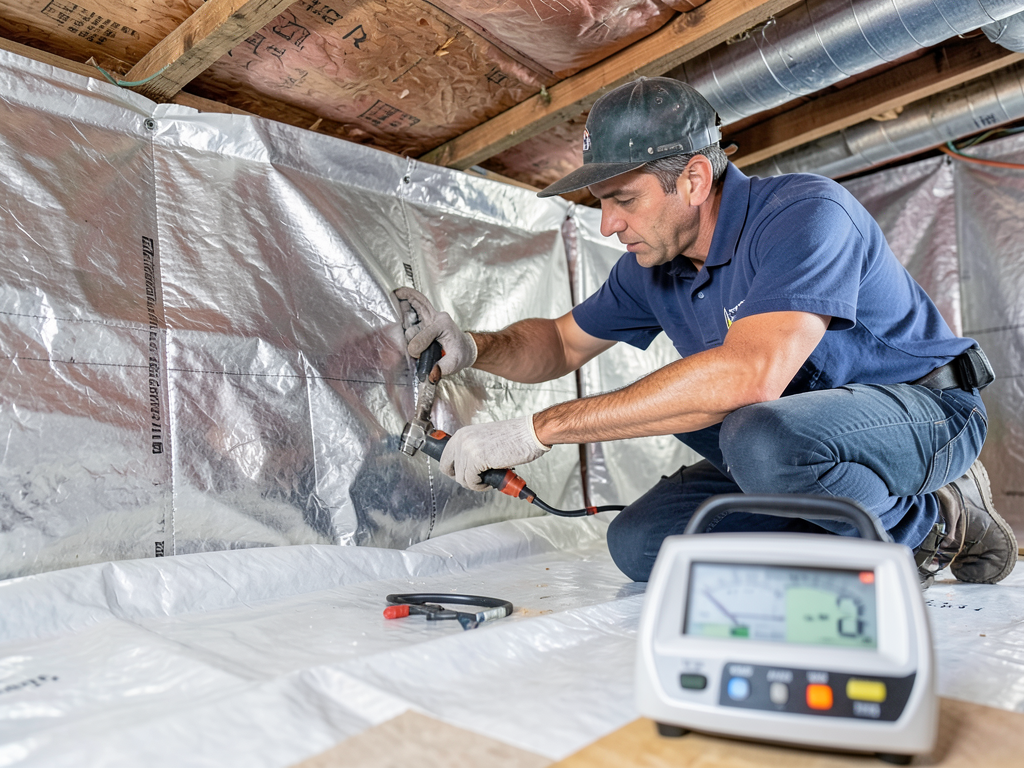
Evergreen Water Damage Restoration Seattle uses a three-phase protocol that meets IICRC S520 mold remediation standards. We start with a visual inspection using moisture meters and thermal imaging cameras to map water intrusion patterns. Moisture trapped inside wall cavities or under flooring shows as temperature differentials on infrared scans. We measure relative humidity levels because anything above 60 percent supports mold growth.

Next comes air sampling. We use spore trap cassettes that capture airborne particles for laboratory analysis. The lab identifies species type and quantifies spore concentration per cubic meter of air. We also take surface samples from visible growth using tape lifts or swabs. Comparing indoor spore counts to outdoor baseline samples reveals whether you have an amplification problem.

The critical step most homeowners miss is finding the moisture source. Black mold is a symptom, not the disease. We trace water intrusion to its origin using penetrating moisture probes that detect wet building materials behind finished surfaces. Common culprits in Seattle include failed window flashing on upper floors, improperly vented bathroom exhaust fans that dump moisture into attics, and condensation on cold water pipes in uninsulated crawlspaces.

We use borescopes to inspect inside wall cavities without demolition. Once we map the full extent of contamination and identify the water source, we create a scope of work document that details containment protocols, material removal requirements, and post-remediation verification testing.

This systematic approach prevents the biggest DIY mistake: cleaning visible mold without fixing the leak that caused it, guaranteeing it returns within months.

What Happens During Professional Black Mold Remediation

Black Mold Symptoms in Seattle – Expert Diagnosis and Safe Removal Before Health Damage Spreads
01

Containment and Air Filtration

We seal the contaminated area with polyethylene sheeting and create negative air pressure using HEPA-filtered air scrubbers. This prevents cross-contamination to clean areas during removal. All HVAC vents get sealed and the system stays off during remediation. We establish decontamination chambers for workers entering and exiting the work zone. Spore counts drop immediately once filtration begins, reducing your exposure while we work.
02

Source Removal and Treatment

Porous materials like drywall, insulation, and carpeting get removed and bagged in the containment area. We HEPA-vacuum all surfaces before applying antimicrobial treatments to framing and other non-porous materials. The moisture source gets repaired simultaneously. In Seattle homes, this often means replacing rotted rim joists in crawlspaces or repairing failed exterior cladding. We document everything with photos for insurance claims and create a chain of custody for disposed materials.
03

Verification and Clearance Testing

After cleaning, we conduct post-remediation air sampling to verify spore counts returned to normal levels. An independent third-party inspector performs clearance testing to eliminate conflict of interest. Only after passing clearance do we remove containment barriers. We provide a detailed report documenting baseline conditions, work performed, and final air quality results. This documentation protects your home's resale value and proves proper remediation if symptoms recur.

Why Seattle Black Mold Requires Local Expertise and Climate-Specific Solutions

Mold remediation companies from drier climates do not understand Seattle's unique moisture challenges. Our marine climate creates year-round humidity that requires different solutions than desert or continental climates use.

Seattle building codes evolved to address moisture intrusion. Homes built before 1985 often lack proper vapor barriers in crawlspaces, which directly violates current code but remains legal under grandfather clauses. We know which vintage construction details create mold risk. Balloon-framed homes in neighborhoods like Fremont and Wallingford have continuous wall cavities from basement to attic that act as moisture chimneys, spreading contamination vertically.

We understand local construction materials. Many Seattle homes use cedar siding, which resists rot but fails when improperly maintained. We spot failed caulking around window trim that lets wind-driven rain penetrate wall assemblies. Western red cedar shakes on older roofs absorb moisture and stay damp for days after rain stops, feeding mold growth in attic spaces.

Evergreen Water Damage Restoration Seattle maintains relationships with local structural engineers who understand Seattle soil conditions. The city sits on glacial till with pockets of expansive clay that shift during wet seasons. This movement cracks foundations and creates entry points for groundwater. We coordinate with foundation specialists when mold growth stems from structural movement rather than simple plumbing leaks.

We work directly with local insurance adjusters who understand Seattle's mold claim patterns. They know our documentation standards and trust our scopes of work, which speeds claim approval. We understand Western Washington's mold disclosure laws that require sellers to report known mold issues, protecting you from future liability.

Our equipment stays in Seattle year-round. We do not ship dehumidifiers from regional warehouses when you call. We respond immediately because black mold health risks increase with exposure duration.

What to Expect During Black Mold Assessment and Remediation

Response Time and Availability

We dispatch an inspector within four hours for suspected black mold cases. Initial assessment takes 90 minutes to two hours depending on home size. We collect air samples and send them to the lab the same day. You receive preliminary visual findings immediately and full lab results within 48 hours. Remediation scheduling depends on contamination severity. Small isolated areas can start within 24 hours. Whole-house contamination requiring extensive demolition may need a week to coordinate proper containment and disposal logistics. We provide temporary housing guidance if your home becomes uninhabitable during work.

Assessment and Documentation Process

Our inspection includes moisture mapping with thermal imaging, relative humidity testing, and visual examination of all suspected areas. We take detailed photos and create floor plans showing contamination locations. You receive a written report explaining findings in plain language with photos, lab results, and moisture meter readings. The report includes a detailed scope of work with material removal specifications and containment protocols. We identify the moisture source and explain repair requirements. This documentation package works for insurance claims, real estate transactions, or simply understanding what you face. We walk you through every finding and answer questions until you fully understand the situation.

Remediation Quality and Standards

All work follows IICRC S520 standards and Washington State Department of Health guidelines for mold remediation. We use commercial-grade HEPA air scrubbers that filter 99.97 percent of particles down to 0.3 microns. Containment barriers prevent spore migration to clean areas. We remove contaminated materials in sealed bags and dispose of them at approved facilities. All surfaces get HEPA-vacuumed twice before antimicrobial treatment. We repair the moisture source as part of remediation, not as an optional add-on. Post-remediation air quality testing verifies successful cleanup. You receive documentation showing before and after spore counts that prove your home is safe.

Follow-Up and Prevention Planning

After clearance testing confirms successful remediation, we provide a moisture management plan specific to your home. This includes humidity monitoring recommendations, ventilation improvements, and maintenance schedules for high-risk areas. We install hygrometers in basements and crawlspaces so you can track conditions between professional inspections. For homes with chronic moisture issues, we recommend dehumidifier installation with condensate pumps. We return for optional six-month follow-up inspections to verify conditions remain stable. If symptoms return or you detect musty odors, we re-inspect at no charge within the first year. Our goal is permanent resolution, not repeat business from the same problem.

Frequently Asked Questions

You Have Questions,
We Have Answers

How do I know if mold is making me sick? +

Persistent respiratory symptoms like coughing, wheezing, or nasal congestion that worsen at home signal possible mold exposure. You may also experience headaches, fatigue, skin rashes, or itchy eyes. In Seattle's damp climate, these symptoms often intensify during fall and winter when indoor humidity peaks. Pay attention to symptom patterns. If you feel better after leaving your house for several hours, mold contamination is likely. Individuals with asthma or allergies react more severely. Document your symptoms and contact a healthcare provider. A professional mold inspection can confirm whether your home harbors black mold colonies causing your health issues.

How to get rid of black mold in a house? +

Do not attempt DIY removal for black mold covering more than 10 square feet. Seattle's wet conditions create ideal mold growth environments that require professional remediation. Certified technicians use HEPA filtration, containment barriers, and antimicrobial treatments to eliminate colonies safely. They also identify moisture sources like leaking pipes or poor crawl space ventilation common in Pacific Northwest homes. For small surface patches on non-porous materials, you can scrub with detergent and water, then dry completely. Never use bleach on porous surfaces. It only kills surface mold while roots penetrate deeper. Address the underlying moisture problem or mold will return within weeks.

How long does it take to recover from mold toxicity? +

Recovery time varies based on exposure duration and your immune response. Mild cases resolve within weeks after removing yourself from the contaminated environment and completing professional remediation. Severe mold toxicity may require months of medical treatment and lifestyle adjustments. Your body needs time to clear accumulated mycotoxins. Seattle residents face prolonged exposure risks due to year-round humidity and delayed detection in basements or attics. Symptoms often improve gradually rather than overnight. Work with a physician experienced in mold-related illness. Recovery accelerates when you address the mold source, improve indoor air quality, and support your immune system through proper nutrition and rest.

How do I know if I have black mold? +

Black mold appears dark green or black with a slimy texture when wet. Check areas with chronic moisture problems like bathroom corners, window sills, basement walls, and under sinks. Seattle homes built before 1990 often have ventilation issues that trap humidity. You will notice a musty, earthy odor even when mold hides behind walls or under flooring. Water stains, peeling paint, or warped materials indicate moisture intrusion and likely mold growth. Visible colonies mean extensive contamination exists within wall cavities or insulation. Schedule a professional inspection using moisture meters and thermal imaging to map hidden growth patterns throughout your home.

Can I test myself for mold exposure? +

Home test kits detect mold presence but cannot identify specific species or measure airborne spore concentration accurately. Blood tests like IgG antibody panels or urine mycotoxin tests show exposure evidence, but interpretation requires a qualified physician. Many Seattle clinics offer mold-specific allergy testing through skin prick or blood work. These medical tests confirm your body's reaction to mold antigens. For meaningful results, combine personal health testing with professional indoor air quality sampling. Environmental testing pinpoints contamination sources while medical testing confirms health impacts. Do not rely solely on home kits. They miss hidden growth and provide limited diagnostic value for symptom investigation.

What kills mold spores instantly? +

No product kills mold spores instantly and permanently. EPA-registered fungicides and antimicrobial solutions eliminate surface colonies within minutes, but spores embedded in porous materials like drywall or insulation resist chemical treatment. Heat above 140 degrees kills mold, but applying it without damaging building materials requires professional equipment. Seattle's persistent moisture means spores reactivate quickly without source control. Professionals use HEPA vacuums to capture spores mechanically, then apply antimicrobials to treated surfaces. The key is removing contaminated materials and eliminating moisture through dehumidification and ventilation improvements. Surface treatments alone fail because mold roots penetrate deep into substrates.

Is it safe to sleep in a house with black mold? +

No. Sleeping in a home with black mold exposes you to spores and mycotoxins throughout the night when your immune system is vulnerable. Bedrooms with mold contamination cause prolonged inhalation, triggering respiratory distress, chronic fatigue, and neurological symptoms. Seattle's mild winters mean homes stay closed for months, concentrating indoor air pollutants. Black mold releases volatile organic compounds that disrupt sleep quality and cognitive function. Children, elderly individuals, and those with compromised immunity face greater risks. Relocate to uncontaminated space immediately. Professional remediation takes several days. Staying in a moldy environment worsens health outcomes and delays recovery even after treatment begins.

How to test your house for mold? +

Hire a certified mold inspector who uses moisture meters, thermal imaging cameras, and air quality sampling to detect hidden growth. Inspectors in Seattle understand local construction methods and moisture patterns specific to the region's climate. They collect air and surface samples, then send them to accredited labs for species identification and spore concentration analysis. Visual inspection alone misses mold behind walls, under flooring, or in crawl spaces. Professional testing costs less than addressing undiagnosed health problems or structural damage. Avoid companies offering free inspections if they also perform remediation. Independent third-party testing ensures unbiased assessment and prevents unnecessary work recommendations.

What stops black mold from spreading? +

Control moisture immediately. Black mold needs water to grow and spread. Fix leaks, improve ventilation, and maintain indoor humidity below 50 percent using dehumidifiers. Seattle homes require continuous moisture management due to rain and fog. Seal contaminated areas with plastic sheeting and turn off HVAC systems to prevent spore distribution through ductwork. Professional containment uses negative air pressure and HEPA filtration to isolate affected zones during remediation. Remove porous materials like drywall, insulation, and carpet that harbor deep mold growth. Clean hard surfaces with antimicrobial solutions. Address the root cause or mold returns. Waterproofing basements and upgrading ventilation prevents recurrence.

What are the three stages of mold toxicity? +

Stage one involves acute symptoms like sneezing, coughing, and eye irritation from immediate spore exposure. Stage two develops after weeks or months, causing chronic fatigue, brain fog, joint pain, and digestive issues as mycotoxins accumulate. Stage three represents severe systemic inflammation affecting multiple organ systems, potentially causing autoimmune responses, neurological damage, and chronic inflammatory response syndrome. Recovery becomes difficult without aggressive medical intervention. Seattle's climate accelerates progression because continuous exposure prevents your body from clearing toxins between exposures. Early intervention stops advancement. If you experience persistent symptoms, seek medical evaluation and professional mold remediation immediately. Waiting allows toxicity to deepen and complicate treatment.

How Seattle's Marine Climate and Historic Housing Stock Create Black Mold Risk Zones

Seattle receives 38 inches of rain annually with relative humidity averaging 75 percent year-round. This persistent moisture combines with temperature patterns that keep homes in the 55 to 65 degree range for months, the exact conditions where stachybotrys chartarum thrives. Neighborhoods with older housing stock face elevated risk. Homes built before 1980 in areas like Greenwood, Ravenna, and West Seattle often have inadequate crawlspace ventilation and lack vapor barriers over exposed soil. The city's topography creates microclimates where fog settles in valleys, keeping homes damp for days after rain stops. Homes on the west-facing slopes of Queen Anne and Magnolia take direct weather from Puget Sound, driving rain into wall assemblies through aging siding and trim.

Evergreen Water Damage Restoration Seattle understands the specific failure points in Pacific Northwest construction. We know that homes with daylight basements common in hilly Seattle neighborhoods have exposed foundation walls that collect condensation. We recognize the signs of failed perimeter drain systems overwhelmed by Seattle's clay soil saturation. Our technicians train specifically on moisture management in marine climates, not generic mold removal. We work with local building inspectors who enforce Seattle's updated moisture barrier requirements and understand the remediation standards they expect. This local knowledge prevents failed inspections and ensures your remediation meets city code for permits when required.


Water Damage Restoration Services in The Seattle Area

Evergreen proudly serves Seattle and its surrounding communities with professional water damage restoration you can count on. Whether you’re downtown, in the suburbs, or nearby, our responsive team is just a call away. View our service area on the map to see if we’re available in your neighborhood. We’re committed to helping local homeowners and businesses recover fast—so if you need help, we’ll come to you. Use the map below to locate our base or service radius and reach out anytime.

Address:
Evergreen Water Damage Restoration Seattle, 600 Stewart St, Seattle, WA, 98101

Additional Services We Offer

Our news updates

Latest Articles & News from The Blogs

How to Stop Your Lake Forest Park Deck from Leaking into the Rooms Below If water from your deck seeps…

How to Stop Your Lake Forest Park Deck from Leaking into the Rooms Below

How to Stop Your Lake Forest Park Deck from Leaking into the Rooms Below If water from your deck seeps…

Why Your West Seattle Retaining Wall Could Be the Cause of Your Wet Basement

Why Your West Seattle Retaining Wall Could Be the Cause of Your Wet Basement \n\n West Seattle’s dramatic topography of…

Fixing Moisture Problems in Your Mukilteo Home After a Heavy Fog Season

Fixing Moisture Problems in Your Mukilteo Home After a Heavy Fog Season Living near Puget Sound means dealing with persistent…

Contact Us

Waiting turns a contained problem into whole-house contamination. Call Evergreen Water Damage Restoration Seattle at (564) 220-5525 now for same-day inspection. We identify the species, find the moisture source, and give you a clear remediation plan with no obligation.