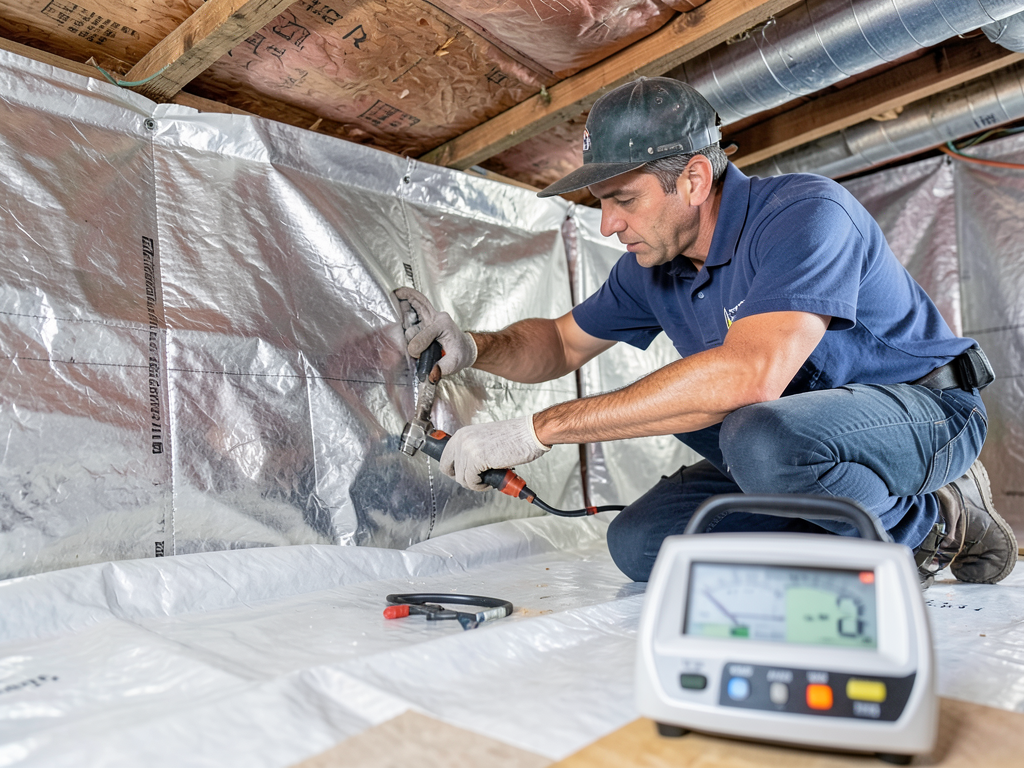



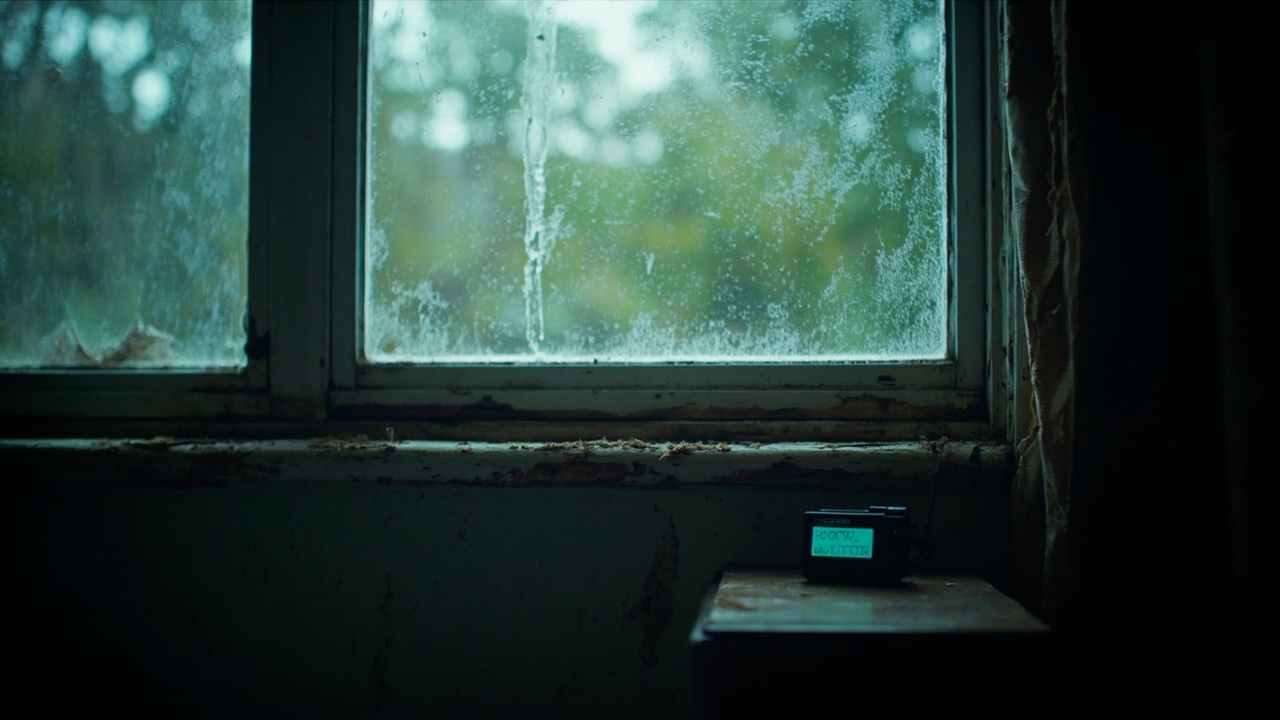
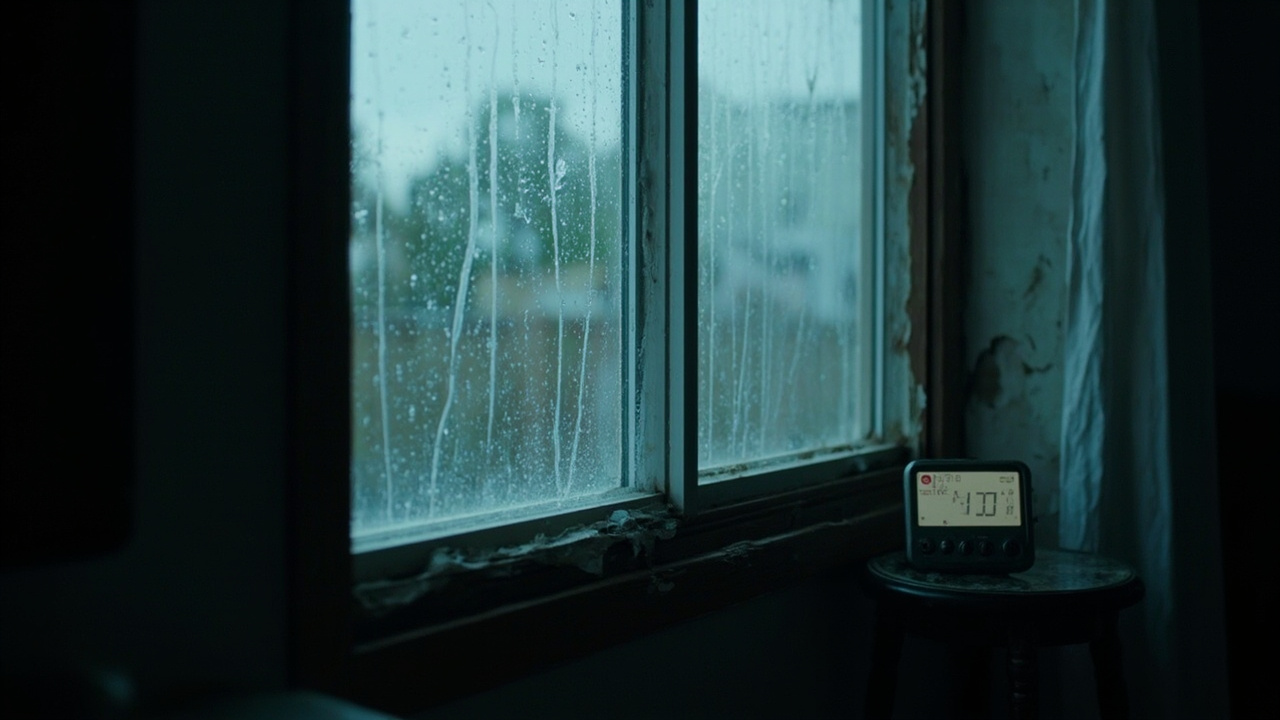
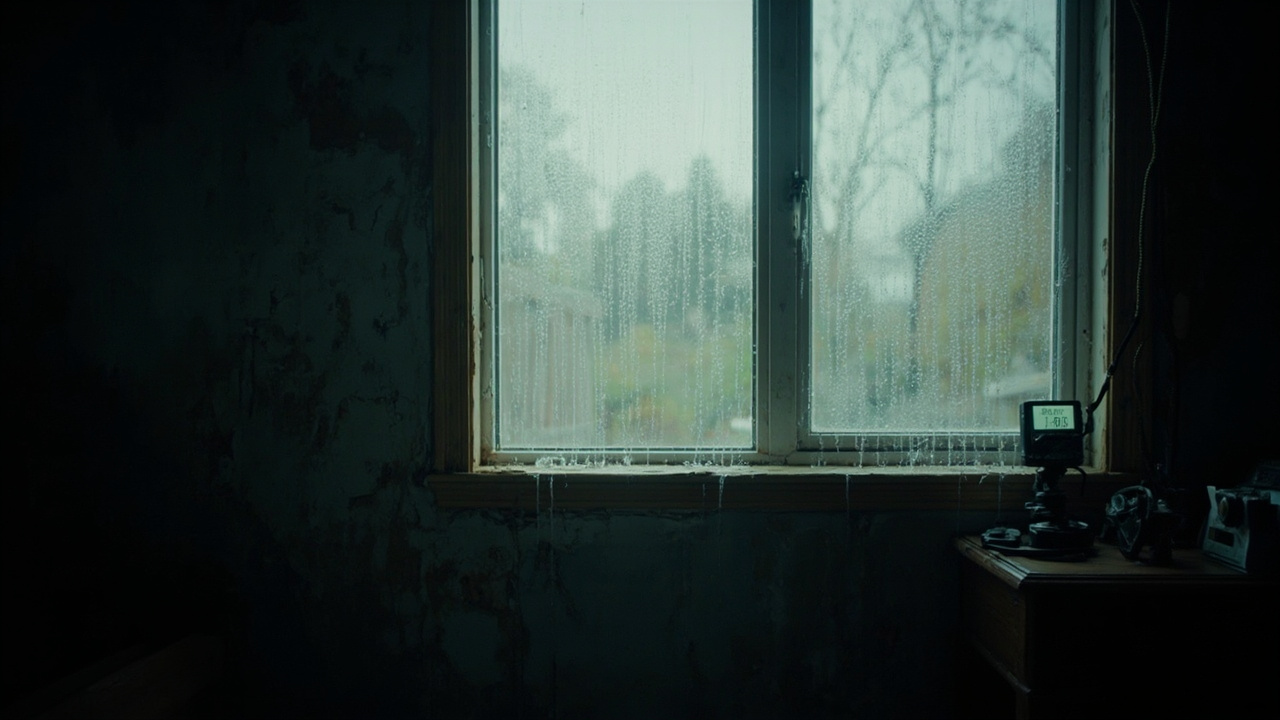
Seattle receives 38 inches of precipitation annually, but the constant cloud cover and proximity to Puget Sound keep outdoor humidity elevated even on days without rain. When that moisture-laden air enters your home through normal infiltration or gets pulled in by exhaust fans, it meets heated indoor air during cool months. The temperature differential causes condensation on cold surfaces like single-pane windows, exterior walls with poor insulation, and unheated crawl spaces. Older Seattle neighborhoods feature homes built before modern building codes required vapor barriers, proper attic ventilation, and adequate insulation. These homes were designed for natural ventilation through leaky construction, but decades of weatherization and window replacement have sealed them tighter without adding mechanical ventilation to compensate. The result is trapped moisture with nowhere to go.
We have worked with hundreds of Seattle homeowners facing excessive indoor moisture, from craftsman bungalows in Fremont to mid-century ramblers in Lake City. That experience taught us which solutions work in our specific climate and construction types. We know how to retrofit ventilation into older homes without compromising their character. We understand which crawl space treatments survive our wet winters. We follow Seattle's building codes and work with the city's inspection requirements when structural modifications require permits. Local expertise matters because a moisture solution that works perfectly in a dry climate can fail or create new problems in the Pacific Northwest's persistently damp conditions.