
menu

Water Bug & Pest Infestations in Seattle – Stop the Health Risks Before Structural Damage Spreads

Seattle's constant moisture creates ideal breeding grounds for water bugs and pests that threaten your family's health and compromise your property's structural integrity if left unchecked.

Slider Image 1
Slider Image 2
Slider Image 3
Slider Image 4
Slider Image 5
Slider Image 7
Slider Image 8
Slider Image 9
Slider Image 10
Slider Image 11

Why Seattle Homes Are Magnets for Water Bugs and Moisture-Related Pest Infestations

Seattle's climate dumps an average of 38 inches of rain annually, creating perfect conditions for oriental cockroach problems and sewer roach infestations. When you spot water bugs scurrying across your bathroom floor at 2 AM, you are not just dealing with a cosmetic annoyance. You are looking at a symptom of hidden water damage.

Water damage roaches and damp environment insects do not appear randomly. They follow moisture trails from compromised pipe seals, failed vapor barriers in crawl spaces, and saturated insulation in Capitol Hill basements and Queen Anne attics. The Pacific Northwest's mild winters mean these pests never die off seasonally. They breed year-round in your walls.

The bigger issue is what they signal. Oriental cockroaches, commonly called water bugs, require standing water to survive. If you have them, you have a moisture problem. That moisture feeds mold colonies, rots floor joists, and destroys subfloors. Ballard and Fremont homes built before 1980 often lack proper crawl space encapsulation, making them especially vulnerable.

You might see one water bug today. Next week, you will see five. Next month, you will smell the mustiness that signals advanced water intrusion. These moisture-related pest infestations escalate fast in Seattle's damp climate. The insects are not the problem. They are the warning system telling you that water is destroying your home's structure while you sleep.

Why Seattle Homes Are Magnets for Water Bugs and Moisture-Related Pest Infestations
How We Eliminate Water Bugs by Fixing the Real Problem

How We Eliminate Water Bugs by Fixing the Real Problem

Most pest control companies spray chemicals and leave. The bugs come back because the moisture source remains. Evergreen Water Damage Restoration Seattle treats the cause, not the symptom.

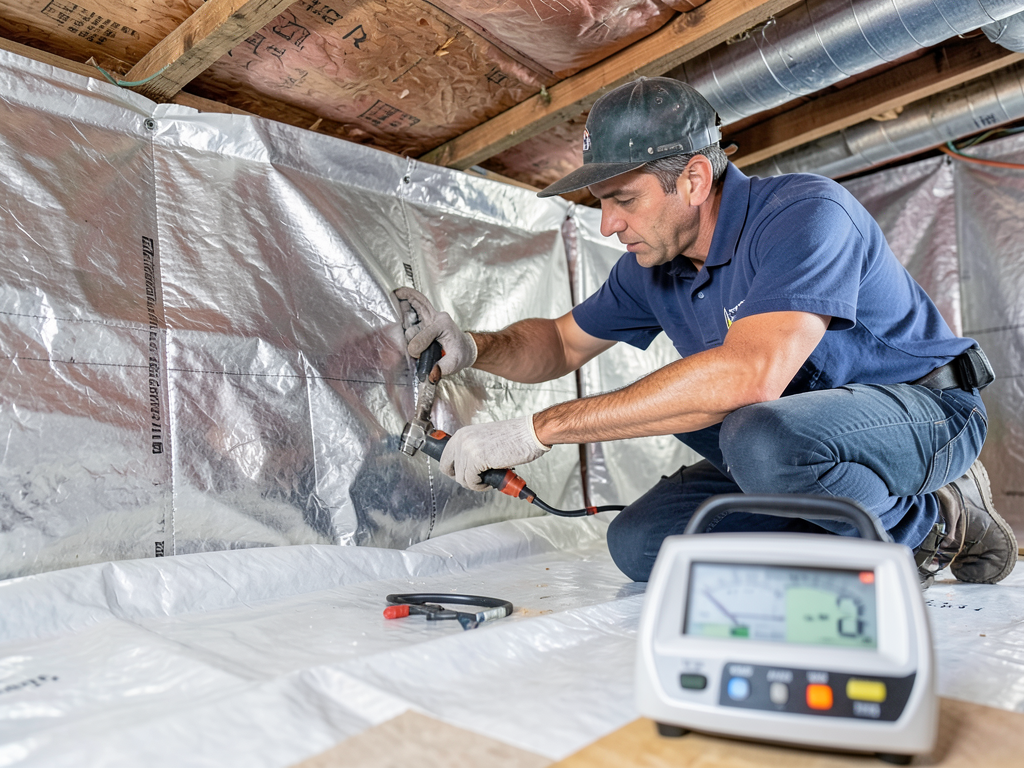
We start with thermal imaging to map moisture penetration in walls, subfloors, and crawl spaces. Infrared cameras reveal water intrusion invisible to the naked eye. We measure relative humidity levels with hygrometers to identify condensation zones that attract damp environment insects.

Our inspection targets common Seattle failure points. We check crawl space vapor barriers for tears and pooling water. We examine rim joists where foundation meets framing, a notorious water entry point in Wallingford and Greenwood homes. We inspect plumbing penetrations through floors where sewer roach infestations originate. We check HVAC condensate lines that frequently fail in attics.

Once we locate the moisture source, we execute full remediation. We remove water-damaged insulation that harbors oriental cockroach colonies. We dry structural lumber to below 19 percent moisture content using commercial dehumidifiers and air movers. We treat affected wood with antimicrobial solutions to prevent mold recolonization.

For crawl spaces, we install 10-mil reinforced vapor barriers, seal foundation vents, and add mechanical dehumidification. This eliminates the damp environment insects require. For plumbing leaks, we coordinate with licensed plumbers to repair source issues before we restore damaged materials.

The result is permanent elimination. No moisture means no water bugs. We do not mask problems. We solve them.

What Happens When You Call Us About Water Bugs

Water Bug & Pest Infestations in Seattle – Stop the Health Risks Before Structural Damage Spreads
01

Emergency Moisture Assessment

We dispatch within 90 minutes for emergency calls. Our technician arrives with thermal imaging equipment and moisture meters to map the water intrusion feeding your pest problem. You get a detailed explanation of what we find and a written scope of work before any repair begins. We document everything for insurance claims.
02

Source Elimination and Drying

We remove all water-damaged materials that harbor oriental cockroaches and their egg cases. Commercial dehumidifiers and air movers run continuously to dry structural components to safe moisture levels. We monitor progress with daily moisture readings until wood framing reaches equilibrium moisture content. This eliminates breeding grounds completely.
03

Long-Term Prevention Installation

We install permanent moisture control systems tailored to Seattle's climate. Crawl space encapsulation with reinforced vapor barriers and dehumidifiers prevents reoccurrence. We seal all plumbing penetrations and foundation cracks. You receive a detailed maintenance plan and moisture monitoring checklist. The water bugs do not come back because their water source is gone.

Why Seattle Homeowners Choose Evergreen Water Damage Restoration for Pest-Related Water Damage

You need someone who understands Seattle construction. Homes in Ballard, Fremont, and Capitol Hill were built between 1900 and 1960 with minimal crawl space protection. Original vapor barriers, if they existed, disintegrated decades ago. These homes sit on damp soil with high water tables. The moisture wicks up through concrete foundations into floor framing.

We have remediated water damage in every Seattle neighborhood. We know the difference between a 1920s Craftsman in Queen Anne with a dirt crawl space and a 1980s split-level in Greenwood with inadequate foundation drainage. Each requires different solutions.

Our team holds IICRC Water Damage Restoration Technician certifications. We follow industry protocols for structural drying and antimicrobial treatment. When we say wood is dry, we prove it with moisture meter readings documented in your file.

We also navigate Seattle's strict building codes. Crawl space encapsulation must meet IRC Section 408.3 ventilation requirements. We handle permit applications and inspections so you do not have to deal with the Department of Construction and Inspections.

Insurance companies trust our documentation. We provide detailed moisture maps, photo evidence of damage, and itemized scopes that match Xactimate estimating software. This speeds up claims approval and gets you paid faster.

Most importantly, we fix problems permanently. We do not want you calling us back next year with the same water bugs. Our crawl space encapsulation systems and drainage corrections solve moisture issues for good. That is why we have repeat customers who call us first when any water problem appears.

What to Expect When You Hire Us for Water Bug Problems

Response Time and Availability

We answer calls 24 hours a day, every day. Emergency water damage that attracts pests requires immediate response to prevent structural decay and mold growth. Our average dispatch time is 90 minutes within Seattle city limits. For Ballard, Capitol Hill, Queen Anne, Fremont, and Wallingford, we often arrive faster. You get a confirmed arrival window within 10 minutes of your call. Our trucks carry moisture detection equipment, so assessment begins the moment we walk through your door. No waiting days for an inspection appointment while water bugs multiply.

Comprehensive Moisture and Pest Inspection

Our inspection goes beyond visible water bugs. We use FLIR thermal imaging cameras to scan walls, floors, and ceilings for temperature differentials that indicate hidden moisture. We check crawl spaces with flashlights and moisture meters to find standing water and failed vapor barriers. We inspect every plumbing penetration through your floors and walls. We examine attic insulation for condensation issues. You receive a written report with photos, moisture readings, and a detailed explanation of what is causing your oriental cockroach problem. We identify every water source so nothing gets missed.

Complete Water Damage Remediation

We do not stop at surface fixes. Water-damaged insulation, subfloors, and wall cavities get removed and replaced. We dry structural framing to safe moisture levels using industrial dehumidifiers and air movers. We treat all affected wood with antimicrobial solutions to kill mold spores and prevent regrowth. For crawl spaces, we install heavy-duty vapor barriers and seal foundation vents to create a controlled environment. All work meets IICRC S500 Water Damage Restoration standards. When we finish, your home is structurally sound and the damp environment that attracted water bugs is eliminated permanently.

Prevention Systems and Follow-Up Monitoring

After remediation, we install systems to prevent recurrence. Crawl space dehumidifiers maintain relative humidity below 60 percent year-round. We provide moisture monitoring instructions and teach you warning signs to watch for. You receive a maintenance checklist specific to your home's vulnerabilities. We also offer annual crawl space inspections to verify vapor barriers remain intact and humidity stays controlled. Our goal is permanent elimination of moisture-related pest infestations. We want you to call us because you are happy, not because the water bugs came back.

Frequently Asked Questions

You Have Questions,
We Have Answers

What kills waterbugs instantly? +

Boric acid powder kills waterbugs instantly on contact by dehydrating their exoskeleton. Diatomaceous earth works similarly and cuts through their protective layer. Insecticidal sprays with pyrethroids deliver fast knockdown. Apply these treatments along baseboards, under sinks, and in damp crawl spaces common in Seattle homes. For immediate results, direct spray contact works best. However, killing visible bugs does not solve the problem. Seattle's wet climate creates ideal breeding conditions, so you need to address moisture sources and entry points to prevent reinfestation. Focus on fixing leaky pipes and sealing foundation cracks where groundwater seeps in.

Is a waterbug a cockroach? +

Yes and no. True waterbugs are giant water beetles that live in ponds. The bugs you find in Seattle basements are Oriental cockroaches or American cockroaches, both moisture-loving species often called waterbugs. They differ from German cockroaches in behavior and habitat. Oriental roaches prefer cool, damp areas like crawl spaces and basements, which makes them common in older Seattle homes with poor drainage. American cockroaches inhabit sewer systems and storm drains. Both species thrive in our region's high humidity. When you see a large, dark reddish or black bug near water sources, you are dealing with a cockroach that needs moisture to survive.

What causes water bugs in your house? +

Waterbugs enter Seattle homes seeking moisture and food. Leaking pipes, poor ventilation, and foundation cracks let them inside. Your home offers shelter from our wet winters and access to water sources they need daily. Clogged gutters and poor yard drainage push them toward your foundation. Crawl space moisture from rising groundwater creates ideal conditions. They feed on organic matter, pet food, and garbage. Older Seattle homes with original plumbing often have slow leaks behind walls that attract colonies. Storm drains and sewer connections provide highways into your home. Fix moisture problems first, then seal entry points around utility lines and foundation vents.

How to get rid of a waterbug infestation? +

Start by eliminating moisture sources. Fix leaky faucets, repair broken pipes, and improve ventilation in basements and crawl spaces. Apply boric acid powder or diatomaceous earth in cracks, behind appliances, and along baseboards. Use gel baits in areas where you see activity. Seal entry points around pipes, vents, and foundation cracks with caulk or steel wool. Remove clutter that provides hiding spots. In Seattle's damp climate, run dehumidifiers in basements to reduce humidity below 50 percent. For severe infestations, professional treatment with residual insecticides and growth regulators provides the most reliable results. Monitor and retreat as needed.

What do water bugs hate the most? +

Waterbugs avoid dry environments, strong light, and certain scents. They hate bay leaves, cedar oil, peppermint oil, and citrus. More important than scents, they cannot survive without moisture. Reducing humidity below 50 percent makes your Seattle home uninhabitable for them. They flee from diatomaceous earth and boric acid because these substances damage their exoskeleton. Cold temperatures slow them down but do not kill them, which matters less in our mild Seattle winters. They dislike smooth surfaces they cannot climb. Focus on creating a dry, well-lit environment rather than relying on repellents alone. Fix the moisture problem and they lose their reason to stay.

How to find a water bug nest? +

Look in damp, dark areas with nearby water sources. Check under sinks, behind washing machines, in crawl spaces, and near water heaters. In Seattle homes, inspect basement floor drains, sump pump areas, and spaces where foundation meets soil. Waterbugs nest in wall voids near leaking pipes. Check behind refrigerators and under dishwashers for droppings and egg cases. Inspect cardboard boxes and stored paper in damp areas. Use a flashlight to examine cracks in concrete floors and gaps around plumbing penetrations. You will find brown smear marks and a musty odor near active nests. Follow their travel paths at night to locate harborage areas.

What time of year are water bugs most active? +

Waterbugs stay active year-round in Seattle because our mild, wet climate provides consistent conditions. You will see peak activity in spring and fall when rainfall increases and they seek shelter. Summer brings them indoors searching for water during drier weeks. Unlike areas with harsh winters, Seattle's moderate temperatures mean they never fully hibernate. Heavy rain events push them up from storm drains and foundation cracks. You will notice more activity during evening hours when they forage for food and water. Homes with poor drainage see infestations worsen during our wet season from October through April. Address moisture issues before fall to prevent seasonal spikes.

Does one water bug mean infestation? +

One waterbug suggests more are hiding. These pests rarely travel alone. If you spot one in your Seattle home, dozens likely live in wall voids, crawl spaces, or under your foundation. A single female carries an egg case with 16 to 50 eggs. They reproduce quickly in our damp climate. One bug indicates conditions that support a colony, moisture problems, entry points, and food sources. Inspect your home immediately. Check for others at night when they forage. Look for droppings, egg cases, and shed skins near water sources. Do not ignore a single sighting. Early intervention prevents a minor problem from becoming a major infestation requiring professional treatment.

Are water bugs difficult to eliminate? +

Waterbugs resist DIY treatment because they hide in hard-to-reach areas and reproduce faster than surface treatments can control them. Seattle's persistent moisture gives them environmental advantages. They develop resistance to some insecticides over time. Their egg cases protect developing nymphs from chemical treatments. You need multiple treatment methods, moisture control, exclusion, baiting, and residual insecticides applied in harborage areas. Crawl space infestations require specialized equipment and products. Most homeowners cannot access wall voids or treat sewer connections where colonies thrive. Successful elimination takes weeks, not days. Professional treatment with follow-up visits produces better results than store-bought sprays because it addresses the root causes.

Can water bugs come up in toilets? +

Yes, waterbugs can enter through toilet drains and sewer lines. In Seattle, older sewer connections and storm drain systems provide access points. They climb through pipes searching for moisture and food. You will most likely see them in basement bathrooms or ground-floor toilets. They enter through breaks in sewer lines, faulty wax rings, or vent pipes. Pour water down rarely used drains weekly to maintain the P-trap seal that blocks sewer gas and pests. If you see bugs emerging from toilets repeatedly, you may have a broken sewer line or compromised drain connection. Have a plumber inspect your drainage system for cracks or gaps.

How Seattle's Year-Round Rain Creates Chronic Water Bug Infestations

Seattle receives measurable precipitation 150 days per year. Unlike climates with distinct dry seasons, your home never gets a break from moisture exposure. Crawl spaces stay damp from October through June. This creates permanent breeding grounds for oriental cockroaches and sewer roaches that thrive in humidity above 70 percent. Homes in low-lying areas near Green Lake, Lake Union, and the Duwamish waterway face even higher moisture loads from elevated groundwater tables. The constant dampness means water damage roaches breed continuously rather than dying off in seasonal droughts. Prevention requires engineered moisture control systems, not just occasional fixes.

Seattle's building codes have evolved significantly since 2000, but thousands of homes predate modern moisture protection standards. If your home was built before crawl space encapsulation became common practice, you likely have inadequate vapor barriers or none at all. Evergreen Water Damage Restoration Seattle specializes in retrofitting older homes with modern moisture control systems that meet current IRC standards. We work daily with Seattle Department of Construction and Inspections requirements. Our crews understand local soil conditions, drainage patterns, and construction methods specific to different Seattle neighborhoods. That local expertise means we solve your water bug problem correctly the first time.


Water Damage Restoration Services in The Seattle Area

Evergreen proudly serves Seattle and its surrounding communities with professional water damage restoration you can count on. Whether you’re downtown, in the suburbs, or nearby, our responsive team is just a call away. View our service area on the map to see if we’re available in your neighborhood. We’re committed to helping local homeowners and businesses recover fast—so if you need help, we’ll come to you. Use the map below to locate our base or service radius and reach out anytime.

Address:
Evergreen Water Damage Restoration Seattle, 600 Stewart St, Seattle, WA, 98101

Additional Services We Offer

Our news updates

Latest Articles & News from The Blogs

How to Stop Your Lake Forest Park Deck from Leaking into the Rooms Below If water from your deck seeps…

How to Stop Your Lake Forest Park Deck from Leaking into the Rooms Below

How to Stop Your Lake Forest Park Deck from Leaking into the Rooms Below If water from your deck seeps…

Why Your West Seattle Retaining Wall Could Be the Cause of Your Wet Basement

Why Your West Seattle Retaining Wall Could Be the Cause of Your Wet Basement \n\n West Seattle’s dramatic topography of…

Fixing Moisture Problems in Your Mukilteo Home After a Heavy Fog Season

Fixing Moisture Problems in Your Mukilteo Home After a Heavy Fog Season Living near Puget Sound means dealing with persistent…

Contact Us

Every day you wait, moisture destroys more of your home's structure. Call Evergreen Water Damage Restoration Seattle now at (564) 220-5525 for a comprehensive moisture assessment. We answer 24/7 and dispatch immediately to stop the damage before it spreads.