
menu

School & University Restoration in Seattle – Protecting Educational Operations with Minimal Disruption

Educational facility water damage restoration designed for Seattle campuses. Our protocols maintain academic continuity while meeting strict safety codes and preserving critical infrastructure across dormitories, libraries, labs, and administrative buildings.

Slider Image 1
Slider Image 2
Slider Image 3
Slider Image 4
Slider Image 5
Slider Image 7
Slider Image 8
Slider Image 9
Slider Image 10
Slider Image 11

Water Damage Threatens Educational Facilities Across Seattle's Campus Landscape

Seattle's persistent rainfall and aging infrastructure create high-risk conditions for educational institutions. University of Washington, Seattle University, and Seattle Central College face continuous exposure to water intrusion through deteriorating roofing systems, outdated plumbing in historic buildings, and overwhelmed storm drainage networks. A single pipe burst in a residence hall displaces hundreds of students. A flooded science lab halts research programs. Water damage in administrative buildings compromises sensitive records and disrupts enrollment operations.

Educational facilities carry unique liability concerns. Mold growth in dormitories triggers respiratory complaints and potential lawsuits. Water-damaged electrical systems in lecture halls pose fire hazards. Structural compromise in multi-story academic buildings threatens occupant safety. Washington State building codes require immediate documentation and remediation when water intrusion affects occupied educational spaces.

Seattle's campus environments compound standard water damage challenges. Underground steam tunnels common in older universities create hidden pathways for water migration. High-occupancy dormitories require rapid response to prevent displacement. Research facilities house equipment sensitive to humidity fluctuations. Athletic complexes with pools and showers experience chronic moisture problems. These factors demand specialized college campus water remediation protocols beyond residential or standard commercial approaches.

Winter freeze-thaw cycles stress aging campus infrastructure. Spring storms overwhelm inadequate drainage systems around tiered lecture halls. Summer humidity accelerates mold development in poorly ventilated spaces. Each season presents distinct threats to educational facility operations across the Seattle metro area.

Water Damage Threatens Educational Facilities Across Seattle's Campus Landscape
Specialized Protocols for Educational Water Damage Restoration

Specialized Protocols for Educational Water Damage Restoration

School disaster recovery services require containment strategies that maintain partial building operations during remediation. We establish negative air pressure zones using HEPA-rated air scrubbers to isolate affected wings while adjacent classrooms remain functional. This approach minimizes instructional downtime and prevents cross-contamination in occupied spaces.

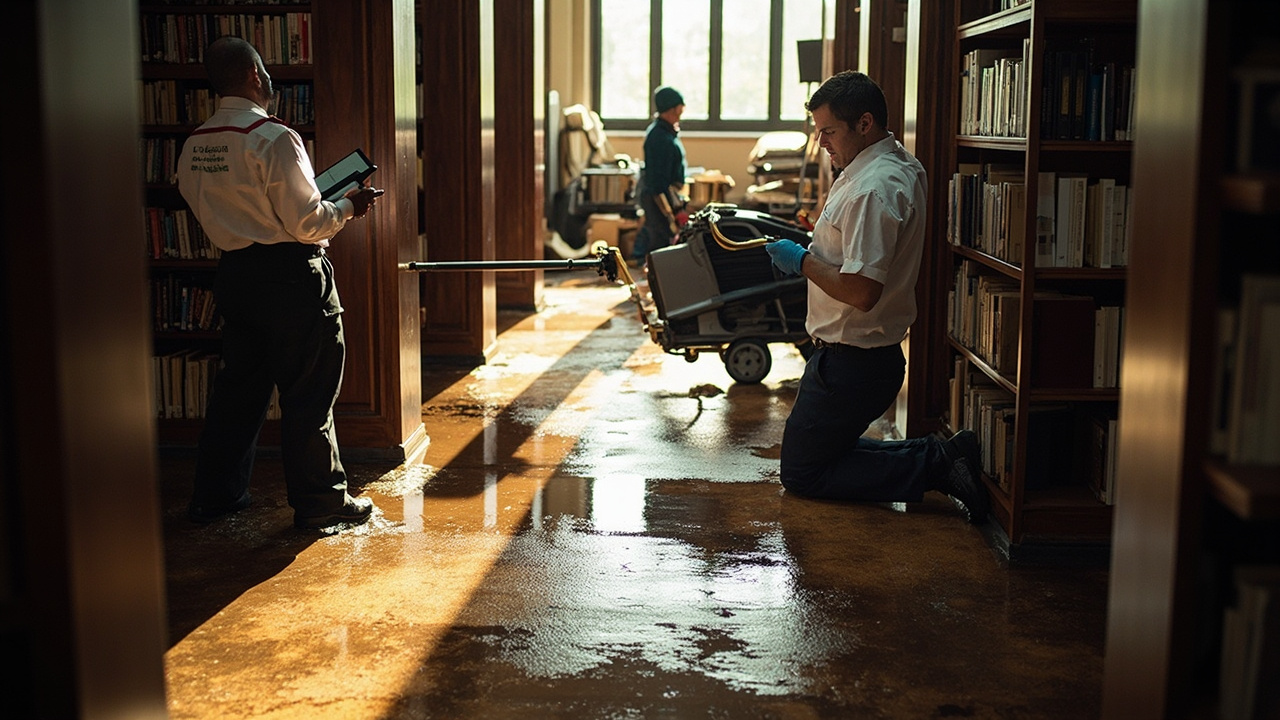
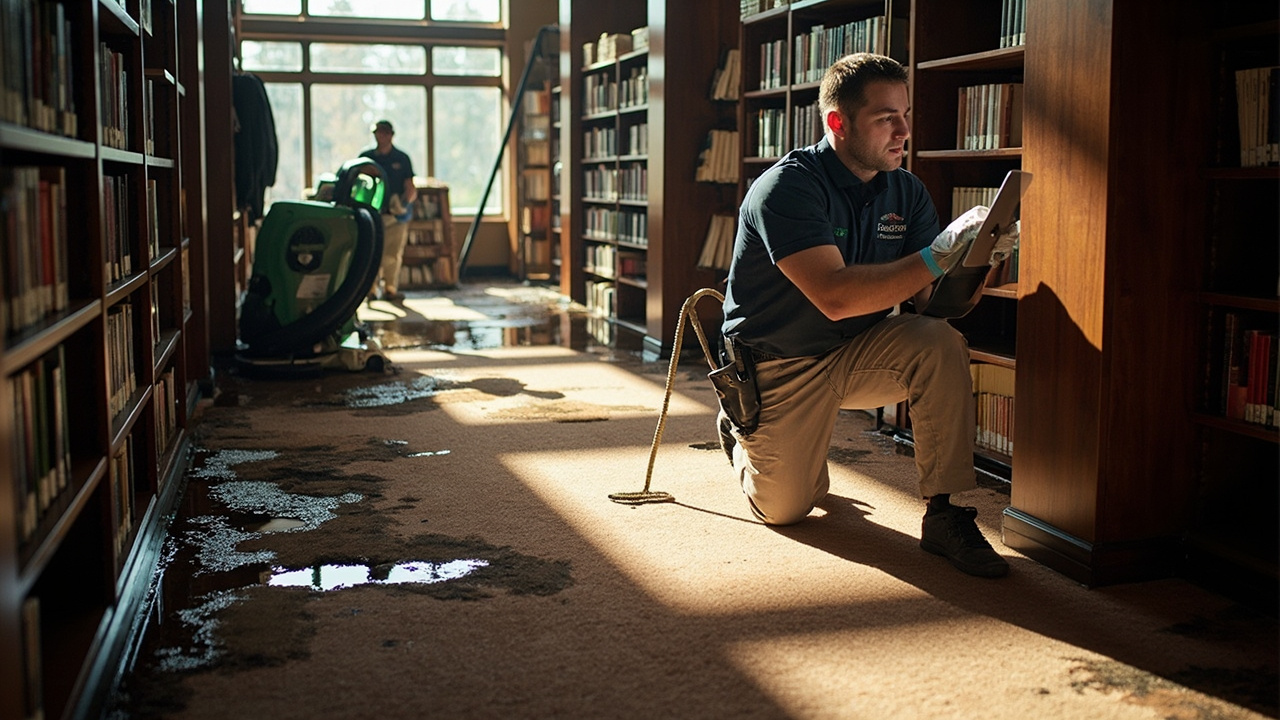
Our extraction methodology addresses the high-volume water intrusion common in educational settings. Truck-mounted extractors remove standing water from flooded basements and mechanical rooms within hours. Submersible pumps handle situations where campus steam tunnels or underground utilities channel water across multiple buildings. We deploy low-grain refrigerant dehumidifiers calibrated for the square footage typical in gymnasiums, cafeterias, and auditoriums.

University flood cleanup services demand documentation that satisfies institutional risk management requirements. We photograph damage progression, log moisture readings across multiple visits, and provide detailed reports linking water source to affected building systems. This documentation supports insurance claims and demonstrates regulatory compliance to state inspectors.

Academic building water damage repair requires coordination with facilities management teams. We schedule demolition work during academic breaks when possible. For mid-semester emergencies, we execute phased remediation that prioritizes critical spaces like data centers and research labs. Our crews understand the operational constraints of educational environments and adapt workflows to minimize disruption.

Material selection considers long-term durability in high-traffic educational settings. We specify moisture-resistant drywall in basement areas prone to condensation. Antimicrobial treatments on wall cavities prevent future mold growth in poorly ventilated spaces. All materials meet LEED standards required by newer campus construction and major renovation projects across Seattle's educational institutions.

Campus Water Damage Response Protocol

School & University Restoration in Seattle – Protecting Educational Operations with Minimal Disruption
01

Emergency Campus Assessment

Our team arrives within two hours of notification to conduct a multi-zone inspection. We identify water source location, map affected building systems, and determine occupancy risks. Using thermal imaging cameras, we trace moisture migration through walls and ceilings. We immediately coordinate with campus security and facilities directors to establish access protocols and determine which spaces require immediate evacuation versus staged remediation.
02

Containment and Extraction

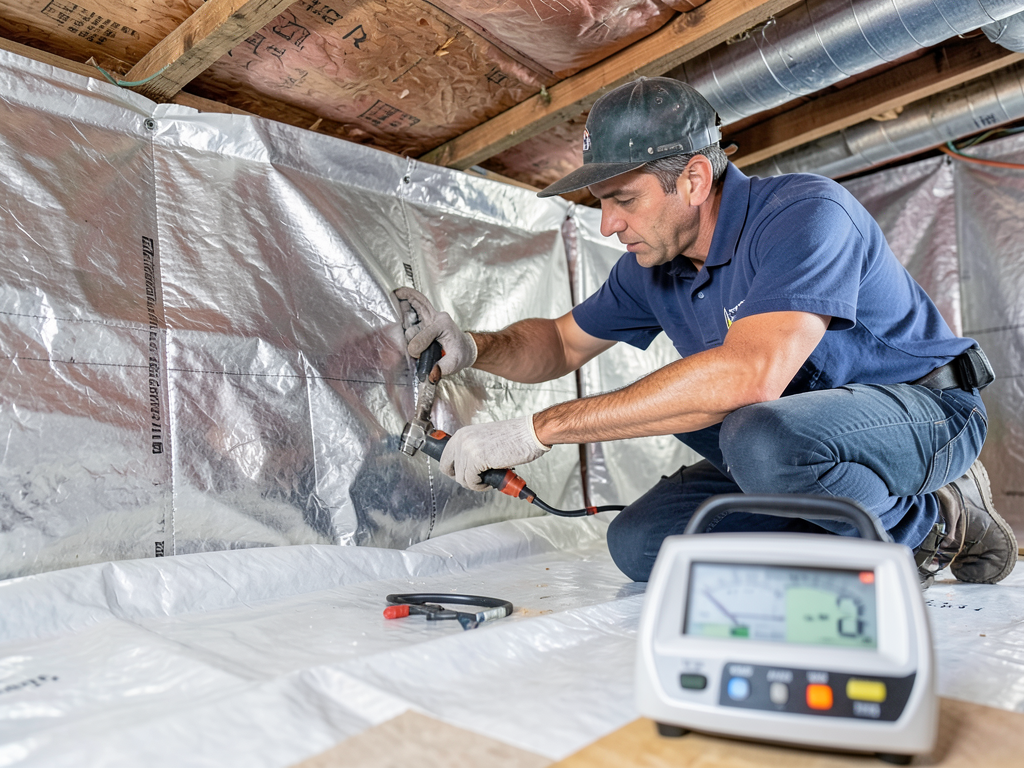
We erect physical barriers using poly sheeting and zippered access panels to isolate damaged zones. Industrial extractors remove standing water while maintaining building operations in unaffected areas. Desiccant dehumidifiers address moisture in sensitive environments like computer labs and archives. Air movers create controlled drying conditions that prevent secondary damage. Real-time moisture monitoring tracks drying progress across multiple building levels and ensures thorough remediation before reconstruction begins.
03

Reconstruction and Clearance

After achieving EPA-recommended moisture thresholds, we execute repairs using institutional-grade materials. Our crews match existing finishes in historic campus buildings and install upgraded moisture barriers in chronic problem areas. We conduct final air quality testing to verify the space meets Washington State health standards. Facilities management receives complete documentation including moisture logs, material specifications, and post-remediation clearance certificates required for reopening occupied educational spaces.

Seattle Campus Expertise and Regulatory Compliance

Educational facility water damage restoration in Seattle requires familiarity with unique institutional constraints. We understand the approval processes at major universities. We know which campus buildings contain asbestos-wrapped steam pipes requiring special handling. We have established relationships with facilities management teams across Seattle's educational landscape, enabling faster approvals and smoother coordination during crisis situations.

Washington State regulations governing occupied educational buildings exceed standard commercial requirements. Water damage affecting spaces where minors congregate triggers mandatory reporting. Mold remediation in dormitories requires third-party clearance testing. We maintain current knowledge of these regulatory frameworks and execute documentation protocols that satisfy both institutional risk management and state oversight agencies.

Seattle's concentration of historic campus buildings presents specialized challenges. Many structures predate modern waterproofing standards. Original construction used materials that behave unpredictably when wet. We have remediated water damage in buildings listed on historic registries, working within preservation guidelines that restrict material substitution and require approval from preservation boards. This experience prevents costly delays and ensures compliance with heritage protection requirements.

Our capacity matches the scale of institutional water damage. A flooded multi-story residence hall requires dozens of air movers, industrial dehumidifiers, and crew members working in coordinated shifts. We maintain equipment inventory sufficient for simultaneous large-loss events and can mobilize additional resources through regional partnerships when campus-wide flooding affects multiple buildings.

Evergreen Water Damage Restoration Seattle operates during the compressed timelines educational institutions require. Summer break provides limited windows for major remediation work. Mid-semester emergencies demand overnight and weekend scheduling to minimize class cancellations. We structure crews and maintain on-call availability that aligns with academic calendar constraints.

What Seattle Educational Institutions Can Expect

Rapid Response for Academic Continuity

We dispatch crews within 120 minutes of initial contact for water emergencies affecting Seattle campuses. Our first priority addresses immediate safety hazards including electrical risks and structural instability. We establish temporary measures that allow partial building use while remediation proceeds. For summer projects, we provide timeline projections that align with academic calendar constraints. Mid-semester emergencies receive 24/7 crew availability to compress remediation schedules and reopen critical instructional spaces. Clear communication protocols keep facilities management informed throughout the restoration process, enabling accurate updates to campus communities about building availability and safety status.

Comprehensive Campus Water Damage Assessment

Initial evaluation documents water intrusion extent using moisture meters, thermal cameras, and visual inspection across all affected zones. We test air quality when mold growth is suspected or confirmed. Assessment reports include photographs, moisture mapping diagrams, and recommendations prioritized by safety risk and operational impact. For insurance purposes, we provide detailed inventories of damaged equipment, furnishings, and building systems. Facilities directors receive preliminary remediation scopes within 24 hours of assessment completion. Our evaluations identify underlying infrastructure failures that contributed to water damage, enabling institutions to address root causes and prevent recurrence in vulnerable campus buildings.

Institutional-Grade Restoration Results

Completed restoration returns educational spaces to full operational status with upgraded moisture protection. We match existing architectural finishes in historic campus buildings and install modern waterproofing systems in chronic problem areas. All work meets current Washington State building codes and ADA accessibility requirements. Final deliverables include complete documentation packages containing moisture logs, material specifications, air quality test results, and photographic records of remediation phases. These packages satisfy insurance requirements, support risk management protocols, and provide facilities management teams with baseline data for future maintenance planning. Spaces pass third-party clearance testing before we release them for occupancy.

Post-Remediation Support and Prevention Planning

Following restoration completion, we provide facilities teams with monitoring protocols for areas at elevated risk of moisture recurrence. Recommendations address drainage improvements, mechanical system upgrades, and maintenance practices that reduce future water damage probability. For institutions managing multiple aging buildings, we offer campus-wide vulnerability assessments identifying infrastructure weaknesses before they cause disruptions. Our team remains available for follow-up moisture testing during the months following major remediation projects. This ongoing support ensures long-term success of restoration work and helps educational institutions develop proactive maintenance strategies that protect against Seattle's climate-related challenges.

Frequently Asked Questions

You Have Questions,
We Have Answers

How Seattle's Climate Intensifies Water Risks for Educational Campuses

Seattle receives 37 inches of annual rainfall distributed across 150 days, creating persistent moisture exposure for educational facilities. Many campus buildings were constructed between 1900 and 1960, predating modern waterproofing standards and building envelope technology. Original clay tile roofing systems common in that era develop leaks after decades of freeze-thaw cycling. Ground-level flooding occurs when storm systems overwhelm outdated campus drainage infrastructure designed for lower precipitation volumes. The combination of aging buildings and consistent rainfall makes university flood cleanup services an ongoing necessity rather than a rare emergency across Seattle's educational landscape.

Successful school disaster recovery services in Seattle require understanding of local code enforcement and institutional compliance requirements. The Seattle Department of Construction and Inspections enforces stringent moisture management standards for occupied educational buildings. Washington State health regulations mandate specific remediation protocols when water damage affects spaces used by students. Evergreen Water Damage Restoration Seattle maintains relationships with local inspectors and understands documentation requirements that satisfy both city and state oversight. This local expertise prevents project delays and ensures educational facilities meet all regulatory obligations before resuming normal operations after water damage events.


Water Damage Restoration Services in The Seattle Area

Evergreen proudly serves Seattle and its surrounding communities with professional water damage restoration you can count on. Whether you’re downtown, in the suburbs, or nearby, our responsive team is just a call away. View our service area on the map to see if we’re available in your neighborhood. We’re committed to helping local homeowners and businesses recover fast—so if you need help, we’ll come to you. Use the map below to locate our base or service radius and reach out anytime.

Address:
Evergreen Water Damage Restoration Seattle, 600 Stewart St, Seattle, WA, 98101

Additional Services We Offer

Our news updates

Latest Articles & News from The Blogs

How to Stop Your Lake Forest Park Deck from Leaking into the Rooms Below If water from your deck seeps…

How to Stop Your Lake Forest Park Deck from Leaking into the Rooms Below

How to Stop Your Lake Forest Park Deck from Leaking into the Rooms Below If water from your deck seeps…

Why Your West Seattle Retaining Wall Could Be the Cause of Your Wet Basement

Why Your West Seattle Retaining Wall Could Be the Cause of Your Wet Basement \n\n West Seattle’s dramatic topography of…

Fixing Moisture Problems in Your Mukilteo Home After a Heavy Fog Season

Fixing Moisture Problems in Your Mukilteo Home After a Heavy Fog Season Living near Puget Sound means dealing with persistent…

Contact Us

Campus water emergencies require immediate professional response. Call (564) 220-5525 now for rapid assessment and remediation that minimizes operational disruption. Our crews understand the unique demands of educational environments and maintain the capacity to handle large-scale institutional losses.