

menu

Does Insurance Cover Mold in Seattle? – Get Clear Answers on Homeowners Insurance Mold Coverage and Claims

We break down exactly when homeowners insurance covers mold damage, how mold remediation insurance claims work in Washington State, and what Seattle homeowners need to know before filing for property insurance mold coverage.

Slider Image 1
Slider Image 2
Slider Image 3
Slider Image 4
Slider Image 5
Slider Image 7
Slider Image 8
Slider Image 9
Slider Image 10
Slider Image 11

Why Seattle Homeowners Are Confused About Mold Coverage

You find mold in your crawlspace. You call your insurance agent. They give you vague answers about "sudden and accidental" damage. You hang up more confused than when you started.

Seattle's damp climate creates perfect conditions for mold growth. The constant drizzle from October through May keeps humidity levels elevated. Your home never fully dries out. Crawlspaces stay wet. Attics trap moisture. And mold grows quietly behind walls until you see visible colonies or smell that unmistakable musty odor.

Most homeowners insurance policies in Washington State do cover mold damage, but only under specific conditions. The key phrase is "sudden and accidental." If a pipe bursts and floods your basement overnight, the resulting mold growth is typically covered. If your roof has been leaking slowly for six months and mold develops, your claim will likely be denied.

Insurance companies distinguish between mold caused by a covered peril and mold caused by neglect or maintenance issues. A tree branch crashes through your roof during a windstorm and rain pours in? Covered. Your bathroom exhaust fan broke two years ago and you never fixed it, leading to mold in the walls? Not covered.

The confusion comes from the gray areas. What if you did not know about the slow leak? What if the pipe failure was gradual, not sudden? What if the mold appeared weeks after the initial water damage event? These questions require documentation, timelines, and often professional assessments to answer. Understanding homeowners insurance mold coverage before you file a claim can save you thousands in out-of-pocket costs and prevent claim denials that damage your insurance history.

Why Seattle Homeowners Are Confused About Mold Coverage
How Insurance Companies Evaluate Mold Remediation Claims

How Insurance Companies Evaluate Mold Remediation Claims

Insurance adjusters look for three things when evaluating mold claims: the source of moisture, the timeline of discovery, and evidence of proper maintenance.

First, they identify the moisture source. Water damage must originate from a covered peril listed in your policy. Common covered perils include sudden pipe bursts, appliance malfunctions, roof damage from storms, and overflow from plumbing fixtures. Groundwater seepage, flooding from external sources, and condensation from poor ventilation are typically excluded unless you have specific endorsements.

Second, they establish the timeline. You must report water damage promptly. Most policies require notification within 48 to 72 hours of discovery. If you wait weeks to report standing water in your basement, the insurer may argue you allowed the mold growth through delayed action. They will examine photos, repair invoices, and professional inspection reports to verify when the damage occurred versus when mold developed.

Third, they review your maintenance records. Insurance does not cover mold resulting from deferred maintenance or long-term neglect. If your policy includes a mold exclusion clause (which most Washington State policies now include), coverage limits may cap at $10,000 or less for mold remediation, regardless of the actual cost.

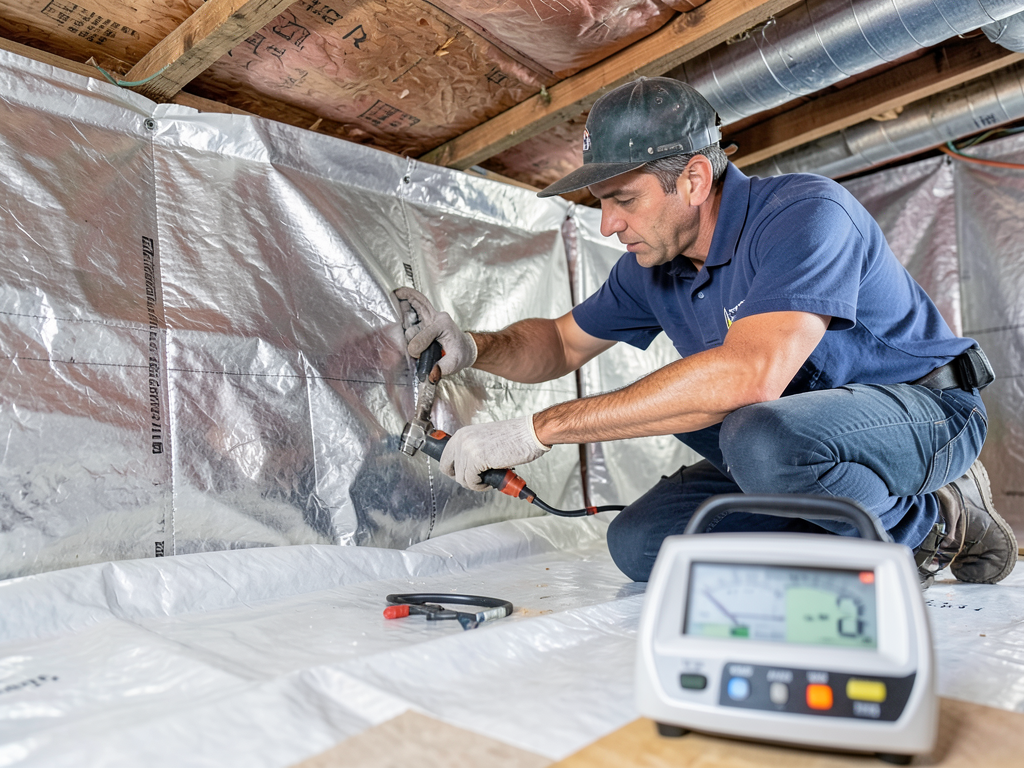
Professional water damage restoration companies document everything during emergency response calls. We photograph the moisture source, measure humidity levels using thermal imaging and moisture meters, and create detailed logs of all affected materials. This documentation becomes critical evidence during the claims process.

When mold remediation insurance claims get filed, insurers often send independent adjusters to verify the scope of damage. They compare pre-loss conditions with post-discovery assessments. Any gaps in documentation can lead to reduced payouts or full denials. Working with certified water damage restoration professionals who understand insurance requirements protects your financial interests and speeds up claim approvals.

What Happens When You File a Mold Insurance Claim

Does Insurance Cover Mold in Seattle? – Get Clear Answers on Homeowners Insurance Mold Coverage and Claims
01

Initial Damage Assessment

You contact your insurance company immediately after discovering water damage or visible mold growth. The insurer assigns an adjuster to your claim within 24 to 48 hours. Before the adjuster arrives, document everything with photos and videos showing the extent of damage, moisture sources, and affected areas. Do not begin cleanup or repairs until the adjuster completes their initial inspection, as premature remediation can void coverage or reduce settlement amounts.
02

Professional Inspection and Documentation

The adjuster evaluates whether the mold resulted from a covered peril and determines the scope of necessary remediation. Many homeowners hire independent mold inspectors or water damage restoration companies to conduct parallel assessments. These professional reports provide leverage during settlement negotiations. Certified technicians use moisture meters, infrared cameras, and air quality testing to identify hidden damage the adjuster might miss. Detailed documentation strengthens your position when disputing low settlement offers.
03

Settlement and Remediation

The insurance company reviews all documentation and issues a settlement offer. If the offer seems low, you can dispute it with additional evidence from certified professionals. Once you accept the settlement, remediation begins. Most insurers issue initial payments to cover emergency mitigation, then release final payments after work completion and final inspection. Keep all invoices, receipts, and completion certificates. If remediation costs exceed the settlement, you may negotiate additional coverage or file a supplemental claim for damages discovered during the restoration process.

Why Seattle Homeowners Trust Local Mold and Water Damage Experts

Seattle's unique climate demands specialized knowledge that out-of-state restoration companies simply do not have. We understand how Puget Sound humidity patterns affect indoor moisture levels. We know which neighborhoods experience higher groundwater intrusion due to proximity to Lake Washington, Lake Union, or Elliott Bay. We recognize the difference between surface mold on basement walls caused by condensation versus black mold colonies behind drywall caused by hidden pipe leaks.

Local building codes in Seattle require specific ventilation standards for crawlspaces and attics. Many older homes in neighborhoods like Queen Anne, Capitol Hill, and Ballard were built before these codes existed. These homes face higher mold risks because they lack proper vapor barriers, inadequate attic venting, and outdated plumbing systems. We have worked in these homes for years. We know which materials were used in construction, which foundation types are common in each area, and how different architectural styles respond to water intrusion.

Insurance adjusters in Washington State recognize local restoration companies because we speak their language. We know what documentation they require. We understand Washington State insurance regulations regarding mold coverage limits and disclosure requirements. When we submit evidence to support your claim, it comes formatted correctly with the technical terminology adjusters expect to see.

Evergreen Water Damage Restoration Seattle maintains relationships with local insurance agents, public adjusters, and restoration industry associations. These connections help us advocate for fair settlements when insurers attempt to deny legitimate claims or offer lowball settlements. We have seen every tactic insurance companies use to reduce payouts. We know how to counter those tactics with solid evidence, professional assessments, and clear documentation that proves the mold resulted from a covered peril rather than maintenance neglect. Choosing a local expert means you have an advocate who understands both the technical requirements of proper mold remediation and the business requirements of insurance claim processing.

What to Expect During the Mold Insurance Claim Process

Claim Timeline and Response Speed

Most insurance companies in Washington State respond to claims within 24 to 72 hours of initial notification. The adjuster schedules an inspection within three to five business days. Simple claims with clear covered perils can settle within two weeks. Complex claims involving disputed coverage, hidden damage, or high-value remediation may take 30 to 60 days. Emergency mitigation typically begins immediately, even before final settlement, because insurance policies require you to prevent further damage. Delays in starting remediation can result in coverage denials if the insurer argues you allowed the problem to worsen through inaction. Professional restoration companies coordinate with adjusters to ensure mitigation begins quickly while preserving evidence needed for claim approval.

Initial Assessment and Scope Determination

The adjuster inspects visible damage and determines what the policy covers. They measure affected square footage, photograph damage, and interview you about when you discovered the problem. Adjusters often underestimate hidden damage because they rely on visual inspection rather than technical equipment. Professional mold inspectors use moisture meters to detect water trapped inside wall cavities, infrared cameras to identify temperature differentials indicating moisture presence, and air quality tests to measure spore counts. These tools reveal damage the adjuster cannot see. Independent assessments provide leverage during settlement negotiations. If your adjuster estimates $5,000 in damage but professional testing reveals $15,000 in hidden moisture intrusion, you need that documentation to justify a higher settlement.

Final Remediation Quality and Clearance Testing

Professional mold remediation follows strict protocols established by the Institute of Inspection, Cleaning and Restoration Certification. Technicians establish containment barriers, use negative air pressure to prevent spore spread, remove contaminated materials, treat surfaces with antimicrobial solutions, and verify complete removal through post-remediation testing. Insurance settlements should cover clearance testing performed by independent hygienists who verify spore counts have returned to normal levels. This final clearance report protects you legally if mold reappears later. Some insurers try to avoid paying for clearance testing by arguing it is optional. It is not optional. Clearance testing proves the remediation was successful and provides documentation that the covered peril has been fully mitigated, which closes the claim properly and prevents future disputes.

Post-Remediation Follow-Up and Prevention

After remediation, professional companies provide recommendations to prevent future mold growth. This includes identifying ventilation improvements, humidity control measures, and maintenance practices specific to Seattle's damp climate. Many insurance policies do not cover future mold growth if it results from the same unresolved moisture source. You must address the underlying cause, whether that means repairing a leaking roof, upgrading bathroom exhaust fans, or installing a crawlspace vapor barrier. Some restoration companies offer ongoing moisture monitoring services that alert you to humidity spikes before mold develops. These preventive measures protect your home value and ensure you maintain eligibility for property insurance mold coverage if another covered peril occurs. Documentation of prevention efforts also strengthens your position if you ever need to file another claim, proving you maintained your property properly.

Frequently Asked Questions

You Have Questions,
We Have Answers

Should I tell my insurance company about mold? +

Yes, report visible mold to your insurance company immediately. Seattle's persistent rainfall and high humidity create conditions where mold spreads fast after water intrusion. Document the mold with photos and note when you first saw it. Your policy likely requires prompt notice of any potential claim. Hiding mold can void coverage later. If the mold stems from a covered peril like a burst pipe or roof leak, you may have a valid claim. If it developed from long-term neglect or condensation, coverage is unlikely. Call your agent first, then contact a certified restoration company to assess the damage.

Can you claim on house insurance for mold? +

You can claim mold damage if it resulted from a sudden, covered water event. Seattle homeowners policies typically cover mold when it follows a burst pipe, appliance leak, or storm damage. Most policies cap mold remediation at $10,000 unless you purchased additional coverage. Gradual mold from poor ventilation, deferred maintenance, or Seattle's damp climate is excluded. Review your policy declarations page for mold sublimits. If your claim gets denied, ask for the specific policy language justifying the denial. Many Seattle homes have crawl space moisture issues that insurance will not cover because they stem from environmental conditions, not sudden accidents.

What types of mold does insurance cover? +

Insurance covers mold when it grows after a sudden, accidental water discharge. Covered scenarios include pipe bursts, water heater failures, washing machine hose ruptures, and roof leaks from storm damage. The mold must appear quickly, not over months. Seattle policies exclude mold from ongoing condensation, foundation seepage, or neglected maintenance. The type of mold species does not matter for coverage. Black mold, green mold, and white mold all receive the same treatment. What matters is the cause. If the water source is covered, the resulting mold is covered up to your policy sublimit. If the water damage is excluded, so is the mold.

What is an example of a mold claim? +

A Seattle homeowner returns from vacation to find a burst supply line flooded the basement. Water sat for four days before discovery. Mold began growing on drywall and framing. The homeowner filed a claim within 48 hours, providing photos and a plumber's report confirming the pipe failure. The insurer approved water extraction, drywall replacement, and antimicrobial treatment up to the policy's mold sublimit. The claim covered structural drying, removal of affected materials, and air quality testing. Total payout reached $8,500. If the homeowner had delayed reporting or the leak was gradual, coverage would have been denied.

How expensive is mold removal? +

Mold remediation in Seattle ranges widely based on square footage and contamination severity. Small bathroom projects might run a few thousand dollars, while crawl space or attic infestations can cost significantly more. Containment, HEPA filtration, material removal, antimicrobial treatment, and air testing all add up. Seattle's wet climate often means hidden mold behind walls or under flooring, increasing scope. Insurance sublimits often cap coverage around $10,000. Get three written estimates from certified mold remediation companies. Document everything with photos. Costs escalate quickly when structural materials need replacement. Act fast to prevent spread and limit expenses.

Will my rates go up if I file a mold claim? +

Filing a mold claim can increase your homeowners insurance rates, though not always immediately. Insurers view mold claims as red flags for property maintenance issues. In Seattle, where moisture problems are common, a mold claim may label your home as high-risk. Some carriers non-renew policies after mold claims. Others raise premiums at renewal. If your claim is denied, rates typically stay stable. Weigh the claim payout against potential rate hikes. If remediation costs only slightly exceed your deductible, paying out of pocket may save money long-term. Shop carriers after a claim to compare rates. Claims history follows you for three to five years.

What are my rights if my insurance denies a mold claim? +

If your insurer denies a mold claim, request a written explanation citing specific policy exclusions. Review your policy declarations and endorsements carefully. Seattle homeowners can file a complaint with the Washington State Office of the Insurance Commissioner if the denial seems unfair. You have the right to hire a public adjuster to reassess the damage and challenge the decision. Document everything: photos, repair estimates, moisture readings, and the timeline of water intrusion. Consider hiring an attorney if the claim value justifies legal fees. You can also request mediation or appraisal under your policy's dispute resolution clause. Act within your policy's deadlines.

How much compensation can I get for mold? +

Mold compensation depends on your policy's sublimit and the scope of damage. Most Seattle homeowners policies cap mold coverage at $10,000, though some offer higher limits with endorsements. Compensation covers remediation costs, structural repairs, and temporary housing if the home is uninhabitable. You will not receive extra for pain and suffering unless you prove gross negligence by the insurer. Document all damages with professional estimates. If your claim is underpaid, dispute it with supporting evidence. Homes with severe mold contamination requiring full gut-outs often exceed policy sublimits, leaving you to pay the difference. Buy higher limits if you live in a moisture-prone area.

What happens if your house is covered in mold? +

If your home has widespread mold, vacate immediately and call a certified mold remediation company. Exposure to high mold concentrations can trigger respiratory issues, especially in Seattle's damp climate. Document the contamination with photos and get a professional assessment. Contact your insurance company to report the damage. If mold resulted from a covered peril, file a claim. If not, you will pay out of pocket. Severe infestations require containment, HEPA air scrubbing, removal of porous materials like drywall and insulation, and antimicrobial treatment. Do not attempt DIY cleanup on large-scale contamination. Address the moisture source first or mold will return.

How to get homeowners insurance to pay for mold? +

To get insurance to pay for mold, prove the mold resulted from a sudden, covered water event. Document the water source with photos, timestamps, and contractor reports. File your claim promptly after discovering damage. Seattle's wet climate makes insurers scrutinous, so clear causation is critical. Provide moisture readings, air quality tests, and remediation estimates from certified professionals. If the insurer disputes causation, hire a public adjuster or attorney. Reference your policy's covered perils section. Show the mold appeared quickly after the water event, not over months. Keep all receipts for temporary repairs. Follow up persistently and meet all deadlines.

Why Seattle's Marine Climate Makes Mold Insurance Claims More Complex

Seattle's proximity to Puget Sound creates consistently high humidity levels year-round, typically ranging between 70 and 85 percent. Most mold species thrive above 60 percent humidity. This constant moisture exposure means Seattle homes face elevated mold risk even without catastrophic water damage events. Insurance adjusters in this region scrutinize mold claims more carefully because they know mold can develop from ambient humidity rather than covered perils. You must prove the mold resulted from sudden water intrusion, not gradual moisture accumulation from normal Seattle weather patterns. Professional documentation showing moisture levels, spore types, and damage patterns becomes critical evidence separating covered claims from maintenance-related denials.

Washington State insurance regulations require specific disclosures about mold coverage limitations. Most homeowners policies now include mold exclusion endorsements that cap coverage between $5,000 and $15,000, regardless of actual remediation costs. Seattle homeowners purchasing older homes in neighborhoods like Fremont, Wallingford, or the University District should review their policies carefully, as these areas contain many pre-1950 homes with outdated moisture management systems. Local restoration companies understand these regional insurance nuances and can recommend supplemental mold coverage endorsements before problems occur. We also maintain relationships with public adjusters who specialize in contesting low settlement offers when insurers attempt to apply policy limitations unfairly.


Water Damage Restoration Services in The Seattle Area

Evergreen proudly serves Seattle and its surrounding communities with professional water damage restoration you can count on. Whether you’re downtown, in the suburbs, or nearby, our responsive team is just a call away. View our service area on the map to see if we’re available in your neighborhood. We’re committed to helping local homeowners and businesses recover fast—so if you need help, we’ll come to you. Use the map below to locate our base or service radius and reach out anytime.

Address:
Evergreen Water Damage Restoration Seattle, 600 Stewart St, Seattle, WA, 98101

Additional Services We Offer

Our news updates

Latest Articles & News from The Blogs

How to Stop Your Lake Forest Park Deck from Leaking into the Rooms Below If water from your deck seeps…

How to Stop Your Lake Forest Park Deck from Leaking into the Rooms Below

How to Stop Your Lake Forest Park Deck from Leaking into the Rooms Below If water from your deck seeps…

Why Your West Seattle Retaining Wall Could Be the Cause of Your Wet Basement

Why Your West Seattle Retaining Wall Could Be the Cause of Your Wet Basement \n\n West Seattle’s dramatic topography of…

Fixing Moisture Problems in Your Mukilteo Home After a Heavy Fog Season

Fixing Moisture Problems in Your Mukilteo Home After a Heavy Fog Season Living near Puget Sound means dealing with persistent…

Contact Us

Do not wait until after you file a claim to understand your coverage. Call Evergreen Water Damage Restoration Seattle at (564) 220-5525 for a free consultation. We review your policy, assess your home's mold risk, and explain exactly what your insurance will and will not cover.