



Bellevue sits between Lake Washington and Lake Sammamish, creating a microclimate where annual rainfall exceeds 38 inches and humidity stays elevated year-round. This persistent moisture attacks homes and businesses from multiple angles. The city's mix of vintage 1950s construction in neighborhoods like Wilburton and newer high-rises in Downtown Bellevue means water intrusion patterns vary drastically by building age and design.
Bellevue's clay-heavy soil does not drain well. When winter storms hit, water pools against foundations and seeps through basement walls, particularly in lower elevation areas near Mercer Slough. The freeze-thaw cycles common to the Cascades foothills cause pipe bursts during cold snaps, while aging infrastructure in older districts leads to supply line failures.
Commercial properties in the Bel-Red corridor face specific challenges with flat roof systems that collect water during extended rain events. Condensation issues plague the sealed building envelopes of modern construction, creating hidden moisture problems inside walls. Bellevue's strict building codes require proper remediation documentation for insurance and resale purposes, making professional water damage cleanup essential rather than optional.
Evergreen Water Damage Restoration Seattle operates from our Eastside location with dedicated teams positioned to reach any Bellevue property in under 60 minutes. This proximity matters because water damage compounds exponentially in the first hours after intrusion. While other companies dispatch from Seattle or Tacoma, our Bellevue focus means we arrive faster and understand the specific construction types and moisture challenges unique to properties between the two lakes.
We invested in thermal imaging cameras, industrial dehumidifiers, and truck-mounted extraction systems that remove thousands of gallons per hour. Our technicians hold IICRC Water Damage Restoration certifications and complete ongoing training in structural drying science. This is not carpet cleaning equipment adapted for water removal. These are purpose-built tools for complete moisture elimination.
Our insurance coordination sets us apart. We document damage with photo evidence, moisture readings, and detailed reports that satisfy adjuster requirements. We communicate directly with your carrier, provide detailed estimates, and work within approved scopes. Most customers pay only their deductible because we handle the entire claims process.
We serve property managers, homeowners, and commercial facilities throughout Bellevue with the same commitment. Our work comes with documentation that satisfies the city's strict remediation standards. We understand that water damage creates stress and disruption. Our goal is containment, elimination, and return to normal operations as fast as possible. No drama, no delays, just results.

Our Eastside location puts teams at your Bellevue property in under an hour, any time of day or night. Speed stops water from spreading into unaffected areas, reduces total damage, and lowers restoration costs. We dispatch immediately when you call, not when a crew becomes available.

We communicate with your insurance carrier from first contact through final invoice. Our detailed documentation includes moisture readings, photo evidence, and scope justification that adjusters require. Most clients pay only their deductible while we handle all billing and approval processes with the carrier.
Every technician on our team holds current IICRC Water Damage Restoration certification and completes ongoing education in structural drying science. We follow industry protocols for moisture detection, extraction, and drying verification. Your property gets professional remediation, not guesswork from untrained crews.
We understand Bellevue's remediation documentation requirements and deliver the reports needed for insurance claims, property sales, and municipal compliance. Our work meets city standards for mold prevention, structural drying, and habitability restoration. You get documentation that satisfies all requirements.
Water damage restoration involves three distinct phases, each requiring specialized equipment and expertise. Evergreen Water Damage Restoration Seattle delivers complete services from initial emergency response through final reconstruction. Our integrated approach means one team handles your entire project without coordination between multiple contractors.
Emergency water removal stops active damage and prevents spread to unaffected areas. Structural drying eliminates hidden moisture that causes mold growth and material failure. Restoration repairs return your property to pre-loss condition. Many companies only provide extraction and refer you elsewhere for drying or repairs. We handle everything because fragmented service creates delays, communication failures, and gaps in accountability.
Our truck-mounted extraction systems remove standing water in minutes, not hours. Industrial dehumidifiers and air movers create optimal drying conditions based on temperature, humidity, and material type. We monitor moisture levels in walls, floors, and ceilings until readings confirm complete dryness. Repairs include drywall replacement, flooring installation, painting, and any other work needed to restore your space. You work with one company and one point of contact from emergency call to final walkthrough.
Our emergency response teams arrive with truck-mounted extractors that remove thousands of gallons per hour from flooded spaces. We contain affected areas with physical barriers to prevent water migration into dry zones. Immediate extraction stops damage progression and reduces drying time. Services include standing water removal, contents protection, emergency board-up if needed, and initial moisture assessment. Available 24/7 for burst pipes, appliance failures, storm flooding, and sewer backups.
Hidden moisture inside walls, under floors, and in ceiling cavities causes mold growth and structural damage weeks after visible water disappears. We use thermal imaging to locate trapped moisture, then create optimal drying conditions with commercial dehumidifiers and air movers. Daily moisture readings track progress until materials reach acceptable dryness levels. This phase includes cavity drying, humidity control, antimicrobial treatment, and documentation for insurance claims. Proper structural drying prevents long-term problems.
After complete drying verification, our restoration crews repair all damage caused by water intrusion. Services include drywall replacement, insulation installation, flooring repair, trim work, painting, and fixture reinstallation. We match existing materials and finishes so repairs blend seamlessly with surrounding areas. Our general contracting license allows us to handle projects of any size, from single room repairs to whole-house reconstruction. One company manages your entire project from water removal through final inspection.
Bellevue's position between two lakes and its clay soil create perfect conditions for water intrusion. The city's mix of construction eras means water enters buildings through different pathways depending on property age and design. Older homes in Wilburton and Factoria lack modern moisture barriers, while newer construction in Downtown Bellevue can trap condensation inside sealed building envelopes.
Heavy rain events overwhelm aging stormwater systems, causing backups into basements and crawlspaces in lower elevation areas. Winter freeze-thaw cycles burst supply lines in exterior walls and unheated spaces. Appliance failures flood homes without warning, while roof leaks develop slowly until ceiling damage appears. Each water source requires different response strategies and equipment. Understanding what caused the intrusion shapes the remediation approach and determines whether repairs qualify for insurance coverage.
Clay soil prevents water from draining away from foundations during storms. Pressure builds against basement walls and forces water through cracks, window wells, and floor drains. Crawlspace flooding creates humidity that rots joists and subfloors. We extract standing water, dry structural components, and identify entry points to prevent recurrence.
Supply line failures release hundreds of gallons before water can be shut off. Pipes in exterior walls, attics, and unheated spaces freeze during cold snaps and burst when ice thaws. Water floods multiple rooms and seeps into wall cavities. Immediate extraction and cavity drying prevent permanent structural damage and mold growth inside concealed spaces.
Water heater failures, washing machine hose bursts, and dishwasher leaks release water that spreads across floors and soaks into cabinets and walls. These failures often happen when no one is home, allowing hours of uncontrolled water flow. Subfloors and wall cavities absorb moisture that requires professional drying equipment to eliminate completely.
Aging roofing materials develop leaks that allow water into attics and ceiling cavities. Ice dams form when heat escapes through poorly insulated roofs, melting snow that refreezes at eaves and backs water under shingles. Ceiling stains indicate moisture that requires attic inspection, insulation drying, and ceiling repairs.
Water damage creates panic. Your immediate concern is stopping the destruction and protecting your belongings. When you call Evergreen Water Damage Restoration Seattle, you reach a live person who dispatches a crew to your Bellevue property immediately. No answering services, no callbacks, no waiting for office hours.
Our process focuses on speed, transparency, and results. We arrive in under 60 minutes to assess damage and begin water extraction. You receive a detailed explanation of what happened, what needs to be done, and how long each phase will take. We document everything with photos and moisture readings that satisfy insurance requirements.
Communication continues throughout your project. You get daily updates on drying progress and repair timelines. We coordinate with your insurance adjuster and provide all documentation needed for claims approval. Most customers find the insurance process less stressful when we handle carrier communication directly. You stay informed without managing multiple contractors or fighting with adjusters over coverage.
Our goal is returning your property to normal as fast as possible while ensuring complete moisture elimination. Shortcuts create mold problems and structural damage months later. We follow IICRC protocols for drying verification because proper remediation protects your investment.
When you call our emergency line, we dispatch the nearest available crew to your Bellevue location immediately. Our teams arrive in under 60 minutes with extraction equipment, moisture detection tools, and containment supplies. We assess the situation, explain the scope of damage, and begin water removal within minutes of arrival. Speed is everything when water is actively damaging your property. You get action, not appointments.
Structural drying takes three to five days depending on materials and conditions. We visit your property daily to monitor moisture levels, adjust equipment, and track drying progress. You receive updates on readings, timelines, and any issues discovered during the drying process. We explain what moisture meters show and when materials reach acceptable dryness levels. No surprises, no waiting for callbacks, no guessing about project status.
We document damage with detailed photos, moisture readings, equipment logs, and scope descriptions that insurance adjusters require. Our estimates break down materials, labor, and drying costs using industry standard pricing. We communicate directly with your carrier, answer adjuster questions, and provide supporting documentation for claim approval. Most customers pay only their deductible because we handle the entire insurance process from initial loss report through final payment.
Effective water damage restoration follows a proven sequence. Skipping steps or rushing phases creates problems that emerge weeks later. Our process ensures complete moisture elimination and proper repairs.
We arrive at your Bellevue property within 60 minutes to assess damage and begin water removal. Truck-mounted extractors remove standing water from floors, carpets, and furnishings. We identify the water source, shut off supply if needed, and contain affected areas to prevent spread. Contents get moved to dry areas or protected with barriers. Initial moisture readings document baseline conditions. This phase stops active damage and prepares your property for structural drying.
Industrial dehumidifiers and air movers create optimal conditions for moisture elimination from walls, floors, and ceilings. We monitor temperature, humidity, and material moisture content daily. Thermal imaging locates hidden moisture inside cavities. Drying continues until moisture meters show readings within acceptable ranges for each material type. This phase takes three to five days depending on conditions. Antimicrobial treatment prevents mold growth during drying.
After drying verification, our crews remove damaged materials and begin repairs. Work includes drywall replacement, insulation installation, flooring repair, trim work, and painting. We match existing finishes so repairs blend with surrounding areas. Final inspection confirms all work meets code and insurance requirements. You receive documentation showing completion and warranty information. Your property returns to pre-loss condition with no evidence of water damage.
The Institute of Inspection, Cleaning and Restoration Certification sets standards that govern professional water damage restoration. These protocols protect property owners from inadequate remediation that leads to mold growth and structural failure. Understanding IICRC classifications helps you evaluate whether your contractor follows industry standards or cuts corners.
Water damage falls into three categories based on contamination level. Category 1 involves clean water from supply lines or rain. Category 2 contains contaminants that cause discomfort or illness, like washing machine discharge or toilet overflow with urine only. Category 3 includes sewage, flood water, or any water that contacted Category 3 sources. Each category requires different handling protocols and safety equipment.
Drying standards specify acceptable moisture content for different materials. Wood framing should reach 15 percent moisture content or less. Concrete needs to drop below 4 percent on moisture meter scales. Gypsum drywall requires different thresholds than plaster. Professional restoration companies measure moisture daily and adjust equipment based on readings. Removing visible water does not mean materials are dry enough to seal behind new finishes.
Washington State requires proper licensing for water damage contractors. General contractor licenses allow us to perform repairs beyond basic drying. Many restoration companies only hold specialty licenses that limit their scope to extraction and drying. This forces customers to hire separate contractors for repairs, creating coordination delays and accountability gaps. Our general contractor license means we handle your entire project from emergency response through final reconstruction.
Thermal imaging cameras detect moisture inside walls and ceilings without destructive investigation. These cameras show temperature variations that indicate wet insulation or trapped water. Visual inspection misses 70 percent of moisture problems in concealed spaces. Infrared scanning gives us accurate maps of where moisture exists so we can target drying efforts and verify complete elimination before closing walls.
Category 1 water comes from sanitary sources like supply lines. Category 2 contains contaminants like appliance discharge. Category 3 includes sewage or flood water. Each category requires different safety protocols, handling procedures, and disposal methods. Category escalation happens when clean water contacts contaminated surfaces or sits for 48 hours.
Water volume, contamination category, material types, and extent of spread determine project costs. Hardwood floors cost more to dry than carpet. Category 3 sewage requires disposal fees and specialized cleaning. Hidden moisture in wall cavities increases drying time. Most insurance policies cover sudden failures like burst pipes but exclude gradual leaks or maintenance issues.
Structural drying takes three to five days under optimal conditions with proper equipment. Hardwood floors need slower drying to prevent cupping and cracking. Plaster walls require longer times than drywall. High humidity or low temperatures extend timelines. Claims of 24-hour drying usually mean surface moisture removal, not complete structural drying that prevents mold.
Water damage contractors in Washington need general contractor licenses to perform repairs beyond basic extraction and drying. Specialty licenses limit scope to emergency services only. Our general contractor license covers complete restoration from initial response through reconstruction. This eliminates the need to hire multiple contractors and ensures accountability for all work.
This video explains the professional water damage restoration process for Bellevue properties, covering emergency water extraction, structural drying with industrial equipment, moisture monitoring techniques, and complete repairs. Learn about IICRC standards, water damage categories, insurance coordination, and how Evergreen Water Damage Restoration Seattle serves Bellevue homeowners and businesses with rapid response water damage cleanup and remediation services available 24/7 throughout King County.
Evergreen Water Damage Restoration Seattle serves the entire Bellevue area from our Eastside location. Our response teams reach properties in Downtown Bellevue, Wilburton, Factoria, Crossroads, Somerset, and West Bellevue within 60 minutes. We know the construction patterns, soil conditions, and water intrusion risks unique to each neighborhood.
Downtown Bellevue's high-rises and modern commercial buildings face condensation issues from sealed building envelopes and HVAC system failures. The mixed-use towers along Bellevue Way require fast response to prevent water from cascading through multiple floors. We coordinate with property management companies and HOA boards to minimize disruption for residents and businesses.
Wilburton and the Bel-Red corridor contain older industrial buildings and aging residential stock where foundation leaks and plumbing failures create frequent water damage events. The flat topography near Interstate 405 means poor drainage during heavy storms. We respond to basement flooding calls throughout this district, particularly during winter rain events that overwhelm stormwater systems.
West Bellevue's established neighborhoods near Meydenbauer Bay feature homes built in the 1950s and 1960s with crawlspace foundations vulnerable to moisture intrusion. The proximity to Lake Washington creates elevated humidity that requires aggressive dehumidification during structural drying. We work extensively with homeowners in this area on both emergency response and preventive solutions.
Somerset and Factoria sit at higher elevations but face challenges from aging infrastructure and mature landscaping that directs water toward foundations. The hillside locations mean sump pump failures cause rapid basement flooding. We maintain relationships with plumbers and electricians throughout these neighborhoods to coordinate emergency repairs when water damage involves failed mechanical systems.
Our service area extends throughout King County including Mercer Island, Newcastle, Renton, and Kirkland. Properties near the Mercer Slough wetland complex face unique moisture challenges from elevated groundwater. We understand how geography and construction type affect water damage patterns and adapt our approach based on property location and building characteristics. Whether you need emergency extraction in a Downtown Bellevue office or complete restoration in a Somerset home, we deliver the same rapid response and professional service.
Water damage restoration costs in Bellevue vary based on damage severity, affected square footage, and water category. Clean water from burst pipes costs less than sewage contamination. Typical jobs range from minor extraction and drying to full structural repairs. Your final cost depends on drying time, mold prevention needs, and materials affected. Most Bellevue homeowners pay through insurance claims, which cover sudden and accidental damage. Get a detailed estimate after inspection. Factors like Bellevue's high humidity can extend drying time, affecting labor costs. Never delay restoration to save money. Water spreads fast and increases damage.
Yes. Water damage restoration prevents catastrophic secondary damage that costs far more. Untreated water causes mold growth within 24 to 48 hours, structural rot, electrical hazards, and foundation issues. Bellevue's climate accelerates mold growth in damp conditions. Professional restoration stops water migration, removes moisture from hidden cavities, and prevents permanent material loss. You protect your home's resale value and avoid health risks from microbial contamination. Attempting DIY fixes often misses hidden moisture in walls, subfloors, and insulation. Insurance covers most restoration costs for covered perils. Acting fast saves your property and your investment.
Water remediation is the immediate response. It stops water intrusion, extracts standing water, and removes contaminated materials. This phase prevents further damage. Water restoration is the rebuild. It repairs structural damage, replaces drywall and flooring, repaints, and returns your property to pre-loss condition. Remediation comes first and happens fast. Restoration follows and takes longer. Both are necessary. In Bellevue, remediation teams respond to emergency calls 24/7 to handle burst pipes or storm flooding. Restoration crews then repair what the water damaged. You need both services for complete recovery.
Water damage restoration costs in Bellevue vary based on damage severity, affected square footage, and water category. Clean water from burst pipes costs less than sewage contamination. Typical jobs range from minor extraction and drying to full structural repairs. Your final cost depends on drying time, mold prevention needs, and materials affected. Most Bellevue homeowners pay through insurance claims, which cover sudden and accidental damage. Get a detailed estimate after inspection. Factors like Bellevue's high humidity can extend drying time, affecting labor costs. Never delay restoration to save money. Water spreads fast and increases damage.
Yes. Water damage restoration prevents catastrophic secondary damage that costs far more. Untreated water causes mold growth within 24 to 48 hours, structural rot, electrical hazards, and foundation issues. Bellevue's climate accelerates mold growth in damp conditions. Professional restoration stops water migration, removes moisture from hidden cavities, and prevents permanent material loss. You protect your home's resale value and avoid health risks from microbial contamination. Attempting DIY fixes often misses hidden moisture in walls, subfloors, and insulation. Insurance covers most restoration costs for covered perils. Acting fast saves your property and your investment.
Water remediation is the immediate response. It stops water intrusion, extracts standing water, and removes contaminated materials. This phase prevents further damage. Water restoration is the rebuild. It repairs structural damage, replaces drywall and flooring, repaints, and returns your property to pre-loss condition. Remediation comes first and happens fast. Restoration follows and takes longer. Both are necessary. In Bellevue, remediation teams respond to emergency calls 24/7 to handle burst pipes or storm flooding. Restoration crews then repair what the water damaged. You need both services for complete recovery.
Many Bellevue property owners choose local restoration companies for faster response times and personalized service. Local providers know Bellevue's building codes, common construction types, and climate challenges like moisture retention in older homes near Lake Washington. They work directly with your insurance adjuster and respond within hours, not the next business day. You get dedicated project managers instead of corporate call centers. Local companies often have better reviews and accountability. Look for IICRC-certified technicians, 24/7 emergency service, and transparent pricing. Supporting Bellevue businesses means better communication and flexibility throughout your restoration project.
Most homeowner insurance policies cover sudden and accidental water damage, like burst pipes, appliance failures, or roof leaks from storms. Insurance typically does not cover gradual damage from neglect or maintenance issues. Flood damage requires separate flood insurance. In Bellevue, storm-related claims are common during heavy rainfall. File your claim immediately after discovering damage. Document everything with photos. Your restoration company works directly with adjusters to validate scope and costs. Deductibles apply. Review your policy's water damage exclusions and coverage limits. Most Bellevue residents successfully claim covered losses if they act fast.
Water damage repair costs depend on extent and category. Minor leaks caught early cost less than extensive flooding. You pay for water extraction, structural drying, antimicrobial treatment, demolition of damaged materials, and reconstruction. Bellevue's higher cost of living affects labor rates. Hidden damage inside walls or under flooring increases costs. Sewage contamination requires specialized cleaning and disposal. Insurance covers most expenses for covered perils. Delaying repairs makes everything more expensive. Mold remediation alone adds thousands. The fastest way to control costs is immediate action. Every hour of standing water increases total damage.
Water damage restoration timelines vary by job size and damage severity. Emergency water extraction happens within hours of your call. Structural drying takes three to seven days using industrial dehumidifiers and air movers. Severe flooding or contamination takes longer. Reconstruction adds one to three weeks depending on repairs needed. In Bellevue, high humidity can extend drying time, especially in basements or crawl spaces. Your restoration company monitors moisture levels daily with meters. They do not remove equipment until materials reach acceptable dryness. Rushing the process invites mold. Expect constant communication and progress updates throughout.
Yes, if moisture returns or hidden mold was missed. Mold needs moisture, organic material, and oxygen. Professional remediation removes visible mold and treats affected areas with antimicrobial agents. If the original moisture source is not fixed, mold will return. Leaky pipes, poor ventilation, or foundation seepage in Bellevue homes can reintroduce moisture. Incomplete drying during restoration also causes mold recurrence. Proper remediation includes source repair, thorough drying, and HEPA air filtration. Post-remediation testing confirms clearance. Controlling indoor humidity below 60 percent prevents future growth. Fix the water problem permanently.
Water damage is expensive because it affects multiple building systems fast. Water penetrates drywall, insulation, flooring, and framing. You pay for specialized equipment like thermal cameras, industrial dehumidifiers, and moisture meters. Labor is intensive. Technicians monitor drying 24/7, remove damaged materials, treat for microbial growth, and rebuild. In Bellevue, prevailing wage rates and disposal fees add costs. Contaminated water requires hazmat protocols. Insurance companies know delays worsen damage, so they approve comprehensive scopes. The longer water sits, the more it destroys. Speed and thoroughness drive the price, but they prevent total loss.
Mold growth is very likely if water damage is not addressed within 24 to 48 hours. Bellevue's moderate climate and seasonal rainfall create ideal conditions for mold. Porous materials like drywall, insulation, and carpet absorb water fast. Mold spores exist everywhere and activate with moisture. Hidden water inside wall cavities or under flooring often goes unnoticed, creating mold colonies. Professional restoration uses moisture meters to find hidden wetness and industrial dryers to eliminate it completely. If you see water damage, assume mold risk is high. Fast extraction and thorough drying are your only defenses.
Many Bellevue property owners choose local restoration companies for faster response times and personalized service. Local providers know Bellevue's building codes, common construction types, and climate challenges like moisture retention in older homes near Lake Washington. They work directly with your insurance adjuster and respond within hours, not the next business day. You get dedicated project managers instead of corporate call centers. Local companies often have better reviews and accountability. Look for IICRC-certified technicians, 24/7 emergency service, and transparent pricing. Supporting Bellevue businesses means better communication and flexibility throughout your restoration project.
Most homeowner insurance policies cover sudden and accidental water damage, like burst pipes, appliance failures, or roof leaks from storms. Insurance typically does not cover gradual damage from neglect or maintenance issues. Flood damage requires separate flood insurance. In Bellevue, storm-related claims are common during heavy rainfall. File your claim immediately after discovering damage. Document everything with photos. Your restoration company works directly with adjusters to validate scope and costs. Deductibles apply. Review your policy's water damage exclusions and coverage limits. Most Bellevue residents successfully claim covered losses if they act fast.
Water damage repair costs depend on extent and category. Minor leaks caught early cost less than extensive flooding. You pay for water extraction, structural drying, antimicrobial treatment, demolition of damaged materials, and reconstruction. Bellevue's higher cost of living affects labor rates. Hidden damage inside walls or under flooring increases costs. Sewage contamination requires specialized cleaning and disposal. Insurance covers most expenses for covered perils. Delaying repairs makes everything more expensive. Mold remediation alone adds thousands. The fastest way to control costs is immediate action. Every hour of standing water increases total damage.
Water damage restoration timelines vary by job size and damage severity. Emergency water extraction happens within hours of your call. Structural drying takes three to seven days using industrial dehumidifiers and air movers. Severe flooding or contamination takes longer. Reconstruction adds one to three weeks depending on repairs needed. In Bellevue, high humidity can extend drying time, especially in basements or crawl spaces. Your restoration company monitors moisture levels daily with meters. They do not remove equipment until materials reach acceptable dryness. Rushing the process invites mold. Expect constant communication and progress updates throughout.
Yes, if moisture returns or hidden mold was missed. Mold needs moisture, organic material, and oxygen. Professional remediation removes visible mold and treats affected areas with antimicrobial agents. If the original moisture source is not fixed, mold will return. Leaky pipes, poor ventilation, or foundation seepage in Bellevue homes can reintroduce moisture. Incomplete drying during restoration also causes mold recurrence. Proper remediation includes source repair, thorough drying, and HEPA air filtration. Post-remediation testing confirms clearance. Controlling indoor humidity below 60 percent prevents future growth. Fix the water problem permanently.
Water damage is expensive because it affects multiple building systems fast. Water penetrates drywall, insulation, flooring, and framing. You pay for specialized equipment like thermal cameras, industrial dehumidifiers, and moisture meters. Labor is intensive. Technicians monitor drying 24/7, remove damaged materials, treat for microbial growth, and rebuild. In Bellevue, prevailing wage rates and disposal fees add costs. Contaminated water requires hazmat protocols. Insurance companies know delays worsen damage, so they approve comprehensive scopes. The longer water sits, the more it destroys. Speed and thoroughness drive the price, but they prevent total loss.
Mold growth is very likely if water damage is not addressed within 24 to 48 hours. Bellevue's moderate climate and seasonal rainfall create ideal conditions for mold. Porous materials like drywall, insulation, and carpet absorb water fast. Mold spores exist everywhere and activate with moisture. Hidden water inside wall cavities or under flooring often goes unnoticed, creating mold colonies. Professional restoration uses moisture meters to find hidden wetness and industrial dryers to eliminate it completely. If you see water damage, assume mold risk is high. Fast extraction and thorough drying are your only defenses.
Evergreen proudly serves Seattle and its surrounding communities with professional water damage restoration you can count on. Whether you’re downtown, in the suburbs, or nearby, our responsive team is just a call away. View our service area on the map to see if we’re available in your neighborhood. We’re committed to helping local homeowners and businesses recover fast—so if you need help, we’ll come to you. Use the map below to locate our base or service radius and reach out anytime.
Address:
Bellevue, WA, 98004
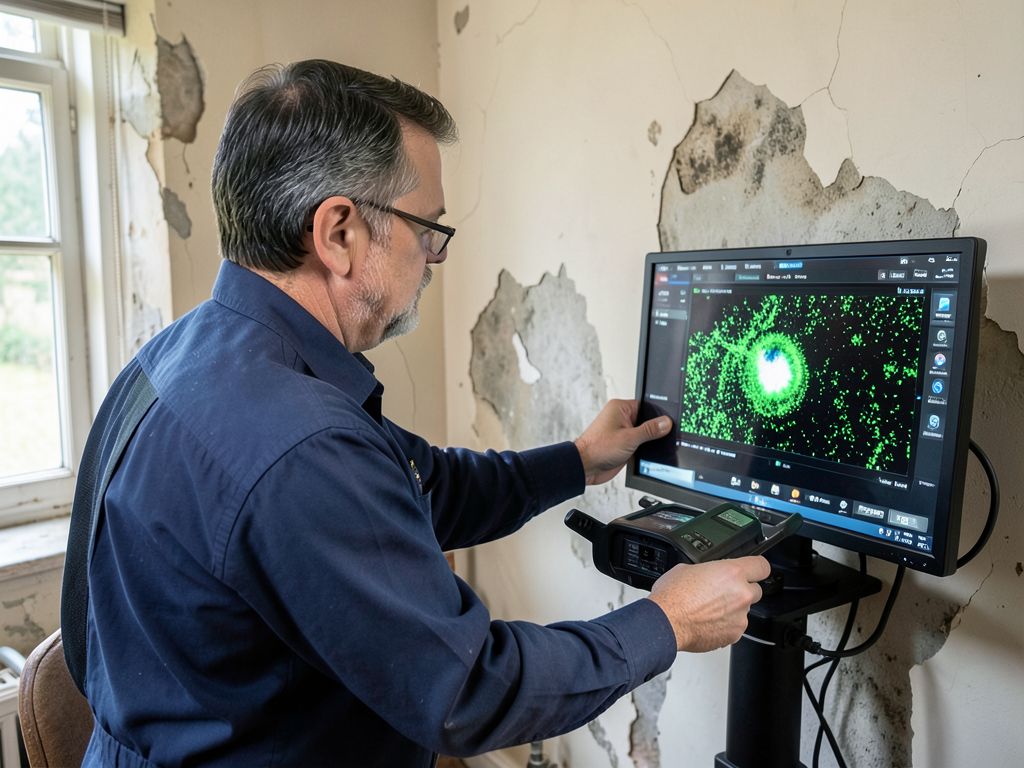
Why Your Broadmoor Home Needs a Specialized Drying Plan for Custom Plaster Walls When water infiltrates your Broadmoor home's custom plaster walls, standard drywall drying techniques can cause irreversible damage. The historic plaster walls common…

How to Stop Your Lake Forest Park Deck from Leaking into the Rooms Below If…

Why Your West Seattle Retaining Wall Could Be the Cause of Your Wet Basement \n\n…
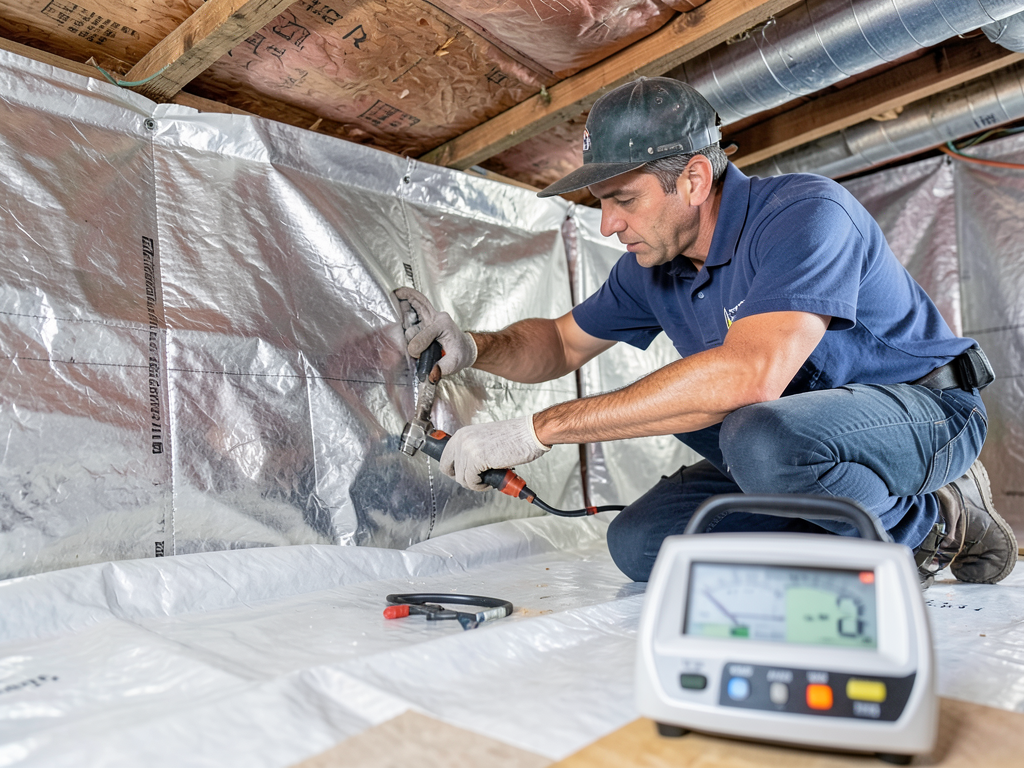
Fixing Moisture Problems in Your Mukilteo Home After a Heavy Fog Season Living near Puget…
Water damage spreads every minute you wait. Our teams dispatch immediately to Bellevue properties 24 hours a day. Call (564) 220-5525 now for emergency response that stops damage, protects your property, and gets life back to normal fast.