



Maple Valley sits in a unique flood zone where heavy Cascade runoff meets clay-heavy soil that refuses to drain. Homes near the Cedar River watershed and Lake Wilderness face seasonal flooding from October through March when Pacific storms dump rain faster than the ground absorbs it. The area's aging infrastructure, including homes built in the 1970s and 1980s, often has outdated sump pumps and inadequate foundation waterproofing.
The region's high water table causes crawl space flooding even without visible rain. Combined with Washington's freeze-thaw cycles, pipes burst frequently in unheated spaces during cold snaps. Neighborhoods like Tahoma and areas near SR-169 see regular basement seepage from groundwater pressure. The clay soil under most Maple Valley properties expands when wet, cracking foundations and creating new entry points for water.
Storm systems from Puget Sound bring sudden, intense rainfall that overwhelms gutters and drainage systems. Homes in Shadow Lake and near the Green River floodplain experience the worst flooding, but no property is immune. The combination of geography, soil composition, and older construction standards makes rapid water damage response critical for protecting your home's structural integrity and preventing toxic mold growth.
We built our reputation in Maple Valley by showing up fast and finishing the job right. When your basement floods at 2 AM, you do not need someone who takes calls in the morning. Our dispatch team answers immediately, and our trucks roll within minutes. We keep extraction equipment staged across King County so we reach Maple Valley homes faster than regional competitors who waste time driving from Seattle.
Our technicians are IICRC-certified in water damage remediation and carry thermal imaging cameras to every job. We find hidden moisture in walls, under flooring, and in ceiling cavities that homeowners and insurance adjusters miss. This prevents callbacks for mold remediation months later because we dried everything the first time. We document every moisture reading and photograph the entire process, creating the bulletproof documentation your insurance company needs to approve claims quickly.
We handle insurance coordination directly. Most homeowners dread the paperwork and phone calls, so we manage it. Our team knows exactly what Washington insurance carriers require, which documentation prevents claim denials, and how to get emergency mitigation approved immediately. We work with every major carrier and have relationships with local adjusters who trust our assessments.
Our pricing is straightforward. We give you a detailed scope before starting work, explain what insurance covers, and show you where you might have out-of-pocket costs. No surprises on the final bill. We use commercial-grade equipment, not homeowner rentals, because half-measures lead to mold problems that cost ten times more to fix later. When we say a structure is dry, it is dry to IICRC standards, verified with moisture meters.

Our dispatch center operates 24 hours with technicians staged across King County. When you call about flooding, burst pipes, or storm damage, we answer immediately and arrive at your Maple Valley home in under an hour. Fast response stops water from spreading and reduces total damage by up to 70 percent compared to next-day service.

Every technician on our team holds current IICRC certification in water damage restoration and applied structural drying. We use thermal imaging and professional-grade moisture meters to find hidden water in walls, ceilings, and subfloors. This level of training prevents the mold callbacks that plague homeowners who hire uncertified crews or attempt DIY drying.
We handle all communication with your insurance carrier, including emergency mitigation authorization, documentation, and final billing. Our team knows what Washington insurers require for claim approval and provides the moisture readings, photos, and scope documentation that prevent denials. You focus on your family while we manage the paperwork.
We understand Maple Valley's unique flooding patterns, from Cedar River watershed runoff to clay soil drainage problems. Our team knows which neighborhoods face the worst seasonal flooding, how local construction styles affect water intrusion, and what King County requires for permits on major restoration work. Local knowledge translates to faster, more effective solutions.
Water damage takes many forms, and each requires specific equipment and techniques. A burst pipe needs immediate water extraction but minimal demolition. Sewage backup requires biohazard protocols and antimicrobial treatment. Storm flooding means dealing with contaminated water and extensive structural drying. We provide the full spectrum of water damage remediation services because emergencies do not fit into neat categories.
Our service range covers everything from initial emergency response through final reconstruction. We extract standing water, dry structural components to IICRC standards, remove damaged materials, treat for microbial growth, and rebuild affected areas. This comprehensive approach means you work with one company from crisis through completion, not a parade of contractors who blame each other when problems arise.
We categorize our services based on water source and contamination level because this determines safety protocols and restoration approach. Clean water from supply lines requires different handling than gray water from appliances or black water from sewage or flooding. Our technicians assess contamination immediately and implement appropriate safety measures, protecting your family and our crew while we work.
When water covers your floors, minutes matter. Our emergency extraction service deploys industrial truck-mounted pumps and portable extractors to remove standing water fast, typically clearing a flooded basement in under two hours. We pull water from carpets, padding, and hard surfaces, then place air movers and dehumidifiers to begin structural drying immediately. This rapid response prevents water from wicking up walls, soaking insulation, and causing secondary damage that multiplies repair costs.
After extraction, moisture remains trapped in walls, subfloors, and framing lumber. Our structural drying service uses thermal imaging to map hidden moisture, then positions commercial air movers and refrigerant dehumidifiers to dry building components to safe levels. We monitor moisture content daily with penetrating meters, adjusting equipment placement as conditions change. Complete drying takes three to seven days depending on materials and saturation depth, preventing mold growth and structural weakening.
Sewage backups and flood water containing sewage require specialized handling under OSHA guidelines. Our technicians wear protective equipment, remove contaminated materials following EPA protocols, and apply hospital-grade antimicrobial treatments to affected surfaces. We dispose of unsalvageable materials properly and document the entire remediation process. This service protects your family from pathogens like E. coli and hepatitis while ensuring insurance carriers approve claims for contaminated water events.
Maple Valley's combination of heavy rainfall, clay soil, and aging homes creates predictable water damage patterns. The Cedar River watershed drains directly through residential areas, overwhelming storm systems during peak rainfall. Homes built before 1990 often lack adequate foundation waterproofing, and crawl space vents designed for California climates let in moisture instead of ventilating it away in Washington's wet environment.
Properties near Lake Wilderness and Shadow Lake sit in low-lying areas where groundwater rises during winter months, pushing through basement floors and foundation cracks. The region's freeze-thaw cycles burst pipes in unheated garages and crawl spaces. When temperatures drop below freezing, then rise rapidly, the expansion and contraction cycle cracks older copper and galvanized pipes. Many Maple Valley homes have original plumbing from the 1970s and 1980s that fails without warning.
Neighborhoods along SR-169 experience basement seepage from road runoff that exceeds drain capacity during storms. The clay soil prevents natural drainage, so water pools against foundations until it finds entry points. Sump pumps fail frequently because they cannot keep pace with inflow rates during heavy rain, or they simply age out after 15 years of service. These issues affect both older and newer construction, making water damage an ongoing threat to Maple Valley homeowners.
Clay soil prevents water from draining naturally, causing groundwater to rise during heavy rain and push through foundation cracks and floor joints. Homes without interior drain tile systems or functional sump pumps experience repeated basement flooding. The pressure forces water through seemingly solid concrete, creating seepage that appears to come from nowhere.
Washington's freeze-thaw cycles crack older pipes in unheated spaces. When temperatures drop suddenly, water freezes and expands inside copper and galvanized pipes, creating weak points. The pipe bursts when temperatures rise and water flows again, flooding crawl spaces or pouring through ceilings. Many homeowners discover the damage only after thousands of gallons have leaked.
Sump pumps wear out after 10 to 15 years of service, but most homeowners never test them until water floods the basement. Pumps fail from debris clogs, stuck float switches, or burned-out motors. During heavy storms, even functional pumps get overwhelmed when inflow exceeds pumping capacity. Battery backup systems fail when power outages last longer than the backup can run.
Maple Valley's storm drains were sized for average rainfall, not the intense downpours from atmospheric river events. When rain falls faster than systems drain it, water backs up through foundation drains, floods window wells, and pours into basements through any available opening. Gutters overflow, dumping water directly against foundations and creating hydrostatic pressure that forces water inside.
When water floods your home, panic is natural. You are wondering how bad the damage is, whether insurance covers it, and how long restoration takes. Our process is designed to answer those questions fast and get your home stabilized immediately. From the moment you call our dispatch center, you work with trained professionals who handle water emergencies daily.
We prioritize speed and communication. Our dispatcher confirms your address, asks critical questions about water source and extent, and gives you an accurate arrival time. You are not waiting by the phone wondering when help arrives. Our technician calls when they are five minutes out and arrives with a fully equipped truck ready to start extraction immediately. No delays, no waiting for equipment to be gathered from a warehouse.
During the initial assessment, we walk you through exactly what happened, what needs immediate attention, and what the restoration process looks like. We take photos and moisture readings, explain what gets saved and what requires removal, and provide a preliminary timeline. If you need to file an insurance claim, we help you contact your carrier and get emergency mitigation approved. Our goal is to take the burden off you while we handle the technical work and insurance coordination.
When you call, our dispatcher answers immediately and sends a technician to your Maple Valley home within the hour. Upon arrival, we conduct a thorough assessment using thermal imaging and moisture meters to map the full extent of damage, including hidden water. We explain findings in plain language, show you the moisture readings, and provide a clear scope of work before starting. You know what we are doing and why before we move equipment into your home.
Drying takes several days, and we check your property daily to monitor progress and adjust equipment. Our technicians document moisture levels at each visit and explain what the readings mean. You receive updates on drying progress, expected completion dates, and any issues that arise. We do not disappear after placing equipment. We stay engaged through the entire process, answering questions and keeping you informed at every step.
Insurance carriers require specific documentation to approve water damage claims. We provide detailed photos, moisture logs, equipment placement records, and itemized scopes that meet carrier requirements. Our reports include everything adjusters need to authorize payment without requesting additional information. We coordinate directly with your adjuster, attend site inspections if needed, and handle all claim-related communication. You do not chase paperwork or argue with your insurance company.
Water damage restoration follows a proven sequence. Skip steps or rush the process, and you end up with mold growth or structural problems months later. We follow IICRC standards at every phase, ensuring complete mitigation and proper documentation.
We arrive at your Maple Valley home within 60 minutes, assess damage with thermal imaging and moisture meters, then immediately extract standing water using truck-mounted pumps. We remove unsalvageable materials like soaked padding and damaged drywall, then place commercial air movers and dehumidifiers to begin structural drying. This phase stabilizes your property and prevents damage from spreading. We document everything with photos and moisture readings for insurance purposes.
Drying building materials to safe moisture levels takes three to seven days depending on saturation and materials. We visit your property daily to take moisture readings, adjust equipment placement, and monitor progress. Our technicians check wall cavities, subfloors, and framing lumber with penetrating meters, ensuring moisture drops to acceptable levels throughout the structure. We do not remove equipment until every component meets IICRC drying standards, preventing mold growth.
Once drying is complete, we conduct a final moisture survey to verify all materials are dry, then remove equipment and prepare the area for reconstruction. We coordinate with your insurance adjuster for final approval and work with trusted contractors to rebuild damaged areas. Our documentation package includes all moisture logs, photos, and work records needed to close your claim. We follow up after completion to ensure you are satisfied and answer any remaining questions.
Water damage restoration is not just removing visible water and hoping for the best. The Institute of Inspection, Cleaning and Restoration Certification sets industry standards that guide proper mitigation and prevent long-term problems. These standards classify water by contamination level and damage by affected materials, which determines the restoration approach and safety protocols.
Water falls into three categories based on source and contamination. Category 1 is clean water from supply lines, which poses minimal health risk but still causes structural damage. Category 2 is gray water from appliances or toilet overflow without feces, containing bacteria and requiring antimicrobial treatment. Category 3 is black water from sewage or flooding, which contains dangerous pathogens and requires full protective equipment and disposal of porous materials.
Damage classification ranges from Class 1 to Class 4 based on evaporation rate and affected materials. Class 1 involves minimal absorption into materials with slow evaporation. Class 4 involves specialty drying situations like hardwood floors, plaster, or concrete that require longer drying times and specific techniques. Understanding these classifications matters because it determines equipment needs, drying duration, and what materials get saved versus removed.
Washington State requires contractors performing water damage restoration to carry proper licensing and insurance. Unlicensed operators cannot pull permits for significant restoration work, and insurance carriers often deny claims if work was performed by uncertified technicians. Our team maintains current IICRC certification, proper licensing, and liability insurance that protects homeowners throughout the restoration process. We follow Washington Administrative Code requirements for mold remediation when microbial growth is present, ensuring compliance with state health regulations.
Moisture measurement is critical for preventing mold. We use both non-penetrating meters for surface readings and penetrating pin meters that measure moisture deep in wood framing and subfloors. IICRC standards define dry as less than 15 percent moisture content in wood and specific readings for concrete and drywall based on ambient conditions. We document readings daily and continue drying until all materials meet these standards. Insurance carriers trust this documentation because it follows industry protocols they recognize.
Category 1 clean water from pipes requires standard extraction and drying. Category 2 gray water needs antimicrobial treatment and protective equipment. Category 3 black water from sewage or flooding requires full PPE, removal of porous materials, and EPA-registered disinfectants. We classify water contamination immediately upon arrival and implement appropriate safety measures to protect your family and our crew during restoration.
Restoration costs depend on water volume, contamination level, affected materials, and structural damage extent. Clean water in a basement with concrete floors costs far less than sewage backup saturating carpet, padding, and drywall. Drying time drives labor costs, ranging from three days for minor incidents to two weeks for severe flooding. Insurance typically covers sudden water damage from burst pipes or storms but excludes gradual damage from neglected maintenance.
Emergency extraction and equipment placement happen within hours of our arrival. Structural drying takes three to seven days for most residential water damage. Reconstruction scheduling depends on insurance approval and contractor availability, typically adding one to three weeks. Total time from flooding to complete restoration averages three to five weeks for significant damage. We expedite every phase possible while following proper drying protocols.
Washington requires water damage restoration contractors to carry general liability insurance and proper business licensing. IICRC certification is not legally required but is the industry standard that insurance carriers expect. We maintain current certification, full licensing, and liability coverage that protects homeowners if anything goes wrong during restoration. Our compliance with Washington Administrative Code standards for mold remediation ensures work meets state health regulations.
This video explains water damage restoration processes for Maple Valley homeowners, covering emergency response procedures, IICRC drying standards, and common flooding causes in the Cedar River watershed area. Topics include water extraction techniques, structural drying timelines, insurance claim documentation, and water contamination categories. Viewers learn about Maple Valley-specific risks including clay soil drainage, groundwater pressure, and freeze-thaw pipe bursts affecting local properties.
Evergreen Water Damage Restoration Seattle serves the entire Maple Valley area with rapid response times from our strategically located equipment staging. Our service territory covers neighborhoods from Tahoma and Shadow Lake in the north to Four Corners and the Cedar River corridor in the south. We respond to homes throughout the Lake Wilderness area, where seasonal flooding affects properties along the shoreline and low-lying streets during heavy rainfall.
Properties near SR-169 experience unique water damage patterns from road runoff and groundwater pressure. The commercial corridor along Maple Valley Highway sees frequent flooding in older buildings with inadequate drainage systems. Residential areas east of the highway, including neighborhoods near Lake Desire and Ravensdale, face challenges from well water systems and septic failures that cause water intrusion. We understand how elevation changes across Maple Valley affect drainage and where problem areas develop during Pacific storm systems.
The Tahoma School District area includes some of Maple Valley's oldest homes, many built in the 1970s with crawl spaces that flood regularly. Foundation waterproofing in these properties often fails after decades of exposure to Washington's wet climate. We work extensively in this area, installing sump pump systems and interior drain tile during restoration to prevent future flooding. Newer developments near Summit Ridge and the eastern growth boundary have different issues, including construction defects in drainage systems and improperly graded lots that direct water toward foundations instead of away.
Our coverage extends into adjacent communities that share Maple Valley's water damage risks. We serve Covington to the north, where similar soil conditions and rainfall patterns create basement flooding. Black Diamond and Enumclaw to the east experience the same freeze-thaw pipe bursts during winter cold snaps. Kent and Renton properties face urban flooding from overwhelmed storm systems. Our central King County location lets us reach any of these communities quickly while maintaining specialized knowledge of Maple Valley's specific geography and construction patterns.
The Cedar River watershed dominates Maple Valley's flood risk profile. Properties within a mile of the river face the most severe seasonal flooding, but groundwater effects reach much farther. During El Niño years when rainfall exceeds normal levels, homes throughout Maple Valley experience elevated water tables and foundation seepage. We track these patterns and maintain relationships with local property managers and insurance adjusters who trust our assessments and documentation. Our deep knowledge of Maple Valley's flood zones, soil conditions, and infrastructure limitations makes us the most effective water damage restoration provider in the area.
Water damage restoration in Maple Valley takes 3 to 7 days for most residential projects. Small incidents like a burst pipe resolve in 3 days. Extensive flooding from storms or sewage backups needs 7 to 10 days. The timeline depends on water category, affected square footage, and material saturation levels. Drying alone requires 2 to 4 days with professional equipment. Reconstruction adds time if drywall or flooring needs replacement. Your restoration team provides a detailed timeline after initial assessment.
Water damage restoration expenses in Maple Valley vary based on damage severity and affected areas. Minor incidents affecting one room typically run less than major flooding affecting multiple floors. Category 3 water (sewage) requires specialized treatment and increases expenses. Your insurance policy often covers restoration work minus your deductible. Get written estimates from three local companies before choosing. Most restoration companies work directly with insurance adjusters to streamline claims processing and documentation.
Homeowners insurance typically covers sudden and accidental water damage in Maple Valley. Burst pipes, appliance malfunctions, and storm damage qualify for coverage. Gradual damage from neglected maintenance gets denied. Flood damage requires separate flood insurance through FEMA. Review your policy declarations page for water damage exclusions. Most policies cover restoration and repairs minus your deductible. Contact your insurance company within 24 hours of discovering damage. Document everything with photos before cleanup begins.
Water damage restoration in Maple Valley takes 3 to 7 days for most residential projects. Small incidents like a burst pipe resolve in 3 days. Extensive flooding from storms or sewage backups needs 7 to 10 days. The timeline depends on water category, affected square footage, and material saturation levels. Drying alone requires 2 to 4 days with professional equipment. Reconstruction adds time if drywall or flooring needs replacement. Your restoration team provides a detailed timeline after initial assessment.
Water damage restoration expenses in Maple Valley vary based on damage severity and affected areas. Minor incidents affecting one room typically run less than major flooding affecting multiple floors. Category 3 water (sewage) requires specialized treatment and increases expenses. Your insurance policy often covers restoration work minus your deductible. Get written estimates from three local companies before choosing. Most restoration companies work directly with insurance adjusters to streamline claims processing and documentation.
Homeowners insurance typically covers sudden and accidental water damage in Maple Valley. Burst pipes, appliance malfunctions, and storm damage qualify for coverage. Gradual damage from neglected maintenance gets denied. Flood damage requires separate flood insurance through FEMA. Review your policy declarations page for water damage exclusions. Most policies cover restoration and repairs minus your deductible. Contact your insurance company within 24 hours of discovering damage. Document everything with photos before cleanup begins.
You need emergency water damage restoration in Maple Valley when water actively flows into your home. Burst pipes, major appliance failures, and roof leaks during heavy rain require immediate response. Standing water deeper than one inch demands professional extraction. Water contacting electrical outlets or panels creates safety hazards. Sewage backups need emergency treatment due to health risks. Waiting longer than 24 hours allows mold growth to begin. Call professionals immediately if structural damage appears or water affects multiple rooms.
You typically stay home during water damage restoration in Maple Valley if damage affects one room. Extensive flooding requiring whole-home drying means temporary relocation. Category 3 water (sewage) contamination requires you to leave for health reasons. High noise levels from dehumidifiers and air movers disrupt daily life. Your restoration team assesses safety and provides clear guidance. Some insurance policies cover hotel stays during major restoration projects. Most families return home once extraction finishes and drying equipment operates safely.
Water damage cleanup removes standing water and visible moisture from your Maple Valley property. Restoration includes cleanup plus drying, sanitizing, repairing, and rebuilding. Cleanup stops after extraction and initial drying. Restoration continues until your home returns to pre-damage condition. Professional restoration monitors moisture levels in walls, floors, and ceilings. The process includes mold prevention treatment and antimicrobial application. Restoration addresses structural repairs, replacing damaged materials, and final reconstruction. Cleanup takes hours while restoration takes days to complete properly.
Professionals find hidden water damage in Maple Valley homes using moisture meters and infrared cameras. These tools detect wet areas behind walls, under flooring, and above ceilings without demolition. Moisture meters measure water content in wood and drywall. Thermal imaging reveals temperature differences indicating moisture presence. Technicians check crawl spaces, attics, and wall cavities systematically. Visual signs include water stains, warping, bubbling paint, and musty odors. Professionals document findings with photos and moisture readings for insurance claims and treatment planning.
Professional water damage restoration in Maple Valley significantly reduces mold growth risk when completed within 48 hours. Technicians extract standing water, dry all materials to safe moisture levels, and apply antimicrobial treatments. Industrial dehumidifiers and air movers eliminate moisture where mold spores thrive. Restoration teams monitor humidity levels throughout the process. Materials dried within 24 to 48 hours rarely develop mold. Proper ventilation and complete drying prevent future growth. Delayed restoration allows mold colonization, requiring separate remediation services.
Water damage restoration companies in Maple Valley use industrial-grade extraction units, commercial dehumidifiers, and high-velocity air movers. Moisture meters and infrared cameras detect hidden water. HEPA air scrubbers remove airborne contaminants and spores. Submersible pumps remove standing water quickly. Truck-mounted extraction units handle large volumes. Injectidry systems dry inside walls without demolition. Hydroxyl generators and ozone machines eliminate odors. Professional companies maintain equipment regularly for optimal performance. This specialized equipment works faster and more thoroughly than consumer-grade options from hardware stores.
Call a water damage restoration company in Maple Valley within one hour of discovering flood damage. Water spreads quickly through flooring, walls, and belongings. Immediate response limits damage severity and restoration expenses. Mold begins growing within 24 to 48 hours in wet conditions. Quick action saves carpets, drywall, and personal belongings. Most restoration companies in Maple Valley offer 24-hour emergency response. Shut off your water source if possible and document damage with photos. Fast professional response reduces overall restoration time and improves outcomes.
You need emergency water damage restoration in Maple Valley when water actively flows into your home. Burst pipes, major appliance failures, and roof leaks during heavy rain require immediate response. Standing water deeper than one inch demands professional extraction. Water contacting electrical outlets or panels creates safety hazards. Sewage backups need emergency treatment due to health risks. Waiting longer than 24 hours allows mold growth to begin. Call professionals immediately if structural damage appears or water affects multiple rooms.
You typically stay home during water damage restoration in Maple Valley if damage affects one room. Extensive flooding requiring whole-home drying means temporary relocation. Category 3 water (sewage) contamination requires you to leave for health reasons. High noise levels from dehumidifiers and air movers disrupt daily life. Your restoration team assesses safety and provides clear guidance. Some insurance policies cover hotel stays during major restoration projects. Most families return home once extraction finishes and drying equipment operates safely.
Water damage cleanup removes standing water and visible moisture from your Maple Valley property. Restoration includes cleanup plus drying, sanitizing, repairing, and rebuilding. Cleanup stops after extraction and initial drying. Restoration continues until your home returns to pre-damage condition. Professional restoration monitors moisture levels in walls, floors, and ceilings. The process includes mold prevention treatment and antimicrobial application. Restoration addresses structural repairs, replacing damaged materials, and final reconstruction. Cleanup takes hours while restoration takes days to complete properly.
Professionals find hidden water damage in Maple Valley homes using moisture meters and infrared cameras. These tools detect wet areas behind walls, under flooring, and above ceilings without demolition. Moisture meters measure water content in wood and drywall. Thermal imaging reveals temperature differences indicating moisture presence. Technicians check crawl spaces, attics, and wall cavities systematically. Visual signs include water stains, warping, bubbling paint, and musty odors. Professionals document findings with photos and moisture readings for insurance claims and treatment planning.
Professional water damage restoration in Maple Valley significantly reduces mold growth risk when completed within 48 hours. Technicians extract standing water, dry all materials to safe moisture levels, and apply antimicrobial treatments. Industrial dehumidifiers and air movers eliminate moisture where mold spores thrive. Restoration teams monitor humidity levels throughout the process. Materials dried within 24 to 48 hours rarely develop mold. Proper ventilation and complete drying prevent future growth. Delayed restoration allows mold colonization, requiring separate remediation services.
Water damage restoration companies in Maple Valley use industrial-grade extraction units, commercial dehumidifiers, and high-velocity air movers. Moisture meters and infrared cameras detect hidden water. HEPA air scrubbers remove airborne contaminants and spores. Submersible pumps remove standing water quickly. Truck-mounted extraction units handle large volumes. Injectidry systems dry inside walls without demolition. Hydroxyl generators and ozone machines eliminate odors. Professional companies maintain equipment regularly for optimal performance. This specialized equipment works faster and more thoroughly than consumer-grade options from hardware stores.
Call a water damage restoration company in Maple Valley within one hour of discovering flood damage. Water spreads quickly through flooring, walls, and belongings. Immediate response limits damage severity and restoration expenses. Mold begins growing within 24 to 48 hours in wet conditions. Quick action saves carpets, drywall, and personal belongings. Most restoration companies in Maple Valley offer 24-hour emergency response. Shut off your water source if possible and document damage with photos. Fast professional response reduces overall restoration time and improves outcomes.
Evergreen proudly serves Seattle and its surrounding communities with professional water damage restoration you can count on. Whether you’re downtown, in the suburbs, or nearby, our responsive team is just a call away. View our service area on the map to see if we’re available in your neighborhood. We’re committed to helping local homeowners and businesses recover fast—so if you need help, we’ll come to you. Use the map below to locate our base or service radius and reach out anytime.
Address:
Maple Valley, WA, 98038
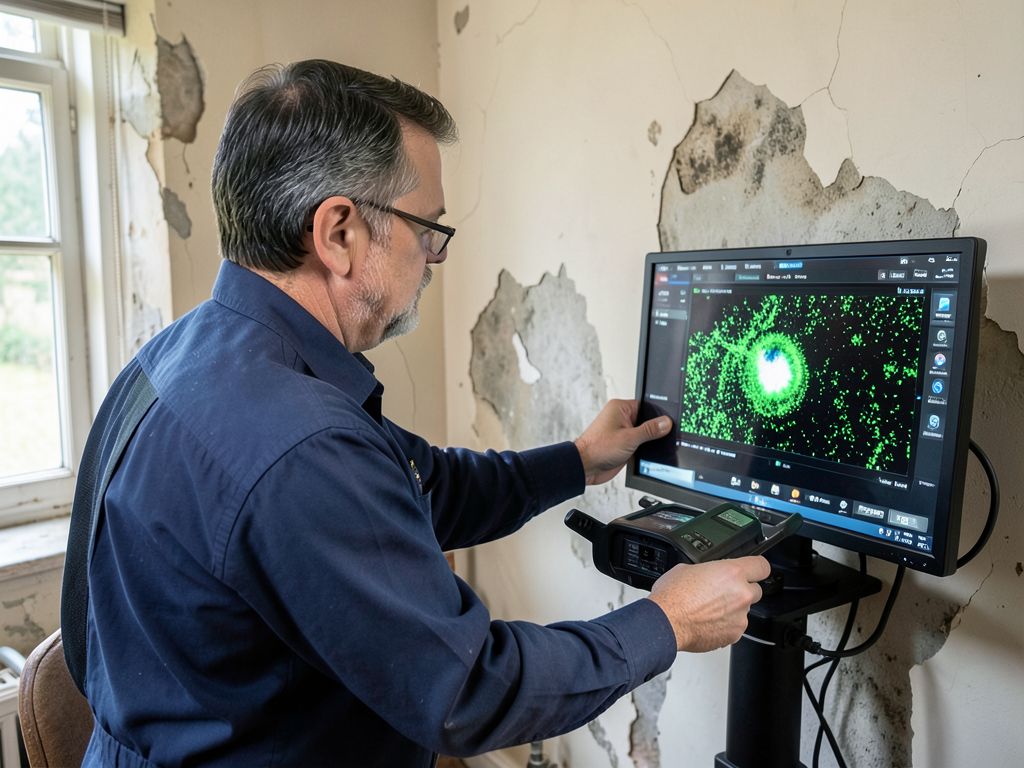
Why Your Broadmoor Home Needs a Specialized Drying Plan for Custom Plaster Walls When water infiltrates your Broadmoor home's custom plaster walls, standard drywall drying techniques can cause irreversible damage. The historic plaster walls common…

How to Stop Your Lake Forest Park Deck from Leaking into the Rooms Below If…

Why Your West Seattle Retaining Wall Could Be the Cause of Your Wet Basement \n\n…
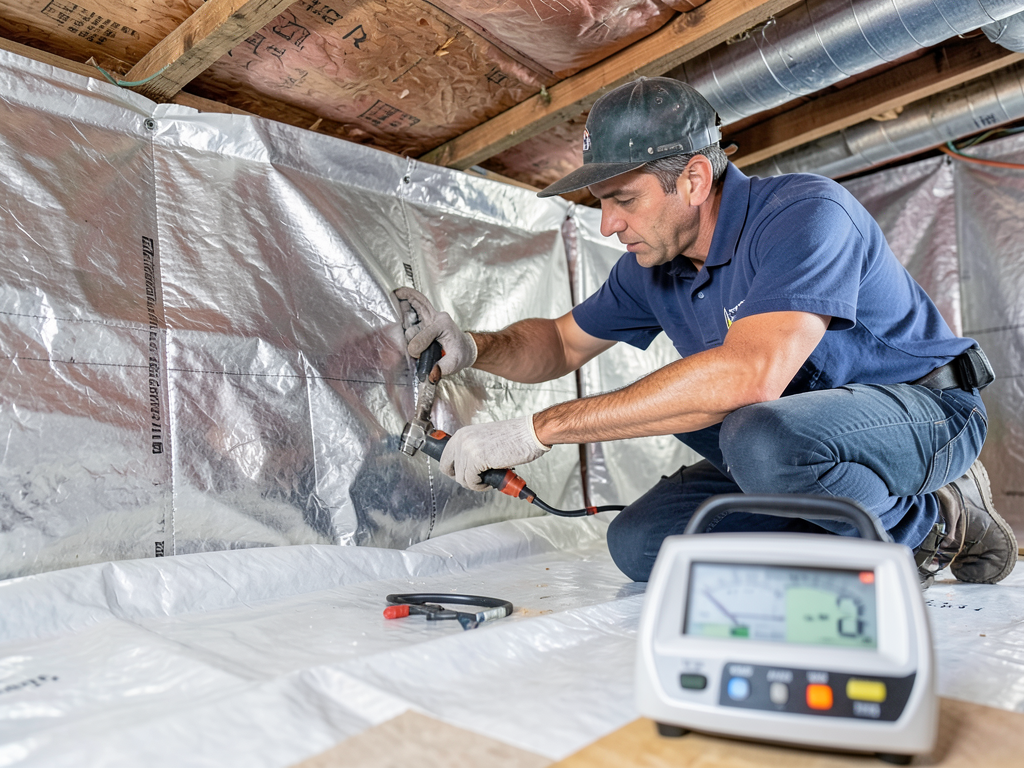
Fixing Moisture Problems in Your Mukilteo Home After a Heavy Fog Season Living near Puget…
Water damage gets worse every hour. Call Evergreen Water Damage Restoration Seattle at (564) 220-5525 for immediate dispatch to your Maple Valley home. Our technicians are standing by with extraction equipment, ready to stop the damage and start drying your property. Do not wait until mold grows or structural damage multiplies your repair costs.