
menu

Emergency Dehumidifier Rental in Seattle – Units Delivered Within 2 Hours

When flooding or water damage strikes your Seattle property, every hour matters. We deliver industrial-grade dehumidifiers to your location fast, with 24/7 dispatch and equipment sized for your specific emergency.

Slider Image 1
Slider Image 2
Slider Image 3
Slider Image 4
Slider Image 5
Slider Image 7
Slider Image 8
Slider Image 9
Slider Image 10
Slider Image 11

Seattle's Water Emergency? You Need Commercial Drying Equipment Now

Seattle's relentless rain and proximity to Puget Sound create the perfect conditions for catastrophic water damage. A burst pipe in Capitol Hill, a flooded basement in Ballard, or storm surge in West Seattle can saturate your property in minutes. Standing water does not wait. Within 24 hours, mold spores colonize drywall. Within 48 hours, structural wood begins warping. Within 72 hours, you are looking at total material replacement instead of simple drying.

You cannot fix this with box fans from the hardware store. Residential-grade dehumidifiers pull maybe 50 pints per day. A flooded commercial space or waterlogged home needs industrial dehumidifier rental capacity measured in hundreds of pints per day. That is the difference between saving your hardwood floors and tearing them out.

Seattle's marine air keeps relative humidity elevated year-round. After water intrusion, ambient moisture reabsorbs into materials faster here than in drier climates. You need commercial dehumidifier rental equipment that creates negative vapor pressure to pull moisture out of concrete slabs, wall cavities, and subfloors. You need it delivered now, not tomorrow. Emergency dehumidifier rental means a truck rolls to your address within two hours, loaded with calibrated equipment matched to your square footage and saturation level. We service the entire Seattle metro, from Georgetown's industrial warehouses to Queen Anne's historic homes. When your insurance adjuster recommends immediate mitigation, this is what they mean.

Seattle's Water Emergency? You Need Commercial Drying Equipment Now
How Professional Flood Dehumidifier Rental Stops Secondary Damage

How Professional Flood Dehumidifier Rental Stops Secondary Damage

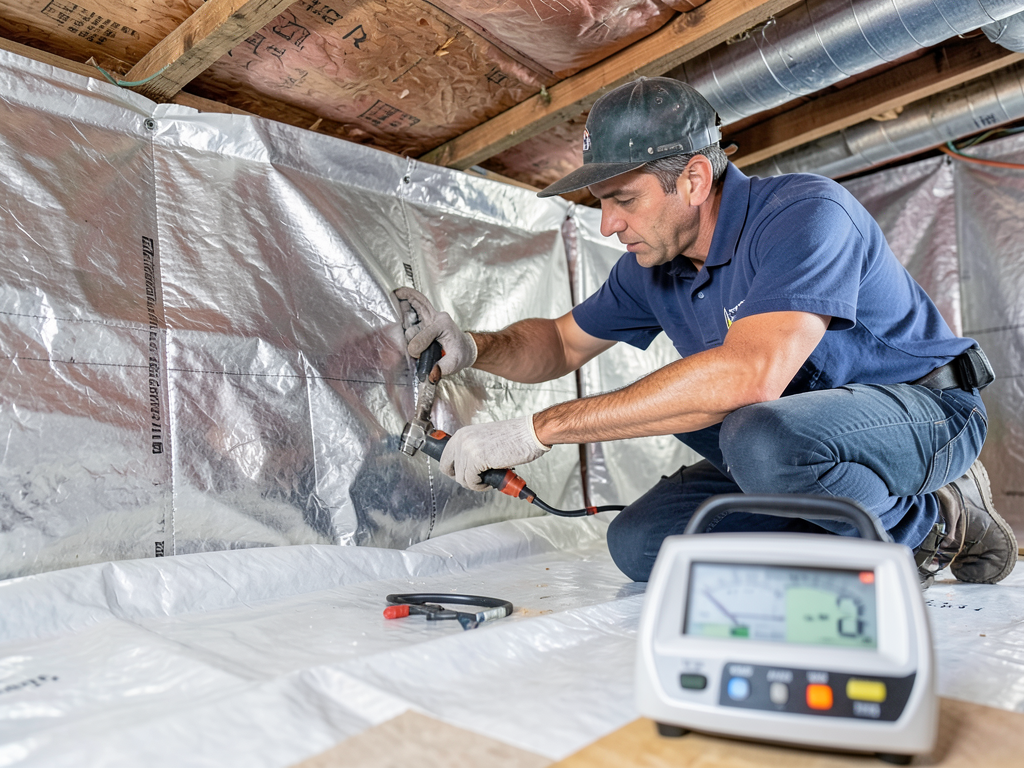
We do not just drop off a dehumidifier and leave. Evergreen Water Damage Restoration Seattle uses a systematic moisture mapping protocol before placing a single piece of equipment. Our technicians use thermal imaging cameras and penetrating moisture meters to identify hidden saturation in wall assemblies and under flooring. We measure grain depression in structural lumber and document moisture content in concrete using tramex meters. This data determines the exact BTU capacity and CFM airflow required.

Most emergency dehumidifier rental situations need low-grain refrigerant dehumidifiers paired with axial air movers to create proper drying chambers. In colder months or in crawl spaces, we deploy desiccant dehumidifiers that work efficiently below 60 degrees. For large commercial spaces, we stage multiple units in series to handle high-volume moisture loads. Each unit gets positioned based on psychrometric calculations, not guesswork.

We monitor drying progress with daily moisture readings. Most residential flooding requires 72 to 96 hours of continuous dehumidification. Commercial drying equipment rental for warehouses or retail spaces can run seven to ten days depending on building materials and saturation depth. We adjust equipment placement and add supplemental units if drying curves plateau. You get detailed moisture logs for your insurance claim. This is not rental, it is engineered water extraction. The difference shows up in your claim approval and in your building staying structurally sound instead of rotting from the inside.

What Happens When You Call for 24 Hour Dehumidifier Rental

Emergency Dehumidifier Rental in Seattle – Units Delivered Within 2 Hours
01

Immediate Dispatch and Assessment

You call our emergency line and a technician responds within 30 minutes, day or night. We ask specific questions about water source, affected square footage, and flooring type to preload the right equipment. A truck rolls to your Seattle location within two hours carrying commercial dehumidifiers, air movers, and moisture detection tools. Upon arrival, we conduct thermal imaging scans to map hidden moisture pockets in walls, ceilings, and subfloors before placing any equipment.
02

Equipment Staging and Calibration

We position industrial dehumidifiers based on airflow dynamics and moisture load calculations. Air movers get angled to direct humid air toward dehumidifier intakes, creating a closed-loop drying system. Each unit gets calibrated to target specific grains per pound based on your building materials. We seal off unaffected areas to concentrate drying power where saturation exists. You get a drying plan with projected timelines and daily monitoring schedules before we leave the site.
03

Monitored Drying and Equipment Retrieval

Our technicians return every 24 hours to document moisture reduction using calibrated meters. We adjust equipment placement if drying slows or add supplemental dehumidifiers for stubborn saturation. Once materials reach acceptable moisture content per IICRC S500 standards, we remove all equipment and provide final documentation for your insurance carrier. You get a certificate of drying completion showing before and after moisture readings, eliminating disputes over whether mitigation was adequate.

Why Seattle Properties Need Local Water Damage Expertise

Seattle's building stock presents unique drying challenges. Capitol Hill and Queen Anne contain century-old homes with plaster walls and solid wood framing that absorb water differently than modern drywall. South Lake Union's newer construction uses engineered lumber and OSB sheathing that delaminates if not dried within 48 hours. A technician trained in Phoenix or Denver will not recognize these material behaviors.

We know Seattle's micro-climate zones. Properties near Elliott Bay face higher ambient humidity than homes in Magnolia's elevation. Basements in Rainier Valley sit below the water table and require sump pump coordination during dehumidification. Industrial spaces in Georgetown have concrete slab-on-grade construction that needs specialized desiccant dehumidifiers to pull moisture from below-grade concrete.

Local building codes matter during restoration. Seattle requires vapor barriers in crawl spaces and specific ventilation rates during drying to prevent mold liability. Insurance adjusters in King County expect IICRC documentation and psychrometric logs. We speak their language. When you rent commercial drying equipment from a national chain, you get a drop-off. When you work with Evergreen Water Damage Restoration Seattle, you get a local partner who understands how the Department of Construction and Inspections handles flood damage permits and what Xactimate line items your adjuster will approve. We have restored properties in every Seattle neighborhood from Fremont to Columbia City. Your building type and your ZIP code change our approach. That is local expertise.

What to Expect During Emergency Dehumidifier Rental

Rapid Deployment Timeline

We maintain a fleet of commercial dehumidifiers staged across Seattle for instant deployment. Most calls receive equipment within two hours. Late night flooding gets the same response time as daytime emergencies. Our dispatch system prioritizes based on severity, so active flooding or sewage backup jumps the queue. You do not wait until Monday morning. Equipment arrives with a trained technician who stays on site until the drying system is operational and you understand the monitoring schedule. For commercial properties needing multiple units, we coordinate delivery to avoid disrupting your business operations.

Comprehensive Moisture Assessment

Before placing a single dehumidifier, we map your property with thermal imaging and moisture meters. You get a written moisture assessment identifying every affected area, including hidden saturation behind baseboards or under flooring. We test structural elements like floor joists and wall studs to determine if drying alone will suffice or if material removal is necessary. This assessment becomes part of your insurance documentation. We explain our findings in plain language, showing you the moisture readings and what they mean for your property. You make informed decisions, not panicked guesses.

Monitored Drying to Completion

Professional flood dehumidifier rental includes daily technician visits to track drying progress. We document moisture reduction with calibrated meters and adjust equipment as needed. You receive progress reports showing moisture content declining toward acceptable levels. Most residential jobs reach dry standard in three to five days. Larger commercial spaces or saturated concrete can take ten days. We do not pull equipment prematurely. Drying stops when materials measure below 15 percent moisture content for wood and below 4.5 percent for concrete, per industry standards. You get certification that restoration is complete and mold risk is eliminated.

Post-Drying Documentation and Support

After equipment removal, you receive a complete drying log with before and after moisture readings, equipment run times, and psychrometric data. This documentation satisfies insurance requirements and protects you from future mold liability claims. If your adjuster questions the scope of work, we provide technical explanations and support your claim. We also offer guidance on rebuilding contractors and coordinate timing if reconstruction is needed. Many clients use our monitoring data to negotiate better settlements because it proves mitigation was done correctly. You are not left holding incomplete paperwork or wondering if the job was finished properly.

Frequently Asked Questions

You Have Questions,
We Have Answers

Is it possible to rent a dehumidifier? +

Yes. You can rent industrial-grade dehumidifiers from water damage restoration companies in Seattle. These units are more powerful than consumer models and extract moisture faster after flooding, pipe bursts, or sewage backups. Rental includes delivery, setup, and pickup. Most companies offer 24/7 emergency availability because delays worsen damage and mold risk. In Seattle's damp climate, professional dehumidifiers handle our high ambient humidity better than box store units. Rentals typically run daily or weekly. You get commercial CFM ratings that dry structures in days, not weeks. Call a local restoration provider for immediate deployment.

What can I use instead of a dehumidifier? +

Nothing matches a dehumidifier for controlled moisture extraction. Fans increase airflow but do not remove water vapor. Opening windows in Seattle often adds humidity, not reduces it. Space heaters raise temperature but trap moisture in walls and subfloors. For emergency water damage, you need extraction equipment and air movers alongside dehumidifiers. DIY methods delay proper drying, which invites mold growth within 24 to 48 hours. After a flood or leak, skip makeshift solutions. Get professional dehumidification equipment on site immediately to prevent secondary damage and protect your property value.

Is it worth renting a dehumidifier? +

Absolutely. Renting prevents thousands in mold remediation and structural repairs. Water damage compounds fast in Seattle's climate. Humidity above 60% triggers mold within two days. A rental dehumidifier costs a fraction of tearing out drywall or replacing flooring. You also protect belongings and avoid health risks. Professional units dry spaces 10 times faster than retail models. Insurance often covers rental fees for covered losses. The real question is whether you can afford not to rent one. Speed matters. Hesitation turns a manageable water event into a catastrophic loss.

Can I rent a dehumidifier at Home Depot? +

Home Depot rents consumer-grade dehumidifiers in some locations, but availability varies by store. Call your Seattle-area Home Depot to confirm. These units work for minor moisture issues but lack the CFM capacity needed for serious water damage. You also handle pickup, return, and operation yourself. For emergencies like flooding or sewage backups, you need industrial equipment delivered and monitored by trained technicians. Restoration companies provide stronger units, handle logistics, and adjust settings based on moisture readings. Do not gamble on inadequate equipment when structural integrity is at risk.

Will mold grow in 60% humidity? +

Yes. Mold spores germinate at 60% relative humidity and above. Seattle's baseline humidity hovers near this threshold year-round, so any water intrusion pushes conditions into the danger zone. Mold begins colonizing porous materials like drywall, insulation, and wood within 24 to 48 hours. You need to drop humidity below 50% immediately after water damage. Standard household dehumidifiers struggle in Seattle's climate. Industrial rentals pull moisture aggressively and pair with air movers to create proper drying conditions. Do not wait for visible mold. By then, contamination has spread behind walls.

Does Home Depot rent wet dry vacs? +

Yes. Home Depot rents wet-dry vacuums for water extraction. These units remove standing water from floors and carpets but do not address moisture trapped in walls, subfloors, or structural cavities. After extraction, you still need dehumidifiers and air movers to finish the job. For significant water damage in Seattle, a wet-dry vac is step one, not the solution. Restoration companies use truck-mounted extractors with far greater suction power, then deploy drying equipment strategically. If you have more than a minor spill, rent professional extraction and drying equipment together for complete moisture removal.

Why Seattle's Marine Climate Demands Faster Dehumidifier Response

Seattle averages 150 days of measurable precipitation annually, and ambient relative humidity rarely drops below 60 percent. This persistent moisture makes Seattle properties vulnerable to accelerated secondary damage after water intrusion. In drier climates, materials may dry partially through natural evaporation. Here, the marine air reabsorbs moisture back into building materials as fast as it evaporates. A flooded basement in Ballard will not air-dry on its own. Without industrial dehumidifier rental equipment creating mechanical dehumidification, moisture migrates deeper into wall cavities and subfloors. Mold growth starts within 24 hours in Seattle's humidity, half the timeline of arid regions. Emergency dehumidifier rental is not optional here. It is the only method that reverses saturation before mold colonizes your drywall and insulation.

Seattle's complex mix of historic and modern construction requires local technical knowledge. Craftsman homes in Wallingford have old-growth lumber that resists rot but absorbs water deeply. Modern condos in South Lake Union use lightweight engineered materials that fail quickly when wet. Evergreen Water Damage Restoration Seattle trains technicians on these material differences and adjusts drying protocols accordingly. We work directly with Seattle insurance adjusters who trust our documentation because they know we follow King County building standards. When you need 24 hour dehumidifier rental, you need a provider who understands how Seattle's Building Code Chapter 18 affects your restoration and what your local insurance carrier expects to see in moisture logs. Local expertise prevents claim denials and failed drying attempts.


Water Damage Restoration Services in The Seattle Area

Evergreen proudly serves Seattle and its surrounding communities with professional water damage restoration you can count on. Whether you’re downtown, in the suburbs, or nearby, our responsive team is just a call away. View our service area on the map to see if we’re available in your neighborhood. We’re committed to helping local homeowners and businesses recover fast—so if you need help, we’ll come to you. Use the map below to locate our base or service radius and reach out anytime.

Address:
Evergreen Water Damage Restoration Seattle, 600 Stewart St, Seattle, WA, 98101

Additional Services We Offer

Our news updates

Latest Articles & News from The Blogs

How to Stop Your Lake Forest Park Deck from Leaking into the Rooms Below If water from your deck seeps…

How to Stop Your Lake Forest Park Deck from Leaking into the Rooms Below

How to Stop Your Lake Forest Park Deck from Leaking into the Rooms Below If water from your deck seeps…

Why Your West Seattle Retaining Wall Could Be the Cause of Your Wet Basement

Why Your West Seattle Retaining Wall Could Be the Cause of Your Wet Basement \n\n West Seattle’s dramatic topography of…

Fixing Moisture Problems in Your Mukilteo Home After a Heavy Fog Season

Fixing Moisture Problems in Your Mukilteo Home After a Heavy Fog Season Living near Puget Sound means dealing with persistent…

Contact Us

Every hour of delay increases your restoration bill. Call Evergreen Water Damage Restoration Seattle at (564) 220-5525 right now. Our emergency line is staffed 24/7. A technician will dispatch to your Seattle property within two hours with commercial-grade dehumidifiers and moisture detection equipment. Do not let water destroy your building.