
menu

Commercial Fire & Smoke Cleanup in Seattle | Minimize Downtime and Restore Business Operations Fast

Industrial-grade commercial fire damage restoration and smoke remediation designed to get Seattle businesses back online quickly while meeting strict code compliance and safety standards.

Slider Image 1
Slider Image 2
Slider Image 3
Slider Image 4
Slider Image 5
Slider Image 7
Slider Image 8
Slider Image 9
Slider Image 10
Slider Image 11

Why Seattle Commercial Properties Face Unique Fire Restoration Challenges

Seattle's dense commercial districts, from Pioneer Square to South Lake Union, present specific fire restoration complications that demand immediate professional intervention. The city's marine air creates moisture-laden environments where smoke particulates bond aggressively to surfaces, accelerating corrosion of HVAC systems and electrical infrastructure. This humidity compounds the damage timeline.

Seattle's International Building Code compliance requirements add complexity. Post-fire commercial properties must meet updated seismic retrofitting standards during restoration, particularly in structures built before the 1990s. The city's strict environmental regulations also govern soot disposal and chemical cleaning agents, limiting DIY approaches.

Business fire cleanup services must address multiple contamination layers. Protein residues from synthetic materials bond to ceilings and walls. Acidic smoke particulates corrode metal surfaces within hours. Industrial fire mitigation requires technical equipment to neutralize pH levels and prevent secondary damage that insurance adjusters scrutinize closely.

Commercial smoke remediation becomes urgent in multi-tenant buildings where cross-contamination spreads through shared ventilation systems. The longer soot remains, the deeper it penetrates porous materials like concrete and drywall. What appears surface-level often hides structural compromise.

Seattle's competitive commercial real estate market makes every day of closure costly. Delayed restoration means lost revenue, lease complications, and potential tenant departures. Professional commercial fire damage restoration addresses both visible damage and hidden contamination that threatens long-term operations.

Why Seattle Commercial Properties Face Unique Fire Restoration Challenges
How Professional Fire and Smoke Remediation Protects Your Investment

How Professional Fire and Smoke Remediation Protects Your Investment

Commercial soot removal starts with containment barriers and negative air pressure systems that prevent cross-contamination to undamaged zones. We establish isolated work areas to maintain partial operations where possible, protecting revenue streams during restoration.

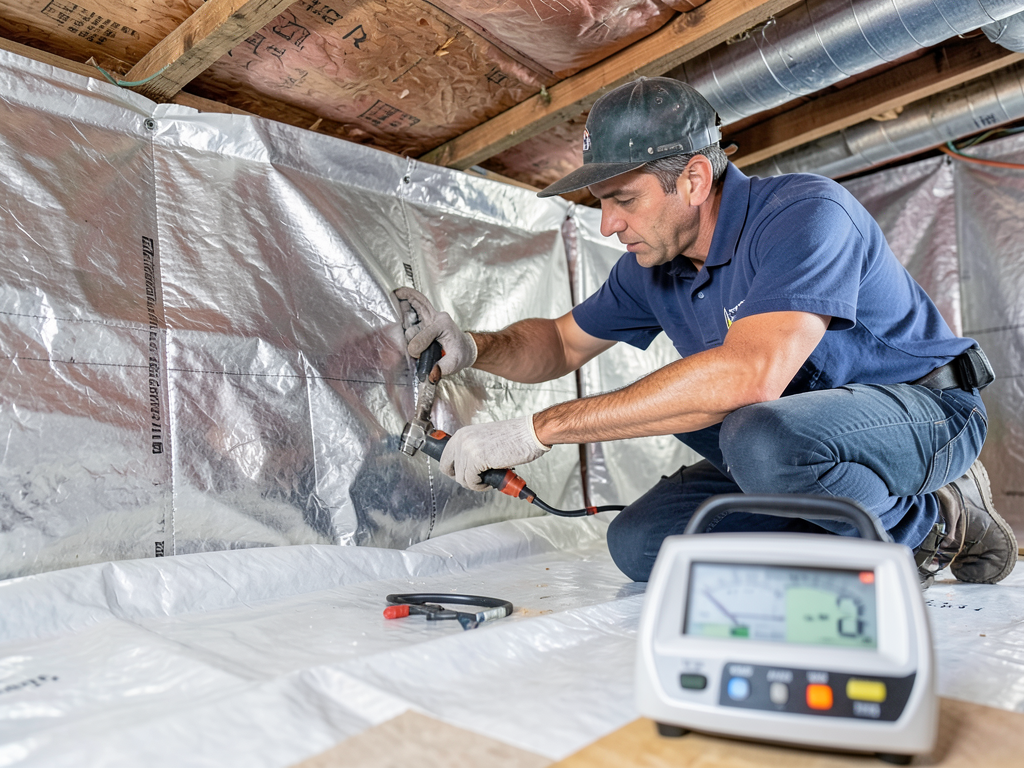
Thermal imaging identifies heat damage invisible to standard inspections. We map temperature differentials in structural members to locate compromised load-bearing elements. This technology reveals whether steel beams require replacement or surface treatment, directly impacting project scope and timeline.

Our hydroxyl generators neutralize smoke odor at the molecular level without the ozone health risks that force complete evacuations. This allows staged restoration where administrative areas reopen while production zones undergo deep cleaning. The equipment runs continuously, breaking down volatile organic compounds embedded in upholstery and ceiling tiles.

Industrial fire mitigation requires pH testing of all affected surfaces. Acidic residues continue corroding metal and concrete long after flames are extinguished. We apply alkaline treatments to neutralize these compounds, then verify results with chemical testing before reconstruction begins. This prevents premature equipment failure months after reopening.

We coordinate directly with Seattle Department of Construction and Inspections for permit expediting. Our documentation meets their fire restoration standards, including ventilation system decontamination verification and electrical system certification. This removes bottlenecks that delay certificate of occupancy approvals.

Commercial smoke remediation includes HVAC system dismantling and component-level cleaning. Smoke infiltrates ductwork, air handlers, and filtration systems. Surface cleaning fails. We document contamination levels, clean or replace components, then provide air quality testing results that satisfy both insurance requirements and tenant concerns.

What Happens During Commercial Fire Restoration

Commercial Fire & Smoke Cleanup in Seattle | Minimize Downtime and Restore Business Operations Fast
01

Emergency Assessment and Stabilization

Our team arrives within two hours to assess structural integrity and establish safety protocols. We document damage with thermal imaging and moisture mapping, then implement emergency board-up and tarping services to prevent weather intrusion. This initial stabilization protects your property from compounding water damage while we develop the full restoration scope. We also coordinate with your insurance adjuster and provide preliminary loss documentation for faster claim processing.
02

Contamination Removal and Neutralization

We deploy industrial air scrubbers and establish negative pressure zones to contain particulates during cleaning. Specialized detergents address protein-based soot on non-porous surfaces while dry cleaning methods treat fabrics and upholstery. Our technicians apply chemical neutralizers to acidic residues, then verify pH levels across all affected materials. HVAC systems undergo complete decontamination, including ductwork inspection and component replacement where contamination exceeds cleanable thresholds.
03

Reconstruction and Final Clearance

After contamination removal, we manage reconstruction to restore your space to pre-loss condition. This includes drywall replacement, painting, flooring installation, and electrical system restoration. We handle permit acquisition and coordinate inspections with Seattle SDCI officials. Final air quality testing verifies that particle counts and odor levels meet indoor environmental standards. You receive comprehensive documentation including before and after photos, testing results, and warranty information for completed work.

Why Seattle Businesses Choose Evergreen Water Damage Restoration Seattle

Seattle's unique commercial building stock, from century-old brick warehouses in Georgetown to modern tech campuses in Denny Triangle, requires restoration professionals who understand local construction methods. We work regularly with properties governed by Seattle Landmark Preservation Board guidelines, where fire restoration must maintain historic integrity while meeting current safety codes.

Our relationships with Seattle-area suppliers ensure priority access to materials during supply chain disruptions. When a warehouse fire requires 5,000 square feet of specialty flooring, we source products within days rather than weeks. This matters when lease obligations and insurance coverage timelines create financial pressure.

We maintain pre-established communication protocols with Seattle Fire Department investigators and maintain documentation standards that expedite their clearance processes. Our reports align with their requirements, reducing delays in releasing properties back to owners. This coordination shortens the investigation phase that often extends closure periods.

Evergreen Water Damage Restoration Seattle operates industrial-grade equipment fleets, including truck-mounted extraction units and commercial desiccant dehumidifiers sized for spaces exceeding 10,000 square feet. We scale resources to match project demands without rental delays. When a Capitol Hill restaurant needs rapid turnaround before weekend service, we deploy multiple crews simultaneously.

Our technicians hold Institute of Inspection Cleaning and Restoration Certification credentials specific to fire and smoke restoration. This training covers the chemistry of combustion byproducts and appropriate cleaning methods for different material types. The difference between proper restoration and surface cleaning determines whether odors return weeks later or whether your property passes final inspection without complications.

We provide detailed loss documentation that insurance carriers require for commercial claims. Our estimates break down labor, materials, and equipment costs with line-item precision. This reduces claim disputes and accelerates payment timelines that affect your cash flow during restoration.

What to Expect from Commercial Fire Restoration Services

Response Time and Project Duration

Emergency assessment begins within two hours of your call to minimize ongoing damage. Initial stabilization, including board-up and emergency cleaning, completes within 24 hours for most commercial properties. Full restoration timelines depend on damage extent and square footage, typically ranging from one week for minor smoke damage to six weeks for major fire events requiring reconstruction. We provide detailed project schedules during initial assessment and update timelines weekly as work progresses. Our project managers coordinate with your operations team to prioritize spaces critical for business continuity, allowing phased reopening where building codes permit partial occupancy.

Property Assessment and Documentation

Initial evaluation includes thermal imaging to identify heat damage, moisture mapping to detect water intrusion from suppression efforts, and air quality testing to measure particulate contamination. We photograph all affected areas and create room-by-room inventories of damaged materials and contents. This documentation feeds directly into insurance claims and establishes baseline conditions for restoration verification. You receive preliminary reports within 48 hours, including damage classification by severity level and recommended remediation approach for each zone. Our estimates specify whether materials require cleaning, sealing, or replacement based on industry restoration standards and manufacturer guidelines.

Final Deliverables and Quality Standards

Completed restoration meets pre-loss functional condition with materials matching or exceeding original specifications. Air quality testing confirms particle counts below 300 particles per cubic foot and absence of combustion byproduct odors. You receive certificate of completion documentation including all permit sign-offs, inspection approvals, and material warranties. Post-remediation verification reports document cleaning effectiveness through surface sampling and pH testing results. We provide digital archives of all project documentation, photos, and testing data for your records and future property transactions. Final walkthrough ensures all work meets your operational requirements before project closeout.

Ongoing Support and Maintenance Guidance

Post-restoration support includes guidance on HVAC filter replacement schedules and air quality monitoring to verify contamination does not recur. We provide material-specific maintenance recommendations for restored surfaces and systems. If odors emerge after completion, we return for verification testing and additional treatment at no charge when issues stem from incomplete initial remediation. Our team remains available for insurance company follow-up questions and can provide supplemental documentation if claim disputes arise. You receive direct contact information for your project manager for any questions during the first 90 days after completion.

Frequently Asked Questions

You Have Questions,
We Have Answers

How much does professional smoke remediation cost? +

Professional smoke remediation costs vary based on fire severity, square footage, and contamination level. Commercial properties in Seattle typically face higher costs due to larger spaces and specialized equipment needs. Expect costs to include structural cleaning, HVAC decontamination, odor neutralization, and contents restoration. Porous materials like drywall and insulation often require replacement. Acidic smoke residues damage surfaces quickly, so faster response reduces overall expense. Request a detailed scope of work and line-item estimate. Most commercial policies cover remediation costs when you document damage promptly and follow proper claims procedures.

How do professionals clean smoke damage? +

Professionals use a systematic approach to clean smoke damage. First, they assess damage type (protein, synthetic, or petroleum-based smoke). Technicians remove loose soot with dry sponges and HEPA vacuums to prevent smearing. They apply specialized detergents matched to residue chemistry, working from least to most affected areas. HVAC systems receive deep cleaning to prevent recontamination. Thermal fogging or hydroxyl generators neutralize embedded odors at the molecular level. Porous materials that cannot be cleaned get removed and replaced. Seattle's moisture levels require additional attention to prevent secondary damage during the cleaning process.

How much does it cost to clean up a burned down house? +

Cleaning a burned structure ranges significantly based on damage extent. Partial burns with smoke damage cost substantially less than total losses requiring demolition. Commercial properties face higher costs due to code compliance requirements, hazardous material abatement, and specialized trades. Costs include debris removal, structural stabilization, hazmat disposal, and full reconstruction. Seattle's permitting process and seismic requirements add complexity. Many severely damaged commercial buildings face total loss determination where demolition and rebuild proves more cost-effective than restoration. Your insurance adjuster and a structural engineer determine feasibility before cleanup begins.

Who is the alternative to ServPro? +

Several established restoration companies operate in Seattle as alternatives to national franchises. Local contractors often provide faster response times and better knowledge of Seattle building codes and permit requirements. Look for companies with IICRC certification, commercial experience, and direct insurance billing capabilities. Verify they maintain proper licensing, bonding, and pollution liability coverage required in Washington State. Local firms understand Seattle's unique challenges like moisture management during restoration and navigating historic district requirements. Compare scope of work documents, not just price estimates. Ask for commercial references in your specific industry or building type.

What does ServPro use to remove smoke smell? +

Professional restoration uses multiple methods to remove smoke odor. Hydroxyl generators and ozone machines break down odor molecules at the chemical level. Thermal fogging applies deodorizing particles that penetrate the same areas smoke reached. HVAC systems require duct cleaning and filter replacement to eliminate circulating odors. Technicians seal porous surfaces with encapsulating primers after cleaning. Contents receive specialized treatment in climate-controlled facilities. Seattle's humidity requires proper drying during treatment to prevent mold growth. The specific method depends on smoke type, material affected, and contamination severity. Combining multiple techniques achieves complete odor elimination.

Will insurance pay for smoke damage? +

Commercial property insurance typically covers smoke damage from covered fire events. Your policy likely includes business interruption coverage for lost revenue during cleanup. Document everything immediately with photos, video, and detailed inventory lists. Smoke damage worsens quickly due to acidic residues, so prompt notification matters. Seattle properties must follow proper mitigation procedures to maintain coverage. Your adjuster determines covered scope based on policy language and damage assessment. Expect potential disputes over replacement versus cleaning costs. Hire a public adjuster if the claim exceeds six figures or involves complex business interruption calculations.

What is the 30/30/30 rule for fire? +

The 30/30/30 rule refers to firefighter safety during structural firefighting operations. It means firefighters should work no more than 30 minutes in extreme heat, rest 30 minutes, and rehydrate with 30 ounces of water. This guideline prevents heat exhaustion and maintains operational effectiveness during extended fire suppression. For property owners, it highlights the intensity and duration of firefighting efforts your building endured. Understanding this helps explain why water damage often exceeds fire damage, and why structural assessments are critical after commercial fires in Seattle before allowing occupancy or beginning restoration work.

Does fire smoke smell ever go away? +

Fire smoke smell persists indefinitely without professional remediation. Smoke particles penetrate porous materials like drywall, insulation, concrete, and wood framing. Surface cleaning alone cannot eliminate embedded odors. Protein-based smoke from synthetic materials proves particularly stubborn. Seattle's humidity can reactivate dormant odors months later. Professional remediation uses chemical neutralization, thermal fogging, and ozone treatment to break down odor molecules permanently. Attempting DIY methods or delaying professional treatment allows smoke residues to penetrate deeper, increasing remediation costs. Complete odor removal requires addressing contaminated HVAC systems, wall cavities, and subfloor areas, not just visible surfaces.

Can mold grow on smoke-damaged walls? +

Yes, mold grows readily on smoke-damaged walls, particularly in Seattle's climate. Firefighting water introduces moisture into porous materials already compromised by fire. Soot provides organic material for mold colonies. Smoke damage weakens paint and sealant barriers, allowing moisture penetration. Commercial properties with compromised building envelopes face accelerated mold growth. Mold appears within 24 to 48 hours under ideal conditions. Professional remediation includes moisture monitoring and antimicrobial treatment during smoke cleanup. Walls with fire damage often require removal to substructure level, eliminating both smoke contamination and hidden mold growth simultaneously. Proper drying prevents secondary damage.

What is the 20 minute rule in cleaning? +

The 20-minute rule suggests tackling cleaning tasks in focused 20-minute intervals to maintain productivity and prevent burnout. This concept does not apply to commercial fire and smoke cleanup. Professional remediation requires systematic protocols, specialized equipment, and days or weeks to complete properly. Smoke damage cleanup follows specific sequences: assessment, stabilization, debris removal, cleaning, deodorization, and restoration. Rushing the process or using residential cleaning approaches causes permanent damage to commercial assets. Seattle properties must meet code requirements before reoccupancy. Focus on hiring qualified contractors who follow IICRC standards rather than applying time-management concepts to complex restoration work.

How Seattle's Commercial Building Density Complicates Fire Damage Restoration

Seattle's compact commercial districts create unique fire restoration challenges where smoke infiltrates adjacent properties through shared walls and interconnected ventilation systems. Buildings in Pike Place Market and Belltown often share century-old structural elements where fire barrier penetrations compromise containment. Commercial smoke remediation in these environments requires testing neighboring spaces for cross-contamination, even when fire damage appears isolated. The city's seismic upgrade requirements also mean restoration projects must address modern lateral bracing standards when replacing fire-damaged structural members, adding complexity beyond simple reconstruction.

Evergreen Water Damage Restoration Seattle maintains established working relationships with Seattle Department of Construction and Inspections officials who review commercial fire restoration permits. We understand local code interpretations specific to Seattle's building stock and can navigate the city's environmental compliance requirements for chemical cleaning agents and contaminated material disposal. Our familiarity with King County commercial insurance claim processes helps expedite approvals that often delay restoration timelines. When your business faces closure costs exceeding thousands daily, local expertise translates directly to faster reopening and reduced financial impact.

Water Damage Restoration Services in The Seattle Area

Evergreen proudly serves Seattle and its surrounding communities with professional water damage restoration you can count on. Whether you’re downtown, in the suburbs, or nearby, our responsive team is just a call away. View our service area on the map to see if we’re available in your neighborhood. We’re committed to helping local homeowners and businesses recover fast—so if you need help, we’ll come to you. Use the map below to locate our base or service radius and reach out anytime.

Address:
Evergreen Water Damage Restoration Seattle, 600 Stewart St, Seattle, WA, 98101

Additional Services We Offer

Our news updates

Latest Articles & News from The Blogs

How to Stop Your Lake Forest Park Deck from Leaking into the Rooms Below If water from your deck seeps…

How to Stop Your Lake Forest Park Deck from Leaking into the Rooms Below

How to Stop Your Lake Forest Park Deck from Leaking into the Rooms Below If water from your deck seeps…

Why Your West Seattle Retaining Wall Could Be the Cause of Your Wet Basement

Why Your West Seattle Retaining Wall Could Be the Cause of Your Wet Basement \n\n West Seattle’s dramatic topography of…

Fixing Moisture Problems in Your Mukilteo Home After a Heavy Fog Season

Fixing Moisture Problems in Your Mukilteo Home After a Heavy Fog Season Living near Puget Sound means dealing with persistent…

Contact Us

Every day of closure costs revenue and risks losing customers to competitors. Call (564) 220-5525 now for emergency commercial fire damage restoration in Seattle. Our teams deploy immediately to assess damage, stabilize your property, and begin restoration. We handle insurance coordination while you focus on business continuity.