



Federal Way sits in a water damage perfect storm. Pacific storms dump 38 inches of rain annually on aging neighborhoods built in the 1960s and 70s. Homes near Dash Point and along the steel corridor were constructed before modern moisture barriers became standard. King County's clay-heavy soil drains poorly, creating hydrostatic pressure against basement foundations in Adelaide, Camelot, and Twin Lakes. When atmospheric rivers hit in November through February, gutters overflow and water finds every crack.
The Marine View Drive corridor and properties near Hylebos Creek face additional flooding risk during king tides and heavy rainfall events. Older sump pumps fail when you need them most. Crawl spaces under split-level homes trap moisture, creating mold farms in the damp months between October and May. Federal Way's proximity to Puget Sound means relative humidity rarely drops below 70 percent, giving mold spores the perfect environment to colonize drywall and insulation within 48 hours of water intrusion. Properties near Five Mile Lake and Steel Lake deal with seasonal groundwater table rises that push moisture through basement slabs. These conditions demand fast response and complete extraction, not surface cleanup.
We built our reputation on properties your neighbors recommended. While national franchises route calls through out-of-state dispatchers, we maintain technicians based in South King County who know Federal Way addresses without checking GPS. Our response vehicles carry truck-mounted extraction units that pull 10 times more water than portable shop vacs, and thermal imaging cameras that find hidden moisture behind walls before mold takes hold.
Every technician holds IICRC Water Damage Restoration certification and completes annual training on Washington State moisture intrusion protocols. We document damage with the same software major insurance carriers use, which means adjusters accept our moisture readings and drying logs without argument. Your claim moves faster when we speak the same technical language as State Farm, Allstate, and PEMCO adjusters.
We know Federal Way building construction. Homes in Campus Glen have different moisture vulnerabilities than properties near the Commons Mall or the neighborhoods surrounding Saghalie Middle School. Split-level homes need crawl space monitoring. Townhomes share water risks with adjacent units. We assess structural cavities, not just visible surfaces, because water travels through wall assemblies and floor joists before appearing as ceiling stains.
When we commit to a drying timeline, we meet it. Our equipment stays onsite until moisture meters confirm structural materials have returned to dry standard. We do not pull equipment early to move to the next job. Your property dries completely or we keep working.

Our South King County base means technicians reach most Federal Way addresses within 60 minutes of your call. We dispatch immediately, not after checking availability. Every response vehicle carries industrial extraction equipment and thermal imaging technology. When water is spreading through your property, an hour makes the difference between drying carpet and replacing subfloor. We arrive fast and stop damage progression immediately.

Surface water is just the beginning. Our truck-mounted extractors pull water from carpet padding, subfloor, and wall cavities that portable equipment cannot reach. We use moisture meters to map wet zones, then place commercial dehumidifiers and air movers to create controlled drying environments. Every structural cavity gets monitored until moisture readings return to dry standard. Incomplete extraction guarantees mold growth.
We document water damage the way insurance adjusters expect to see it. Digital moisture mapping, detailed photo documentation, and equipment logs create the evidence your claim needs. Our estimates use Xactimate software, the same platform most carriers require. Adjusters accept our scope of work without lengthy negotiations. You get faster claim approval and payment when documentation meets carrier standards from day one.
We know Federal Way construction. Homes built in different decades have different vulnerabilities. Properties near Puget Sound face humidity challenges that inland homes do not. Split-level designs create unique moisture pathways. We assess your specific building type and implement drying strategies that match your structure. Generic approaches fail because every building dries differently. Local knowledge prevents costly mistakes.
Water damage creates cascading problems that demand specialized response. A burst pipe needs different treatment than a flooded crawl space. Sewage contamination requires hazmat protocols that clean water events do not. Insurance companies categorize water by contamination level, and restoration approaches must match those categories to maintain coverage.
Evergreen Water Damage Restoration Seattle provides complete mitigation services from initial extraction through final rebuilding. We handle Category 1 clean water events, Category 2 gray water contamination, and Category 3 black water sewage backups with appropriate safety protocols and disposal procedures. Our services include structural drying, mold remediation, content restoration, and reconstruction.
Federal Way properties face water intrusion from multiple sources. Winter storms cause roof leaks and gutter overflow. Supply line failures flood kitchens and bathrooms. Sewer backups contaminate basements. Crawl space moisture creates long-term damage. Each scenario requires specific equipment and techniques. We match our response to your water source, contamination level, and building construction. One-size-fits-all approaches leave moisture behind, which creates mold problems weeks after the emergency feels resolved.
When water floods your Federal Way property, every minute accelerates damage. Our emergency extraction service deploys truck-mounted pumps that remove thousands of gallons per hour from basements, crawl spaces, and living areas. We extract standing water, then pull moisture from carpet padding, subfloor, and wall cavities before materials begin deteriorating. Thermal imaging reveals hidden water migration. We place commercial dehumidifiers and air movers to begin structural drying immediately. Fast extraction stops damage progression and reduces total restoration costs.
Surface drying is not enough. Water penetrates wood framing, insulation, drywall, and concrete. Our structural drying service uses moisture meters to map wet zones, then creates controlled drying environments with commercial equipment. We monitor moisture levels daily until all materials return to dry standard. Federal Way's high humidity makes uncontrolled drying impossible. Our dehumidifiers remove moisture from air while air movers accelerate evaporation from structural surfaces. Equipment stays in place until your building is completely dry, not just visibly dry.
Mold grows within 48 hours in Federal Way's damp climate. Our remediation service follows IICRC S520 standards for safe mold removal. We establish containment barriers, use HEPA filtration to control airborne spores, remove contaminated materials, and treat affected surfaces with antimicrobial solutions. Crawl space mold requires different approaches than attic mold or wall cavity contamination. We test air quality after remediation to confirm safe spore levels. Mold removal without proper containment spreads contamination throughout your property.
Federal Way's climate and building stock create predictable water damage patterns. Properties built between 1960 and 1980 dominate neighborhoods near Lakota and Wildwood, and most lack modern moisture protection. Original plumbing reaches failure age. Roof systems installed 20 years ago now leak during heavy rain. Crawl space vapor barriers have deteriorated or were never installed.
Winter atmospheric rivers test every weak point in your building envelope. Gutters overflow and dump water against foundations. Wind-driven rain finds gaps around windows and doors. Basements near Hylebos Creek and Five Mile Lake face seasonal groundwater intrusion. These conditions are not random bad luck. Federal Way's geography and housing age make certain water problems inevitable. Knowing what to watch for helps you catch damage early, before mold contamination forces expensive remediation. Small leaks become major problems when homeowners wait too long to call for professional assessment.
Federal Way homes contain plumbing installed 30 to 50 years ago. Copper pipes develop pinhole leaks. Galvanized steel corrodes from inside. Water heaters fail and dump 40 gallons across floors. Washing machine hoses burst during spin cycles. These failures happen without warning and flood homes in minutes. Supply line water is clean, but volume overwhelms building materials fast. Immediate extraction prevents subfloor damage and mold growth.
Split-level homes throughout Federal Way have crawl spaces that trap moisture. Poor drainage, missing vapor barriers, and foundation cracks allow groundwater entry. Standing water creates ideal mold conditions and damages floor joists. Many homeowners never inspect crawl spaces until musty odors appear upstairs. By then, mold has colonized insulation and structural wood. Crawl space moisture requires vapor barriers, drainage correction, and dehumidification, not just water removal.
Heavy rain events expose failing roof systems. Missing shingles, deteriorated flashing, and clogged gutters allow water into attics. Water travels along rafters before dripping through ceilings, making leak location difficult. Attic insulation absorbs water and loses R-value. Wet insulation against drywall creates brown ceiling stains and mold growth. Roof leaks demand both source repair and complete attic drying to prevent long-term damage.
Basement floor drains connect to sewer lines that can back up during heavy rain. Tree roots infiltrate aging clay pipes. City main overflows push sewage into homes. Contaminated water contains bacteria, viruses, and toxic materials requiring hazmat cleanup protocols. Porous materials like carpet and drywall cannot be salvaged after sewage contact. Black water events need professional remediation with proper disposal and antimicrobial treatment.
Water damage creates panic. You need someone who answers immediately, arrives fast, and knows what to do. Our emergency response protocol begins the moment you call. We collect essential information, dispatch technicians to your Federal Way address, and walk you through immediate safety steps while help is on the way.
You will speak to a real person, not a voicemail system. We ask about water source, contamination level, and immediate dangers like electrical hazards or structural instability. This information determines which equipment our technicians load and what safety protocols they implement on arrival.
Our technicians arrive in marked vehicles with industrial extraction equipment, moisture meters, thermal cameras, and air quality monitors. We assess damage, explain what we found, and begin water removal immediately. You receive a detailed scope of work and cost estimate before major work begins. We photograph everything and document moisture levels for your insurance claim. Our job is stopping damage and drying your property completely, then handling the paperwork that gets your claim approved.
Call our Federal Way emergency line and a live person answers immediately. We do not route calls through national call centers or make you wait for callbacks. Our dispatcher collects critical information about your water emergency, then sends the closest available technician to your address. Most Federal Way locations receive response within 60 minutes. You get a call from your technician with arrival time. We prioritize emergencies based on damage severity and safety risks, not call order.
Our technician inspects all affected areas with moisture meters and thermal imaging to map the full extent of water intrusion. We check hidden spaces like wall cavities, subfloor, and insulation where moisture hides. You receive a written scope of work explaining what needs to happen and why. Our estimate uses Xactimate software that insurance adjusters recognize and accept. We explain what your policy likely covers and what might be your responsibility. No surprise bills appear after work finishes.
Water extraction is just the beginning. Our equipment stays onsite until moisture readings confirm your property has returned to dry standard. We check moisture levels daily and adjust equipment placement to optimize drying. You receive progress updates showing moisture reduction. Drying takes three to seven days depending on materials and humidity. We do not pull equipment early. Your property dries completely or we keep working at no additional charge.
Water damage restoration follows a proven sequence. Skip steps and you get mold growth or structural damage months later. We implement each phase with precision to ensure complete recovery and prevent future problems.
Our technician arrives at your Federal Way property with truck-mounted extraction equipment and begins removing standing water immediately. We extract from all affected areas, then use moisture meters to find hidden water in walls, subfloor, and structural cavities. Thermal imaging reveals water migration patterns invisible to the eye. We document damage with photos and moisture readings for your insurance claim. All contaminated materials get bagged for proper disposal. This phase stops damage progression and prepares your property for structural drying.
We place commercial dehumidifiers and air movers to create controlled drying conditions throughout affected areas. Equipment runs continuously, removing moisture from air and building materials. Our technicians return daily to check moisture levels, adjust equipment placement, and document drying progress. Federal Way's high humidity requires aggressive dehumidification to prevent mold growth. Drying continues until all structural materials return to dry standard, which takes three to seven days for most water events.
Once your property is completely dry, we begin reconstruction. This includes replacing damaged drywall, installing new flooring, painting, and restoring your home to pre-loss condition. We handle everything from minor repairs to major rebuilding. You work with one company from emergency through completion, not multiple contractors. Final antimicrobial treatment prevents future mold growth. We conduct a final walkthrough to ensure you are satisfied before considering the job complete.
Professional water damage restoration follows scientific principles, not guesswork. The Institute of Inspection, Cleaning and Restoration Certification publishes the S500 Standard for water damage mitigation, which establishes protocols for assessment, extraction, drying, and verification. These standards account for material porosity, humidity levels, temperature, and airflow to create drying conditions that prevent microbial growth.
Water damage falls into three contamination categories. Category 1 is clean water from supply lines or rain. Category 2 is gray water containing chemical or biological contamination from appliances or toilets. Category 3 is black water from sewage or flooding that contains pathogenic organisms. Each category requires different handling and disposal protocols. Federal Way properties often experience Category 2 events that homeowners treat as Category 1, which creates health risks.
Materials are classified by porosity. Non-porous surfaces like metal and glass do not absorb water. Semi-porous materials like wood and concrete absorb some moisture. Porous materials like drywall, insulation, and carpet padding absorb water readily and dry slowly. Restoration strategies must match material types. Drying drywall requires different techniques than drying hardwood flooring.
Psychrometry is the science of air-moisture relationships. Relative humidity, temperature, and vapor pressure determine how fast materials release moisture into air. Our dehumidifiers control these variables to create optimal drying conditions. Federal Way's marine climate keeps outdoor humidity between 70 and 85 percent most of the year, which makes natural air drying impossible. Without mechanical dehumidification, wet materials stay wet and grow mold within 48 hours.
Washington State requires contractors performing mold remediation to follow Department of Health guidelines. Work involving more than 10 square feet of mold requires containment barriers, HEPA filtration, and proper disposal. Our technicians maintain current training on state protocols and use equipment that meets regulatory standards. Improper mold work spreads contamination and creates liability for homeowners.
The IICRC S500 Standard establishes restoration protocols based on water category, material affected, and contamination level. Our technicians follow these guidelines for assessment, extraction, drying, and verification. Insurance companies expect restoration work to meet S500 standards. Deviating from these protocols jeopardizes claim approval. We document compliance at every phase to protect your insurance coverage and ensure complete moisture removal.
Restoration costs depend on water volume, contamination category, materials affected, and drying time required. Emergency extraction costs less than full reconstruction after mold growth. Fast response reduces total costs by preventing secondary damage. Insurance typically covers sudden water events like burst pipes but excludes long-term neglect. We provide estimates that separate covered restoration from non-covered maintenance issues to clarify your financial responsibility.
Structural drying takes three to seven days for most Federal Way water events. Timeline depends on materials affected, humidity levels, and airflow. Hardwood floors dry slower than carpet. Wet insulation extends timelines. We monitor moisture daily and adjust equipment to optimize drying speed. Removing equipment before materials reach dry standard guarantees mold growth. Complete drying cannot be rushed without risking future contamination.
Washington State Department of Health requires mold remediation affecting more than 10 square feet to follow containment and disposal protocols. Work must prevent cross-contamination to unaffected areas. Our technicians maintain current certification on state guidelines and use HEPA filtration systems that meet regulatory standards. Improper mold work creates health risks and legal liability. Compliance protects your family and property value.
This video explains the complete water damage restoration process for Federal Way residential and commercial properties. Viewers learn about emergency water extraction techniques, structural drying protocols, moisture monitoring procedures, and mold prevention strategies specific to Federal Way's climate and building types. The video covers water damage categories, material drying timelines, insurance documentation requirements, and why Federal Way properties face unique moisture challenges from Pacific storms, poor soil drainage, and aging construction. Professional restoration techniques demonstrate truck-mounted extraction, thermal imaging moisture detection, commercial dehumidification, and antimicrobial treatment.
Evergreen Water Damage Restoration Seattle serves the entire Federal Way community from Dash Point to the Pierce County line. Our South King County base puts technicians close to every neighborhood, whether you live near the Commons Mall corridor along South 320th Street, the residential areas surrounding Celebration Park, or the properties near Lakota Middle School and Adelaide Elementary.
Homes in the Campus Glen and Camelot neighborhoods face unique challenges from their 1970s construction and clay soil drainage issues. Properties near Marine View Drive and along the bluff overlooking Puget Sound deal with wind-driven rain during winter storms. The Steel Lake and Five Mile Lake areas experience seasonal groundwater table fluctuations that put pressure on basement foundations and create crawl space moisture problems.
We know the split-level homes common throughout Twin Lakes and the Wildwood area have crawl spaces that trap humidity and require specialized moisture control. Properties near the Hylebos Creek corridor face flooding risks during heavy rainfall events that overwhelm storm drainage systems. Townhomes and condominiums around the Performing Arts and Event Center share water risks with adjacent units, which means water damage in one residence often affects neighbors.
The neighborhoods surrounding Sacajawea and Totem Middle Schools contain a mix of original 1960s construction and newer builds, each with different moisture vulnerabilities. Older homes near Dumas Bay lack modern vapor barriers and foundation waterproofing. Newer construction near the West Campus development includes better moisture protection but can still experience supply line failures and appliance leaks.
Federal Way's position between Tacoma and Seattle means many properties serve as rental housing for military families stationed at Joint Base Lewis-McChord. These homes need fast water damage response to protect tenant safety and maintain habitability. We work with property managers and landlords throughout Federal Way to provide emergency services that minimize vacancy time and preserve property value.
Whether your property is near the Weyerhaeuser corporate campus, the residential streets surrounding Truman High School, or the neighborhoods near Dash Point State Park, we respond fast and restore completely. Federal Way is our community. We live here, work here, and protect properties for our neighbors.
Water damage restoration is worth it if you want to prevent structural collapse, mold growth, and health hazards in your Federal Way home. Untreated water seeps into drywall, subflooring, and framing, weakening your foundation over time. Federal Way's high humidity accelerates mold development within 24-48 hours. Professional restoration extracts standing water, dries hidden moisture pockets, and prevents secondary damage that could cost you thousands more later. Most homeowners insurance policies cover sudden water damage, making restoration financially manageable. Ignoring the problem leads to rot, microbial growth, and plummeting property value.
Water damage repair costs in Federal Way range widely based on the water source, affected square footage, and structural impact. A small bathroom leak might run a few hundred dollars for drying and minor repairs. Extensive flooding affecting multiple rooms, subflooring, and insulation can reach several thousand. Gray water from appliances costs more than clean water due to sanitation needs. Black water from sewage requires hazmat protocols and complete material removal. Your insurance deductible and coverage limits determine your out-of-pocket expense. Most restoration companies provide free inspections and work directly with your insurer to streamline the claims process.
Water damage restoration in Federal Way takes 3-7 days for most residential projects, depending on the extent of moisture penetration and materials affected. Emergency water extraction happens within hours of your call. Drying and dehumidification run 24/7 for 3-5 days until moisture meters confirm safe levels. Structural repairs, drywall replacement, and painting add another 2-4 days. Severe flooding or black water contamination extends timelines to 10-14 days. Federal Way's coastal humidity can slow drying, requiring industrial-grade dehumidifiers. Quick response shortens the timeline. Delays allow mold to colonize, which adds remediation time.
Water damage restoration is worth it if you want to prevent structural collapse, mold growth, and health hazards in your Federal Way home. Untreated water seeps into drywall, subflooring, and framing, weakening your foundation over time. Federal Way's high humidity accelerates mold development within 24-48 hours. Professional restoration extracts standing water, dries hidden moisture pockets, and prevents secondary damage that could cost you thousands more later. Most homeowners insurance policies cover sudden water damage, making restoration financially manageable. Ignoring the problem leads to rot, microbial growth, and plummeting property value.
Water damage repair costs in Federal Way range widely based on the water source, affected square footage, and structural impact. A small bathroom leak might run a few hundred dollars for drying and minor repairs. Extensive flooding affecting multiple rooms, subflooring, and insulation can reach several thousand. Gray water from appliances costs more than clean water due to sanitation needs. Black water from sewage requires hazmat protocols and complete material removal. Your insurance deductible and coverage limits determine your out-of-pocket expense. Most restoration companies provide free inspections and work directly with your insurer to streamline the claims process.
Water damage restoration in Federal Way takes 3-7 days for most residential projects, depending on the extent of moisture penetration and materials affected. Emergency water extraction happens within hours of your call. Drying and dehumidification run 24/7 for 3-5 days until moisture meters confirm safe levels. Structural repairs, drywall replacement, and painting add another 2-4 days. Severe flooding or black water contamination extends timelines to 10-14 days. Federal Way's coastal humidity can slow drying, requiring industrial-grade dehumidifiers. Quick response shortens the timeline. Delays allow mold to colonize, which adds remediation time.
Water damage repair costs vary, but quick action keeps expenses manageable. Small leaks caught early cost less than widespread flooding. The expense comes from specialized equipment, labor-intensive drying, and material replacement. You pay for thermal imaging to find hidden moisture, commercial dehumidifiers running 24/7, antimicrobial treatments, and rebuilding damaged structures. Federal Way homes with crawl spaces face higher costs when water pools underneath. Insurance typically covers sudden damage from burst pipes or appliance failures. Gradual leaks from neglected maintenance usually fall on you. Ignoring water damage leads to mold remediation and structural repairs that cost exponentially more.
Insurance covers water restoration in Federal Way if the damage is sudden and accidental. Burst pipes, appliance malfunctions, roof leaks from storm damage, and overflowing toilets typically qualify. Most policies exclude gradual damage from neglected maintenance, like a slow drip you ignored for months. Flood damage requires separate flood insurance through FEMA, especially important for Federal Way properties near Puget Sound or streams. File your claim immediately and document everything with photos. Restoration companies work directly with adjusters to verify covered work. Review your policy's water damage exclusions and coverage limits annually to avoid surprises when disaster strikes.
Servpro and other restoration companies in Federal Way typically complete water damage projects in 3-7 days for standard residential work. Emergency water extraction starts within hours. Industrial air movers and dehumidifiers run continuously for 3-5 days until moisture levels drop to safe standards. Reconstruction adds time depending on the scope. Severe flooding, structural damage, or mold discovery extends the timeline to two weeks or more. Response speed matters in Federal Way's humid climate. Every hour of delay increases mold risk and secondary damage. Any reputable restoration company should provide a projected timeline after the initial inspection and moisture mapping.
Water damage in walls is covered by insurance in Federal Way if the cause is sudden and accidental. Burst pipes, storm-driven rain through damaged roofing, or appliance leaks typically qualify for coverage. Your policy pays to dry the wall cavities, remove damaged drywall and insulation, treat for mold, and rebuild. Gradual leaks from poor maintenance, like a slow drip behind the wall you ignored, are usually excluded. Flood water requires separate flood insurance. Document the damage immediately with photos and contact your insurer within 24 hours. Restoration companies use moisture meters and thermal imaging to prove the extent of hidden wall damage to adjusters.
Insurance pays for water damage in Federal Way when the cause fits your policy's covered perils. Sudden events like burst pipes, appliance failures, roof leaks from wind damage, and accidental overflows qualify. Policies exclude gradual damage from neglect, groundwater seepage, and flooding without separate flood insurance. Your deductible applies first, then the insurer covers restoration costs up to your policy limits. File claims immediately and provide documentation. Adjusters visit to verify damage extent. Restoration companies coordinate directly with insurers to get approval for extraction, drying, antimicrobial treatment, and repairs. Review your policy annually to understand coverage gaps before disaster strikes.
Water damage costs add up fast because of specialized equipment, skilled labor, and hidden destruction. You pay for 24/7 industrial dehumidifiers, air movers, moisture detection technology, antimicrobial treatments, and complete material removal. Federal Way's humidity requires aggressive drying to prevent mold. Water migrates into subflooring, wall cavities, and insulation where you cannot see it. Technicians must remove baseboards, drill weep holes, and sometimes cut drywall to access hidden moisture. Contaminated water requires hazmat protocols. Structural damage to framing and foundations multiplies costs. Quick professional intervention actually saves money by preventing mold remediation and larger reconstruction projects later.
Mold develops after water damage in Federal Way within 24-48 hours if moisture remains untreated. Federal Way's coastal humidity and mild temperatures create ideal mold conditions year-round. Porous materials like drywall, insulation, and wood absorb water quickly and hold moisture deep inside. Surface drying is not enough. Professional restoration uses moisture meters to verify complete drying in hidden cavities. Mold spores exist everywhere and colonize fast when water and organic material meet. Category 2 gray water and Category 3 black water carry mold spores and bacteria, increasing contamination risk. Quick extraction and thorough drying prevent mold growth and protect your indoor air quality.
Water damage repair costs vary, but quick action keeps expenses manageable. Small leaks caught early cost less than widespread flooding. The expense comes from specialized equipment, labor-intensive drying, and material replacement. You pay for thermal imaging to find hidden moisture, commercial dehumidifiers running 24/7, antimicrobial treatments, and rebuilding damaged structures. Federal Way homes with crawl spaces face higher costs when water pools underneath. Insurance typically covers sudden damage from burst pipes or appliance failures. Gradual leaks from neglected maintenance usually fall on you. Ignoring water damage leads to mold remediation and structural repairs that cost exponentially more.
Insurance covers water restoration in Federal Way if the damage is sudden and accidental. Burst pipes, appliance malfunctions, roof leaks from storm damage, and overflowing toilets typically qualify. Most policies exclude gradual damage from neglected maintenance, like a slow drip you ignored for months. Flood damage requires separate flood insurance through FEMA, especially important for Federal Way properties near Puget Sound or streams. File your claim immediately and document everything with photos. Restoration companies work directly with adjusters to verify covered work. Review your policy's water damage exclusions and coverage limits annually to avoid surprises when disaster strikes.
Servpro and other restoration companies in Federal Way typically complete water damage projects in 3-7 days for standard residential work. Emergency water extraction starts within hours. Industrial air movers and dehumidifiers run continuously for 3-5 days until moisture levels drop to safe standards. Reconstruction adds time depending on the scope. Severe flooding, structural damage, or mold discovery extends the timeline to two weeks or more. Response speed matters in Federal Way's humid climate. Every hour of delay increases mold risk and secondary damage. Any reputable restoration company should provide a projected timeline after the initial inspection and moisture mapping.
Water damage in walls is covered by insurance in Federal Way if the cause is sudden and accidental. Burst pipes, storm-driven rain through damaged roofing, or appliance leaks typically qualify for coverage. Your policy pays to dry the wall cavities, remove damaged drywall and insulation, treat for mold, and rebuild. Gradual leaks from poor maintenance, like a slow drip behind the wall you ignored, are usually excluded. Flood water requires separate flood insurance. Document the damage immediately with photos and contact your insurer within 24 hours. Restoration companies use moisture meters and thermal imaging to prove the extent of hidden wall damage to adjusters.
Insurance pays for water damage in Federal Way when the cause fits your policy's covered perils. Sudden events like burst pipes, appliance failures, roof leaks from wind damage, and accidental overflows qualify. Policies exclude gradual damage from neglect, groundwater seepage, and flooding without separate flood insurance. Your deductible applies first, then the insurer covers restoration costs up to your policy limits. File claims immediately and provide documentation. Adjusters visit to verify damage extent. Restoration companies coordinate directly with insurers to get approval for extraction, drying, antimicrobial treatment, and repairs. Review your policy annually to understand coverage gaps before disaster strikes.
Water damage costs add up fast because of specialized equipment, skilled labor, and hidden destruction. You pay for 24/7 industrial dehumidifiers, air movers, moisture detection technology, antimicrobial treatments, and complete material removal. Federal Way's humidity requires aggressive drying to prevent mold. Water migrates into subflooring, wall cavities, and insulation where you cannot see it. Technicians must remove baseboards, drill weep holes, and sometimes cut drywall to access hidden moisture. Contaminated water requires hazmat protocols. Structural damage to framing and foundations multiplies costs. Quick professional intervention actually saves money by preventing mold remediation and larger reconstruction projects later.
Mold develops after water damage in Federal Way within 24-48 hours if moisture remains untreated. Federal Way's coastal humidity and mild temperatures create ideal mold conditions year-round. Porous materials like drywall, insulation, and wood absorb water quickly and hold moisture deep inside. Surface drying is not enough. Professional restoration uses moisture meters to verify complete drying in hidden cavities. Mold spores exist everywhere and colonize fast when water and organic material meet. Category 2 gray water and Category 3 black water carry mold spores and bacteria, increasing contamination risk. Quick extraction and thorough drying prevent mold growth and protect your indoor air quality.
Evergreen proudly serves Seattle and its surrounding communities with professional water damage restoration you can count on. Whether you’re downtown, in the suburbs, or nearby, our responsive team is just a call away. View our service area on the map to see if we’re available in your neighborhood. We’re committed to helping local homeowners and businesses recover fast—so if you need help, we’ll come to you. Use the map below to locate our base or service radius and reach out anytime.
Address:
Federal Way, WA, 98003
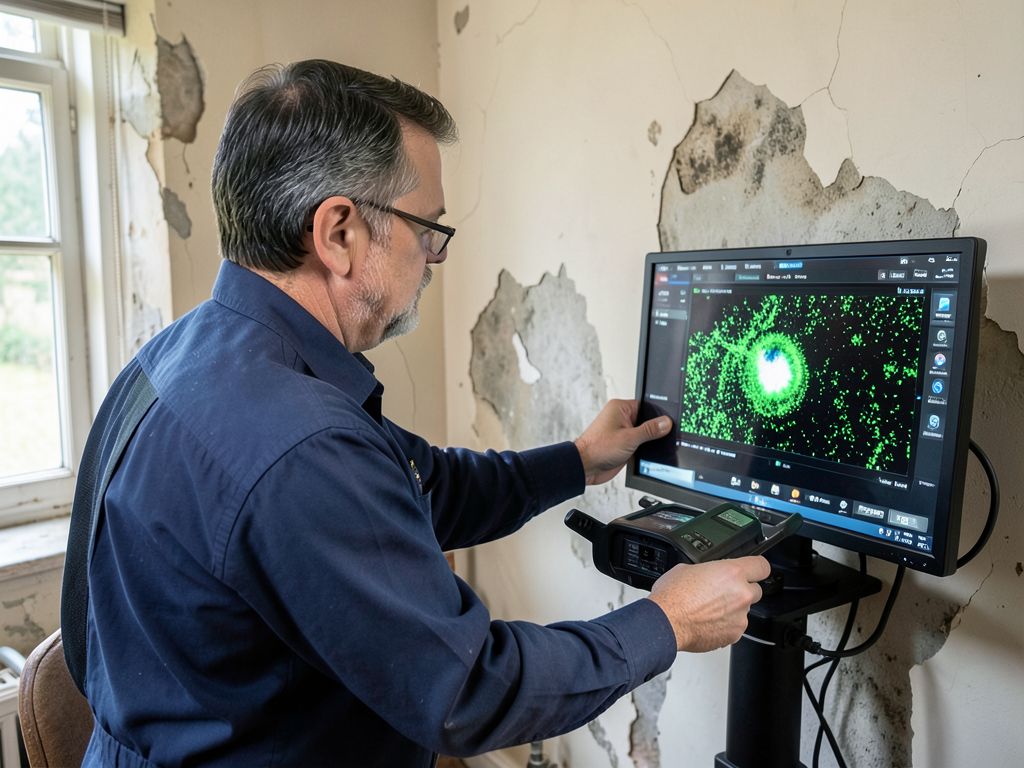
Why Your Broadmoor Home Needs a Specialized Drying Plan for Custom Plaster Walls When water infiltrates your Broadmoor home's custom plaster walls, standard drywall drying techniques can cause irreversible damage. The historic plaster walls common…

How to Stop Your Lake Forest Park Deck from Leaking into the Rooms Below If…

Why Your West Seattle Retaining Wall Could Be the Cause of Your Wet Basement \n\n…
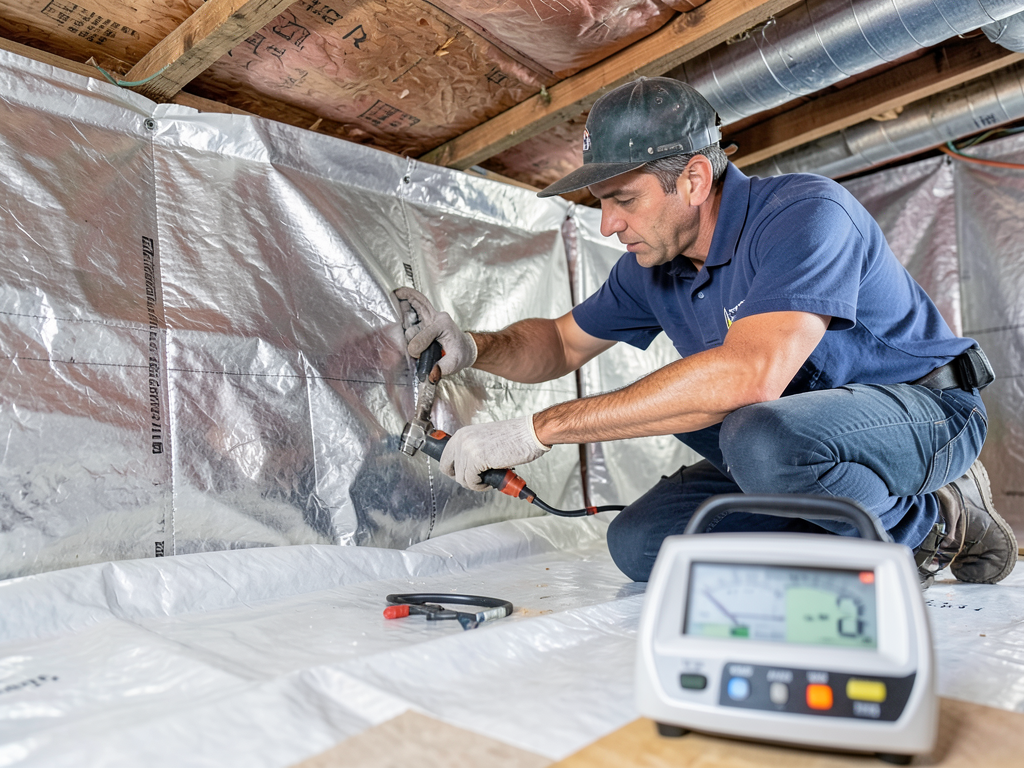
Fixing Moisture Problems in Your Mukilteo Home After a Heavy Fog Season Living near Puget…
Your Federal Way property is losing value every minute water spreads. Our technicians are ready to respond right now with industrial extraction equipment and certified expertise. Call (564) 220-5525 for immediate dispatch. We answer 24 hours a day, 7 days a week. Stop the damage before mold takes hold.