
menu

Water Mitigation vs Restoration in Seattle – Understanding the Critical Difference That Protects Your Property and Insurance Coverage

Learn exactly when water mitigation ends and restoration begins, why the distinction matters for your Seattle property, and how knowing the difference between water damage mitigation vs restoration prevents costly mistakes and claim denials.

Slider Image 1
Slider Image 2
Slider Image 3
Slider Image 4
Slider Image 5
Slider Image 7
Slider Image 8
Slider Image 9
Slider Image 10
Slider Image 11

Why Seattle Property Owners Confuse Water Mitigation with Restoration

When water invades your Seattle home or business, you hear two terms repeatedly: mitigation and restoration. Most people use them interchangeably. That confusion costs you time, money, and peace of mind.

Seattle's climate creates unique water intrusion patterns. Our 150 days of annual rainfall, combined with Puget Sound humidity, means water damage happens gradually and suddenly. A slow leak behind drywall in Ballard goes unnoticed until mold blooms. A winter storm overwhelms gutters in Queen Anne, flooding crawl spaces. The difference between water mitigation and restoration becomes critical in these moments.

Water mitigation stops the damage from spreading. It happens first. Water remediation vs restoration is about timing and scope. Mitigation is emergency stabilization. Restoration is rebuilding what was lost.

The confusion creates real problems. Homeowners call restoration contractors when they need emergency water extraction. Business owners in Pioneer Square wait for reconstruction quotes when they should be extracting standing water immediately. Insurance adjusters deny claims because you jumped straight to restoration without documenting mitigation work.

Understanding water damage mitigation vs restoration protects your property value and insurance coverage. Mitigation focuses on damage control within 24 to 48 hours. Restoration comes later, after everything dries and assessments are complete. The work overlaps, but the goals differ completely.

Seattle's older housing stock, especially in neighborhoods like Capitol Hill and Fremont, compounds the issue. Historic homes have plaster walls, old pipe systems, and unique drainage challenges. Modern water cleanup vs water repair techniques must adapt to these structures. You cannot restore what you have not properly mitigated first.

Why Seattle Property Owners Confuse Water Mitigation with Restoration
How Water Mitigation and Restoration Work as Sequential Phases

How Water Mitigation and Restoration Work as Sequential Phases

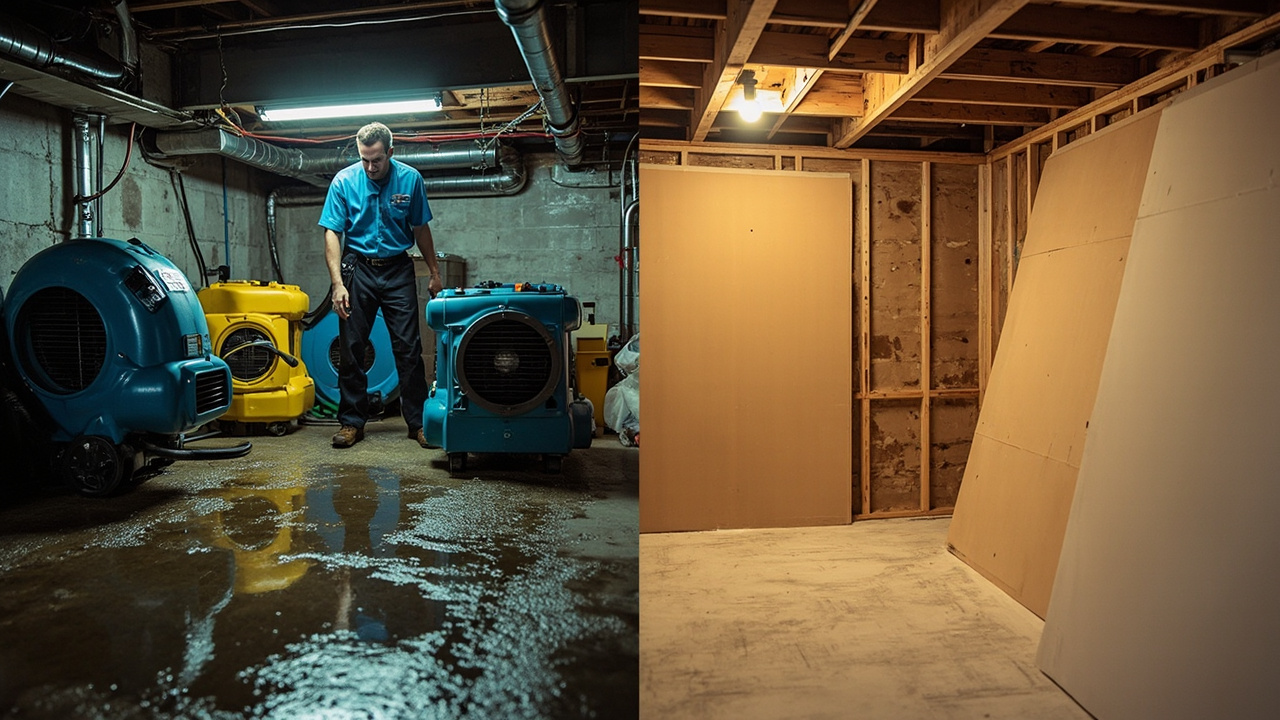
Water mitigation begins the moment you discover water intrusion. The goal is simple: stop additional damage. This phase uses extraction equipment, dehumidifiers, air movers, and antimicrobial treatments. We remove standing water, eliminate moisture from structural materials, and prevent microbial growth. Mitigation creates a stable environment where no further deterioration occurs.

The technical distinction matters for insurance. Carriers categorize mitigation as emergency services under your policy's immediate protection clause. Restoration falls under repair and replacement coverage, which has different deductibles and limits. Documenting the transition from mitigation to reconstruction protects your claim.

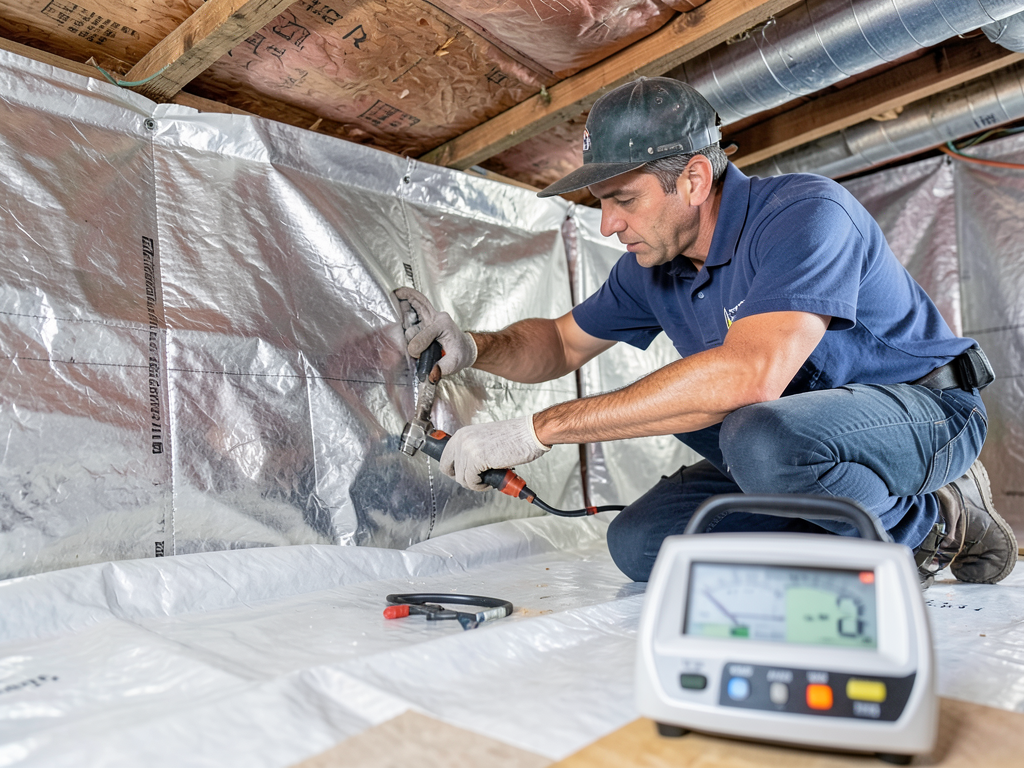
Mitigation typically takes three to five days in Seattle properties. Drying times vary based on material saturation, ambient humidity, and airflow. We use thermal imaging cameras to detect hidden moisture in wall cavities and subfloors. Moisture meters track drying progress in real time. When readings stabilize at acceptable levels, mitigation ends.

Restoration begins after complete dryness verification. This phase rebuilds damaged structures. We replace drywall, install new flooring, repaint walls, and restore pre-loss conditions. Restoration work requires permits in Seattle, especially for electrical and plumbing modifications. King County building codes dictate specific standards for water-damaged structure repairs.

The handoff between phases is methodical. We document every affected surface, photograph damage progression, and create moisture mapping reports. These records prove you followed proper protocols, which insurance adjusters require for full claim approval.

Evergreen Water Damage Restoration Seattle manages both phases because we understand how they connect. We extract water at 2 a.m., monitor drying for 72 hours, then coordinate with licensed contractors for cabinet replacement or hardwood refinishing. You get continuity instead of juggling multiple vendors who blame each other when problems arise.

What Happens From Water Discovery to Full Property Restoration

Water Mitigation vs Restoration in Seattle – Understanding the Critical Difference That Protects Your Property and Insurance Coverage
01

Emergency Water Extraction

Within one hour of your call, we arrive with truck-mounted extraction units and portable pumps. Standing water is removed completely. We extract from carpets, padding, and subflooring using weighted wands that pull moisture from deep layers. This immediate response prevents category 1 clean water from degrading into category 3 contaminated water, which happens within 48 hours in Seattle's humid climate. Speed during this phase determines total restoration costs later.
02

Structural Drying Process

Industrial dehumidifiers and air movers run continuously for three to seven days. We position equipment based on psychrometric calculations, measuring temperature and humidity differentials. Moisture readings are logged twice daily using pin and pinless meters. Wall cavities receive focused drying through injecti-dry systems that force air behind drywall without demolition. This phase transitions you from active damage to stable conditions. Documentation here is what your insurance adjuster reviews for claim approval.
03

Reconstruction and Restoration

After moisture levels return to baseline, licensed contractors rebuild affected areas. Drywall is cut, replaced, and finished. Flooring goes back down. Cabinets are reinstalled or custom-matched. Paint colors are precisely matched to existing walls. This phase returns your property to pre-loss condition or better. We coordinate permits with Seattle Department of Construction and Inspections, manage subcontractors, and provide final walk-throughs. You sign off only when every detail meets your standards.

Why Seattle Properties Require Specialized Mitigation and Restoration Knowledge

Seattle's building landscape is unforgiving to generic approaches. Our city contains Craftsman bungalows from 1910, post-war ramblers, modern high-rises in South Lake Union, and floating homes on Lake Union. Each structure type responds differently to water intrusion.

Historic homes in Ravenna and Wallingford have lathe and plaster walls. Standard drying techniques fail because moisture migrates through wall cavities unpredictably. We adapt equipment placement and use specialty moisture detection to find hidden saturation pockets that lead to structural rot if missed.

Seattle's clay soil creates hydrostatic pressure against foundations. Water tables rise during our wet season from October through April. Crawl spaces flood repeatedly in neighborhoods like West Seattle and Beacon Hill. Mitigation here requires understanding soil mechanics and drainage patterns unique to your block. Simply drying the crawl space is insufficient if groundwater intrusion continues unchecked.

King County requires permits for structural repairs exceeding basic cosmetic work. Restoration contractors unfamiliar with local building codes create permit violations that halt work and complicate insurance claims. We maintain relationships with city inspectors and understand which repairs trigger permit requirements.

Our team works throughout Seattle, from emergency mitigation calls in Greenwood at midnight to full kitchen restorations in Madison Park three weeks later. We know which buildings have polybutylene pipes prone to failure, which condo complexes have HOA restoration requirements, and how Seattle's microclimates affect drying times near the water versus inland areas.

Evergreen Water Damage Restoration Seattle operates with one priority: protecting your property through every phase. We answer calls 24 hours daily because water does not wait for business hours. Our technicians carry IICRC certifications in water damage restoration, applied structural drying, and microbial remediation. You get expertise at 3 a.m. and professional restoration management through project completion.

What You Can Expect During Mitigation and Restoration Services

Immediate Response Time

Water mitigation is time-sensitive work. We guarantee arrival within 60 minutes for Seattle properties. Our dispatch system routes the closest crew to your location regardless of time or day. Equipment arrives fully loaded: extraction units, air movers, dehumidifiers, moisture meters, and antimicrobial treatments. We begin work immediately, not after a consultation appointment three days later. Emergency mitigation continues overnight if necessary. You get updates every four hours during active extraction and drying. Response speed directly correlates with total restoration costs. Faster mitigation means less demolition, lower material replacement, and shorter timelines to full restoration.

Comprehensive Damage Assessment

Before any work starts, we document every affected surface with photos, moisture readings, and detailed notes. Thermal imaging cameras reveal hidden moisture behind walls, under flooring, and in ceiling cavities. We classify water damage by category: category 1 clean water, category 2 gray water, or category 3 black water. This classification determines safety protocols and disposal requirements. Assessment reports include floor plans marked with moisture mapping, material inventories, and projected drying times. Your insurance adjuster receives comprehensive documentation that supports your claim. We identify structural concerns like compromised floor joists or mold contamination that require specialized remediation. This assessment prevents surprises during restoration when you discover hidden damage that should have been addressed during mitigation.

Complete Property Restoration

Restoration quality determines your property's long-term value. We match existing finishes precisely. Paint colors are computer-matched, not guessed. Hardwood species are identified and sourced from matching lumber grades. Drywall texture is replicated using the same application technique as surrounding walls. Tile patterns are maintained with carefully sourced replacements or custom orders when discontinuation forces alternatives. Cabinets receive matching stain and hardware. We coordinate with your insurance carrier on material specifications and upgrade allowances. Final walk-throughs happen only when you confirm satisfaction. Restoration timelines range from two weeks for single-room projects to six weeks for whole-house reconstruction. You receive detailed schedules with milestone dates and contractor coordination plans.

Post-Restoration Support

Water damage creates lasting concerns about mold, structural integrity, and recurrence. We provide post-restoration moisture monitoring for 30 days after project completion. You receive instructions for maintaining proper ventilation and humidity control specific to your property type. If issues arise, we return immediately to address them without additional diagnostic fees. Documentation remains available for insurance purposes or future property sales. We also identify preventive measures like gutter improvements, grading adjustments, or plumbing upgrades that reduce future water intrusion risk. You get phone support for questions about moisture concerns, unusual odors, or signs of recurring damage. Our goal extends beyond fixing current damage to preventing future incidents through education and proactive recommendations tailored to Seattle's climate challenges.

Frequently Asked Questions

You Have Questions,
We Have Answers

What is the difference between water restoration and mitigation? +

Water mitigation stops damage from getting worse. It includes emergency tasks like extracting standing water, setting up air movers, and removing wet materials. Think of it as first aid for your property. Water restoration comes after mitigation. It rebuilds what was damaged. This includes drywall replacement, flooring installation, and repainting. In Seattle, where heavy rains and pipe freezes cause frequent water emergencies, mitigation happens within hours of discovery. Restoration can take weeks. You need mitigation first to prevent mold growth in our humid climate. Restoration makes your home livable again.

What is mitigation and restoration? +

Mitigation reduces immediate harm from water damage. Technicians remove water, dry structural elements, and prevent secondary damage like mold. It focuses on stabilization. Restoration rebuilds and repairs. Contractors replace damaged drywall, install new flooring, and restore finishes. Seattle homeowners often face both after basement flooding from groundwater intrusion or burst pipes during winter freezes. Mitigation happens fast, usually within 24 to 48 hours. Restoration follows once everything is dry and documented. Insurance companies typically require professional mitigation to cover claims. Restoration returns your property to pre-loss condition.

What is the difference between restoration and remediation? +

Restoration repairs physical damage to structures and finishes. It rebuilds walls, replaces carpets, and restores your property to its original state. Remediation removes contamination or hazardous materials. This includes mold removal, sewage cleanup, or asbestos abatement. In Seattle, remediation often addresses mold growth caused by our persistent dampness and poor crawlspace ventilation. You might need remediation before restoration if contamination exists. Restoration fixes the visible damage. Remediation eliminates health hazards. Many Seattle properties require both after a sewage backup or long-term leak. Professional assessment determines which services you need.

What does water restoration mean? +

Water restoration rebuilds your property after water damage. It includes replacing drywall, installing new flooring, repairing cabinetry, and repainting. Restoration happens after mitigation dries the structure. In Seattle, where moisture from Puget Sound and frequent rainfall create persistent humidity, restoration also addresses hidden damage like rotted framing or subflooring. Professionals use moisture meters to confirm materials are dry before rebuilding. Restoration brings your home back to pre-loss condition. It requires construction skills, not just water extraction. Most Seattle restoration projects take one to four weeks, depending on damage severity.

Does homeowners insurance cover water mitigation? +

Most homeowners policies cover water mitigation if the damage results from a sudden, accidental event. Covered causes include burst pipes, appliance malfunctions, or storm-related roof leaks. Seattle insurers typically exclude gradual damage from neglect or maintenance issues. Your policy may cover water extraction, drying equipment, and emergency tarping. Review your declarations page for coverage limits and deductibles. File claims immediately after discovery. Insurers require prompt mitigation to prevent further damage. Document everything with photos. Delayed mitigation can void coverage. Contact your adjuster before starting work to confirm covered services and avoid claim denials.

What are the three types of mitigation? +

The three mitigation types are structural drying, content manipulation, and antimicrobial treatment. Structural drying removes moisture from walls, floors, and ceilings using dehumidifiers and air movers. Content manipulation involves moving or removing furniture and belongings to prevent damage and allow airflow. Antimicrobial treatment prevents mold and bacteria growth on affected surfaces. In Seattle, where humidity stays high year-round, structural drying often takes longer than drier climates. Professionals monitor moisture levels daily until readings reach acceptable standards. All three types work together to stabilize your property and prevent secondary damage after water intrusion.

Is water restoration worth it? +

Water restoration is worth it when damage affects structural integrity, safety, or property value. Ignoring water damage leads to mold growth, wood rot, and foundation problems. In Seattle, where moisture accelerates decay, unaddressed damage can cost thousands more in repairs within months. Restoration protects your investment and prevents health hazards. Insurance often covers most costs after deductibles. Attempting DIY restoration without proper equipment or knowledge risks incomplete drying and hidden mold. Professional restoration includes warranties and documentation for future sales. If damage extends beyond cosmetic issues, restoration pays for itself by preventing worse problems.

What are 5 examples of mitigation? +

Five mitigation examples include water extraction using truck-mounted pumps, structural drying with commercial dehumidifiers, removing wet insulation and drywall, applying antimicrobial treatments to framing, and installing air movers to increase evaporation. In Seattle basements, mitigation might include pumping groundwater and removing saturated carpeting. For ceiling leaks, technicians cut out wet drywall and dry the cavity above. Sewage backups require removing contaminated materials and disinfecting surfaces. Appliance leaks need shutting off water supplies and extracting standing water. Each situation demands specific techniques. Professional mitigation adapts to your damage type and building materials.

Can I do water restoration myself? +

You can handle minor water cleanup yourself, like mopping up small spills or drying a small bathroom leak. Anything larger risks serious problems. Without industrial equipment, you cannot fully dry wall cavities, subflooring, or insulation. Seattle's humidity makes thorough drying even harder. Hidden moisture causes mold within 48 hours. You also risk electrical hazards, structural collapse in saturated areas, and sewage exposure. Insurance may deny claims if DIY efforts cause additional damage or delay professional response. For anything beyond surface water you can remove in an hour, call professionals with moisture meters and commercial drying equipment.

What is water mitigation? +

Water mitigation is the immediate response to water damage. It stops ongoing damage and begins the drying process. Technicians extract standing water, remove saturated materials, and set up drying equipment. The goal is stabilization, not repair. In Seattle, where rain and high groundwater create frequent water intrusion, fast mitigation prevents mold in our damp climate. Mitigation happens within hours of discovering damage. It includes documenting moisture levels, protecting undamaged areas, and creating airflow. Think of it as emergency medicine for your property. Mitigation buys time and prevents worse damage while you plan restoration.

How Seattle's Wet Climate Makes the Mitigation vs Restoration Distinction Critical

Seattle receives 38 inches of annual rainfall spread across 150 days. Our humidity levels hover between 70% and 80% year-round. This constant moisture creates a compressed window for effective water mitigation. Materials saturated during a Monday morning pipe burst can develop microbial growth by Wednesday afternoon if drying protocols are not aggressive. The difference between water cleanup vs water repair becomes life-or-death for building materials in our climate. Puget Sound proximity adds salt air corrosion to metal components, which accelerates deterioration when moisture intrusion occurs. Neighborhoods near Lake Washington, like Madison Park or Leschi, face additional humidity from large water bodies. Mitigation work must account for ambient moisture that slows natural drying, requiring commercial-grade dehumidification that residential units cannot provide.

Seattle building codes enforce strict moisture control standards because our climate punishes shortcuts. King County requires vapor barriers in crawl spaces and proper drainage systems around foundations. Water damage restoration work must comply with these codes or create future liability. Evergreen Water Damage Restoration Seattle maintains current knowledge of local code requirements, permit processes, and inspection standards. We work regularly with Seattle Department of Construction and Inspections on restoration projects that require structural modifications. Our relationships with local adjusters, plumbers, and electricians streamline the transition from emergency mitigation to full reconstruction. You avoid delays from contractors unfamiliar with Seattle's unique requirements. Local expertise matters when your property and insurance claim depend on doing things correctly the first time.


Water Damage Restoration Services in The Seattle Area

Evergreen proudly serves Seattle and its surrounding communities with professional water damage restoration you can count on. Whether you’re downtown, in the suburbs, or nearby, our responsive team is just a call away. View our service area on the map to see if we’re available in your neighborhood. We’re committed to helping local homeowners and businesses recover fast—so if you need help, we’ll come to you. Use the map below to locate our base or service radius and reach out anytime.

Address:
Evergreen Water Damage Restoration Seattle, 600 Stewart St, Seattle, WA, 98101

Additional Services We Offer

Our news updates

Latest Articles & News from The Blogs

How to Stop Your Lake Forest Park Deck from Leaking into the Rooms Below If water from your deck seeps…

How to Stop Your Lake Forest Park Deck from Leaking into the Rooms Below

How to Stop Your Lake Forest Park Deck from Leaking into the Rooms Below If water from your deck seeps…

Why Your West Seattle Retaining Wall Could Be the Cause of Your Wet Basement

Why Your West Seattle Retaining Wall Could Be the Cause of Your Wet Basement \n\n West Seattle’s dramatic topography of…

Fixing Moisture Problems in Your Mukilteo Home After a Heavy Fog Season

Fixing Moisture Problems in Your Mukilteo Home After a Heavy Fog Season Living near Puget Sound means dealing with persistent…

Contact Us

Water damage worsens every hour you wait. Call Evergreen Water Damage Restoration Seattle at (564) 220-5525 for immediate dispatch. We handle emergency mitigation and complete restoration from start to finish. Available 24 hours daily throughout the Seattle metro area.