



Des Moines sits between Puget Sound and the Green River, creating a moisture trap that makes water damage both common and aggressive. The marine climate keeps humidity levels high year-round, which means once water enters your structure, it does not dry on its own. Cedar siding and crawl spaces found throughout Des Moines homes absorb moisture quickly, creating hidden rot that spreads behind walls before you notice surface damage. Winter storms push water through aging roof systems in neighborhoods like Woodmont and Midway, while spring runoff from the nearby hills can overwhelm foundation drains in lower-lying areas near Saltwater State Park. The proximity to the Sound also means salt air accelerates corrosion in metal components once water exposure occurs. Many Des Moines properties have original plumbing from the 1960s and 1970s that fails without warning, flooding finished basements and crawl spaces. Standing water in this climate breeds mold within 48 hours. What starts as a small leak becomes a structural crisis fast. Professional extraction and drying equipment is not optional here. The environment demands immediate, complete moisture removal or you face secondary damage that costs ten times the original repair.
When water hits your property, you need a crew that knows Des Moines construction, understands local insurance processes, and arrives with industrial extraction equipment ready to work. Evergreen Water Damage Restoration Seattle has spent years responding to emergencies throughout the greater Des Moines metro area, from waterfront properties near the marina to hillside homes in the upper residential areas. We know which neighborhoods have chronic drainage problems, which streets flood during heavy rain, and which builders used materials that handle water poorly. Our technicians carry thermal imaging cameras to find hidden moisture in walls and ceilings, truck-mounted extractors that remove hundreds of gallons per hour, and commercial dehumidifiers that dry structures completely in days instead of weeks. We work directly with every major insurance carrier serving Des Moines, handling documentation, estimates, and claims communication so you focus on getting life back to normal. Our response time averages under 90 minutes for emergency calls in Des Moines proper. We answer our phone 24 hours a day, every day of the year, because water damage does not respect weekends or holidays. Other companies send one technician with a shop vac. We send trained crews with enough equipment to handle whole-house flooding. We also stay until the job is finished. That means daily monitoring, moisture testing, and structural verification before we call any project complete. No shortcuts. No partial drying. No mold surprises three months later. Just complete water removal and full restoration using methods that insurance adjusters approve immediately.

We dispatch crews from our South King County base to Des Moines addresses in under 90 minutes for emergencies. Our trucks carry full extraction and drying equipment on every call. When water is actively damaging your property, speed determines total loss. We arrive fast and start mitigation immediately.

We handle all insurance communication, documentation, and billing directly with your carrier. Our estimates meet adjuster requirements the first time. We know what policies cover, what documentation they need, and how to get claims approved without endless back-and-forth. You should not have to fight your insurance while your home is flooded.
Every crew member carries IICRC certification in water damage restoration. They know proper extraction techniques, drying science, and contamination protocols. We use thermal imaging to find hidden moisture, moisture meters to verify dryness, and antimicrobial treatments to prevent mold. This is not a cleanup. This is engineering-level moisture removal.
Water damage takes many forms, and each requires specific equipment and techniques to resolve correctly. A burst supply line needs different treatment than storm flooding. Sewage backup demands different protocols than clean water from a leaking water heater. Evergreen Water Damage Restoration Seattle provides complete water damage remediation for Des Moines residential and commercial properties. We handle everything from initial emergency water removal through final structural restoration. Our services include standing water extraction using truck-mounted pumps, structural drying with commercial dehumidifiers and air movers, moisture monitoring with thermal imaging and electronic sensors, content pack-out and storage, mold remediation, sewage cleanup with EPA-approved disinfection, subfloor and wall cavity drying, insurance documentation, and full reconstruction once drying is complete. We categorize water damage by contamination level and source to determine proper mitigation protocols. Category 1 clean water gets different treatment than Category 3 blackwater. Every project gets a moisture map, daily progress logs, and final clearance testing before we sign off. Whether you need emergency water removal at 3 AM or full structural drying over several days, we provide the right equipment and trained personnel to complete the job.
When water is actively flooding your property, immediate extraction stops additional damage. We arrive with truck-mounted pumps that remove hundreds of gallons per hour from basements, crawl spaces, and living areas. Our crews locate the water source, stop the flow if possible, then extract all standing water using portable pumps and weighted extractors that pull moisture from carpets and padding. We remove soaked materials that cannot be saved and set up temporary power if needed. Emergency extraction runs around the clock until all standing water is gone.
After extraction, moisture hides in wall cavities, subfloors, insulation, and framing. Structural drying uses commercial dehumidifiers, high-velocity air movers, and heat to pull moisture from building materials. We drill weep holes in baseboards to dry wall cavities, remove wet insulation, and use moisture meters to track drying progress daily. Thermal imaging cameras show us wet areas invisible to the eye. We adjust equipment placement based on readings and do not stop until moisture levels match undamaged areas. Complete drying takes three to seven days depending on materials and saturation levels.
Sewage backups and toilet overflows contain dangerous bacteria and pathogens that require specialized cleanup protocols. Our technicians wear protective equipment and use EPA-registered antimicrobials to disinfect all affected surfaces. We remove and dispose of contaminated materials that cannot be sanitized safely, including drywall, insulation, carpeting, and padding. After removal, we treat all structural surfaces with hospital-grade disinfectants and verify contamination elimination before reconstruction begins. Sewage cleanup includes complete odor removal and air scrubbing to eliminate airborne pathogens.
Des Moines homes face unique water damage risks due to the marine climate, aging infrastructure, and proximity to Puget Sound. Heavy rainfall from October through April overwhelms gutters and foundation drainage systems, pushing water into crawl spaces and basements. Homes built in the 1960s and 1970s throughout neighborhoods like Woodmont and Zenith have original galvanized pipes that corrode and fail without warning. The constant high humidity means any water intrusion leads to mold growth within 48 hours if not dried properly. Storm surges during king tides can flood lower-elevation properties near the waterfront. Additionally, the freeze-thaw cycles in winter cause exterior pipes to burst, flooding garages and crawl spaces overnight. Understanding these risks helps property owners respond quickly when water damage occurs. The faster you call for professional water removal, the less damage occurs and the lower your total restoration cost.
Many Des Moines properties have undersized foundation drains that cannot handle heavy winter rainfall. Water pools in crawl spaces, soaking insulation and floor joists. Standing water creates mold, wood rot, and structural damage that spreads upward into living spaces. Proper extraction and drying requires removing saturated insulation, drying the subfloor from below, and often upgrading drainage systems to prevent recurring problems.
Exterior hose bibs, garage supply lines, and uninsulated pipes freeze during cold snaps and burst when they thaw. Homeowners often discover the damage hours after the break occurs, resulting in extensive flooding. Immediate shutoff and extraction prevents water from spreading into walls and subfloors. The longer water sits, the more materials need replacement instead of drying.
Water heaters last 10 to 15 years before tank corrosion causes catastrophic failure. When a 40-gallon or 50-gallon tank ruptures, it floods finished basements in minutes. Water soaks carpeting, drywall, and belongings before homeowners realize what happened. Quick extraction saves flooring and reduces mold risk. Delayed response means full demolition and reconstruction of finished spaces.
High winds and heavy rain push water through worn roof systems, causing ceiling leaks and attic flooding. Water travels along rafters before dripping into living spaces, making the source hard to locate. By the time you see ceiling stains, insulation is soaked and drywall is saturated. Professional moisture detection finds all affected areas, including hidden damage in wall cavities.
Water damage creates panic. Your home is flooding, belongings are getting ruined, and you need help immediately. When you call Evergreen Water Damage Restoration Seattle, we answer the phone right away and dispatch a crew to your Des Moines address within 90 minutes. You speak to a trained technician who asks specific questions about the water source, affected areas, and immediate safety concerns. We provide clear next steps and stay on the line until you understand what happens when our crew arrives. Our response is fast, but it is also organized and thorough. You are not getting a single technician with basic equipment. You get a full crew with extraction pumps, commercial drying equipment, and moisture detection tools. We walk you through every step from emergency mitigation through final reconstruction. We document everything for your insurance claim, explain what we find during moisture inspection, and provide daily updates during the drying process. You always know what is happening, what comes next, and when the work will be complete. No surprises. No delays waiting for equipment or personnel. Just professional water damage restoration done right the first time.
When you call our emergency line, a real person answers immediately. We do not use answering services or callbacks. You speak directly to someone who understands water damage and can dispatch a crew right away. We ask about the water source, how much flooding has occurred, and whether there are immediate safety concerns like electrical hazards. Then we send a crew with the right equipment for your specific situation. You get an estimated arrival time and a callback when the crew is ten minutes away.
Our crew arrives and immediately assesses all water damage using thermal imaging cameras and moisture meters. We check obvious areas like flooded floors, but also hidden spaces like wall cavities, subfloors, and ceiling plenums. We photograph everything and create a moisture map showing all affected areas. This documentation goes straight to your insurance company with a detailed scope of work and cost estimate. Adjusters trust our reports because we follow industry standards they recognize and approve.
Drying takes multiple days, and we monitor progress every single day. Our technicians return to your property, take fresh moisture readings, adjust equipment placement, and document drying progress. You receive updates showing exactly how much moisture remains and when we expect to reach full dryness. We do not remove equipment early or estimate dryness. We test every affected surface and verify moisture levels match unaffected areas before calling the job complete. Only then do we sign off and begin reconstruction.
Water damage restoration follows a specific sequence to prevent secondary damage and ensure complete moisture removal. We have refined this process over hundreds of projects throughout Des Moines. Every step matters.
Call (564) 220-5525 and speak immediately to a trained technician. We ask targeted questions about your water damage and dispatch a crew within 90 minutes. When the crew arrives, they perform a complete moisture inspection using thermal cameras and electronic sensors. We identify all affected areas, photograph damage for insurance, locate the water source, and stop ongoing intrusion if possible. You receive a clear explanation of what needs to happen next and a timeline for the restoration process.
We remove all standing water using truck-mounted extractors and portable pumps. Soaked carpets get extracted with weighted tools that pull moisture from padding. We remove materials that cannot be saved, like saturated drywall and insulation. Then we position commercial dehumidifiers and air movers throughout affected areas to begin structural drying. Equipment runs continuously, and we return daily to monitor moisture levels, adjust airflow, and track drying progress with meters and thermal imaging.
Once moisture readings match unaffected areas, we document final clearance and remove drying equipment. Then reconstruction begins. We replace removed drywall, insulation, flooring, and trim. Our crews handle everything from minor repairs to full room rebuilds. You get one company managing the entire project from emergency extraction through final paint. No waiting for separate contractors or coordinating multiple schedules. We finish what we start.
Water damage restoration in Des Moines requires understanding how moisture behaves in a marine climate with constant high humidity. The Pacific Northwest presents unique drying challenges that other regions do not face. Ambient humidity often runs between 60% and 80% year-round, which means structural materials never dry through passive air exchange alone. Wood framing, drywall, and insulation remain wet indefinitely without mechanical dehumidification. This is why professional equipment is not optional. Restoration follows IICRC S500 standards, which define three categories of water contamination and three classes of water damage based on evaporation rate and surface area affected. Category 1 water comes from sanitary sources like supply lines. Category 2 contains some contamination like washing machine discharge. Category 3 is grossly contaminated sewage or storm water. Each category requires different handling protocols and disposal procedures. Class 1 damage affects only part of a room with minimal moisture absorption. Class 4 involves specialty drying situations like hardwood floors, plaster, or concrete that require advanced techniques. We use psychrometry to calculate the specific humidity and create drying conditions that pull moisture from materials faster than the environment can replace it. Thermal imaging cameras detect temperature differentials that indicate moisture presence behind surfaces. Moisture meters measure water content in wood, drywall, and concrete to track drying progress numerically instead of guessing. We drill weep holes in baseboards to introduce airflow into wall cavities where mold grows first. Commercial dehumidifiers remove gallons of water daily from the air, lowering humidity enough for materials to release their absorbed moisture. Air movers create circulation patterns that speed evaporation. This engineered approach completes drying in days instead of weeks and prevents mold that appears when materials stay damp too long. Insurance companies require this level of documentation and methodology to approve claims.
The Institute of Inspection Cleaning and Restoration Certification sets the industry standards for water damage restoration. IICRC S500 defines proper protocols for extraction, drying, and contamination control. Insurance companies require IICRC compliance for claim approval. Our technicians hold active certifications and follow these standards on every project. This ensures you get restoration work that meets national benchmarks and passes insurance inspection without disputes.
Restoration costs depend on water category, affected square footage, materials damaged, and drying time required. Category 3 sewage cleanup costs more than clean water extraction due to contamination protocols and disposal requirements. Hardwood floors and plaster require specialty drying that takes longer than drywall and carpet. Most insurance policies cover sudden and accidental water damage like burst pipes but exclude gradual leaks or lack of maintenance. We provide detailed estimates that break down each cost component.
Drywall dries in three to five days with proper equipment. Hardwood flooring takes seven to ten days. Concrete slabs need two weeks or longer depending on saturation depth. Plaster and lathe construction dries slowly and often requires demolition. We monitor daily and adjust timelines based on actual moisture readings. You cannot rush structural drying without causing mold or material failure later. We provide realistic timelines upfront based on materials affected.
Washington requires general contractor licenses for restoration work involving structural repairs. All work must meet state building codes and pass inspection. We carry full liability insurance and workers compensation coverage. Our crews pull permits when required and schedule inspections for major reconstruction. Using an unlicensed contractor voids your insurance coverage and leaves you liable for injuries or code violations. Always verify licensing before hiring any restoration company.
Comprehensive guide to water damage restoration services in Des Moines, Washington. Covers emergency water extraction, structural drying processes, insurance claim handling, and common water damage causes specific to Des Moines properties. Explains IICRC restoration standards, moisture detection methods, and complete remediation timelines. Provides information on choosing qualified water damage restoration contractors serving the Des Moines area with 24/7 emergency response capabilities.
Evergreen Water Damage Restoration Seattle provides emergency water damage services throughout Des Moines and the greater South King County area. We serve waterfront properties along the Puget Sound shoreline near the Des Moines Marina, hillside homes in the upper residential areas with views across the water, and established neighborhoods throughout the city. The Woodmont area sees frequent crawl space flooding during heavy winter rains due to its elevation and drainage patterns. Properties near Saltwater State Park face storm surge risks during extreme high tides that push water into lower-level spaces. The Midway district contains many older homes with original plumbing that fails without warning, causing sudden interior flooding. Residents in the Zenith neighborhood call us for burst pipe emergencies when temperatures drop and exterior lines freeze. We also serve commercial properties along Pacific Highway South, including retail centers and office buildings that need immediate water cleanup to avoid business interruption. Our response area extends south to Federal Way, north to SeaTac near the airport, and east toward Kent along Highway 516. Water damage does not respect city boundaries, and neither does our service area. If you are within 20 minutes of Des Moines proper, we reach you in under 90 minutes for emergencies. We know the street layouts, common construction types in each neighborhood, and which areas flood during specific weather conditions. That local knowledge speeds our response and improves our restoration planning. Whether you own a split-level home near the high school, a rambler in the residential zone east of Marine View Drive, or a commercial building along the main corridor, we have worked in properties like yours and understand the specific challenges your location presents. Our crews carry equipment for every situation from minor leaks to whole-building floods. We stage response vehicles strategically to minimize travel time to Des Moines addresses. When you need water damage help anywhere in the Des Moines area, you get the same fast response, professional service, and complete restoration regardless of your specific location or property type.
Water damage repair costs vary widely based on the source, extent, and affected materials. A small leak might run a few hundred dollars, while major flooding can reach tens of thousands. Category 3 water (sewage) costs more due to contamination protocols. In Des Moines, WA, moisture from Puget Sound weather can complicate drying if structural cavities stay wet. Insurance typically covers sudden events like burst pipes but not neglect. The key cost drivers are extraction time, structural drying equipment, mold prevention, and material replacement. Get a professional assessment before moisture spreads and increases repair scope.
Yes. Professional water damage restoration prevents long-term structural decay, mold growth, and health hazards that cost far more to fix later. In Des Moines, WA, the marine climate creates high humidity conditions that accelerate mold colonization within 24 to 48 hours. DIY extraction misses hidden moisture in wall cavities and subfloors, leading to wood rot and compromised framing. Insurance often requires documented professional mitigation to approve claims. Proper restoration protects your investment, maintains indoor air quality, and prevents secondary damage that can render a home uninhabitable. Speed and thoroughness matter.
It depends on severity and response time. Small, localized water damage caught early is less expensive. Extensive flooding, delayed response, or contaminated water increases costs due to demolition, antimicrobial treatment, and replacement materials. Des Moines homeowners face moisture challenges from frequent rain and proximity to Puget Sound, which means hidden water can linger in crawl spaces and wall cavities. Professional drying equipment and moisture mapping prevent expensive callbacks. Most insurance policies cover sudden water damage, reducing out-of-pocket expense. Waiting to address water damage always costs more than immediate mitigation.
Water damage repair costs vary widely based on the source, extent, and affected materials. A small leak might run a few hundred dollars, while major flooding can reach tens of thousands. Category 3 water (sewage) costs more due to contamination protocols. In Des Moines, WA, moisture from Puget Sound weather can complicate drying if structural cavities stay wet. Insurance typically covers sudden events like burst pipes but not neglect. The key cost drivers are extraction time, structural drying equipment, mold prevention, and material replacement. Get a professional assessment before moisture spreads and increases repair scope.
Yes. Professional water damage restoration prevents long-term structural decay, mold growth, and health hazards that cost far more to fix later. In Des Moines, WA, the marine climate creates high humidity conditions that accelerate mold colonization within 24 to 48 hours. DIY extraction misses hidden moisture in wall cavities and subfloors, leading to wood rot and compromised framing. Insurance often requires documented professional mitigation to approve claims. Proper restoration protects your investment, maintains indoor air quality, and prevents secondary damage that can render a home uninhabitable. Speed and thoroughness matter.
It depends on severity and response time. Small, localized water damage caught early is less expensive. Extensive flooding, delayed response, or contaminated water increases costs due to demolition, antimicrobial treatment, and replacement materials. Des Moines homeowners face moisture challenges from frequent rain and proximity to Puget Sound, which means hidden water can linger in crawl spaces and wall cavities. Professional drying equipment and moisture mapping prevent expensive callbacks. Most insurance policies cover sudden water damage, reducing out-of-pocket expense. Waiting to address water damage always costs more than immediate mitigation.
Water remediation is the emergency response phase. It includes water extraction, structural drying, dehumidification, and antimicrobial treatment to stop damage progression. Restoration is the rebuild phase. It involves replacing drywall, flooring, insulation, and restoring your property to pre-loss condition. Think of remediation as stopping the bleeding and restoration as surgery and recovery. In Des Moines, WA, effective remediation must account for persistent Pacific Northwest humidity to ensure materials reach proper dryness levels before restoration begins. Many companies handle both phases, creating a seamless timeline from emergency response to final walkthrough.
Water remediation is the emergency response phase. It includes water extraction, structural drying, dehumidification, and antimicrobial treatment to stop damage progression. Restoration is the rebuild phase. It involves replacing drywall, flooring, insulation, and restoring your property to pre-loss condition. Think of remediation as stopping the bleeding and restoration as surgery and recovery. In Des Moines, WA, effective remediation must account for persistent Pacific Northwest humidity to ensure materials reach proper dryness levels before restoration begins. Many companies handle both phases, creating a seamless timeline from emergency response to final walkthrough.
Evergreen proudly serves Seattle and its surrounding communities with professional water damage restoration you can count on. Whether you’re downtown, in the suburbs, or nearby, our responsive team is just a call away. View our service area on the map to see if we’re available in your neighborhood. We’re committed to helping local homeowners and businesses recover fast—so if you need help, we’ll come to you. Use the map below to locate our base or service radius and reach out anytime.
Address:
Des Moines, WA, 98198
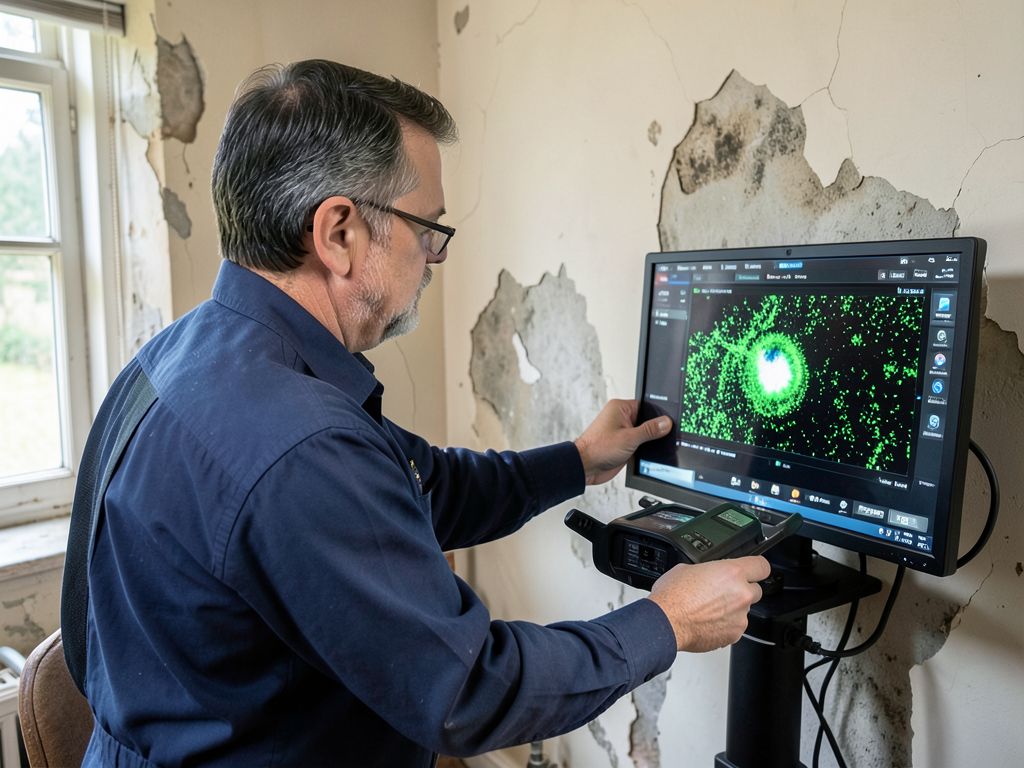
Why Your Broadmoor Home Needs a Specialized Drying Plan for Custom Plaster Walls When water infiltrates your Broadmoor home's custom plaster walls, standard drywall drying techniques can cause irreversible damage. The historic plaster walls common…

How to Stop Your Lake Forest Park Deck from Leaking into the Rooms Below If…

Why Your West Seattle Retaining Wall Could Be the Cause of Your Wet Basement \n\n…
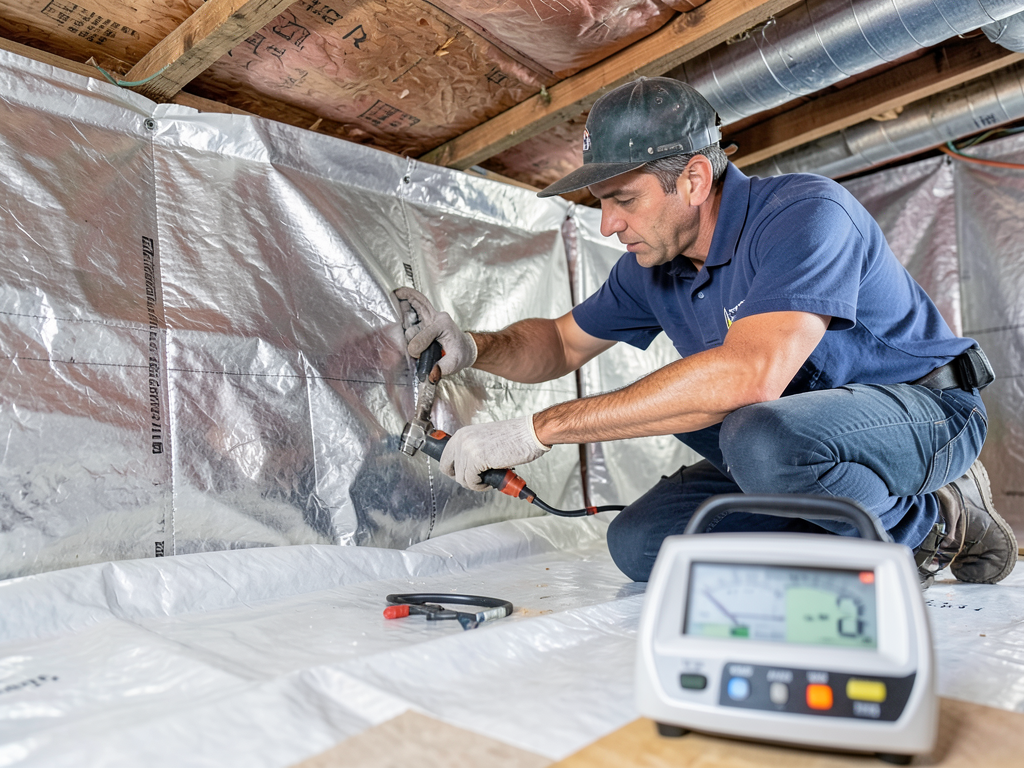
Fixing Moisture Problems in Your Mukilteo Home After a Heavy Fog Season Living near Puget…
Every minute you wait, water spreads deeper into your walls, floors, and belongings. Our crews are standing by 24/7 to respond to your Des Moines property immediately. Call (564) 220-5525 right now for emergency water extraction and complete restoration services.