
menu

Fire Sprinkler Water Cleanup in Seattle – 24/7 Emergency Response Within 60 Minutes

When your fire suppression system discharges unexpectedly, every minute counts. Our emergency sprinkler water removal teams are dispatched immediately across Seattle to stop secondary damage before it spreads.

Slider Image 1
Slider Image 2
Slider Image 3
Slider Image 4
Slider Image 5
Slider Image 7
Slider Image 8
Slider Image 9
Slider Image 10
Slider Image 11

Why Fire Sprinkler Discharges Cause Severe Water Damage in Seattle Buildings

A single fire sprinkler head releases 15 to 30 gallons of water per minute. In Seattle's older commercial buildings and apartment complexes, many constructed before modern water detection standards, an accidental sprinkler discharge can flood multiple floors before the system gets shut off.

Seattle's frequent seismic activity and aging infrastructure create unique risks. Building shifts can damage sprinkler pipes. Freezing temperatures in unheated warehouse spaces cause pipes to burst. Renovation work accidentally triggers heads. The result is the same: thousands of gallons flooding your property in minutes.

Fire sprinkler water damage restoration is different from typical flooding. The water sits under pressure in pipes for years, collecting rust, sediment, and biofilm. When it discharges, you are dealing with contaminated water that stains ceilings, warps floors, and creates microbial growth risks within 24 hours.

Seattle's high humidity compounds the problem. Moisture does not evaporate quickly here. Without immediate emergency sprinkler water removal, water migrates into wall cavities, insulation, and structural lumber. What starts as a visible ceiling stain becomes hidden mold colonization within 48 hours.

You need extraction, structural drying, and air quality control starting immediately. Waiting for business hours or a standard service appointment guarantees permanent damage to finishes, inventory, and building systems.

Why Fire Sprinkler Discharges Cause Severe Water Damage in Seattle Buildings
Our Fire Suppression System Water Extraction Process

Our Fire Suppression System Water Extraction Process

Burst fire sprinkler flood remediation requires different equipment and protocols than standard water damage work. We deploy truck-mounted extraction units capable of removing hundreds of gallons per minute. Portable extractors handle confined spaces and upper floors where vehicle access is limited.

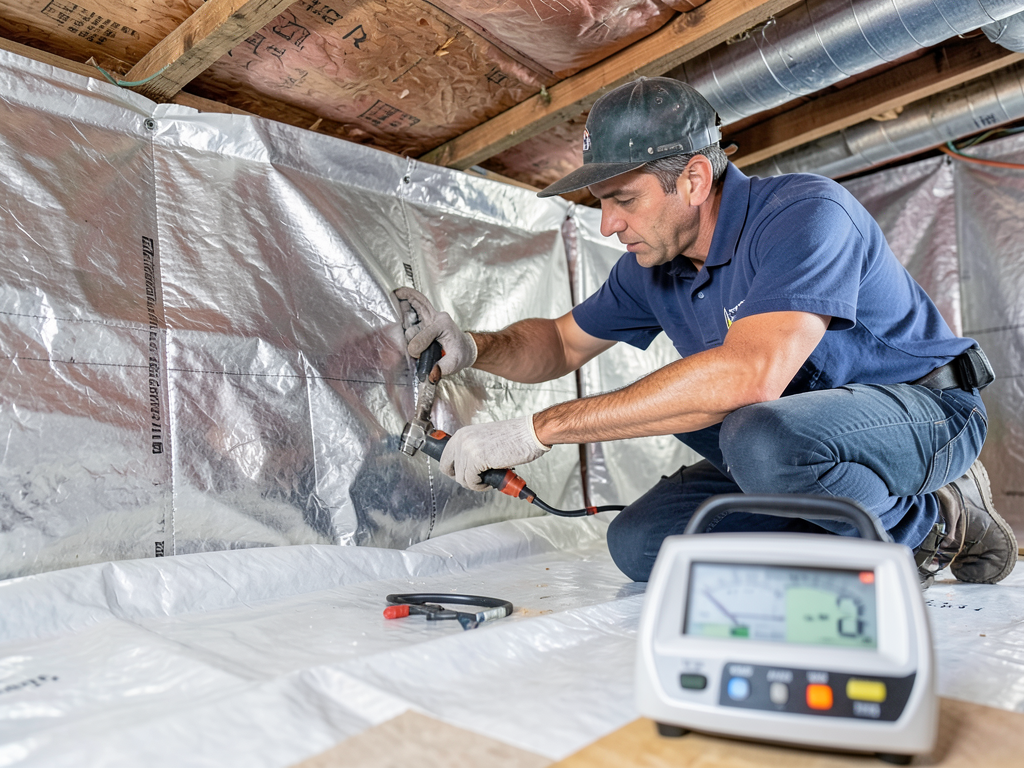
Our teams use thermal imaging cameras to map moisture intrusion behind walls and above ceilings. Sprinkler water often travels through ceiling plenums and down wall chases, creating damage far from the visible discharge point. We document the full extent before starting mitigation.

Accidental sprinkler discharge cleanup includes containment. We install vapor barriers to isolate affected areas and prevent airborne contaminants from spreading through HVAC systems. Commercial air scrubbers with HEPA filtration run continuously to capture particulates and control odor.

We use low-grain refrigerant dehumidifiers, not consumer-grade equipment. These units pull moisture from building materials at the molecular level, achieving structural drying in days instead of weeks. Axial air movers create laminar airflow across wet surfaces to accelerate evaporation without spreading contamination.

Documentation is critical for insurance claims. We photograph conditions before mitigation begins, log moisture readings at multiple depths using penetrating moisture meters, and track daily drying progress with thermal imaging reports. Your adjuster gets the evidence needed to approve the full scope of work.

Our fire sprinkler water damage restoration includes coordination with your sprinkler contractor. We do not restart building operations until the suppression system is inspected, repaired, and cleared by the fire marshal.

What Happens During Emergency Sprinkler Water Removal

Fire Sprinkler Water Cleanup in Seattle – 24/7 Emergency Response Within 60 Minutes
01

Immediate Water Extraction

Our crew arrives with truck-mounted pumps and portable extractors to remove standing water within the first hour. We prioritize high-value areas like server rooms and inventory storage. Extraction continues until all accessible water is removed from floors, carpets, and horizontal surfaces. We document pre-mitigation conditions with photos and moisture readings for your insurance claim.
02

Structural Drying Setup

After extraction, we position commercial dehumidifiers and air movers to create controlled drying conditions. Thermal imaging identifies hidden moisture in walls and ceilings. We remove wet insulation, drill weep holes for drainage, and monitor moisture levels twice daily. Air scrubbers run continuously to control airborne contaminants from the contaminated sprinkler water. This phase typically runs three to seven days depending on building materials.
03

Verification and Clearance

We do not consider the job complete until moisture readings return to normal ranges for Seattle's climate. Final thermal imaging scans verify no hidden moisture remains. We provide detailed documentation showing the building is dry and safe for reconstruction. If microbial growth developed during the discharge, we coordinate remediation before signing off. You receive a complete record for insurance, building management, and future reference.

Why Seattle Properties Need Specialists for Sprinkler System Flooding

Fire sprinkler water cleanup is not a standard water damage call. Most restoration companies lack the extraction capacity and structural drying knowledge to handle the volume and contamination level. A discharged sprinkler system in a Seattle office building can release thousands of gallons before someone shuts off the riser valve.

Evergreen Water Damage Restoration Seattle maintains equipment specifically for large-loss commercial water events. Our truck-mounted units extract at rates impossible with portable shop vacuums. We stock enough dehumidifiers and air movers to dry 50,000 square feet simultaneously.

Seattle's building codes require specific protocols for water damage in fire-rated assemblies. Drywall and insulation in rated walls must be handled differently than standard partition walls. We know which materials can be dried in place and which must be removed to maintain fire ratings. Incorrect restoration creates liability and code violations.

Our teams work directly with Seattle fire marshals and building inspectors. When sprinkler water damages fire alarm panels or emergency lighting, we coordinate temporary life safety measures while permanent repairs happen. We understand the inspection process and what documentation the city requires before issuing occupancy clearance.

We have relationships with every major commercial insurance carrier operating in Seattle. Your adjuster knows our documentation standards and trusts our scope assessments. This eliminates the back-and-forth delays that stall other restoration projects.

Most important, we operate 24 hours every day. Sprinkler discharges do not happen during business hours. Our crews are dispatched immediately, not scheduled for the next available appointment.

What to Expect When You Call for Emergency Sprinkler Water Removal

Response Time and Availability

We dispatch crews to Seattle properties within 60 minutes of your call, 24 hours a day. Our trucks carry extraction equipment, moisture detection tools, and initial drying equipment to start mitigation immediately. You do not wait for an estimate appointment or business hours. The clock starts the moment you call. For large commercial losses, we can have multiple crews on site within two hours. Weekend and holiday response carries no premium charges.

Initial Assessment and Documentation

Before we begin extraction, our project manager photographs all affected areas and maps the water intrusion with thermal imaging. We test moisture levels in floors, walls, and ceilings using penetrating and non-invasive meters. This baseline documentation protects you during the insurance claim process. We identify the source, estimate the volume discharged, and scope the full extent of damage including hidden moisture migration. You receive a detailed assessment report within 24 hours.

Drying and Restoration Results

Our goal is returning your building to pre-loss condition with zero lingering moisture or microbial contamination. We achieve structural drying in three to seven days for most Seattle commercial properties using commercial dehumidification and controlled airflow. Final moisture readings must match unaffected areas before we remove equipment. You get a completion report with thermal images, moisture logs, and clearance documentation. We do not leave the job site until building materials test dry and safe.

Insurance Coordination and Follow-Up

We bill your insurance company directly in most cases, eliminating upfront costs for large losses. Our documentation meets all carrier requirements for emergency mitigation coverage. We attend adjuster inspections, provide detailed scope justifications, and handle all claim paperwork. If reconstruction is needed after drying, we coordinate with your contractor to ensure proper sequencing. You receive copies of all reports, photos, and correspondence. We stay available for questions during the entire claim process.

Frequently Asked Questions

You Have Questions,
We Have Answers

Is fire sprinkler water clean? +

No. Fire sprinkler water sits stagnant in pipes for months or years, collecting rust, bacteria, biofilm, and sediment. When the system activates, this contaminated water floods your property. The longer the water sits idle, the worse it gets. In Seattle's older buildings, pipes corrode faster due to moisture in the air. This black water poses health risks and damages floors, walls, and belongings. You need immediate extraction and antimicrobial treatment. Do not touch contaminated materials without gloves. Call a certified water damage restoration team within the first hour to prevent mold growth and secondary damage.

What is the 3 times rule for fire sprinklers? +

The three times rule states you must maintain three times the distance between a sprinkler head and any obstruction. For example, if a sprinkler head is 12 inches from the ceiling, keep objects at least 36 inches away. This ensures the spray pattern covers the fire zone without interference. Warehouses, commercial kitchens, and storage facilities in Seattle often violate this rule during renovations or inventory changes. Blocked sprinklers fail to suppress fires and cause unnecessary water damage to unaffected areas. Check your clearances quarterly. Move shelving, lighting, or stored goods that encroach on this zone.

How often do sprinkler systems need to be flushed? +

Commercial fire sprinkler systems require quarterly flushing in high-sediment areas and annual flushing for most facilities. Seattle's iron-rich water supply accelerates sediment buildup, especially in older pipes. Flushing removes debris that clogs nozzles and reduces flow pressure. Neglected systems discharge dirty water when activated, worsening contamination during an emergency. Schedule maintenance with a licensed fire protection contractor. If your system activates and releases black water, you need both system inspection and immediate water damage cleanup. Stagnant water breeds bacteria. Flush lines regularly to protect your property and health.

How to drain water from a fire sprinkler system? +

Draining a fire sprinkler system requires shutting the main water supply, opening drain valves at the system's lowest point, and relieving air pressure through test valves. Only licensed fire protection technicians should perform this work. Seattle building codes mandate specific procedures to prevent backflow and contamination. Improper draining damages pipes, leaves residual water that breeds bacteria, or creates air pockets that prevent reactivation. After a sprinkler discharge, you need both system drainage and water extraction from affected areas. Standing water penetrates subfloors and drywall within hours. Call professionals immediately to prevent structural damage.

Why does fire sprinkler water smell bad? +

Fire sprinkler water smells like rotten eggs or sewage because stagnant water breeds anaerobic bacteria that produce hydrogen sulfide gas. Rust, biofilm, and decomposing organic matter add to the stench. Seattle's damp climate accelerates bacterial growth inside idle pipes. When sprinklers activate, this foul water saturates carpets, drywall, and insulation. The odor intensifies as materials absorb contaminated water. You cannot mask this smell with air fresheners. You need extraction, antimicrobial treatment, and deodorization. Contaminated materials often require removal. The longer water sits, the worse the smell and health risk. Act within 24 hours.

How long does it take to get 1 inch of water from a sprinkler? +

This question refers to irrigation sprinklers, not fire suppression systems. Fire sprinklers discharge 15 to 40 gallons per minute per head, flooding spaces in seconds, not the slow drip of lawn irrigation. When a fire sprinkler activates in your Seattle property, you face rapid water accumulation that damages floors, electronics, and inventory within minutes. One sprinkler head can release hundreds of gallons before shutoff. You need immediate water extraction and drying to prevent mold, warping, and electrical hazards. Do not wait. Call a 24-hour emergency restoration team to minimize loss and start insurance documentation.

What is the 18 rule for fire sprinklers? +

The 18-inch rule requires maintaining 18 inches of clearance between sprinkler heads and the top of stored materials or obstructions. This ensures adequate spray coverage and fire suppression. Violating this rule in Seattle warehouses, retail spaces, or storage units reduces system effectiveness and spreads water damage to unprotected zones. Stacked inventory, temporary partitions, or suspended decorations often block spray patterns. Inspect your space monthly. If a blocked sprinkler activates during a fire, you face both fire damage and excessive water intrusion. Keep clearances marked and enforce them during restocking or remodeling.

How often do fire sprinklers need to be checked? +

Fire sprinklers require monthly visual inspections, quarterly alarm tests, annual full system inspections, and five-year internal pipe assessments per NFPA 25 standards. Seattle's municipal code enforces these timelines for commercial properties. Inspections catch corrosion, leaks, and valve malfunctions before they cause catastrophic failure or accidental discharge. Neglected systems fail during fires or activate without cause, flooding your property with contaminated water. Missing inspections violates your insurance policy and building occupancy permits. Schedule certified inspections through a licensed fire protection company. If your system discharges unexpectedly, you need both repair and immediate water damage restoration.

How many gallons of water per minute does a home fire sprinkler use to put out a fire? +

Residential fire sprinklers discharge 13 to 20 gallons per minute per head, designed to control flames until firefighters arrive. Commercial systems release 15 to 40 gallons per minute depending on hazard classification. A single activated head dumps hundreds of gallons in minutes, saturating floors, ceilings, and belongings. In Seattle homes and businesses, this rapid water release requires immediate extraction to prevent mold growth in walls and subfloors. Water migrates quickly through multi-story buildings. You have 24 to 48 hours before permanent damage occurs. Call emergency restoration teams who respond within one hour.

What is the life expectancy of a fire sprinkler system? +

Fire sprinkler systems last 50 to 100 years with proper maintenance, but pipes corrode faster in Seattle's humid climate. Galvanized steel pipes fail in 30 to 50 years due to rust and sediment buildup. Copper and CPVC systems last longer but still require inspections. Aging systems leak, discharge accidentally, or release heavily contaminated water during activation. If your building is over 40 years old, schedule internal pipe inspections. When older systems activate, expect black water full of rust and bacteria. You need immediate professional water extraction, antimicrobial treatment, and structural drying to protect your property and health.

Why Seattle's Building Age Makes Sprinkler Discharges More Damaging

Seattle has thousands of commercial and residential buildings constructed between 1950 and 1990, before modern fire suppression system standards. These older wet pipe systems use galvanized steel that corrodes over time. Sediment and rust accumulate in the pipes for decades. When a head discharges accidentally, the water is dark brown or black and carries particulates that stain porous materials permanently. These buildings also lack the water detection systems common in newer construction, so discharges continue longer before discovery. The combination of contaminated water and delayed shutoff creates restoration challenges unique to Seattle's aging building stock.

Seattle's frequent seismic activity requires specialized knowledge during fire sprinkler water damage restoration. Building shifts from minor earthquakes can crack sprinkler pipes or loosen fittings, causing leaks months after the initial event. Local restoration contractors understand how to assess earthquake-related damage and document it for insurance purposes. We work with Seattle structural engineers when necessary to verify that water damage has not compromised seismic retrofits or unreinforced masonry. This local expertise prevents missed damage and ensures your building remains code-compliant after restoration.


Water Damage Restoration Services in The Seattle Area

Evergreen proudly serves Seattle and its surrounding communities with professional water damage restoration you can count on. Whether you’re downtown, in the suburbs, or nearby, our responsive team is just a call away. View our service area on the map to see if we’re available in your neighborhood. We’re committed to helping local homeowners and businesses recover fast—so if you need help, we’ll come to you. Use the map below to locate our base or service radius and reach out anytime.

Address:
Evergreen Water Damage Restoration Seattle, 600 Stewart St, Seattle, WA, 98101

Additional Services We Offer

Our news updates

Latest Articles & News from The Blogs

How to Stop Your Lake Forest Park Deck from Leaking into the Rooms Below If water from your deck seeps…

How to Stop Your Lake Forest Park Deck from Leaking into the Rooms Below

How to Stop Your Lake Forest Park Deck from Leaking into the Rooms Below If water from your deck seeps…

Why Your West Seattle Retaining Wall Could Be the Cause of Your Wet Basement

Why Your West Seattle Retaining Wall Could Be the Cause of Your Wet Basement \n\n West Seattle’s dramatic topography of…

Fixing Moisture Problems in Your Mukilteo Home After a Heavy Fog Season

Fixing Moisture Problems in Your Mukilteo Home After a Heavy Fog Season Living near Puget Sound means dealing with persistent…

Contact Us

Every hour of delay allows water to spread deeper into your building. Call Evergreen Water Damage Restoration Seattle at (564) 220-5525 right now for emergency dispatch. Our crews are standing by with equipment ready to start extraction and drying immediately.