
menu

Retail Store Water Cleanup in Seattle | Minimize Downtime and Protect Your Revenue Stream

Evergreen Water Damage Restoration Seattle provides rapid commercial retail water extraction and store flood cleanup services engineered to restore operations, preserve inventory, and meet Seattle's commercial building codes without extended business interruption.

Slider Image 1
Slider Image 2
Slider Image 3
Slider Image 4
Slider Image 5
Slider Image 7
Slider Image 8
Slider Image 9
Slider Image 10
Slider Image 11

Why Retail Water Events Cost More Than Just Property Damage

A burst pipe in your Pike Place Market storefront or a roof leak in your Capitol Hill boutique does more than soak carpet. Every hour your retail space stays closed, you lose sales, foot traffic, and customer confidence. Seattle's consistent rainfall and aging commercial infrastructure create compounding risks for shop water damage mitigation failures.

Retail water damage restoration demands a different approach than residential work. You face inventory loss, point-of-sale system damage, contaminated product liability, and lease compliance issues. If water reaches your stockroom, you risk total product write-offs. If it saturates drywall behind fixtures, mold colonizes within 48 hours, triggering health department scrutiny and potential code violations.

Seattle's commercial districts see frequent water events from second-story restroom supply line failures, HVAC condensate overflow, and sidewalk-level storm drain backups during heavy precipitation. Pioneer Square's historic buildings face additional complications from outdated plumbing and foundation seepage. When water intrudes, the clock starts on business interruption costs that quickly exceed the physical damage itself.

Commercial retail water extraction requires industrial-grade equipment, liability documentation, and coordination with your insurance adjuster, landlord, and potentially the Seattle Department of Construction and Inspections. The work must happen fast, but it must also be defensible if disputes arise. Store flood cleanup services for retail spaces balance speed with thorough moisture mapping, salvage documentation, and code-compliant drying protocols that protect both your operation and your lease obligations.

Why Retail Water Events Cost More Than Just Property Damage
How Professional Retail Store Water Cleanup Protects Business Continuity

How Professional Retail Store Water Cleanup Protects Business Continuity

Effective retail water remediation begins with rapid water classification and category assessment. We determine whether you are dealing with clean water from a supply line, gray water from an HVAC system, or black water from a sewer backup. This classification dictates disposal requirements, safety protocols, and insurance documentation.

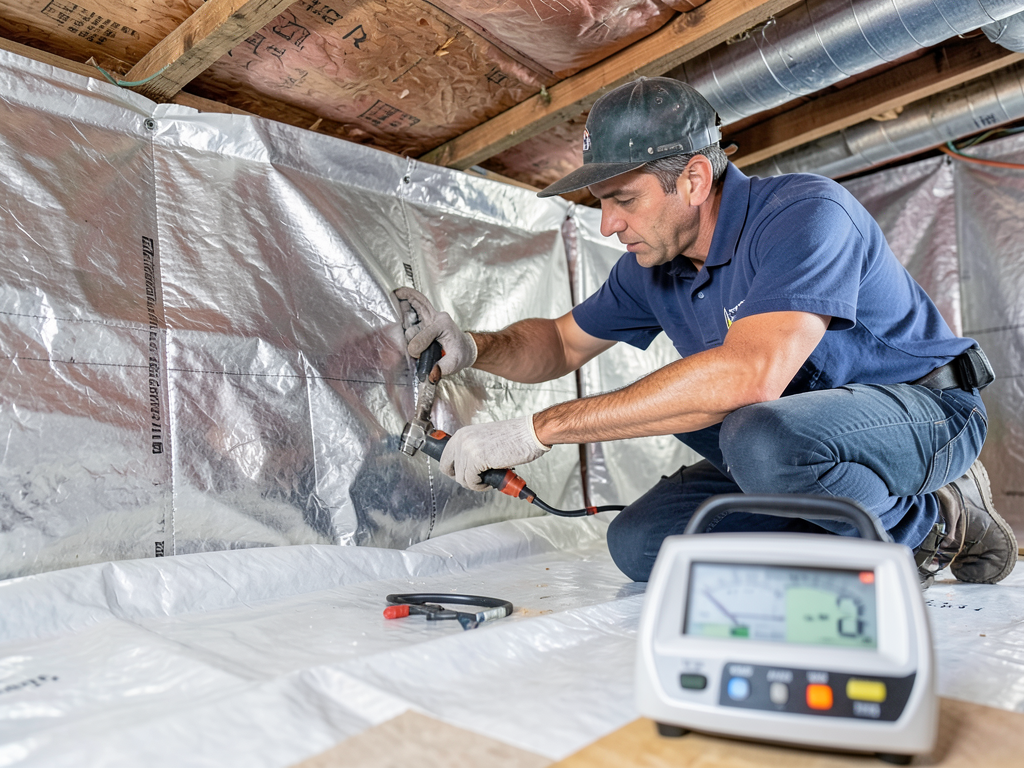
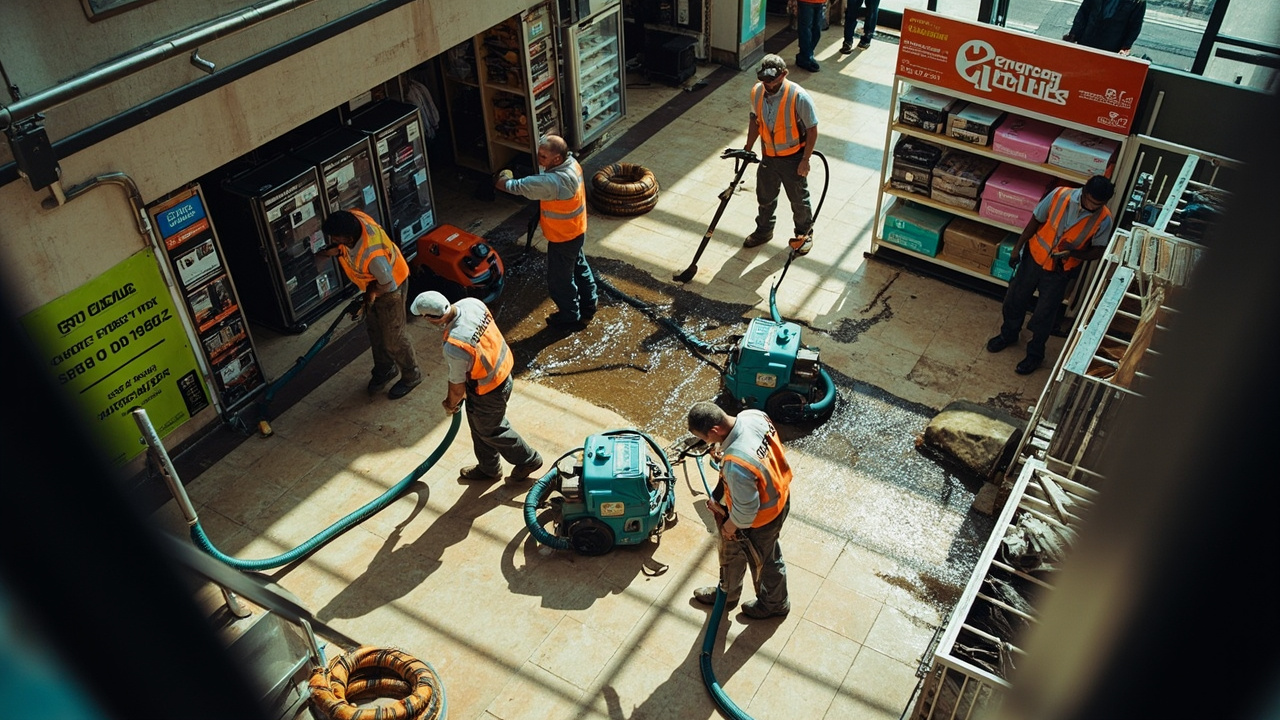
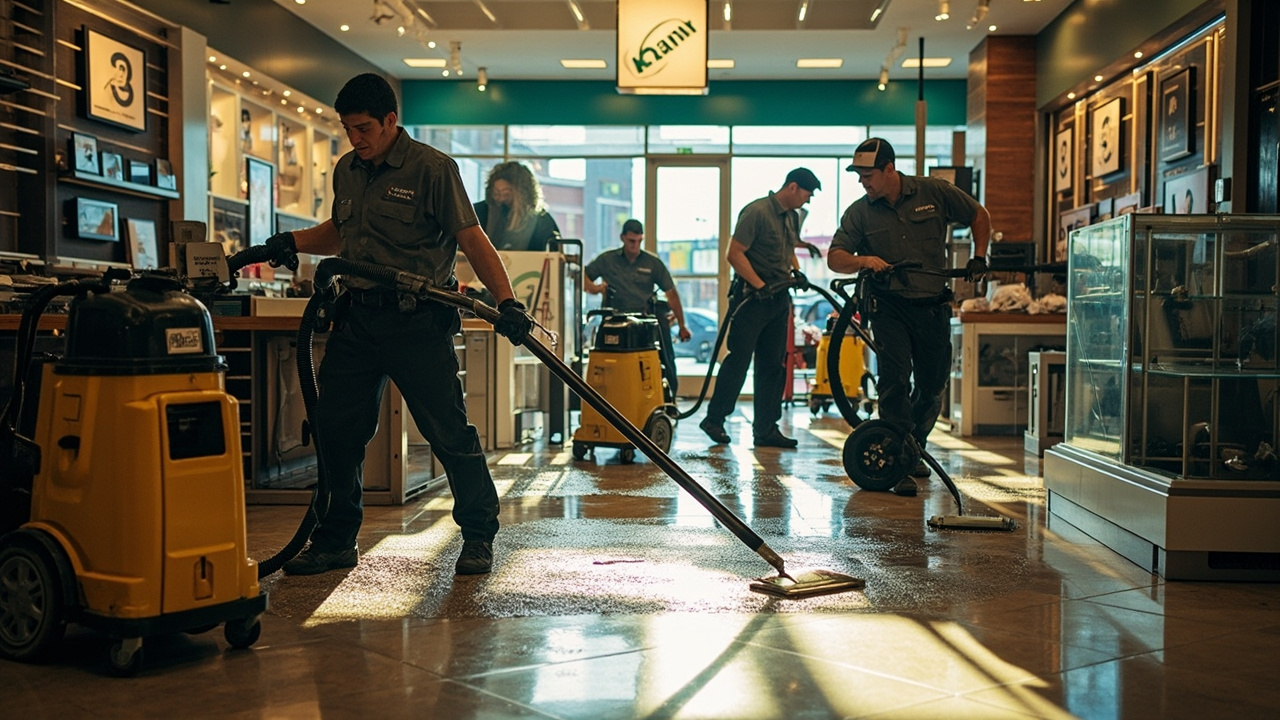
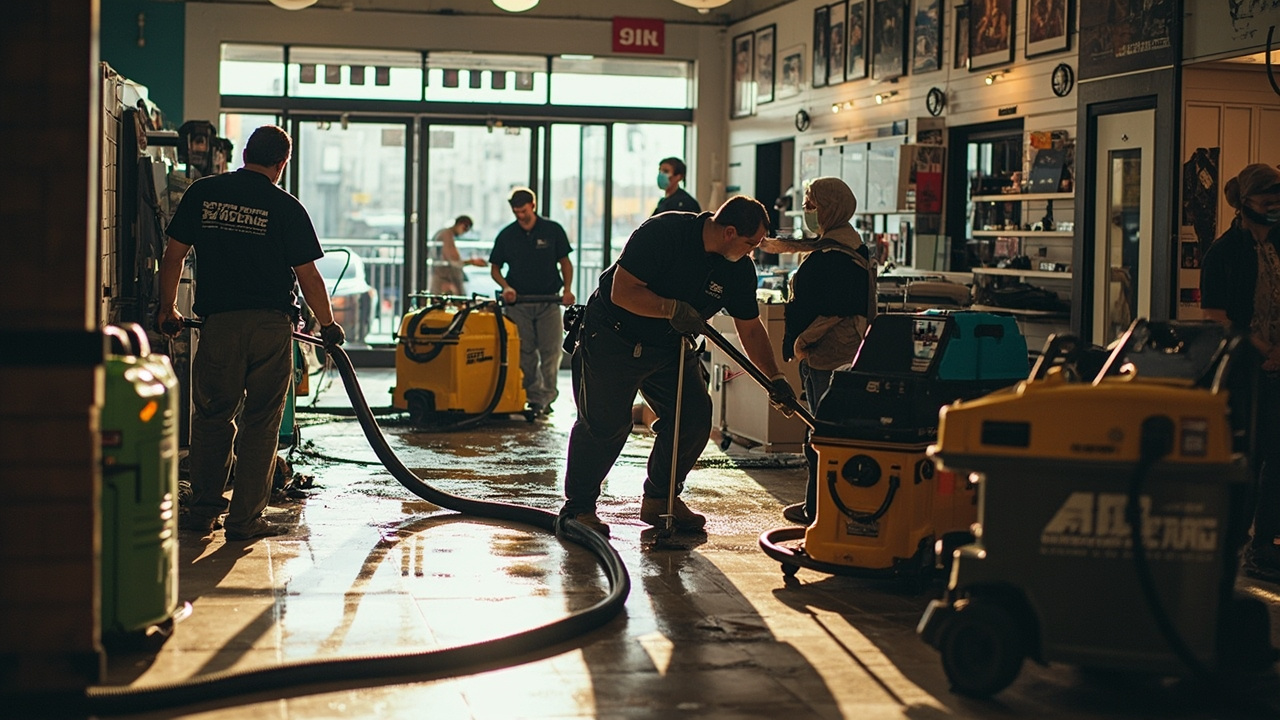
Our commercial retail water extraction process uses truck-mounted extractors capable of removing hundreds of gallons per hour. We prioritize high-traffic zones and areas where inventory sits, then move to structural cavities. Thermal imaging identifies trapped moisture in walls, under flooring, and within display fixtures that standard moisture meters miss. This prevents secondary damage that emerges weeks later when you think the problem is solved.

We deploy commercial-grade air movers and low-grain refrigerant dehumidifiers to create negative pressure drying environments. This approach pulls moisture from materials rather than just moving air around. We monitor daily with psychrometric readings to ensure drying progresses according to IICRC S500 standards, which Seattle commercial insurers require for claim approval.

Retail environments need specialized attention to electronics, point-of-sale systems, and customer-facing finishes. We coordinate with your IT vendor to protect servers and terminals. We section off affected areas with poly barriers to allow partial operations during remediation. For stores with 24-hour access requirements, we schedule work in phases that minimize customer disruption.

Documentation throughout the shop water damage mitigation process includes photo logs, moisture readings, equipment placement maps, and daily progress reports. This documentation satisfies insurance requirements, protects against liability claims, and provides evidence of due diligence if disputes arise with landlords or health inspectors. The goal is full operational restoration with zero compliance gaps.

What Happens During Commercial Store Water Extraction

Retail Store Water Cleanup in Seattle | Minimize Downtime and Protect Your Revenue Stream
01

Emergency Assessment and Containment

We arrive within two hours of your call to identify the water source, shut off supply lines if needed, and establish containment zones. Our team photographs all damage, creates an initial moisture map using thermal imaging, and prioritizes extraction in areas where inventory or customer access is critical. We coordinate with building management to address structural concerns and ensure safe working conditions before full-scale extraction begins.
02

Water Removal and Drying Setup

Industrial extractors remove standing water from all affected surfaces. We pull up saturated flooring, remove baseboards, and create drying chambers using air movers and dehumidifiers. Moisture meters track saturation levels in walls, subflooring, and fixtures every 12 hours. Equipment runs continuously with technicians monitoring conditions to prevent over-drying or mold growth. We adjust airflow and dehumidification based on real-time psychrometric data to meet IICRC drying standards.
03

Verification and Operational Handoff

Once all materials reach acceptable moisture content, we conduct final inspections and provide moisture certification documentation. We coordinate with your contractors for any necessary reconstruction, ensure all equipment is removed, and deliver a complete file with photos, readings, and compliance records. Your insurance adjuster receives a detailed loss summary. We confirm your space meets Seattle commercial occupancy standards before you reopen, protecting you from future liability or code enforcement actions.

Why Seattle Retailers Trust Local Water Damage Specialists

Retail water emergencies require teams that understand Seattle's commercial landscape. We know which buildings in the University District have recurring plumbing issues. We understand how Fremont's older retail blocks handle drainage. We have worked with landlords throughout Ballard and know which property managers require specific documentation formats for lease compliance.

Local expertise matters when coordinating with Seattle Department of Construction and Inspections. We know which water damage scenarios trigger mandatory inspections and how to prepare documentation that satisfies city requirements. We understand Washington State's commercial property codes and can identify when structural drying exposes code violations that need remediation before you reopen.

Our relationships with Seattle commercial insurers streamline the claims process. We provide estimates in formats adjusters recognize and include line items that match policy language. This reduces disputes and speeds approval. We have worked with every major commercial carrier operating in King County and know how to document losses in ways that protect your interests.

Seattle's retail corridors demand fast response times. We stage equipment throughout the metro area to reach any location within two hours. Our crews work overnight and on weekends to minimize lost business days. We understand that a three-day closure in a high-traffic retail zone can cost more than the water damage itself, so we structure work schedules around your operational needs.

Evergreen Water Damage Restoration Seattle maintains commercial liability coverage and workers' compensation insurance that meets Seattle's commercial contractor requirements. We carry the capacity to handle multi-unit retail complexes and the flexibility to work within your lease restrictions. Our technicians hold IICRC certifications in commercial drying and understand the difference between residential mitigation and the liability-focused approach retail spaces demand.

What to Expect from Professional Store Flood Cleanup

Response Time and Availability

We dispatch teams to Seattle retail locations within two hours of contact, 24 hours per day. Water damage does not wait for business hours, and neither do we. Our crews carry commercial-grade extraction equipment, moisture detection tools, and containment materials on every truck. We begin mitigation immediately upon arrival, stopping further damage while we complete the full assessment. For multi-location retailers, we can deploy multiple crews simultaneously to address water events across several stores. Emergency response includes coordination with your property manager, alarm company, and insurance carrier to ensure all stakeholders receive immediate notification and documentation.

Initial Damage Assessment

Our assessment process combines visual inspection with thermal imaging and moisture metering to map all affected areas. We document water category, contamination level, and structural penetration depth. You receive a written scope of work that identifies salvageable materials, necessary demolition, and estimated drying time. We photograph all damage and create floor plans showing moisture distribution. This documentation supports your insurance claim and protects against future disputes. The assessment includes air quality sampling if mold or sewage contamination is present, ensuring compliance with Washington State health regulations. We also identify any pre-existing conditions that may complicate the claim, giving you transparency before work begins.

Restoration Outcomes

Complete store flood cleanup services return your retail space to pre-loss condition with verified moisture levels that prevent future mold growth. You receive certification documentation showing all materials meet IICRC drying standards. We coordinate with your contractors for any reconstruction needed, ensuring seamless transitions between mitigation and repair phases. Final deliverables include a comprehensive project file with before and after photos, daily moisture logs, equipment placement records, and compliance certifications. This file satisfies insurance requirements and provides legal protection if questions arise later. We confirm your space meets Seattle commercial occupancy codes before you reopen, eliminating risks of delayed inspections or compliance failures.

Post-Restoration Support

After completing retail water remediation, we provide follow-up moisture checks at 30 and 60 days to confirm no hidden moisture remains. You receive recommendations for preventing future water events, including maintenance protocols for high-risk building systems. We maintain records of all work performed and remain available if insurance questions arise during claim settlement. For retailers with multiple locations, we can establish preventive maintenance agreements that include regular inspections of vulnerable areas like restrooms, stockrooms, and HVAC systems. Our goal is to prevent the next water event, not just fix the current one. We also provide staff training on early detection signs, helping your team identify leaks before they become disasters.

Frequently Asked Questions

You Have Questions,
We Have Answers

Who is the alternative to ServPro? +

Seattle retail operators have multiple options for water damage restoration beyond national franchises. Local independent firms often provide faster response times and understand Pacific Northwest-specific challenges like persistent moisture and mold growth from marine air. When evaluating alternatives, verify the company maintains IICRC certification, carries full commercial liability coverage, and operates extraction and drying equipment 24/7. Ask about their experience with Seattle commercial building codes and coordination with insurance adjusters. Independent providers frequently offer more flexible billing and direct communication with project managers, reducing business interruption during restoration.

Is water remediation covered by insurance? +

Commercial property policies typically cover sudden and accidental water damage, including burst pipes, roof leaks, and sprinkler malfunctions. Insurance will not cover damage from deferred maintenance, gradual leaks, or flood events without separate flood coverage. Seattle retail spaces face coverage complications with seismic damage or sewer backups, which require specific endorsements. Document all damage immediately with photos and preserve damaged inventory for adjuster inspection. Your restoration contractor should provide detailed scope documentation and moisture readings that support your claim. Review your policy's business interruption clause, as it may cover lost revenue during cleanup.

How to clean up large amounts of water? +

Large-scale water extraction requires commercial-grade equipment deployed immediately to prevent structural damage and mold colonization. Truck-mounted extractors remove standing water faster than portable units. After extraction, air movers and commercial dehumidifiers create controlled drying environments, which is critical in Seattle's humid climate where ambient moisture slows evaporation. Retail spaces need strategic equipment placement to maintain customer access and protect inventory. Technicians should document moisture levels in walls, subfloors, and fixtures using thermal imaging and hygrometers. The process typically takes three to seven days depending on water volume, building materials, and ventilation capacity.

What does ServPro actually do? +

SERVPRO operates as a national franchise providing water damage restoration, fire cleanup, and mold remediation. Technicians extract standing water, deploy drying equipment, and remove damaged materials. The franchise model means service quality and response times vary by location and individual franchise ownership. SERVPRO follows IICRC standards for water damage restoration and maintains relationships with major insurance carriers. For Seattle retail operators, franchise limitations can include slower response during peak demand periods and standardized pricing that may not account for local market conditions or building-specific complications common in older Seattle commercial structures.

Which is better, Servicemaster or SERVPRO? +

Both operate as national franchise networks with similar service offerings and IICRC-certified technicians. ServiceMaster operates multiple brands including ServiceMaster Restore, while SERVPRO maintains single-brand consistency. Performance depends on individual franchise ownership rather than corporate brand. Seattle retail owners should evaluate specific franchises based on local response time, commercial experience, and equipment inventory. Independent local firms often outperform both franchises in responsiveness and flexibility for commercial accounts. Request references from other Seattle retail operators, verify the franchise maintains adequate commercial liability coverage, and confirm they stock commercial-grade extraction and drying equipment on-site, not at regional hubs.

Has SERVPRO ever been sued? +

SERVPRO franchises and the corporate entity have faced litigation over the years, including franchise disputes, employment matters, and customer complaints related to service quality or billing. This is common for large franchise systems operating thousands of locations. Litigation history against a franchise network should not be your primary decision factor. Focus on the specific franchise serving Seattle, reviewing their Better Business Bureau rating, state contractor license status, and liability insurance coverage. Request customer references from other Seattle commercial properties. Verify the franchise maintains workers compensation insurance and general liability coverage adequate for your retail space value and inventory.

What kind of water damage is not covered by insurance? +

Policies exclude damage from maintenance neglect, gradual leaks, seepage, and earth movement. Flood damage requires separate NFIP or private flood insurance, which is critical for Seattle retail spaces near Elliott Bay, Lake Union, or below-grade locations. Sewer backups need specific endorsements. Mold remediation faces coverage limits if growth resulted from unaddressed moisture issues. Policies will not cover cosmetic damage or building code upgrades required during repairs unless you carry ordinance or law coverage. Seattle's older commercial buildings often need seismic retrofits during restoration, which standard policies exclude. Document all maintenance and address leaks immediately to preserve coverage.

How to dry out walls after a water leak? +

Professional drying requires removing baseboards and drilling small weep holes at wall bases to allow airflow into cavities. Commercial air movers force air circulation while dehumidifiers extract moisture from the environment. Technicians monitor moisture levels in drywall and studs using penetrating moisture meters until readings reach acceptable levels, typically below 15 percent. Seattle's marine climate demands aggressive dehumidification as ambient humidity slows natural evaporation. Insulated walls or those with vapor barriers dry slower and may require selective demolition. Drying typically takes four to seven days. Premature reconstruction traps moisture and guarantees mold growth within wall cavities.

Is toilet water category 3? +

Yes. Toilet water is always Category 3, classified as grossly contaminated and carrying pathogens. This includes toilet overflows from the bowl itself, even if the water appears clear. Category 3 water requires full PPE during extraction, antimicrobial treatment of affected surfaces, and disposal of porous materials like drywall and insulation that absorbed contamination. Seattle health codes mandate specific protocols for Category 3 cleanup in retail spaces where public access occurs. Insurance adjusters require documentation proving Category 3 protocols were followed. Never attempt DIY cleanup of toilet overflows in commercial spaces. Contamination spreads rapidly through flooring systems and creates liability exposure.

What soaks up water quickly? +

Commercial water extraction relies on truck-mounted vacuum systems and portable extractors, not absorbent materials. For immediate emergency response before technicians arrive, commercial-grade absorbent pads and granular absorbents like diatomaceous earth contain spreading water around inventory or electronics. Standard towels and mops are ineffective for large volumes. Weighted squeegees push water toward floor drains or extraction points. The priority is removing water before it migrates into walls, under flooring, or into stockrooms. Seattle retail spaces with concrete floors allow faster extraction than wood subfloors, which absorb water rapidly and require subfloor drying systems to prevent structural damage and mold growth.

How Seattle's Wet Climate Amplifies Retail Water Damage Risks

Seattle receives an average of 38 inches of rain annually, with persistent drizzle from October through May creating chronic moisture stress on commercial building envelopes. Retail spaces in the downtown core, Capitol Hill, and Fremont face elevated risks from aging roof membranes, sidewalk-level storm drain backups, and foundation seepage. Many of the city's commercial retail buildings date to the early 1900s and lack modern waterproofing. When prolonged rain saturates soil around these structures, hydrostatic pressure forces groundwater through basement walls and under slab foundations. Combined with Seattle's temperate climate that keeps buildings in the ideal mold growth temperature range year-round, any water intrusion becomes a race against colonization. Retail store water cleanup in this environment requires aggressive drying protocols that account for constant ambient humidity and limited natural ventilation in densely built commercial districts.

Seattle's commercial building codes require specific moisture mitigation procedures for retail spaces, particularly in mixed-use buildings where residential units sit above street-level stores. The city's Department of Construction and Inspections mandates documentation of all water damage remediation work in commercial structures, and failure to follow IICRC protocols can result in occupancy permit revocation. Local commercial insurers in King County require certified drying logs and thermal imaging documentation for claims approval, reflecting Seattle's history of mold litigation in commercial properties. Working with a local provider who understands these requirements protects retailers from compliance gaps that surface months after the water event, when insurance coverage has lapsed and lease disputes emerge. Seattle's tight-knit commercial real estate community means your reputation depends on handling water events professionally and transparently.

Water Damage Restoration Services in The Seattle Area

Evergreen proudly serves Seattle and its surrounding communities with professional water damage restoration you can count on. Whether you’re downtown, in the suburbs, or nearby, our responsive team is just a call away. View our service area on the map to see if we’re available in your neighborhood. We’re committed to helping local homeowners and businesses recover fast—so if you need help, we’ll come to you. Use the map below to locate our base or service radius and reach out anytime.

Address:
Evergreen Water Damage Restoration Seattle, 600 Stewart St, Seattle, WA, 98101

Additional Services We Offer

Our news updates

Latest Articles & News from The Blogs

Emergency Mold Remediation for Busy Families in the Hillman City Neighborhood Mold can spread through a Hillman City home in…

Emergency Mold Remediation for Busy Families in the Hillman City Neighborhood

Emergency Mold Remediation for Busy Families in the Hillman City Neighborhood Mold can spread through a Hillman City home in…

What to Do When a Skylight Leak Ruins the Ceiling in Your Washington Park Home

What to Do When a Skylight Leak Ruins the Ceiling in Your Washington Park Home A skylight leak in your…

Professional Sewage Cleanup for Matthews Beach Homes Near the Lake

Professional Sewage Cleanup for Matthews Beach Homes Near the Lake Matthews Beach homes near Lake Washington face unique sewage backup…

Contact Us

Every hour your store stays closed costs revenue you cannot recover. Call Evergreen Water Damage Restoration Seattle at (564) 220-5525 for immediate commercial water extraction. We respond within two hours and work around your schedule to minimize business interruption.