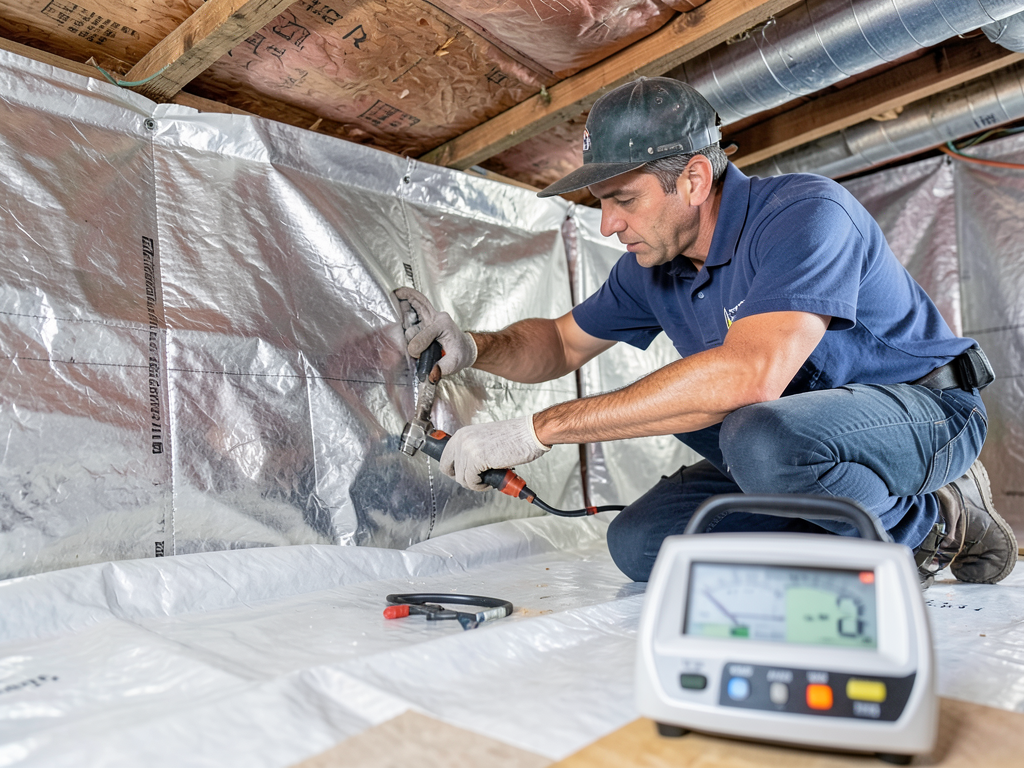



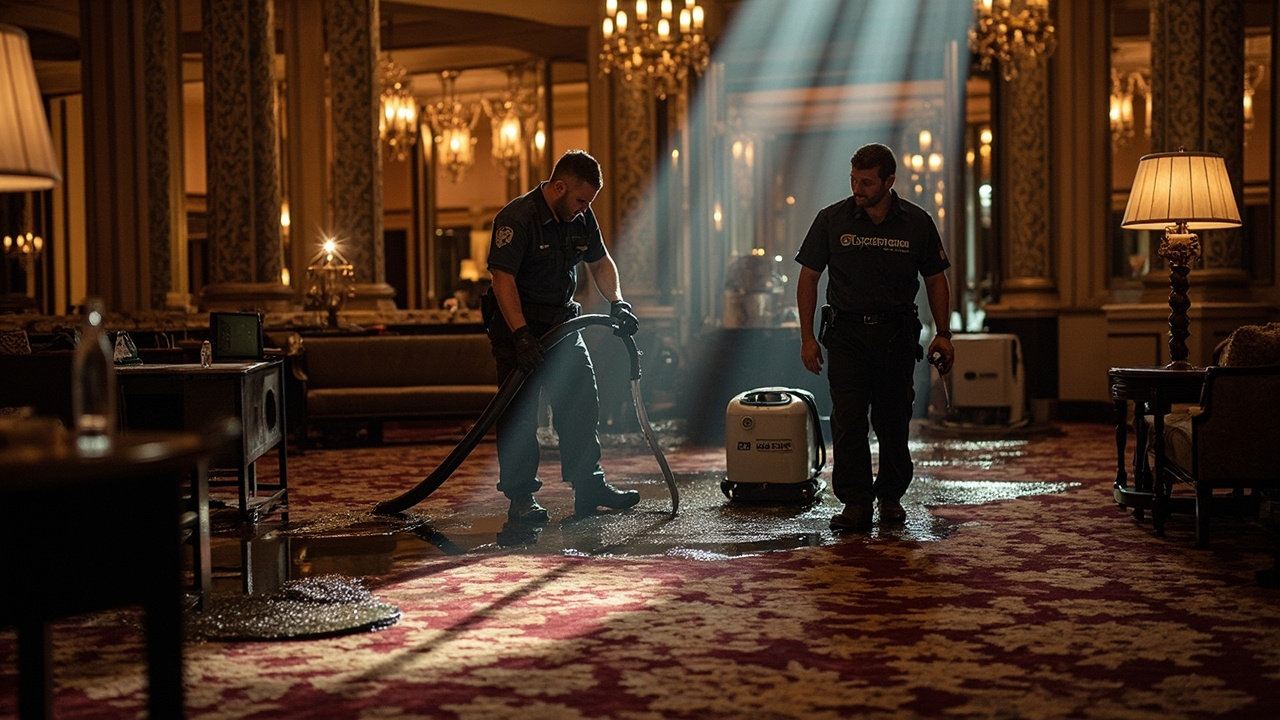
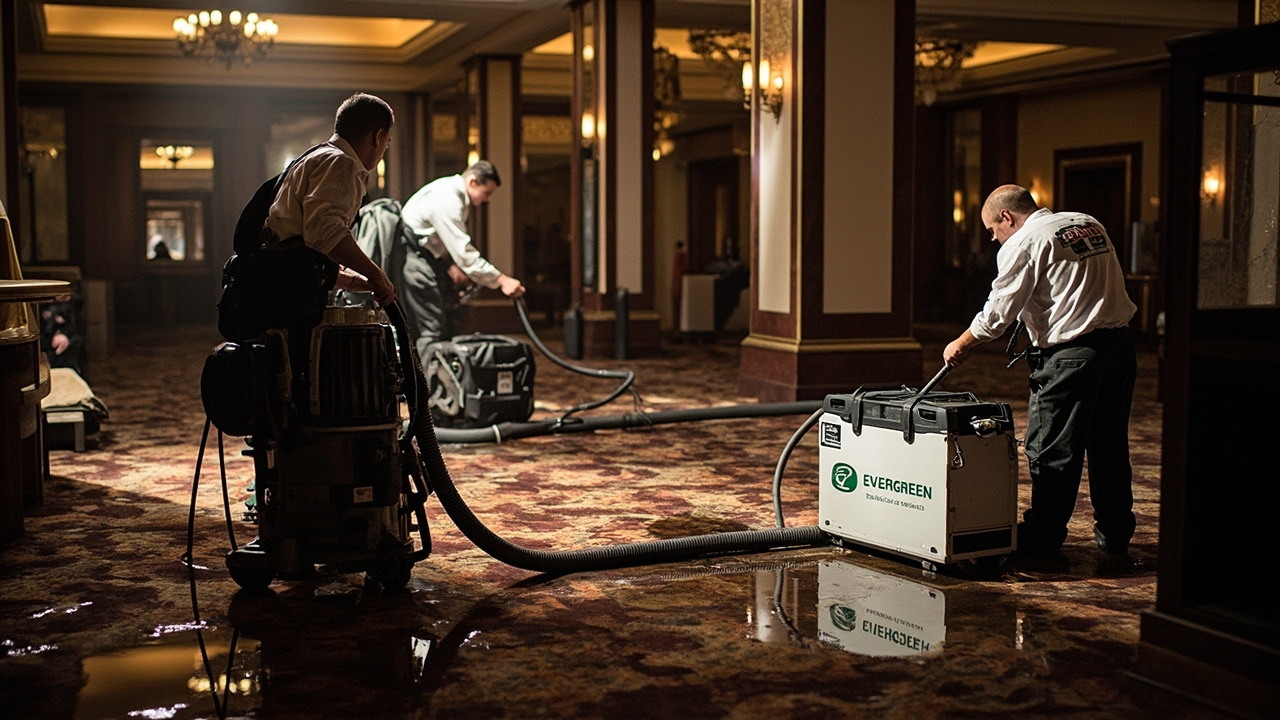

Seattle's average relative humidity of 73 percent creates drying conditions fundamentally different from interior or arid markets. Water evaporation from saturated materials depends on vapor pressure differential between the material and surrounding air. High ambient humidity reduces this differential, slowing natural evaporation to a crawl. Without aggressive mechanical dehumidification that drops air humidity below 40 percent, hotel water damage restoration in Seattle takes twice as long as identical projects in Denver or Phoenix. The prolonged drying window increases mold risk and extends revenue loss from offline rooms. Commercial dehumidifiers must run continuously until moisture meters confirm complete drying, not just until carpets feel dry underfoot.
Seattle's commercial construction codes require specific ventilation rates for hospitality occupancies under IMC Section 403. These ventilation requirements introduce continuous outdoor air into your HVAC system, which during wet months means introducing humid air that opposes drying efforts. Effective hotel emergency water extraction requires temporary modification of ventilation rates in contained areas, balanced against maintaining code-compliant air changes for occupied spaces. Contractors unfamiliar with Seattle's marine climate often underestimate equipment capacity needs or removal timelines, leading to premature equipment withdrawal and subsequent mold growth that doubles remediation duration. Local expertise is not a convenience for hospitality flood remediation in the Pacific Northwest. It is a necessity that determines project success.