



Sammamish sits on the Sammamish Plateau between Lake Sammamish and Lake Washington, creating a moisture-rich environment that amplifies water damage risks. Heavy winter rains from November through March saturate the region's clay-heavy soils, increasing hydrostatic pressure against basement walls and foundations. Properties in lower-lying areas near Beaver Lake, Pine Lake, and along East Lake Sammamish Trail face seasonal flooding from runoff and rising water tables.
The area's many split-level and daylight basement homes, popular in neighborhoods like Sahalee and Trossachs, create additional vulnerability. Water enters through foundation cracks, window wells, and below-grade entry points. Sammamish's mature tree canopy, while beautiful, means root intrusion into sewer lines and storm drains, causing backups during heavy rainfall. Ice dams form on north-facing roofs during occasional freeze events, sending meltwater under shingles and into attics.
Many Sammamish homes were built in the 1990s and early 2000s, meaning original plumbing, water heaters, and washing machine hoses are reaching failure age. When these systems fail, they release hundreds of gallons before homeowners notice. The combination of environmental moisture, soil conditions, and aging infrastructure makes fast water extraction critical to preventing structural damage and mold growth.
Evergreen Water Damage Restoration Seattle operates with a simple philosophy that water damage is a race against time, and we win that race through speed, equipment, and experience. We maintain dispatch crews within 15 minutes of Sammamish, equipped with truck-mounted extraction systems that remove water faster than portable units. Our technicians carry thermal imaging cameras to detect hidden moisture in walls, subfloors, and crawl spaces where mold breeds unseen.
We understand Sammamish properties because we work in them constantly. We know which neighborhoods have clay soil that holds moisture, which subdivisions used substandard vapor barriers in the 1990s, and which street elevations flood during November storms. This knowledge shapes our mitigation strategy. We do not guess where water went. We know.
Our relationship with every major insurance carrier operating in King County means we handle documentation, estimation, and claims communication directly. You do not fight with adjusters or wait weeks for approvals. We photograph damage, measure moisture levels with calibrated meters, and submit detailed scope reports that insurers accept. This gets you paid and gets work authorized fast.
We staff IICRC-certified water damage technicians who understand the science of drying. Water migrates through building materials at predictable rates based on temperature, humidity, and airflow. We create controlled drying environments using commercial dehumidifiers, air movers, and negative air machines. We monitor daily with moisture meters and do not leave until materials reach dry standard. Sammamish properties are expensive. We treat them that way.

Water spreads fast. We move faster. Our dispatch system sends crews to Sammamish properties within 15 minutes of your call, arriving with extraction equipment already loaded. We stop water damage from getting worse while other companies are still answering phones. Speed saves structures.

We work directly with your insurance carrier to document damage, submit estimates, and get work approved without delay. Our reports include moisture mapping, thermal images, and detailed scope documentation that adjusters accept immediately. You do not negotiate. We handle claims communication completely.
Every technician on our team holds current IICRC certification in water damage restoration. We follow industry standards for extraction, drying, and antimicrobial treatment. Our training covers structural drying science, moisture detection technology, and contamination protocols. You get professionals who understand how water damages buildings.
We restore Sammamish homes constantly and understand the plateau's clay soils, seasonal flooding patterns, and common construction methods. Our crews know which neighborhoods face basement seepage, where storm drains overwhelm, and how local building materials react to moisture. Regional knowledge drives better mitigation.
Evergreen Water Damage Restoration Seattle provides comprehensive water damage remediation covering everything from initial emergency extraction through final reconstruction. Water damage creates a cascade of problems that evolve over hours and days. Standing water becomes absorbed water. Absorbed water becomes structural damage. Structural damage becomes mold contamination. We interrupt this progression at every stage.
Our service structure addresses three critical phases of water damage restoration. Emergency response focuses on stopping active water intrusion and extracting standing water before it migrates deeper into building materials. Structural drying eliminates absorbed moisture from walls, subfloors, insulation, and framing using commercial dehumidification and controlled airflow. Restoration and reconstruction repair damage to drywall, flooring, trim, and finishes, returning your property to pre-loss condition.
Each phase requires different equipment, expertise, and timing. Emergency extraction demands speed and capacity. Structural drying requires precision monitoring and patience. Restoration needs skilled tradespeople and quality materials. We maintain capabilities across all three phases, which means faster project completion and single-point accountability. You work with one company from flood to finish.
We dispatch within 15 minutes to stop active flooding, extract standing water, and prevent damage escalation. Our crews arrive with truck-mounted extraction systems, submersible pumps, and emergency board-up materials. We remove water, pull saturated carpets and padding, document damage with photos and moisture readings, and establish temporary climate control. This phase is about damage control and stopping the clock on water migration into structural materials.
After extraction, absorbed moisture remains in drywall, insulation, framing, and subfloors. We establish controlled drying environments using commercial dehumidifiers, air movers, and negative air machines. Thermal imaging cameras locate hidden moisture. We monitor daily with calibrated moisture meters and adjust equipment placement based on readings. Drying continues until materials reach industry-standard dry measurements. This prevents mold growth and structural degradation that appears weeks after flooding.
Once structures are dry, we rebuild damaged areas to original condition. Our crews replace drywall, install new flooring, repaint walls, reinstall trim, and replace damaged fixtures. We match existing finishes and materials so repairs blend seamlessly. Insurance estimates are built into this phase, with our project managers coordinating approvals and supplements. You get one company handling the complete project from emergency call through final walkthrough and inspection.
Sammamish's combination of heavy rainfall, aging housing stock, and clay soil creates predictable water damage patterns. Understanding these scenarios helps homeowners recognize warning signs and respond quickly when flooding occurs. The faster you call for extraction, the less damage water causes.
Properties throughout Sammamish face similar risks tied to seasonal weather, plumbing age, and topography. Homes in Sahalee and Trossachs see basement seepage from high water tables during wet months. Properties near Pine Lake and Beaver Lake face storm-related flooding. Older neighborhoods with original plumbing experience supply line failures. Split-level homes suffer crawl space flooding from poor drainage grading.
Each scenario requires different mitigation approaches. Groundwater seepage needs foundation waterproofing alongside extraction. Supply line breaks need immediate shutoff and comprehensive drying. Storm flooding requires contamination protocols if sewer systems backed up. Recognizing the source determines the response. These are the most common water damage situations we handle in Sammamish properties.
Clay soils beneath Sammamish hold water and create hydrostatic pressure against foundation walls during heavy rain. Water enters through floor-wall joints, foundation cracks, and failed waterproofing. We extract standing water, dry structural materials, and coordinate with waterproofing contractors to prevent recurrence. Basements need comprehensive solutions, not just extraction.
Homes built in the 1990s have aging copper and PEX supply lines reaching failure points. When pipes burst, they release hundreds of gallons per hour into walls, ceilings, and floors. We locate shutoff valves, extract water from wall cavities and subfloors, and dry framing before mold starts. Supply line breaks require aggressive drying to reach hidden moisture.
Washing machines, dishwashers, and water heaters fail without warning, flooding laundry rooms, kitchens, and garages. Water spreads under cabinets, into adjacent rooms, and through floor penetrations to lower levels. We extract water, remove saturated materials, and dry hidden cavities where moisture pools. Appliance floods are small volume but high damage because water sits unnoticed for hours.
November through March storms bring heavy rain that overwhelms gutters, creates ice dams, and exposes roof vulnerabilities. Water enters through damaged shingles, backed-up gutters, and skylight seals, saturating attics and ceilings. We extract water from insulation, dry roof decking and framing, and coordinate emergency roof repairs. Storm damage requires fast response before ceilings collapse.
Water damage creates panic. Your home is flooding, possessions are soaked, and you do not know what to do first. When you call Evergreen Water Damage Restoration Seattle, you get immediate clarity and fast action. Our dispatch process is designed to stop damage progression while keeping you informed every step.
You speak directly to a trained dispatcher who asks targeted questions about water source, affected areas, and safety concerns. We do not put you on hold or transfer you to voicemail. Within minutes, a crew is dispatched to your Sammamish address with equipment already loaded. You receive a call from the crew chief confirming arrival time and providing a direct contact number.
From emergency response through final restoration, we maintain clear communication and set realistic expectations. You know what we are doing, why we are doing it, and how long each phase takes. Water damage restoration is a process with specific stages that cannot be rushed. We explain the science so you understand why drying takes days, not hours. Here is what you can expect when working with us.
Our crew arrives within 15 minutes and immediately assesses the situation. We locate the water source and stop active intrusion. We identify safety hazards like electrical risks or structural instability. We measure affected areas, document damage with photos and moisture readings, and explain our mitigation plan. You get a clear assessment of damage severity, estimated timeline, and initial cost estimate before any work begins.
We contact your insurance company directly to report the claim, explain damage scope, and submit documentation. Our estimators use Xactimate software that insurers recognize and accept. We handle all claims communication, answer adjuster questions, and negotiate coverage disputes. You receive copies of all documentation and estimates. We explain what your policy covers and where you might have out-of-pocket costs before work proceeds.
We monitor drying progress daily with moisture meters and provide updates on readings and timeline. You know exactly when each phase completes and what happens next. We do not leave until moisture levels reach industry dry standards, verified by calibrated instruments. Final walkthrough includes explaining what we repaired, what warranties apply, and how to prevent future water damage. You get documentation of all work for your records.
Water damage restoration follows a scientific sequence that cannot be skipped or rushed. We use a three-phase approach that addresses immediate emergency, structural drying, and complete restoration.
We arrive fast and extract standing water using truck-mounted vacuum systems and submersible pumps. Saturated carpets, padding, and porous materials are removed to prevent contamination and speed drying. We document damage with photographs and moisture mapping for insurance claims. Emergency board-up secures openings. Climate control equipment is positioned to begin drying immediately. This phase stops damage progression and prepares for structural drying.
Commercial dehumidifiers and air movers create controlled drying conditions. We measure moisture in walls, floors, and framing daily using calibrated meters. Thermal imaging cameras detect hidden moisture in cavities. Equipment is adjusted based on readings and ambient conditions. Antimicrobial treatments prevent mold growth during drying. This phase continues until materials reach industry-standard dry measurements, typically three to seven days depending on saturation levels.
Once structures are dry, we rebuild damaged areas. Drywall is replaced, subfloors are repaired, flooring is installed, and finishes are restored to match existing conditions. We coordinate with insurance adjusters for approval on reconstruction scope. Final walkthrough confirms all work meets your standards and policy coverage. You receive warranty documentation and maintenance recommendations to protect against future water damage.
Professional water damage restoration follows standards established by the Institute of Inspection, Cleaning and Restoration Certification. These protocols are based on building science, microbiology, and materials engineering. Understanding the technical aspects of water damage helps homeowners recognize why proper restoration requires specialized equipment, training, and time.
Water is categorized by contamination level. Category 1 is clean water from supply lines. Category 2 is gray water from appliances containing some contamination. Category 3 is black water from sewage or flooding containing dangerous pathogens. Each category requires different handling, disposal, and sanitization protocols. Sammamish storm flooding that contacts ground soil or sewer backups is automatically Category 3, requiring antimicrobial treatment and potentially disposing of porous materials like drywall and insulation.
Water damage classification considers both contamination and evaporation rate. Class 1 affects minimal area with slow evaporation rates. Class 2 affects entire rooms with fast evaporation. Class 3 involves saturation from overhead or high volume. Class 4 requires specialty drying for materials like hardwood, plaster, or concrete. Sammamish basement floods in finished spaces are typically Class 3, requiring aggressive extraction and drying to prevent structural damage.
Drying follows psychrometric principles based on temperature, humidity, and airflow. Dehumidifiers remove moisture from air, lowering relative humidity. Air movers increase evaporation rates by moving air across wet surfaces. We measure progress using moisture meters calibrated to IICRC standards. Wood framing must reach below 16 percent moisture content. Concrete and masonry must reach material-specific dry standards. We verify readings across multiple locations and depths to confirm complete drying. Leaving before materials reach dry standard guarantees mold growth and structural problems within weeks.
Water is categorized by contamination level from Category 1 clean water through Category 3 black water with pathogens. Classification measures evaporation rate and saturation from Class 1 minimal through Class 4 specialty drying. These standards determine extraction methods, antimicrobial requirements, material disposal, and drying timelines. Category and class dictate restoration protocol.
Professional restoration uses calibrated moisture meters that measure water content in wood, drywall, and concrete. Thermal imaging cameras detect temperature differences indicating hidden moisture in wall cavities and subfloors. Thermo-hygrometers measure air temperature and relative humidity to calculate drying efficiency. Readings are documented daily to track progress and verify dry standards before equipment removal.
Structural drying takes three to seven days depending on saturation levels, affected materials, and ambient conditions. Sammamish's cool, humid climate slows evaporation compared to dry climates. We create controlled environments using dehumidifiers and temperature control to accelerate drying safely. Rushing the process by removing equipment early guarantees mold growth and material degradation within weeks.
Insurance carriers require documentation including moisture maps, daily drying logs, equipment placement photos, and scope estimates using Xactimate software. We provide detailed reports that adjusters accept without dispute. Proper documentation speeds approvals and prevents coverage denials. We handle all communication and submission so you do not fight with your insurance company.
This video explains professional water damage restoration services in Sammamish, Washington. Evergreen Water Damage Restoration Seattle covers emergency water extraction, structural drying methods, moisture detection technology, and complete property restoration. Learn about water damage categories, IICRC drying standards, insurance claim documentation, and how Sammamish's climate and soil conditions affect water damage mitigation timelines and techniques.
Evergreen Water Damage Restoration Seattle maintains fast response throughout Sammamish and neighboring King County communities. Our dispatch zone covers the entire Sammamish Plateau from Redmond to Issaquah, ensuring 15-minute emergency response regardless of your neighborhood.
We work constantly in Sahalee, where large custom homes on wooded lots face basement seepage from high water tables and mature trees causing sewer line intrusion. The area's elevated property values demand careful restoration that preserves finishes and original materials. Trossachs and Inglewood neighborhoods see similar issues, with split-level homes vulnerable to crawl space flooding from poor grading and inadequate drainage systems installed during 1990s construction booms.
Properties near Pine Lake and Beaver Lake face seasonal flooding risks when winter storms raise water levels and overwhelm drainage infrastructure. Homes along East Lake Sammamish Trail experience storm surge and runoff during heavy rainfall events. These lower-elevation areas require fast response to prevent contamination from standing water that contacts soil and debris.
The Plateau neighborhood and areas near Sammamish Commons face different challenges. Higher density means shared drainage systems that can back up during peak flow. Townhomes and condominiums have limited crawl space access, requiring specialized equipment to reach flooded areas. We maintain compact extraction systems specifically for tight-access properties.
We serve properties throughout neighboring communities including Redmond, Issaquah, Bellevue, and Snoqualmie Ridge. Our crews know East Valley Road, Issaquah-Pine Lake Road, and Highway 202 routes to reach emergencies fast. We understand how topography changes across the plateau affect drainage patterns and flooding risks. Geographic knowledge shapes our mitigation approach. Properties at different elevations, soil types, and drainage zones require different restoration strategies.
Our service area extends to all of King County's eastside communities because water damage does not respect city boundaries. Whether you face flooding in downtown Sammamish, along the lake shore, or in surrounding areas, we respond with the same speed and expertise.
Water damage restoration in Sammamish homes takes 3 to 7 days for most projects. Small incidents like a burst pipe affect one room and finish in 3 days. Larger floods or sewage backups need 5 to 7 days. The timeline depends on water category, affected square footage, and material damage. Extraction happens on day one. Drying equipment runs for 3 to 5 days. Restoration pros monitor moisture levels daily with meters. Your specific timeline depends on humidity levels, ventilation, and how fast you reported the damage.
Water damage restoration pricing in Sammamish varies based on damage severity and affected area size. A small bathroom leak runs less than a basement flood. Clean water damage costs less than sewage contamination. Your final bill includes water extraction, drying equipment rental, antimicrobial treatment, and repairs. Most Sammamish restoration companies offer free inspections and detailed estimates. Get quotes from three local companies to compare pricing. Many accept direct insurance billing, which simplifies the payment process for homeowners.
Your Sammamish homeowners insurance typically covers sudden and accidental water damage. Burst pipes, appliance leaks, and storm damage qualify for coverage. Insurance excludes gradual damage from neglect or poor maintenance. Flood damage requires separate flood insurance through FEMA. Review your policy declarations page to understand your coverage limits and deductible. Document all damage with photos before cleanup starts. Most Sammamish restoration companies help file claims and communicate with adjusters. Your insurance agent explains your specific coverage details and exclusions.
Water damage restoration in Sammamish homes takes 3 to 7 days for most projects. Small incidents like a burst pipe affect one room and finish in 3 days. Larger floods or sewage backups need 5 to 7 days. The timeline depends on water category, affected square footage, and material damage. Extraction happens on day one. Drying equipment runs for 3 to 5 days. Restoration pros monitor moisture levels daily with meters. Your specific timeline depends on humidity levels, ventilation, and how fast you reported the damage.
Water damage restoration pricing in Sammamish varies based on damage severity and affected area size. A small bathroom leak runs less than a basement flood. Clean water damage costs less than sewage contamination. Your final bill includes water extraction, drying equipment rental, antimicrobial treatment, and repairs. Most Sammamish restoration companies offer free inspections and detailed estimates. Get quotes from three local companies to compare pricing. Many accept direct insurance billing, which simplifies the payment process for homeowners.
Your Sammamish homeowners insurance typically covers sudden and accidental water damage. Burst pipes, appliance leaks, and storm damage qualify for coverage. Insurance excludes gradual damage from neglect or poor maintenance. Flood damage requires separate flood insurance through FEMA. Review your policy declarations page to understand your coverage limits and deductible. Document all damage with photos before cleanup starts. Most Sammamish restoration companies help file claims and communicate with adjusters. Your insurance agent explains your specific coverage details and exclusions.
You need emergency water damage restoration in Sammamish when water threatens your home's structure or health. Call immediately for sewage backups, which spread harmful bacteria within hours. Burst pipes flooding multiple rooms require urgent response. Standing water near electrical outlets creates shock hazards. Water from storms or appliance failures needs same-day attention. Mold starts growing within 24 to 48 hours in wet conditions. Category 3 black water demands immediate professional handling. Quick action prevents secondary damage and reduces restoration expenses.
You might stay in your Sammamish home during water damage restoration if damage affects a small area. Single-room incidents with clean water allow you to occupy other spaces. Leave if restoration affects your bedroom, kitchen, or only bathroom. Sewage contamination requires evacuation until sanitization completes. Extensive damage with multiple drying fans makes staying uncomfortable due to noise. Poor air quality from mold or sewage means you should find temporary housing. Your restoration company assesses safety and recommends whether staying works for your situation.
Sammamish homes face water damage mainly from heavy rainfall and plumbing failures. The Pacific Northwest climate brings intense rain that overwhelms gutters and basement drainage systems. Aging pipes burst during winter freezes. Water heaters fail after 10 to 15 years. Washing machine hoses crack and leak. Roof damage from moss buildup lets water seep into attics. Clogged downspouts push water against foundations. Toilet supply lines break without warning. Regular maintenance on plumbing systems and proper drainage prevent most water damage incidents in your Sammamish home.
Sammamish restoration companies dry flooded basements using a systematic approach. Technicians extract standing water with submersible pumps and truck-mounted vacuums. They remove wet materials like carpet padding and damaged drywall. Industrial dehumidifiers pull moisture from the air. Air movers create airflow across walls and floors. Moisture meters track drying progress in concrete and wood. Companies inject heated air into wall cavities when needed. The process takes 3 to 5 days depending on water volume and basement size. Daily monitoring ensures complete drying before reconstruction begins.
Yes, Sammamish water damage restoration companies work directly with insurance adjusters. Experienced firms document damage with photos and moisture readings for your claim. They provide detailed estimates matching insurance requirements. Many companies communicate with adjusters throughout the restoration process. This coordination speeds up claim approval and payment. Some restoration firms accept assignment of benefits, meaning insurance pays them directly. You still pay your deductible. Working with an insurance-experienced restoration company in Sammamish reduces your paperwork stress and helps maximize your claim settlement.
Call a Sammamish water damage restoration company within one hour after finding water damage. Every minute counts when water spreads through your home. Water wicks into walls, floors, and furniture quickly. Mold spores activate within 24 hours in moist conditions. Waiting 48 hours dramatically increases restoration complexity and expenses. Immediate response stops water spread and reduces material loss. Most Sammamish restoration companies offer 24-hour emergency service. Quick professional intervention saves your belongings and prevents structural damage. Your fast action protects your home and minimizes disruption to your family.
Sammamish water damage restoration companies use specialized equipment for effective water removal. Truck-mounted extractors pull thousands of gallons from carpets and floors. Submersible pumps remove standing water from basements. Industrial dehumidifiers extract moisture from air. High-velocity air movers dry surfaces and increase evaporation. Moisture meters and thermal imaging cameras detect hidden water in walls. HEPA air scrubbers filter airborne contaminants. Injectidry systems dry inside wall cavities without demolition. Professional equipment dries your home faster than household fans, preventing mold growth and secondary damage.
You need emergency water damage restoration in Sammamish when water threatens your home's structure or health. Call immediately for sewage backups, which spread harmful bacteria within hours. Burst pipes flooding multiple rooms require urgent response. Standing water near electrical outlets creates shock hazards. Water from storms or appliance failures needs same-day attention. Mold starts growing within 24 to 48 hours in wet conditions. Category 3 black water demands immediate professional handling. Quick action prevents secondary damage and reduces restoration expenses.
You might stay in your Sammamish home during water damage restoration if damage affects a small area. Single-room incidents with clean water allow you to occupy other spaces. Leave if restoration affects your bedroom, kitchen, or only bathroom. Sewage contamination requires evacuation until sanitization completes. Extensive damage with multiple drying fans makes staying uncomfortable due to noise. Poor air quality from mold or sewage means you should find temporary housing. Your restoration company assesses safety and recommends whether staying works for your situation.
Sammamish homes face water damage mainly from heavy rainfall and plumbing failures. The Pacific Northwest climate brings intense rain that overwhelms gutters and basement drainage systems. Aging pipes burst during winter freezes. Water heaters fail after 10 to 15 years. Washing machine hoses crack and leak. Roof damage from moss buildup lets water seep into attics. Clogged downspouts push water against foundations. Toilet supply lines break without warning. Regular maintenance on plumbing systems and proper drainage prevent most water damage incidents in your Sammamish home.
Sammamish restoration companies dry flooded basements using a systematic approach. Technicians extract standing water with submersible pumps and truck-mounted vacuums. They remove wet materials like carpet padding and damaged drywall. Industrial dehumidifiers pull moisture from the air. Air movers create airflow across walls and floors. Moisture meters track drying progress in concrete and wood. Companies inject heated air into wall cavities when needed. The process takes 3 to 5 days depending on water volume and basement size. Daily monitoring ensures complete drying before reconstruction begins.
Yes, Sammamish water damage restoration companies work directly with insurance adjusters. Experienced firms document damage with photos and moisture readings for your claim. They provide detailed estimates matching insurance requirements. Many companies communicate with adjusters throughout the restoration process. This coordination speeds up claim approval and payment. Some restoration firms accept assignment of benefits, meaning insurance pays them directly. You still pay your deductible. Working with an insurance-experienced restoration company in Sammamish reduces your paperwork stress and helps maximize your claim settlement.
Call a Sammamish water damage restoration company within one hour after finding water damage. Every minute counts when water spreads through your home. Water wicks into walls, floors, and furniture quickly. Mold spores activate within 24 hours in moist conditions. Waiting 48 hours dramatically increases restoration complexity and expenses. Immediate response stops water spread and reduces material loss. Most Sammamish restoration companies offer 24-hour emergency service. Quick professional intervention saves your belongings and prevents structural damage. Your fast action protects your home and minimizes disruption to your family.
Sammamish water damage restoration companies use specialized equipment for effective water removal. Truck-mounted extractors pull thousands of gallons from carpets and floors. Submersible pumps remove standing water from basements. Industrial dehumidifiers extract moisture from air. High-velocity air movers dry surfaces and increase evaporation. Moisture meters and thermal imaging cameras detect hidden water in walls. HEPA air scrubbers filter airborne contaminants. Injectidry systems dry inside wall cavities without demolition. Professional equipment dries your home faster than household fans, preventing mold growth and secondary damage.
Evergreen proudly serves Seattle and its surrounding communities with professional water damage restoration you can count on. Whether you’re downtown, in the suburbs, or nearby, our responsive team is just a call away. View our service area on the map to see if we’re available in your neighborhood. We’re committed to helping local homeowners and businesses recover fast—so if you need help, we’ll come to you. Use the map below to locate our base or service radius and reach out anytime.
Address:
Sammamish, WA, 98074
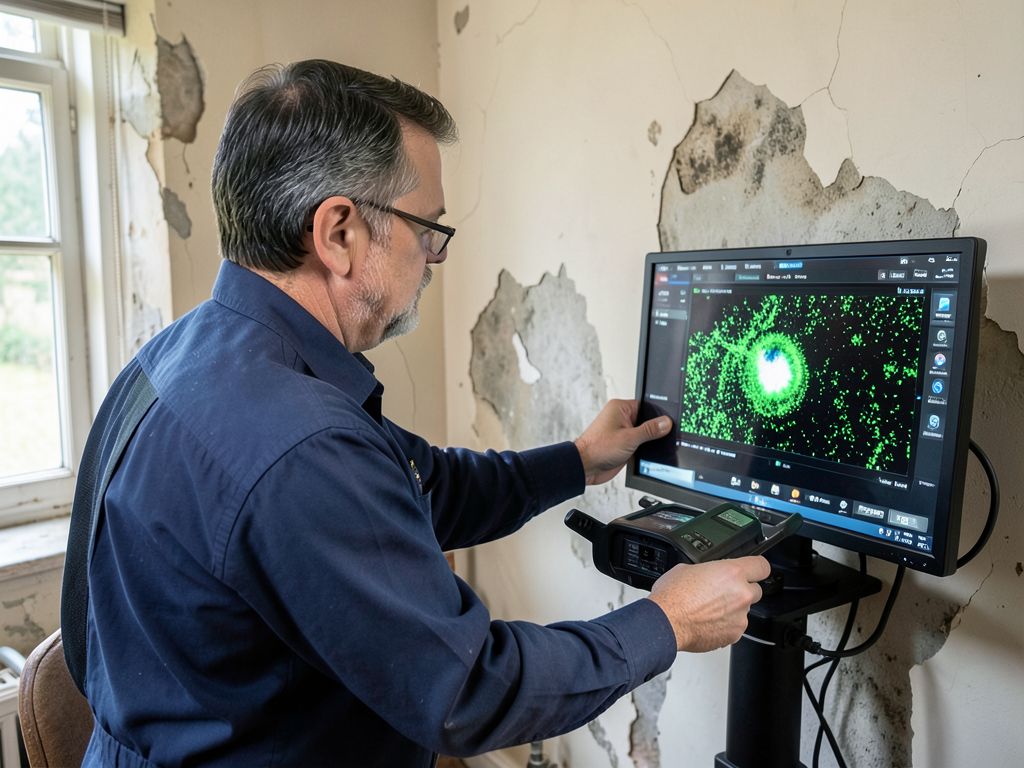
Why Your Broadmoor Home Needs a Specialized Drying Plan for Custom Plaster Walls When water infiltrates your Broadmoor home's custom plaster walls, standard drywall drying techniques can cause irreversible damage. The historic plaster walls common…

How to Stop Your Lake Forest Park Deck from Leaking into the Rooms Below If…

Why Your West Seattle Retaining Wall Could Be the Cause of Your Wet Basement \n\n…
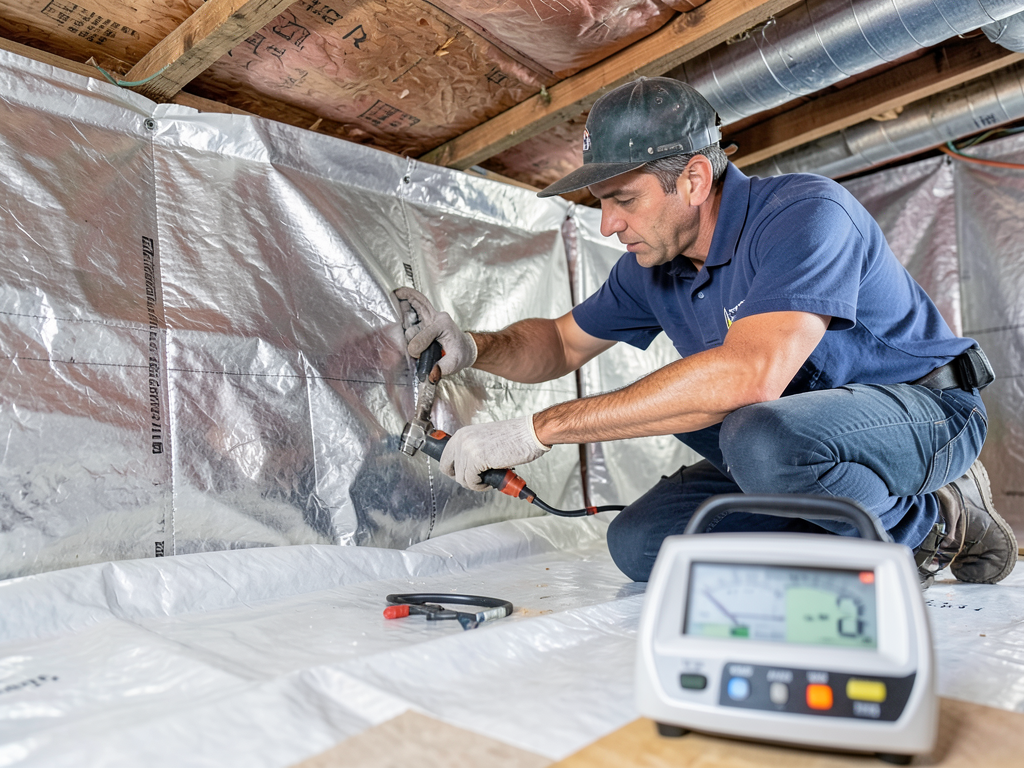
Fixing Moisture Problems in Your Mukilteo Home After a Heavy Fog Season Living near Puget…
Water spreads fast. Every minute increases damage and cost. Call Evergreen Water Damage Restoration Seattle at (564) 220-5525 right now for emergency dispatch. Our crews respond within 15 minutes with equipment ready. Do not wait. Stop the damage today.