
menu

Commercial Water Damage Restoration in Seattle – Minimize Downtime and Protect Your Business Continuity

Evergreen Water Damage Restoration Seattle delivers rapid commercial water damage repair with industrial-grade equipment and strict compliance protocols to protect your operations, inventory, and reputation across the greater Seattle metro.

Slider Image 1
Slider Image 2
Slider Image 3
Slider Image 4
Slider Image 5
Slider Image 7
Slider Image 8
Slider Image 9
Slider Image 10
Slider Image 11

Seattle's Weather Patterns and Building Design Make Commercial Water Damage a High-Stakes Risk

Seattle receives over 150 days of rain annually. The combination of sustained precipitation, aging infrastructure in neighborhoods like Pioneer Square and Ballard, and the prevalence of flat commercial roofs creates predictable failure points. When a supply line ruptures in a restaurant on Capitol Hill or a roof membrane fails at a warehouse near the Port of Seattle, water infiltrates quickly and spreads across expansive square footage.

Commercial water damage restoration is not a residential job scaled up. The stakes are different. You face interrupted cash flow, spoiled inventory, potential mold liability, and regulatory scrutiny from the City of Seattle's Department of Construction and Inspections. Every hour of standing water increases structural degradation and mold colonization. Quick action is not convenience. It is risk mitigation.

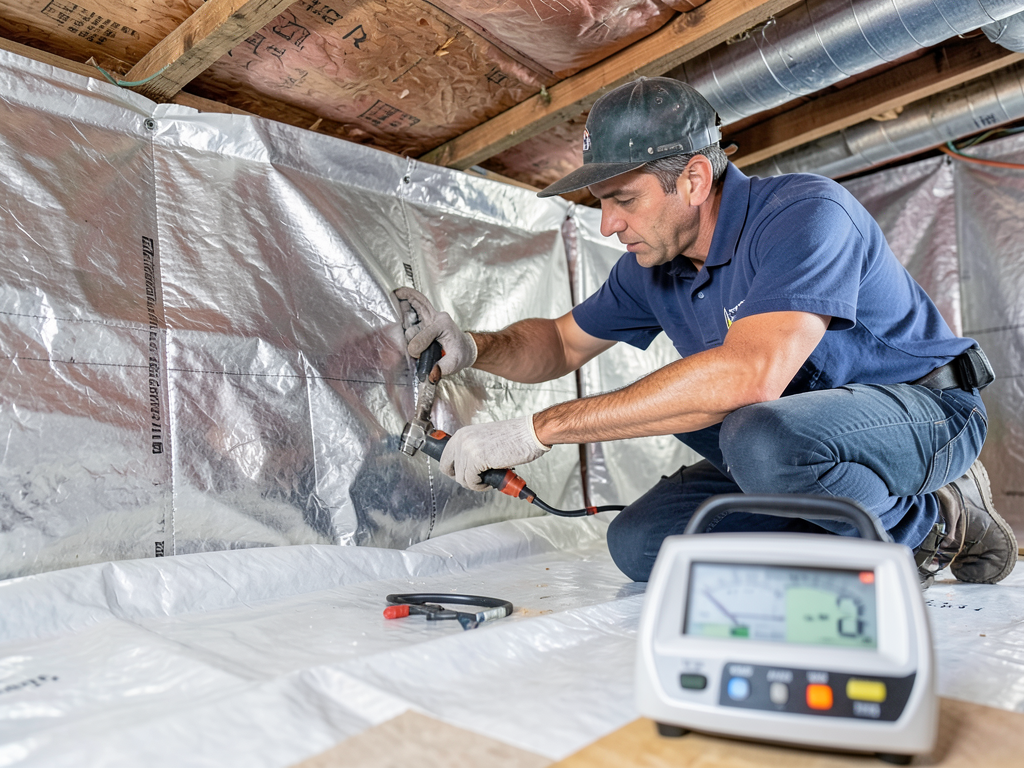
Business water damage restoration requires immediate extraction, moisture mapping with thermal imaging, and rapid deployment of commercial-grade dehumidifiers and air movers. Commercial water mitigation involves understanding your HVAC system, protecting sensitive equipment, and coordinating with your insurance adjuster to document losses accurately. Commercial water damage cleanup in multi-tenant buildings must address cross-contamination risks and liability exposure.

Evergreen Water Damage Restoration Seattle deploys teams that understand the operational urgency. We work around your schedule to minimize disruption. Whether the incident occurs in a retail space in South Lake Union or a medical office in Northgate, we respond with the equipment capacity and technical expertise your situation demands.

Seattle's Weather Patterns and Building Design Make Commercial Water Damage a High-Stakes Risk
Our Commercial Water Damage Repair Protocol Is Built for Speed and Compliance

Our Commercial Water Damage Repair Protocol Is Built for Speed and Compliance

Commercial water remediation starts with containment. We isolate affected zones to prevent cross-contamination and maintain operational areas. Our teams use negative air machines with HEPA filtration to control airborne particulates and prevent mold spores from migrating to clean zones. This is critical in healthcare facilities, food service operations, and office buildings where air quality impacts liability.

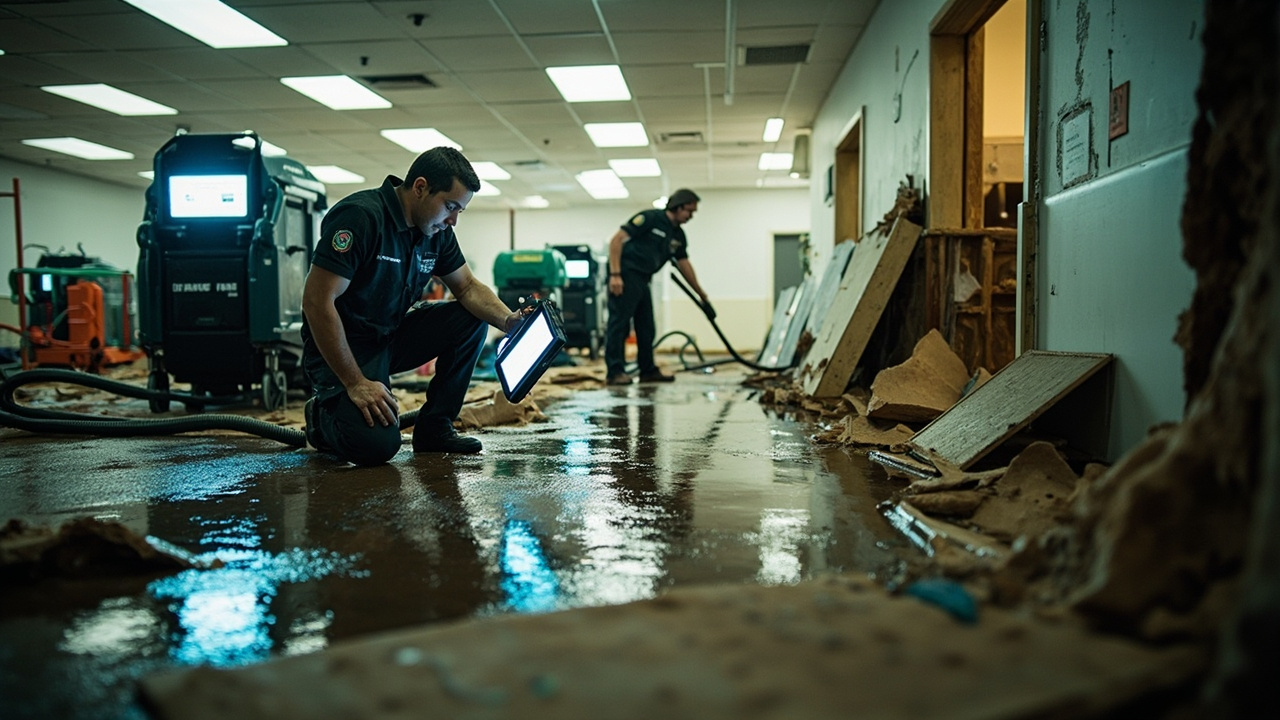
Extraction is executed with truck-mounted pumps capable of removing thousands of gallons per hour. Portable extractors handle confined spaces and areas with limited access. After extraction, we deploy moisture meters and infrared cameras to map hidden water intrusion behind walls, under flooring, and within ceiling cavities. You cannot dry what you cannot detect.

Drying is where most generalists fail. We calculate the grain depression and vapor pressure differential to determine the precise number of dehumidifiers and air movers required. We do not guess. We use psychrometric measurements to track progress and adjust equipment placement in real time. This prevents over-drying, which can damage wood flooring and cabinetry, and under-drying, which invites microbial growth.

Documentation is continuous. We photograph all affected areas, log moisture readings at each visit, and provide detailed reports for your insurance carrier and legal team. If your property is in a floodplain near the Duwamish River or Green Lake, we coordinate with environmental consultants to test for contamination. Evergreen Water Damage Restoration Seattle does not cut corners. We execute the protocol that protects your asset value and limits your exposure.

How We Execute Commercial Water Damage Restoration for Seattle Businesses

Commercial Water Damage Restoration in Seattle – Minimize Downtime and Protect Your Business Continuity
01

Immediate Onsite Assessment

We dispatch a project manager to your site within two hours of your call. The manager conducts a moisture survey using calibrated meters and thermal imaging to identify all affected materials. We provide a written scope of work, classify the water source as clean, gray, or black, and establish containment zones. You receive a project timeline and equipment deployment plan before we begin extraction.
02

Water Extraction and Structural Drying

Our crews extract standing water using high-capacity pumps and wet vacuums. We remove saturated materials that cannot be salvaged, including insulation, drywall below the flood cut line, and compromised ceiling tiles. Industrial dehumidifiers and air movers are positioned based on airflow modeling to maximize evaporation rates. We monitor drying progress daily and adjust equipment to maintain efficiency. Antimicrobial treatments are applied to prevent microbial amplification on porous surfaces.
03

Final Verification and Clearance

After drying is complete, we conduct a final moisture survey to confirm all materials meet industry drying standards. We provide a certificate of completion with documented moisture readings and photographic evidence. If mold testing is required by your insurance carrier or legal counsel, we coordinate third-party environmental testing. You receive a full digital report package suitable for submission to underwriters, property managers, and regulatory agencies.

Why Seattle Businesses Trust Evergreen Water Damage Restoration for Commercial Water Mitigation

Evergreen Water Damage Restoration Seattle operates with the equipment capacity and technical depth required for large-scale incidents. We maintain an inventory of truck-mounted extractors, trailer-mounted desiccant dehumidifiers, and negative air machines capable of handling projects from small retail spaces to multi-story office buildings near the Seattle waterfront.

We understand Seattle's commercial building stock. Many properties in the University District and Fremont were built between 1920 and 1960 and lack modern vapor barriers. Post-tensioned concrete slabs common in newer construction near Amazon's campus require specialized drying techniques to prevent structural damage. We adapt our methods to your building type and materials.

Our teams are trained in IICRC standards for commercial drying. We coordinate with mechanical engineers to integrate your HVAC system into the drying process and with your property management team to maintain tenant communication. If your business operates under FDA, OSHA, or Washington State Department of Health regulations, we document our work to meet compliance requirements.

Speed matters in commercial water damage restoration, but so does precision. Rushed work leads to callbacks, mold claims, and litigation. We balance urgency with thoroughness. Our project managers provide daily updates and remain accessible throughout the project. You will not be transferred to voicemail or handed off to an inexperienced technician.

We serve the greater Seattle metro, including Bellevue, Renton, and Tacoma. Whether your property is a warehouse in Georgetown, a restaurant in Ballard, or a medical clinic in Kirkland, we respond with the same level of professionalism and technical rigor.

What to Expect When You Engage Evergreen Water Damage Restoration Seattle

Response Time and Availability

We dispatch teams 24 hours a day, seven days a week. You will speak with a project manager within 15 minutes of your call. Our trucks are staged across King County to minimize travel time. For large-scale incidents requiring multiple crews, we mobilize additional technicians from our network. We arrive onsite within two hours for emergency calls and provide same-day service for scheduled assessments. Night and weekend calls receive the same priority as weekday requests.

Initial Assessment and Scope Development

The onsite assessment includes moisture mapping, source identification, and material evaluation. We classify the water source according to IICRC S500 standards and identify cross-contamination risks. You receive a written scope of work that details affected materials, recommended removal, drying equipment requirements, and estimated project duration. We explain our findings in clear language and answer questions about insurance coverage, business interruption documentation, and tenant notification requirements.

Quality of Work and Final Deliverable

All work is performed to IICRC S500 standards for water damage restoration. Materials are dried to industry-accepted moisture content levels verified by calibrated meters. We do not rely on visual inspection alone. Antimicrobial treatments are applied to affected surfaces to inhibit microbial growth. You receive a certificate of completion with moisture readings, equipment logs, and before-and-after photos. The documentation package is formatted for submission to insurance carriers and legal counsel.

Post-Restoration Monitoring and Support

We provide follow-up moisture checks at 48 hours and seven days after project completion to verify materials remain dry. If you require mold testing or air quality sampling, we coordinate with third-party environmental consultants. Our project managers remain available to answer questions from your insurance adjuster, property manager, or legal team. We retain project files for seven years and provide copies upon request for audits, claims reviews, or property transactions.

Frequently Asked Questions

You Have Questions,
We Have Answers

How much money does it cost to repair water damage? +

Commercial water damage repair costs vary widely based on damage severity, square footage, and source. Minor incidents affecting 500 square feet may run a few thousand dollars. Extensive structural damage requiring flooring replacement, drywall removal, and electrical work can reach five or six figures. Seattle's higher labor rates and code compliance requirements add cost. Category 3 contamination, common in Seattle's aging commercial buildings, demands specialized sanitization. Mitigation speed matters. Delays increase secondary damage and mold risk, escalating final costs. Request a professional assessment to understand your specific exposure and business interruption liability.

Does commercial property insurance cover water damage? +

Most commercial property policies cover sudden and accidental water damage, like burst pipes or roof leaks. Coverage depends on the cause. Seattle property owners should verify whether storm-related leaks qualify under standard or separate windstorm policies. Gradual damage from poor maintenance or seepage is typically excluded. Policies often distinguish between structure damage and business interruption losses. Read your policy carefully. Many Seattle commercial buildings have older plumbing vulnerable to winter freezes. Document all maintenance records. After an incident, notify your carrier immediately and photograph everything before mitigation begins to support your claim.

Is water damage restoration worth it? +

Yes. Unaddressed water damage triggers structural decay, mold colonization, and tenant liability in commercial properties. Seattle's maritime climate accelerates microbial growth within 48 hours. Professional restoration stops progressive damage, preserves asset value, and limits business downtime. DIY extraction misses hidden moisture in subfloors and wall cavities, creating long-term health hazards and code violations. Restoration also generates documentation required for insurance claims and regulatory compliance. The cost of inaction, lost revenue, tenant lawsuits, and property devaluation, far exceeds professional mitigation. Restoration protects your balance sheet and operational continuity.

Does insurance pay for water restoration? +

Insurance pays for water restoration if the damage qualifies under your policy terms. Covered perils typically include sudden pipe bursts, sprinkler malfunctions, or storm-related intrusion. Seattle insurers scrutinize maintenance history closely. Denied claims often stem from gradual leaks or deferred maintenance. File promptly. Carriers require notice within hours or days. Professional restoration companies document everything, providing detailed estimates and moisture readings that satisfy adjuster requirements. Many work directly with insurers to streamline approval. Always confirm your deductible and coverage limits before work begins to avoid financial surprises during the claims process.

What is the average water damage claim? +

Average commercial water damage claims range from a few thousand to over $50,000, depending on affected square footage, contamination level, and structural impact. Seattle claims trend higher due to elevated labor costs and stringent building codes. Multi-story buildings or claims involving tenant displacement and lost revenue can exceed six figures. Claims for Category 1 clean water average lower than Category 3 sewage incidents requiring full sanitization. Your actual payout depends on your policy limits, deductible, and cause. Document all damage thoroughly and retain professional reports to maximize your claim recovery and support negotiations with adjusters.

Why is water damage so expensive? +

Water damage costs reflect hidden complexity. Visible surface damage is just the beginning. Moisture migrates into subfloors, wall cavities, and HVAC systems, requiring industrial extraction, dehumidification, and antimicrobial treatment. Seattle's older commercial stock often conceals asbestos or lead, triggering expensive abatement protocols. Labor-intensive structural drying takes days. Contaminated water demands disposal fees and specialized equipment. Building code compliance, mold prevention, and tenant safety drive costs higher. Delays compound expenses exponentially. Mold remediation alone can double initial estimates. Speed and professional intervention minimize total financial exposure and protect your property investment.

What type of water damage is not covered by insurance? +

Insurance excludes water damage from floods, groundwater seepage, neglected maintenance, and slow leaks. Seattle properties near Puget Sound or below-grade spaces face flood exclusions unless you carry separate flood insurance through NFIP. Sewer backups require specific endorsements. Damage from deferred roof or plumbing maintenance is routinely denied. Mold resulting from ignored leaks falls outside standard coverage. Policies differentiate between sudden accidents and gradual deterioration. Review exclusions annually. Many Seattle commercial owners discover gaps only after filing claims. Maintain detailed maintenance logs and consider endorsements for flood, sewer backup, and equipment breakdown to close coverage holes.

What is the 80% rule in property insurance? +

The 80% rule requires commercial property owners to insure buildings for at least 80% of replacement cost to receive full claim payouts. Underinsure, and carriers apply a coinsurance penalty, reducing your settlement proportionally. Seattle's construction costs have surged in recent years, leaving many properties underinsured. If your building's replacement cost is $2 million and you carry only $1 million in coverage, you fall below the 80% threshold. The insurer will only pay a fraction of your claim, even for partial losses. Review your policy limits annually and adjust for inflation to avoid costly penalties during water damage claims.

How much can I claim for water damage? +

Your claim payout depends on policy limits, deductible, cause, and documented losses. Commercial policies pay actual cash value or replacement cost, minus depreciation or your deductible. Seattle properties with higher insured values and lower deductibles recover more. Category 3 contamination claims with structural damage and business interruption can reach six figures if properly documented. Work with a professional restoration company to generate detailed estimates, moisture maps, and photographic evidence. Adjusters scrutinize every line item. Underdocumented claims get reduced or denied. Know your coverage limits and exclusions before damage occurs to set realistic expectations and avoid disputes.

When to call a water restoration company? +

Call a water restoration company immediately after discovering water intrusion. Speed is critical. Structural materials absorb moisture within minutes, and mold colonies establish within 24 to 48 hours in Seattle's humid climate. Waiting increases structural damage, contamination risk, and business downtime. Professional crews extract standing water, deploy industrial dehumidifiers, and monitor moisture levels to prevent secondary damage. Early intervention reduces claim costs and protects tenant safety. If the source is unclear or involves sewage, evacuate affected areas and contact professionals before entry. Document everything with photos, then call. Delay turns manageable incidents into catastrophic losses.

How Seattle's Rain Patterns and Aging Infrastructure Drive Commercial Water Damage Risks

Seattle receives an average of 38 inches of rain annually, concentrated between October and May. This sustained moisture exposure accelerates degradation of roofing membranes, sealants, and flashing systems on commercial buildings. Properties built before 1980 often lack adequate drainage systems, and flat roofs common in industrial areas near Boeing Field and the Port of Seattle are prone to ponding. When a roof failure occurs during a heavy rain event, water infiltrates quickly and spreads across large floor plates, damaging inventory, equipment, and structural components.

Evergreen Water Damage Restoration Seattle understands the unique challenges of Seattle's building stock and climate. We work with commercial property managers, facility directors, and business owners to execute water damage restoration that meets City of Seattle building codes and insurance requirements. Our project managers coordinate with mechanical contractors, roofing specialists, and environmental consultants to address the full scope of water intrusion incidents. Choosing a provider with local expertise reduces your risk of incomplete drying, mold liability, and code violations.


Water Damage Restoration Services in The Seattle Area

Evergreen proudly serves Seattle and its surrounding communities with professional water damage restoration you can count on. Whether you’re downtown, in the suburbs, or nearby, our responsive team is just a call away. View our service area on the map to see if we’re available in your neighborhood. We’re committed to helping local homeowners and businesses recover fast—so if you need help, we’ll come to you. Use the map below to locate our base or service radius and reach out anytime.

Address:
Evergreen Water Damage Restoration Seattle, 600 Stewart St, Seattle, WA, 98101

Additional Services We Offer

Our news updates

Latest Articles & News from The Blogs

How to Stop Your Lake Forest Park Deck from Leaking into the Rooms Below If water from your deck seeps…

How to Stop Your Lake Forest Park Deck from Leaking into the Rooms Below

How to Stop Your Lake Forest Park Deck from Leaking into the Rooms Below If water from your deck seeps…

Why Your West Seattle Retaining Wall Could Be the Cause of Your Wet Basement

Why Your West Seattle Retaining Wall Could Be the Cause of Your Wet Basement \n\n West Seattle’s dramatic topography of…

Fixing Moisture Problems in Your Mukilteo Home After a Heavy Fog Season

Fixing Moisture Problems in Your Mukilteo Home After a Heavy Fog Season Living near Puget Sound means dealing with persistent…

Contact Us

Call Evergreen Water Damage Restoration Seattle at (564) 220-5525 now. Our project managers are available 24 hours a day to assess your situation and deploy the equipment you need. Do not wait for damage to escalate.