
menu

Allergic Reactions in Home in Seattle – Expert Mold Diagnosis and Water Damage Remediation

When household mold allergies disrupt your family's health, Evergreen Water Damage Restoration Seattle provides professional moisture assessment, targeted containment, and complete remediation to eliminate water damage allergy triggers at the source.

Slider Image 1
Slider Image 2
Slider Image 3
Slider Image 4
Slider Image 5
Slider Image 7
Slider Image 8
Slider Image 9
Slider Image 10
Slider Image 11

Why Seattle Homes Breed Hidden Allergens

You wake up with a scratchy throat. Your child sneezes repeatedly every morning. You assume it's seasonal, but the symptoms never stop. These are classic indoor mold symptoms, and in Seattle, they're more common than you think.

Seattle averages 150 days of measurable precipitation per year. That constant moisture seeps into crawl spaces, attic vents, and wall cavities. When relative humidity climbs above 60 percent, mold spores activate. You don't see the growth behind your drywall or under your kitchen sink, but your immune system detects it immediately.

Household mold allergies manifest as respiratory irritation, chronic coughing, watery eyes, and skin rashes. Many Seattle families treat these symptoms with antihistamines for months without realizing they're dealing with water damage allergy triggers. The Pacific Northwest climate creates perfect conditions for Cladosporium, Aspergillus, and Penicillium, the three most common indoor mold species.

Mildew allergic reactions start small. A stuffy nose. A mild headache. Over time, exposure intensifies inflammation. Children and elderly residents face the highest risk because their immune systems are less equipped to filter airborne spores. If you smell a musty odor in your basement or notice discoloration on your bathroom ceiling, you're not dealing with cosmetic damage. You're looking at an active contamination source that requires professional intervention.

Mold exposure symptoms don't resolve on their own. Surface cleaning only masks the problem. You need to eliminate the moisture source, remove contaminated materials, and restore your indoor air quality to baseline.

Why Seattle Homes Breed Hidden Allergens
How We Locate and Eliminate Hidden Mold

How We Locate and Eliminate Hidden Mold

Most homeowners scrub visible mold with bleach and assume they've solved the issue. They haven't. Mold is a symptom. Water intrusion is the disease.

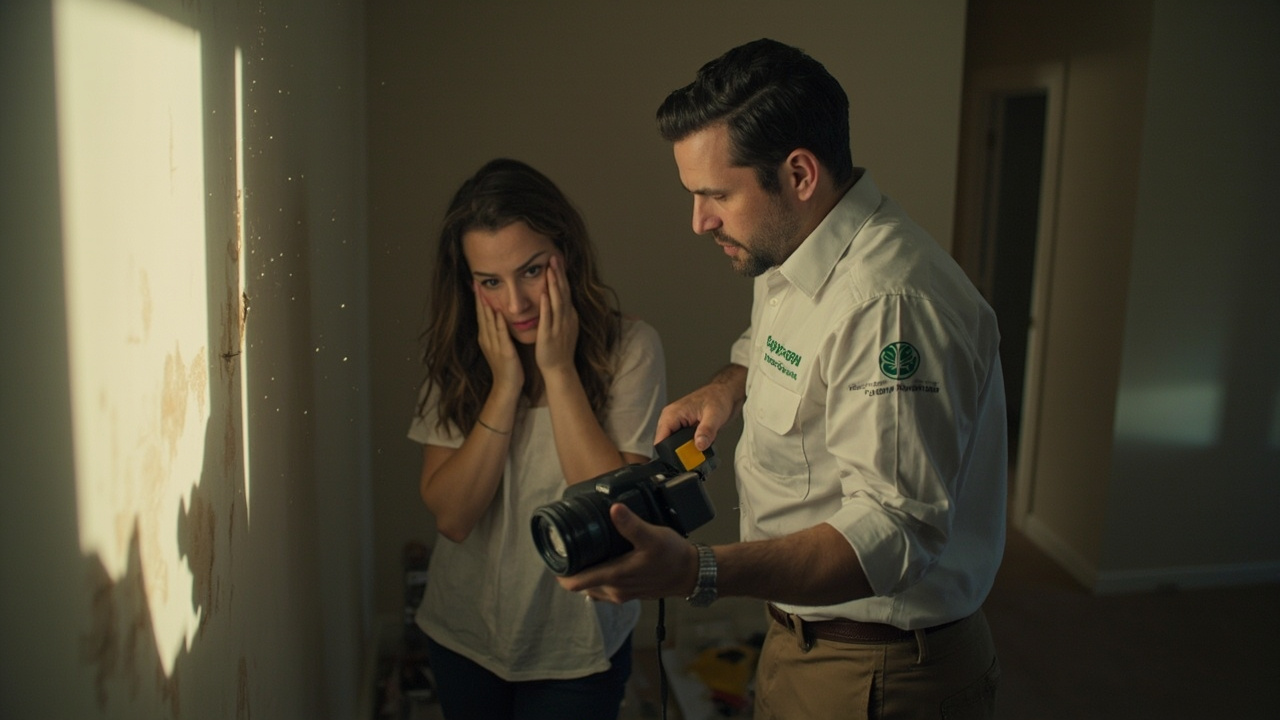
We start with a thermal imaging inspection. Infrared cameras detect temperature differentials behind walls and ceilings. Wet insulation and damp framing show up as cold spots. This technology reveals hidden leaks from roof penetrations, failed flashing, or compromised plumbing lines that create the perfect breeding ground for spores.

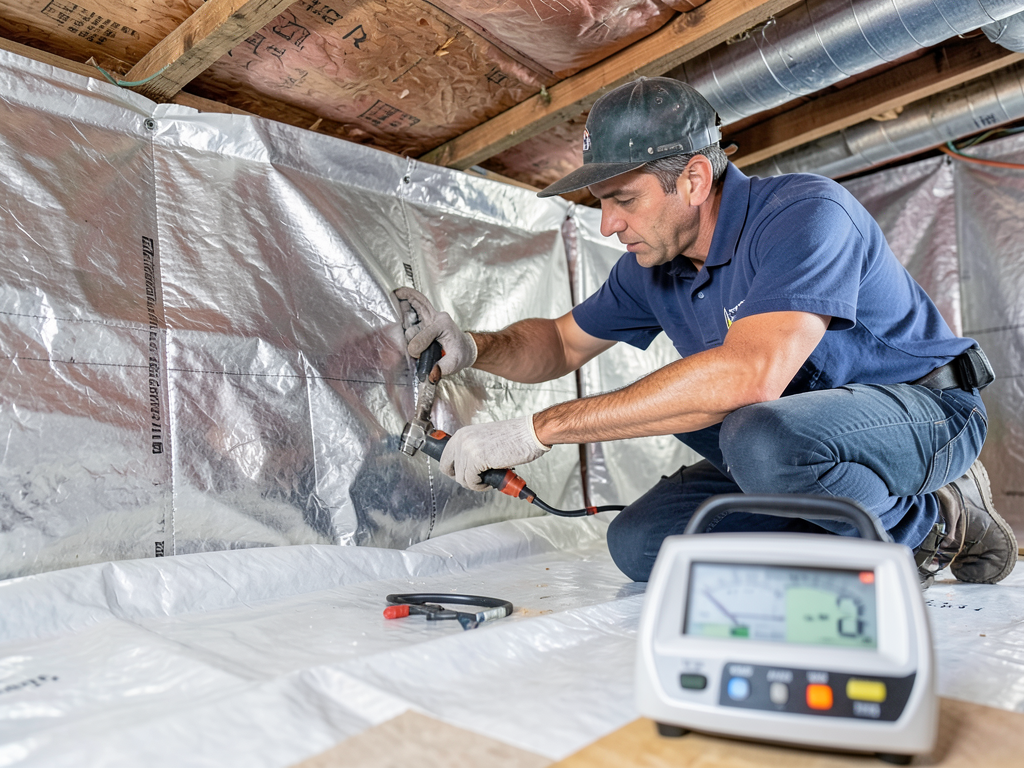
Next, we measure ambient humidity with a hygrometer and test material moisture content with a pin-type meter. Drywall should read below 15 percent moisture content. Wood framing should stay below 19 percent. Anything higher indicates active water intrusion. We document these readings to establish a contamination baseline.

Containment comes next. We seal off affected areas with polyethylene barriers and establish negative air pressure using HEPA-filtered air scrubbers. This prevents cross-contamination to clean zones while we remove compromised materials. Mold doesn't spread through walls. It spreads through air currents. Negative pressure keeps spores contained.

We remove water-damaged drywall, insulation, and baseboards down to the studs. We don't salvage materials with visible growth or musty odors. Porous materials absorb spores deep into their structure. Cleaning them is futile. We bag and dispose of contaminated debris according to Washington State Department of Health guidelines.

After demo, we treat framing and subfloors with antimicrobial solutions, then run commercial dehumidifiers to drop humidity below 50 percent. Only when moisture readings normalize do we begin reconstruction. Rushing this step guarantees mold will return within months.

How We Restore Your Home's Air Quality

Allergic Reactions in Home in Seattle – Expert Mold Diagnosis and Water Damage Remediation
01

Moisture Source Identification

We trace your allergic reactions back to their origin using thermal imaging and moisture meters. Most Seattle homes have hidden leaks in crawl spaces or attic eaves where roof runoff collects. We identify the entry point, whether it's a cracked foundation seal, a failed vapor barrier, or a leaking supply line. Stopping the water source is the only way to prevent recurrence.
02

Controlled Mold Removal

We establish containment zones with sealed barriers and negative air machines. This prevents spore migration during demolition. We remove all porous materials with visible growth or elevated moisture content. Non-porous surfaces like metal ductwork get HEPA-vacuumed and treated with antimicrobial agents. We don't leave any contaminated material in your home's envelope.
03

Air Filtration and Verification

After remediation, we run HEPA air scrubbers for 48 to 72 hours to capture airborne spores. We retest moisture levels to confirm they've dropped below 15 percent in drywall and 19 percent in framing. Only after environmental conditions normalize do we clear the space for reconstruction. This verification step protects you from recurring contamination and ongoing allergy symptoms.

Why Seattle Homeowners Choose Evergreen Water Damage Restoration

Seattle's building stock is unique. Many homes in Ballard, Fremont, and Capitol Hill were built between 1920 and 1950. These structures lack modern vapor barriers and rely on crawl space venting systems that actually increase moisture intrusion during our wet season. Generic mold removal companies don't understand these older construction methods. They treat every home like a cookie-cutter job.

We know that Seattle's marine layer drives humidity spikes between October and April. We know that homes near Green Lake, Lake Washington, and Puget Sound face higher condensation risks due to proximity to open water. We know that the Intermediate Building Code adopted by King County requires specific ventilation standards for enclosed crawl spaces, and we design our remediation plans to comply with those requirements.

You need a team that understands the relationship between your home's envelope, Seattle's climate, and mold growth patterns. We don't just remove visible contamination. We address the environmental factors that caused it. That means improving crawl space ventilation, installing dehumidification systems, and repairing roof drainage issues that funnel water into your foundation.

Evergreen Water Damage Restoration Seattle has worked in Queen Anne, West Seattle, and Ravenna for years. We've seen how improperly graded lots send runoff into basement window wells. We've seen how clogged gutters overflow and saturate wall cavities. We've seen how failed sump pumps flood finished basements during January storms. We don't guess at solutions. We apply proven methods tailored to Seattle's specific challenges.

When your family's health is at stake, you need more than a crew with a truck and a moisture meter. You need specialists who understand your home's vulnerabilities and how to fix them permanently.

What Happens When You Call Us

Rapid Response Time

We answer emergency calls 24 hours a day. Most residential inspections are scheduled within 24 to 48 hours of your initial contact. We understand that mold exposure symptoms worsen with time, so we prioritize households with children, elderly residents, or immunocompromised family members. Our goal is to assess your situation quickly and start containment before contamination spreads to additional rooms.

Comprehensive Moisture Assessment

During the initial inspection, we map your entire moisture problem. We check crawl spaces, attics, behind appliances, and inside wall cavities. We use thermal imaging to detect hidden leaks and moisture meters to quantify saturation levels. You receive a written report that documents contamination areas, moisture readings, and the scope of work required. This transparency helps you understand the full extent of the issue before remediation begins.

Clean, Healthy Indoor Air

The end result is a home where you can breathe without triggering allergic reactions. We don't just remove mold. We restore your indoor environment to safe humidity levels and eliminate contamination sources. Your family will notice fewer headaches, less coughing, and reduced sinus irritation within days of project completion. We verify air quality with final moisture readings and visual inspections before we consider the job finished.

Ongoing Monitoring Guidance

After remediation, we provide maintenance recommendations to prevent recurrence. This includes crawl space dehumidifier settings, gutter cleaning schedules, and seasonal ventilation tips specific to Seattle's wet winters and dry summers. We also offer follow-up inspections if you notice returning symptoms or new moisture issues. Mold prevention is an ongoing process, and we equip you with the knowledge to protect your home long term.

Frequently Asked Questions

You Have Questions,
We Have Answers

What could be causing allergies in my house? +

Common culprits include dust mites thriving in bedding and carpets, mold from Seattle's high humidity and frequent rain, pet dander, and pollen tracked indoors. Older homes in neighborhoods like Queen Anne or Capitol Hill often have poor ventilation, trapping allergens. Leaky windows and roofs let moisture in, creating mold hotspots in crawl spaces and attics. HVAC systems recirculate dust and spores if filters are dirty. Check behind appliances, under sinks, and in basements for hidden mold growth. Seattle's damp climate makes moisture control critical to reduce indoor allergens.

How do I find out what I'm allergic to in my house? +

Start by noting when symptoms worsen. If you sneeze in the bedroom, dust mites or mold may be the issue. An allergist can perform skin prick tests or blood tests to identify specific triggers like mold spores, pet dander, or dust mites. You can also try an elimination approach: remove rugs, wash bedding in hot water, and use HEPA filters to see if symptoms improve. Professional mold inspections check hidden areas like crawl spaces, which are common in Seattle homes due to persistent dampness and poor ventilation.

How do you treat an allergic cough? +

An allergic cough results from irritation in your airways. Remove the allergen source first: vacuum with a HEPA filter, wash bedding weekly, and fix any water leaks causing mold. Use a saline nasal rinse to clear mucus. Over-the-counter antihistamines reduce inflammation. Run a dehumidifier in damp rooms, especially basements, to keep humidity below 50 percent. If the cough persists beyond two weeks, worsens at night, or causes wheezing, see a doctor. Seattle's wet climate often triggers mold-related coughs, so inspect crawl spaces and attics for hidden growth.

Why am I having allergic reactions all of a sudden? +

Sudden allergic reactions often stem from new mold growth after water damage, increased dust mite populations in humid weather, or seasonal pollen brought indoors. Seattle's rainy seasons create ideal conditions for mold to spread quickly in walls, crawl spaces, and around windows. A recent roof leak or plumbing issue can introduce hidden moisture. Changes in your home, like new carpet or pets, also trigger reactions. If symptoms appeared after a storm or water event, inspect for leaks and mold. Aging HVAC systems can also circulate more allergens if filters are clogged.

How to identify indoor allergies? +

Indoor allergies cause sneezing, itchy eyes, nasal congestion, and coughing that worsen inside your home. Symptoms improve when you leave and return when you come back. Pay attention to specific rooms: if you sneeze in the bedroom, dust mites are likely. If the basement triggers symptoms, suspect mold. Seattle homes with crawl spaces and older construction trap moisture, creating mold and dust mite havens. Check for musty odors, visible mold on walls or ceilings, and water stains. Track symptom patterns over a week to pinpoint the source.

Can mold cause allergic reactions? +

Yes. Mold releases spores that trigger allergic reactions, including sneezing, congestion, skin rashes, and respiratory issues. Seattle's damp climate and frequent rain create perfect conditions for mold in crawl spaces, basements, attics, and behind walls. Even small amounts of hidden mold can cause symptoms. Common types like Cladosporium, Penicillium, and Aspergillus thrive in moisture. If you smell musty odors or see discoloration on walls, you likely have mold. Persistent allergic reactions at home often signal a mold problem requiring professional inspection and remediation to remove the source.

Can I test my house for allergies? +

Yes. You can buy DIY mold test kits at hardware stores, but they often miss hidden growth behind walls or in crawl spaces. Professional mold inspectors use moisture meters, thermal imaging, and air quality testing to detect mold you cannot see. They identify the type and extent of contamination. For dust mites, you can purchase allergen test kits online. However, professional indoor air quality assessments provide the most accurate results. In Seattle, where moisture intrusion is common in crawl spaces and basements, professional testing catches problems before they escalate.

Do air purifiers help with allergies? +

Yes, but only if you use a true HEPA filter, which captures 99.97 percent of particles. Air purifiers reduce airborne allergens like dust, pet dander, and mold spores. Place units in bedrooms and main living areas for best results. However, purifiers do not remove allergens embedded in carpets, bedding, or walls. In Seattle homes with mold or moisture issues, purifiers treat symptoms but not the source. You must fix leaks, improve ventilation, and control humidity below 50 percent. Combine air purifiers with regular cleaning and dehumidifiers for maximum effectiveness.

What are dust mite allergy symptoms? +

Dust mite allergy symptoms include sneezing, runny or stuffy nose, itchy or watery eyes, coughing, and postnasal drip. Symptoms worsen at night or upon waking because mites live in bedding, mattresses, and pillows. You may also experience itchy skin or eczema flare-ups. In Seattle's humid climate, dust mites thrive year-round in homes with poor ventilation. If you notice symptoms improve when you leave home, dust mites are likely the cause. Wash bedding weekly in hot water, use allergen-proof covers, and vacuum with a HEPA filter to reduce exposure.

When to worry about allergy cough? +

Worry if your allergy cough lasts longer than three weeks, worsens at night, or causes wheezing and shortness of breath. A persistent cough may signal asthma or a severe mold problem. If you cough up discolored mucus, run a fever, or experience chest tightness, see a doctor immediately. In Seattle, prolonged coughs often result from hidden mold in crawl spaces or water-damaged walls. If you have ruled out common allergens but symptoms persist, get a professional mold inspection. Untreated mold exposure can lead to chronic respiratory issues.

How Seattle's Rain Shadow Effect Hides Water Damage in Eastside Homes

Seattle sits in a unique microclimate. The Olympic Mountains create a rain shadow that drops 30 to 40 inches of annual rainfall on the city, but neighborhoods east of Lake Washington receive 10 to 15 inches less. Homeowners in Bellevue, Redmond, and Kirkland often assume they're safe from water intrusion because they see less rain. They're wrong. Lower rainfall doesn't mean lower humidity. Morning fog, lake effect moisture, and poor crawl space ventilation still drive mold growth. Many eastside homes have undiagnosed contamination because residents don't expect it.

We work throughout King County, from the Seattle metro core to the suburban eastside. Our familiarity with local building practices means we recognize the telltale signs of water damage in both 1940s bungalows and modern construction. We understand how Seattle's soil composition, drainage patterns, and seasonal weather cycles impact your home's moisture levels. When you choose a local restoration company, you're choosing a team that knows your neighborhood's vulnerabilities and how to address them effectively.


Water Damage Restoration Services in The Seattle Area

Evergreen proudly serves Seattle and its surrounding communities with professional water damage restoration you can count on. Whether you’re downtown, in the suburbs, or nearby, our responsive team is just a call away. View our service area on the map to see if we’re available in your neighborhood. We’re committed to helping local homeowners and businesses recover fast—so if you need help, we’ll come to you. Use the map below to locate our base or service radius and reach out anytime.

Address:
Evergreen Water Damage Restoration Seattle, 600 Stewart St, Seattle, WA, 98101

Additional Services We Offer

Our news updates

Latest Articles & News from The Blogs

How to Stop Your Lake Forest Park Deck from Leaking into the Rooms Below If water from your deck seeps…

How to Stop Your Lake Forest Park Deck from Leaking into the Rooms Below

How to Stop Your Lake Forest Park Deck from Leaking into the Rooms Below If water from your deck seeps…

Why Your West Seattle Retaining Wall Could Be the Cause of Your Wet Basement

Why Your West Seattle Retaining Wall Could Be the Cause of Your Wet Basement \n\n West Seattle’s dramatic topography of…

Fixing Moisture Problems in Your Mukilteo Home After a Heavy Fog Season

Fixing Moisture Problems in Your Mukilteo Home After a Heavy Fog Season Living near Puget Sound means dealing with persistent…

Contact Us

You deserve to breathe clean air in your own home. Call Evergreen Water Damage Restoration Seattle at (564) 220-5525 for a professional mold assessment. We'll locate the moisture source, eliminate contamination, and restore your indoor air quality fast.