
menu

Emergency Toilet Overflow Cleanup in Seattle – 24/7 Response Stops Contamination Fast

When sewage backs up into your Seattle home or business, you need professional toilet overflow cleanup that removes contaminated water, disinfects affected areas, and prevents secondary damage before pathogens spread.

Slider Image 1
Slider Image 2
Slider Image 3
Slider Image 4
Slider Image 5
Slider Image 7
Slider Image 8
Slider Image 9
Slider Image 10
Slider Image 11

Why Toilet Overflows Are a Health Emergency in Seattle Homes

An overflowing toilet is not just water. It is Category 3 water, contaminated with bacteria, viruses, and pathogens that threaten your family's health. In Seattle, older plumbing systems in neighborhoods like Capitol Hill and Queen Anne often combine main line clogs with aging cast iron drainpipes. When your toilet floods, you are dealing with raw sewage, fecal matter, and blackwater that soaks into subflooring, drywall, and carpeting within minutes.

The Pacific Northwest's high humidity makes bacterial growth worse. Once sewage water saturates porous materials, mold colonies begin forming in 24 to 48 hours. You cannot stop this with towels and bleach. Professional emergency toilet water extraction removes contaminated water using industrial pumps and wet vacuums designed for biohazard containment. Toilet sewage removal requires antimicrobial treatments that neutralize pathogens at the molecular level.

Seattle's older housing stock, particularly pre-1950 bungalows in Ballard and Fremont, often lack proper vapor barriers. This means contaminated water wicks through wall cavities and insulation faster than in newer construction. Delaying toilet flood restoration gives bacteria time to colonize hidden spaces you cannot see or smell yet.

You need overflowing toilet cleanup that treats the entire contamination zone, not just visible water. Every hour you wait, the affected area grows. The odor intensifies. The health risk multiplies. This is why toilet overflow remediation must start immediately, not tomorrow.

Why Toilet Overflows Are a Health Emergency in Seattle Homes
How Professional Sewage Extraction Protects Your Seattle Property

How Professional Sewage Extraction Protects Your Seattle Property

Toilet overflow cleanup begins with containment. We isolate the affected area to prevent cross-contamination into unaffected rooms. This is critical in split-level homes common in West Seattle and Mount Baker, where gravity pulls sewage water downward through floor joists and ceiling cavities. Our technicians use physical barriers and negative air pressure to keep pathogens contained.

Emergency toilet water extraction uses truck-mounted extraction units that pull contaminated water from carpets, padding, and subflooring. We do not use shop vacuums. Commercial-grade pumps remove water at rates exceeding 100 gallons per minute, preventing deeper saturation into structural materials. After extraction, we apply hospital-grade antimicrobial agents that kill E. coli, salmonella, and norovirus on contact.

Toilet sewage removal includes removing unsalvageable materials. Drywall wicks sewage 12 to 18 inches above the waterline through capillary action. Carpet padding never survives Category 3 water exposure. We perform flood cuts, removing contaminated drywall to the nearest stud and disposing of it as biohazard waste. This prevents hidden mold growth and eliminates odor sources permanently.

After material removal, we treat all surfaces with EPA-registered disinfectants. Then we deploy commercial dehumidifiers and air movers to dry structural cavities completely. Moisture meters confirm subfloor moisture content drops below 12 percent before we approve reconstruction. This prevents secondary mold growth that emerges weeks later when cleanup is incomplete. Toilet flood restoration means returning your home to pre-loss condition, not just cleaning visible surfaces.

Our Emergency Response Protocol for Seattle Toilet Overflows

Emergency Toilet Overflow Cleanup in Seattle – 24/7 Response Stops Contamination Fast
01

Immediate Dispatch and Assessment

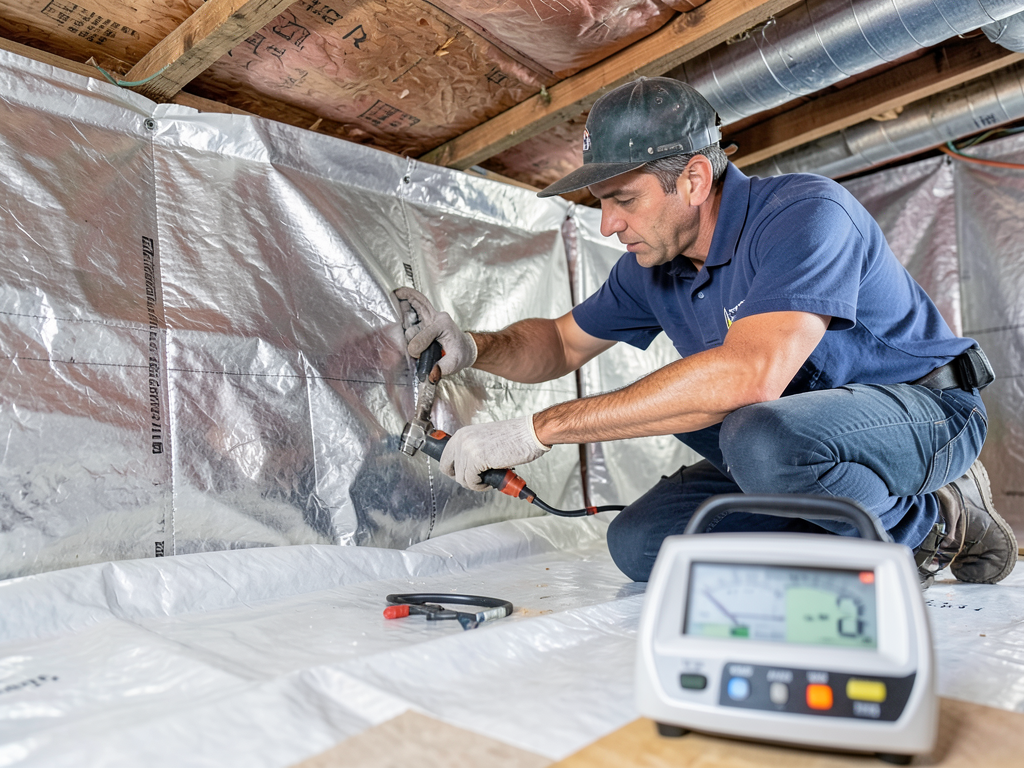
We answer your call 24/7 and dispatch technicians within 60 minutes to Seattle metro addresses. Our teams arrive with containment barriers, extraction equipment, and PPE for biohazard work. The first assessment identifies contamination zones, structural saturation levels, and immediate health risks. We document all damage with moisture meters and thermal imaging cameras before starting emergency toilet water extraction. You receive a clear scope of work and timeline before any equipment deployment.
02

Extraction and Disinfection

Truck-mounted pumps remove standing water and saturated materials within hours. We extract water from carpets, padding, subflooring, and wall cavities using penetrating extraction tools. All contaminated porous materials are bagged and removed as biohazard waste. Hard surfaces receive multi-stage disinfection with EPA-registered antimicrobials proven effective against sewage pathogens. Air scrubbers with HEPA filtration remove airborne contaminants during this phase. Overflowing toilet cleanup requires this layered approach to eliminate both visible contamination and microscopic pathogens.
03

Structural Drying and Verification

Commercial dehumidifiers and air movers run continuously until all structural materials reach equilibrium moisture content. We monitor drying progress with daily moisture readings in subflooring, wall cavities, and baseboards. Once moisture levels stabilize below industry thresholds, we perform final air quality testing and odor verification. Only after complete drying do we approve reconstruction. This ensures no hidden moisture remains to fuel mold growth. Toilet overflow remediation concludes with your property restored to safe, dry, sanitary conditions verified by instrument readings.

Why Seattle Homeowners Trust Evergreen Water Damage Restoration for Sewage Emergencies

Seattle's aging infrastructure creates unique sewage backup risks. Main line clogs affect entire blocks when tree roots invade clay sewer pipes common in Wallingford and Ravenna. We understand how Seattle's municipal sewer system interacts with residential plumbing. Our technicians know which neighborhoods experience chronic backups during heavy rainfall and which have combined storm-sewer systems that overflow during winter storms.

We work with Seattle-area plumbers who specialize in main line repair and hydro-jetting. If your toilet overflow stems from a blocked lateral line or failed backwater valve, we coordinate with licensed plumbers to fix the source while we handle contamination cleanup. This integrated approach prevents repeat incidents and ensures insurance claims document both the damage and the underlying cause.

Evergreen Water Damage Restoration Seattle maintains commercial-grade extraction equipment and antimicrobial products unavailable to general cleaning companies. We carry liability insurance and biohazard certifications required for sewage work. You need a company that treats toilet sewage removal as the health emergency it is, not a minor water leak.

Our teams train on IICRC S500 standards for water damage restoration and S520 standards for mold remediation. We document every step for insurance claims with photo evidence, moisture logs, and material disposal receipts. Most Seattle homeowner policies cover sudden sewage backups when you act quickly and use professional restoration services. We communicate directly with adjusters to expedite claims and prevent coverage denials caused by delayed mitigation.

You cannot DIY sewage cleanup safely. The health risks are too high. The hidden damage is too extensive. Trust the specialists who respond immediately and restore your home completely.

What Happens When You Call for Emergency Toilet Cleanup in Seattle

Immediate 24/7 Response

Our dispatch team answers emergency calls around the clock. Technicians mobilize within 60 minutes for Seattle metro locations, arriving with truck-mounted extraction equipment, containment barriers, and biohazard PPE. We do not wait until morning. Sewage contamination spreads rapidly, and every hour increases health risks and restoration costs. When you call at 2 a.m., we respond at 2 a.m. Our rapid deployment stops contamination from spreading into adjacent rooms and prevents sewage from soaking deeper into structural materials. Speed directly impacts the scope of damage and your out-of-pocket costs.

Comprehensive Contamination Assessment

Before extraction begins, technicians map the contamination zone using moisture meters, thermal cameras, and visual inspection. We identify all affected materials, including hidden saturation in wall cavities and subflooring. You receive a written scope detailing extraction zones, material removal requirements, and drying timelines. We document pre-existing conditions to separate sewage damage from prior issues. This assessment becomes the foundation for your insurance claim. Our detailed documentation prevents disputes with adjusters and ensures coverage for all necessary work. You know exactly what needs to happen and why before any demolition starts.

Complete Disinfection and Restoration

Toilet overflow cleanup does not end when visible water disappears. We treat all surfaces with EPA-registered antimicrobials proven effective against sewage pathogens. Contaminated materials are removed and disposed of following biohazard protocols. Structural drying continues until moisture readings confirm complete dryness. Final air quality testing ensures no airborne contaminants remain. Only after verification do we approve reconstruction. Your home returns to pre-loss condition without lingering odors, hidden moisture, or health risks. We coordinate with contractors for drywall replacement, flooring installation, and finish work to restore your space completely.

Insurance Coordination and Documentation

We work directly with your insurance company to document damage, justify scope, and expedite claims. Our technicians photograph all affected areas, log moisture readings daily, and maintain detailed work records. We provide itemized estimates that match insurance estimating software, reducing disputes and delays. Most Seattle homeowner policies cover sudden sewage backups when professional mitigation begins immediately. We help you navigate claim requirements and ensure you receive full coverage for necessary work. Our documentation prevents common claim denials caused by insufficient evidence or delayed response. You focus on your family while we handle the paperwork.

Frequently Asked Questions

You Have Questions,
We Have Answers

Can you pour vinegar in a toilet overflow tube? +

Yes, you can pour white vinegar into the overflow tube to help clear mineral deposits and mild buildup. Pour about one cup slowly down the tube. This targets the siphon jets and rim holes. Let it sit for 30 minutes, then flush. Vinegar works well for routine maintenance in Seattle's hard water areas. However, if your toilet already overflowed, do not attempt DIY fixes. Contaminated water requires immediate professional cleanup. Sewage backup contains harmful bacteria that spread quickly through subflooring and drywall. Call a water damage restoration team right away to prevent mold and structural damage.

Will toilet overflow cause mold? +

Yes, toilet overflow will cause mold if not addressed within 24 to 48 hours. Seattle's high humidity accelerates mold growth, especially in bathrooms with poor ventilation. Sewage water contains organic matter that feeds mold spores. Once water soaks into drywall, baseboards, or subflooring, mold colonies establish fast. You may see black or green patches within days. Professional water extraction and antimicrobial treatment are critical. Do not wait. Mold spreads through HVAC systems and can trigger respiratory problems. If your toilet overflowed, get certified remediation immediately to protect your home and health.

What are two things you should never flush down a toilet? +

Never flush feminine hygiene products or baby wipes down a toilet. Both items do not break down like toilet paper. Wipes labeled flushable still cause clogs in Seattle's older sewer systems. They snag on pipe joints and tree roots, creating blockages that lead to backups and overflows. Feminine products expand when wet, blocking drain lines completely. These clogs cause sudden overflows that dump sewage onto your bathroom floor. If you experience an overflow from flushing the wrong items, shut off the water supply immediately and call a restoration team. Do not try to plunge sewage water yourself.

What is the best cleaner for toilet rim jets? +

The best cleaner for toilet rim jets is white vinegar or a commercial limescale remover. Seattle's moderately hard water leaves mineral deposits that clog jets over time. Pour vinegar into the overflow tube and let it sit for 30 minutes to dissolve buildup. For stubborn clogs, use a small mirror and wire to manually clear each jet hole. Avoid bleach-based cleaners, as they can corrode rubber components. If your toilet overflowed due to blocked jets causing weak flushing, you need immediate water damage cleanup, not just cleaning. Sewage contamination requires professional extraction and disinfection to prevent mold and bacteria spread.

Why does a plumber expert warn against using vinegar and baking soda on drains? +

Plumbers warn against vinegar and baking soda because the reaction produces carbon dioxide gas but does not effectively break down grease, hair, or solid clogs. The fizzing action is mostly cosmetic. Vinegar is acidic and baking soda is alkaline. They neutralize each other, leaving plain water with minimal cleaning power. Repeated use can corrode older pipes and rubber gaskets. If you have a stubborn toilet clog that caused an overflow, skip DIY fixes. Sewage water poses serious health risks. Call a licensed plumber to clear the blockage and a water damage restoration team to extract contaminated water and sanitize affected areas immediately.

Can I leave vinegar in the toilet tank overnight? +

Yes, you can leave white vinegar in the toilet tank overnight to dissolve mineral deposits on flappers, fill valves, and tank walls. Use two cups of vinegar. This method works well in Seattle's hard water neighborhoods. Flush once in the morning to rinse. Do this monthly for maintenance. However, do not use vinegar if your toilet already overflowed. Tank cleaning will not fix sewage contamination on your bathroom floor. Overflows require immediate professional response. Contaminated water spreads bacteria and soaks into subflooring fast. Call a certified restoration company to extract water, disinfect surfaces, and prevent mold growth within 24 hours.

What kills black mold in a toilet? +

Bleach kills black mold in a toilet bowl temporarily, but it does not remove mold roots or prevent regrowth. Mix one cup of bleach with water, scrub with a toilet brush, and let sit for 10 minutes before flushing. Wear gloves and ventilate the bathroom. However, if black mold appeared after a toilet overflow, surface cleaning is not enough. Mold grows behind walls and under flooring where sewage water soaked in. You need professional mold remediation with HEPA filtration and antimicrobial treatments. Do not ignore mold after an overflow. Call a water damage restoration team to assess hidden contamination and prevent health risks.

Why is the black stuff in my toilet coming back? +

Black stuff in your toilet keeps coming back because mold and bacteria feed on organic matter in the bowl, tank, or siphon jets. Seattle's damp climate accelerates regrowth. If the black residue appeared after a toilet overflow, the problem is deeper than surface mold. Sewage water likely soaked into the wax ring, subflooring, or wall cavities. These hidden areas stay damp and grow mold continuously. Surface scrubbing will not stop it. You need professional water damage restoration to remove contaminated materials, dry structural cavities, and treat with antimicrobials. Do not ignore recurring mold. It signals ongoing moisture problems that require expert intervention.

Can a toilet overflow cause damage? +

Yes, a toilet overflow causes serious damage if not addressed immediately. Sewage water contains bacteria, viruses, and organic waste that contaminate flooring, drywall, and baseboards. Water seeps into subflooring and wall cavities within minutes. In Seattle's older homes with wood framing, moisture causes rot and structural weakening. Mold starts growing within 24 to 48 hours, especially in humid bathrooms. Overflows also damage ceilings below if you have a second floor. Do not wait. Shut off the water supply, avoid contact with contaminated water, and call a certified water damage restoration company immediately for extraction, disinfection, and drying services.

What do amish use instead of toilet paper? +

This question is not relevant to emergency toilet overflow cleanup in Seattle. If your toilet overflowed, you need immediate action, not trivia. Sewage water spreads bacteria and viruses across your bathroom floor and into subflooring. Every minute counts. Shut off the water supply at the valve behind the toilet. Do not walk through contaminated water or attempt cleanup yourself. Call a certified water damage restoration company right away. Professionals use industrial extractors, antimicrobial treatments, and air movers to remove sewage, disinfect surfaces, and prevent mold. Do not delay. Protect your home and health with fast professional response.

How Seattle's Aging Sewer Infrastructure Increases Toilet Overflow Risks

Seattle's municipal sewer system includes thousands of miles of clay and cast iron pipes installed before 1950. In neighborhoods like Ballard, Fremont, and Capitol Hill, tree roots infiltrate aging lateral lines during wet winter months. When roots block main lines, sewage backs up into the lowest fixture in your home, which is usually a basement toilet or ground-floor bathroom. Combined storm-sewer systems in older Seattle neighborhoods overflow during heavy rainfall, sending sewage surging back through residential drains. This makes emergency toilet water extraction particularly critical for Seattle homeowners. Aging infrastructure means higher risk, and higher risk demands faster professional response to prevent extensive contamination and health hazards.

Evergreen Water Damage Restoration Seattle understands local plumbing configurations and common failure points specific to Seattle housing. We know which neighborhoods experience chronic main line clogs and which property types lack backwater valves. Our technicians coordinate with Seattle-licensed plumbers who specialize in lateral line repair and hydro-jetting. This local knowledge ensures we address both the sewage cleanup and the underlying cause. Seattle building codes require specific antimicrobial treatments and disposal protocols for Category 3 water damage. We maintain full compliance with local health department regulations and Washington State licensing requirements. Choosing local specialists means choosing teams who understand Seattle-specific challenges and deliver solutions that work for our unique infrastructure and climate.

Water Damage Restoration Services in The Seattle Area

Evergreen proudly serves Seattle and its surrounding communities with professional water damage restoration you can count on. Whether you’re downtown, in the suburbs, or nearby, our responsive team is just a call away. View our service area on the map to see if we’re available in your neighborhood. We’re committed to helping local homeowners and businesses recover fast—so if you need help, we’ll come to you. Use the map below to locate our base or service radius and reach out anytime.

Address:
Evergreen Water Damage Restoration Seattle, 600 Stewart St, Seattle, WA, 98101

Additional Services We Offer

Our news updates

Latest Articles & News from The Blogs

How to Stop Your Lake Forest Park Deck from Leaking into the Rooms Below If water from your deck seeps…

How to Stop Your Lake Forest Park Deck from Leaking into the Rooms Below

How to Stop Your Lake Forest Park Deck from Leaking into the Rooms Below If water from your deck seeps…

Why Your West Seattle Retaining Wall Could Be the Cause of Your Wet Basement

Why Your West Seattle Retaining Wall Could Be the Cause of Your Wet Basement \n\n West Seattle’s dramatic topography of…

Fixing Moisture Problems in Your Mukilteo Home After a Heavy Fog Season

Fixing Moisture Problems in Your Mukilteo Home After a Heavy Fog Season Living near Puget Sound means dealing with persistent…

Contact Us

Sewage contamination spreads every minute you wait. Protect your family's health and your property value with immediate professional response. Call (564) 220-5525 now for 24/7 emergency toilet overflow cleanup in Seattle. Our teams deploy within 60 minutes.