
menu

Categories of Water in Seattle – Understanding Contamination Levels That Protect Your Property and Health

Learn the three IICRC water categories that determine restoration strategy, safety protocols, and cost. Seattle property owners need accurate water quality classifications to avoid health risks and structural damage from misdiagnosed contamination levels.

Slider Image 1
Slider Image 2
Slider Image 3
Slider Image 4
Slider Image 5
Slider Image 7
Slider Image 8
Slider Image 9
Slider Image 10
Slider Image 11

Why Water Contamination Levels Matter in Seattle Properties

Not all water damage is equal. The Institute of Inspection, Cleaning and Restoration Certification establishes three water damage categories based on contamination levels. Misidentifying the water quality classification puts your family at risk and leads to incomplete restoration.

Seattle's aging infrastructure and heavy rainfall create unique contamination challenges. When sewage backups mix with stormwater during November through March rain events, you face Category 3 water. When a supply line breaks in your Ballard bungalow, that starts as Category 1. The difference determines whether you need minor cleanup or complete demolition.

Property owners who treat Category 2 grey water like clean water often discover mold growth three weeks later. The contamination levels include bacteria, detergents, and microorganisms that standard cleaning cannot eliminate. This mistake costs thousands in secondary damage.

Understanding these types of water contamination protects your investment. Category 1 water from a clean source becomes Category 2 after 48 hours of sitting. Category 2 water exposed to building materials turns into Category 3. Time and contact change everything.

Seattle's older homes in neighborhoods like Queen Anne and Capitol Hill face additional risk. Original plumbing systems fail without warning. Basements flood from groundwater intrusion during king tides and heavy rain cycles. Each scenario requires a different response based on IICRC water categories. You cannot guess at contamination. You need trained assessment to identify the actual risk and respond correctly before health hazards multiply.

Why Water Contamination Levels Matter in Seattle Properties
How Professional Assessment Identifies Water Quality Classifications

How Professional Assessment Identifies Water Quality Classifications

Evergreen Water Damage Restoration Seattle uses IICRC standards to classify every water intrusion. We test contamination levels onsite before any mitigation begins. This determines personal protective equipment requirements, disposal protocols, and restoration scope.

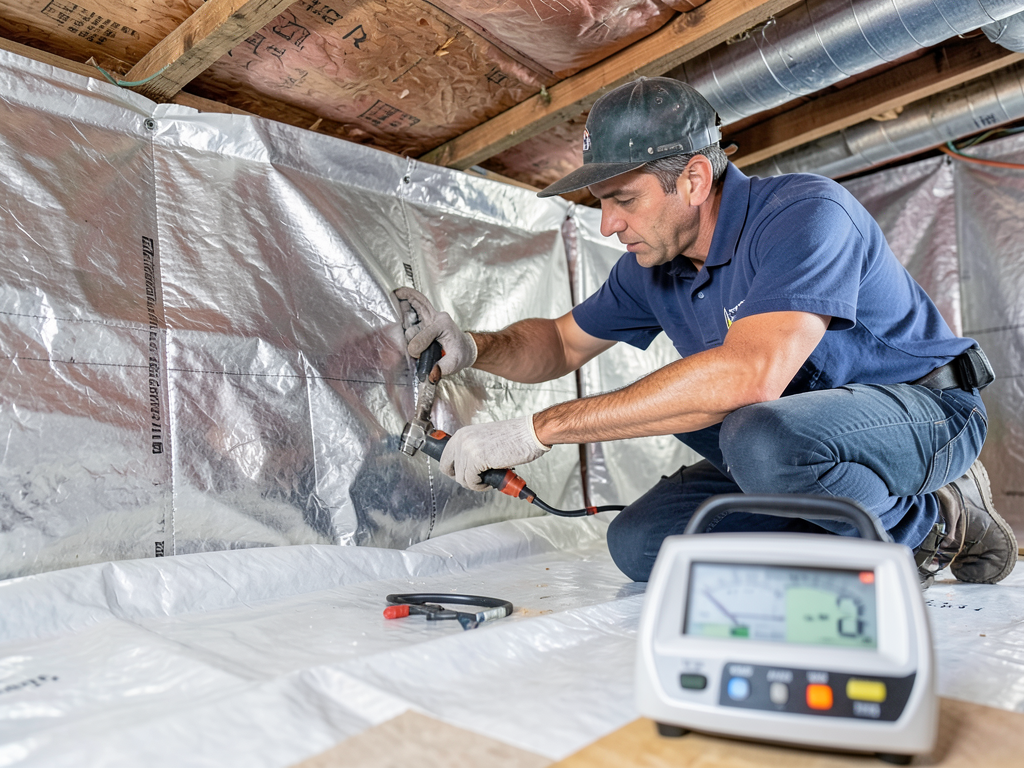
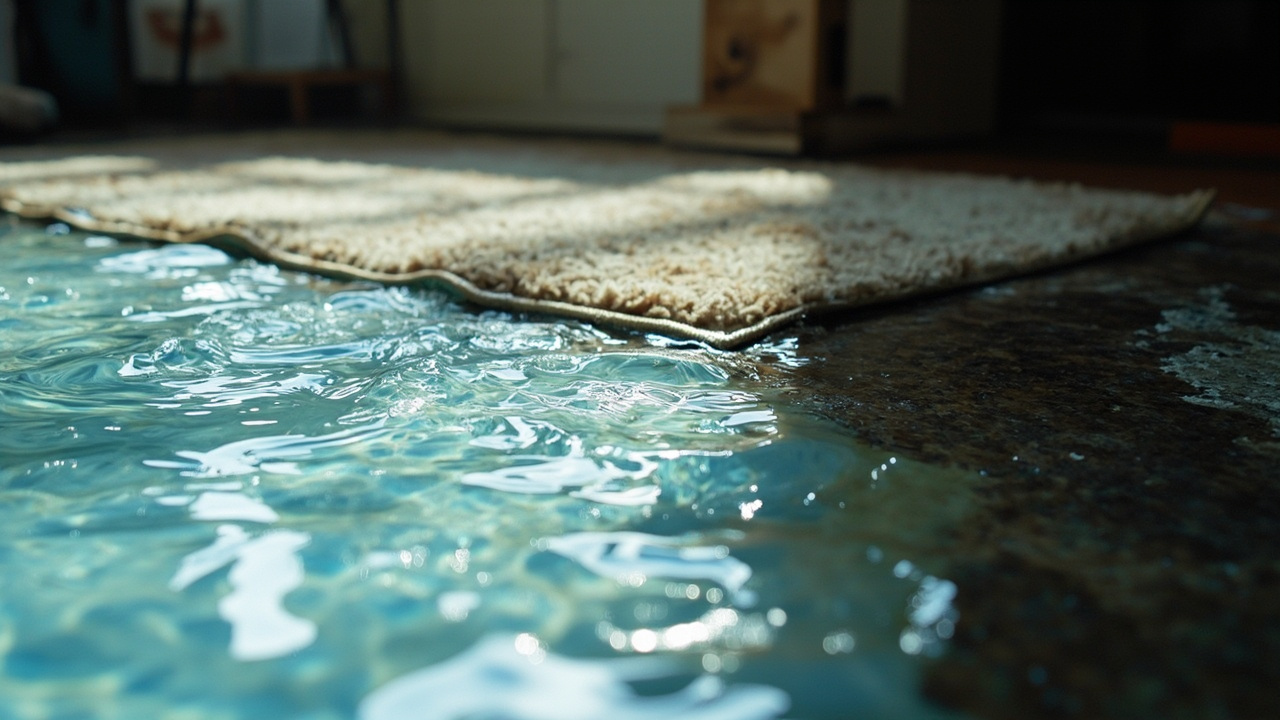
Category 1 water comes from sanitary sources like supply lines, faucets, or rainwater that has not contacted building materials. This clean water still damages drywall and flooring, but it poses minimal health threats if extracted quickly. We use moisture meters and thermal imaging to map the affected area and confirm no hidden contamination exists.

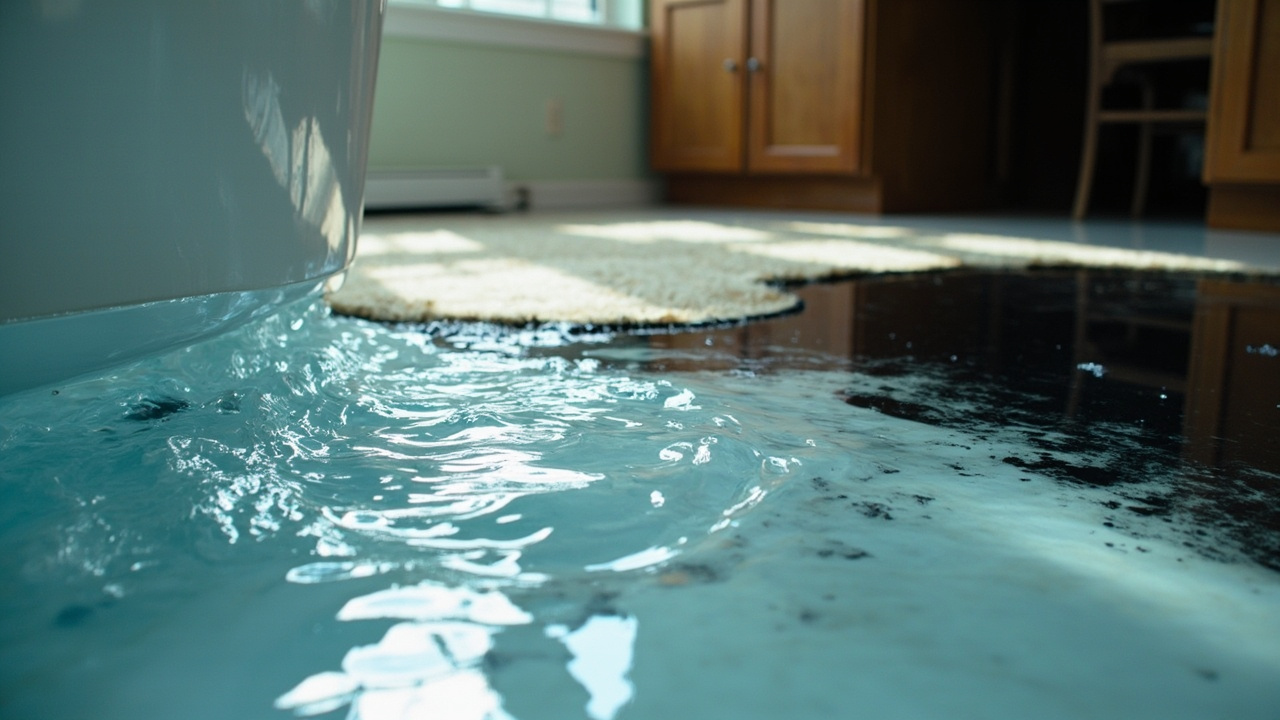
Category 2 grey water contains significant contamination from washing machines, dishwashers, toilet bowls without feces, or sump pump failures. This water carries bacteria and requires antimicrobial treatment. We wear protective equipment during extraction and apply EPA-registered disinfectants to all contacted surfaces. Seattle homes with finished basements face Category 2 events regularly when appliances malfunction.

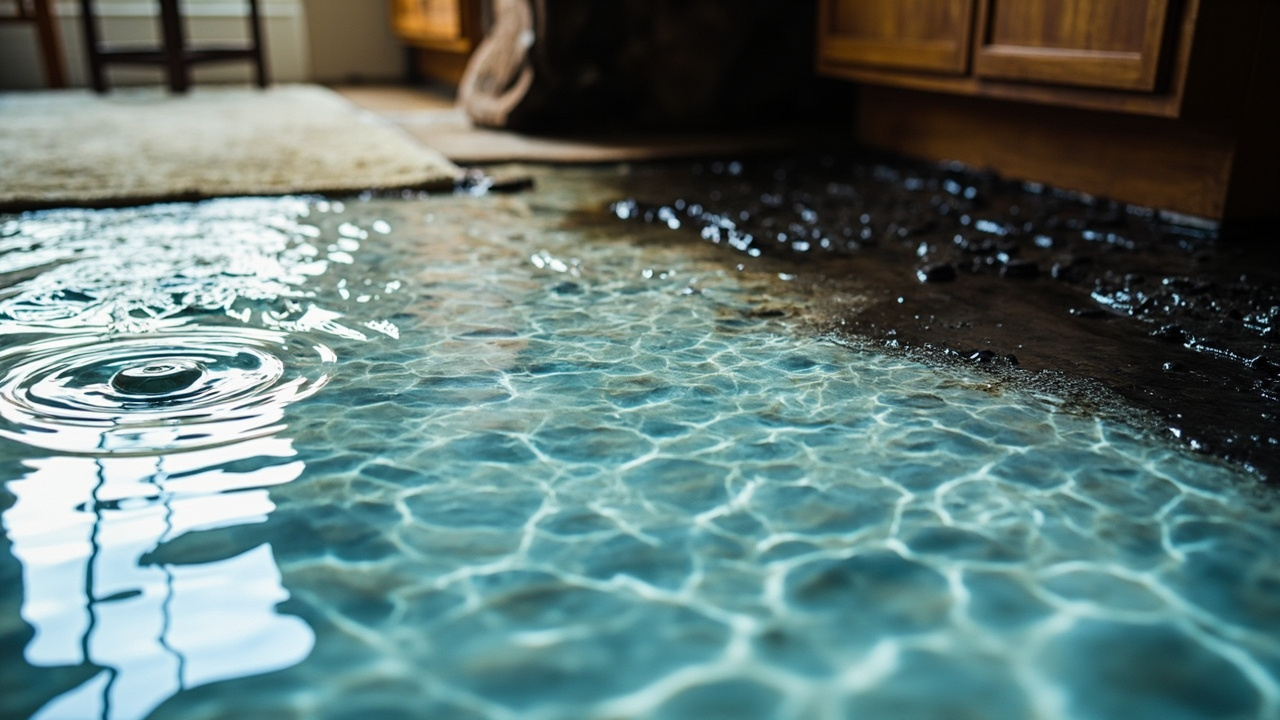
Category 3 black water is grossly contaminated. Sewage backups, flooding from rivers or Puget Sound intrusion, and toilet overflows with feces create Category 3 conditions. This water contains pathogens, toxins, and harmful bacteria. We follow strict containment protocols, remove all porous materials that contacted the water, and apply hospital-grade disinfection. This is not a DIY situation.

We document water categories with photos, moisture readings, and detailed notes for insurance claims. Adjusters need proof of contamination levels to approve proper restoration scope. Our technicians know the difference between grey water requiring surface treatment and black water demanding full removal and reconstruction.

What Happens During Water Category Assessment in Seattle

Categories of Water in Seattle – Understanding Contamination Levels That Protect Your Property and Health
01

Source Identification

We locate where the water originated and determine its contamination level at the source. A broken supply line registers as Category 1, while a toilet overflow is Category 3. We inspect the entire flow path because clean water becomes contaminated after contacting building materials, sewage, or soil. Seattle's old cast iron drain lines often contribute contamination that changes water quality classifications mid-event.
02

Contamination Testing

We take moisture readings and visual samples to confirm IICRC water categories. Category 2 water shows discoloration and odor. Category 3 water contains visible debris and produces a sewage smell. Our technicians wear nitrile gloves during assessment to avoid pathogen exposure. We mark containment zones with plastic barriers to prevent cross-contamination to unaffected areas before extraction begins.
03

Documentation and Classification

We record the official water category in your restoration plan and communicate safety requirements to all workers. This classification determines which materials get salvaged and which require removal. We photograph contaminated materials and log disposal methods for insurance documentation. Your final report includes water quality classifications that justify the scope of work and help prevent future claim disputes with adjusters.

Why Seattle Property Owners Trust Local Water Contamination Expertise

Seattle properties face water intrusion scenarios that require local knowledge. Puget Sound proximity creates groundwater pressure that pushes contaminated water through foundation cracks. Combined sewer systems in older neighborhoods like Georgetown and Fremont back up during heavy rain, sending Category 3 water into basements without warning. We understand these patterns because we work in these neighborhoods every day.

National franchises follow generic protocols that miss Seattle-specific contamination risks. They classify water based on initial source without considering how our soil composition, sewer infrastructure, and rainfall patterns change water quality classifications during an event. A basement flood in West Seattle differs from one in Northgate because of elevation, soil type, and drainage system age.

Evergreen Water Damage Restoration Seattle trains technicians on IICRC standards and local contamination factors. We know that Category 1 water in a crawl space becomes Category 2 within hours due to contact with dirt and insulation. We know that aging sewer laterals in pre-1950 homes create higher Category 3 risk during winter months when root intrusion peaks.

Our relationship with Seattle Department of Construction and Inspections means we understand permit requirements for Category 3 restoration projects. Some insurance companies try to authorize Category 1 protocols for Category 2 events to reduce costs. We advocate for accurate classification because your health matters more than adjuster budgets.

We also understand Seattle's mold growth timeline. Humidity stays above 60 percent nine months per year. Category 2 water in wall cavities produces mold within 48 hours if not properly dried. We factor in local climate when setting equipment and monitoring moisture levels during restoration.

What to Expect During Water Category Assessment and Restoration

Response Time and Availability

We arrive within 60 minutes for emergency water damage in Seattle. Time changes water categories. Clean water sitting for 48 hours becomes grey water as bacteria multiply. We assess contamination levels immediately to prevent category escalation. Our technicians work 24/7 because water does not wait for business hours. Category 3 events receive priority dispatch due to health risks. We bring testing equipment and protective gear to every call because initial reports often underestimate actual contamination levels present at the scene.

Assessment and Classification Process

Our technicians inspect the source, test moisture levels, and examine all affected materials before assigning an IICRC water category. We explain what the classification means for your family's safety and your property's restoration. You receive a written assessment with photos documenting contamination evidence. We walk you through which materials need removal versus treatment. This assessment takes 30 to 60 minutes depending on property size and damage extent. We never rush classification because accuracy protects your health and prevents incomplete restoration that leads to mold.

Restoration Quality and Standards

We follow IICRC S500 standards for all water categories. Category 1 work includes extraction, drying, and dehumidification with daily moisture monitoring. Category 2 requires antimicrobial application and disposal of porous materials that absorbed contamination. Category 3 demands complete removal of all contacted porous materials, HEPA air filtration, and surface disinfection. We test moisture levels until readings confirm complete drying. Your property meets pre-loss condition without hidden contamination. We do not cut corners on safety protocols regardless of insurance pressure.

Documentation and Insurance Support

We provide detailed reports that justify the assigned water category and resulting scope of work. Insurance adjusters sometimes dispute Category 2 or 3 classifications to reduce claim payouts. Our documentation includes source photos, contamination evidence, and IICRC standard references that support proper restoration protocols. We communicate directly with adjusters and explain why contamination levels require specific treatments. You receive copies of all moisture readings, disposal receipts, and material testing results. This documentation protects you if disputes arise months later when hidden damage appears from incomplete restoration.

Frequently Asked Questions

You Have Questions,
We Have Answers

What are the 5 types of water? +

In water damage restoration, professionals classify water into three contamination categories, not five general types. Category 1 is clean water from supply lines or rain. Category 2 is gray water containing contaminants from appliances or washing machines. Category 3 is black water, highly contaminated with sewage or floodwater. Seattle homes often face Category 1 incidents from burst pipes during winter freezes or Category 3 from sewer backups in older neighborhoods like Capitol Hill. Understanding these categories helps you respond appropriately and communicate with your insurance adjuster about contamination risks.

What are the three categories of water? +

Water damage falls into three contamination categories. Category 1 is clean water from broken supply lines, rain, or melting snow. It poses minimal health risk initially but degrades quickly. Category 2 is gray water from dishwashers, washing machines, or toilet overflow without feces. It contains bacteria and chemicals. Category 3 is black water from sewage backups, flooding, or standing water over 48 hours. Seattle properties frequently experience Category 1 from plumbing failures and Category 3 from combined sewer overflows during heavy rainfall events. Each category requires different safety protocols and extraction methods.

What is category 1, 2, and 3 water? +

Category 1 water is clean, sanitary water from supply lines, rain, or snow melt. It poses no immediate health threat but can degrade within 48 hours. Category 2 water contains contaminants from appliances, sinks, or toilet bowls without sewage. It may cause illness if ingested. Category 3 water is grossly contaminated with sewage, chemicals, or microorganisms. It requires professional remediation and protective equipment. Seattle homes built before 1950 in neighborhoods like Ballard face higher Category 3 risks due to aging sewer infrastructure and combined stormwater systems that can overwhelm during Pacific storms.

What are the different types of water categories? +

Water damage restoration uses three contamination categories defined by the IICRC. Category 1 water originates from sanitary sources like water supply lines or rainwater before ground contact. Category 2 water comes from appliances, aquariums, or contains significant contamination like urine or detergents. Category 3 water is grossly unsanitary, containing sewage, rising floodwater, or standing water breeding bacteria. These categories determine safety equipment, cleaning methods, and material disposal requirements. Seattle properties face unique challenges with Category 3 events during king tides in waterfront areas or when basement sump pumps fail during winter storms.

What are the 7 types of water? +

The seven general types of water refer to drinking water classifications, not restoration categories. Water damage professionals use three contamination categories. Category 1 is clean water from sanitary sources. Category 2 contains contaminants and chemicals. Category 3 is grossly unsanitary with sewage or floodwater. For restoration purposes in Seattle, focus on these three categories. Your property may experience Category 1 from supply line breaks during freezing temperatures, Category 2 from dishwasher leaks, or Category 3 from sewer backups in low-lying areas near Elliott Bay or Lake Washington during heavy rain events.

What are the 10 forms of water? +

The 10 forms of water describe physical states like ice, vapor, and liquid phases in chemistry. For water damage restoration, you need to understand three contamination categories, not physical forms. Category 1 is sanitary water from clean sources. Category 2 is gray water with chemical or biological contaminants. Category 3 is black water with severe contamination from sewage or flooding. Seattle properties must address these categories correctly because moisture from Puget Sound and frequent rainfall creates conditions where Category 1 water rapidly becomes Category 2 within 48 hours if not extracted immediately.

What are the different classifications of water? +

Water damage classification systems use three contamination categories, not multiple classification schemes. Category 1 water is clean and sanitary from supply lines or precipitation. Category 2 water contains contaminants that can cause discomfort or illness, originating from appliances or fixtures. Category 3 water is grossly contaminated with pathogenic agents from sewage or ground surface water. Seattle restoration professionals also consider water classes based on evaporation rate and material absorption. Class 1 affects minimal porous materials. Class 4 requires specialty drying for hardwood, plaster, or stone common in historic Seattle homes.

What is category 3 water? +

Category 3 water is grossly contaminated water containing pathogenic, toxigenic, or harmful agents. Sources include sewage backups, toilet overflows with feces, rising floodwater from rivers or ground surface, and any standing water over 48 hours that breeds bacteria. Category 3 requires professional extraction with protective equipment, antimicrobial treatments, and often material removal. Seattle properties face Category 3 risks from combined sewer overflows during storms, basement flooding in areas near Green Lake or the Duwamish Waterway, and groundwater intrusion in neighborhoods with high water tables. Never attempt Category 3 cleanup yourself.

What are the 4 categories of water use? +

The four categories of water use refer to municipal water management: residential, commercial, industrial, and agricultural. This differs from restoration contamination categories. For water damage, focus on three categories. Category 1 is clean water. Category 2 contains contaminants. Category 3 is grossly unsanitary. Seattle water management separates potable supply from stormwater runoff, but combined sewer systems in older neighborhoods mean heavy rainfall can cause Category 3 basement flooding. Understanding contamination categories helps you explain damage severity to insurance adjusters and restoration professionals during property assessment and documentation.

What are the four classes of water? +

Water damage has four evaporation-based classes, different from contamination categories. Class 1 affects minimal porous materials with slow evaporation. Class 2 affects entire rooms with fast evaporation from carpet and walls. Class 3 involves ceiling, walls, insulation, and subflooring with fastest evaporation. Class 4 requires specialty drying for low-porosity materials like hardwood, plaster, and concrete. Seattle homes often experience Class 2 or 3 damage from winter pipe bursts or roof leaks during heavy rain. Classes determine equipment needed and drying time. Combine class assessment with contamination category for complete damage evaluation.

How Seattle's Combined Sewer System Elevates Water Contamination Risk

Seattle operates combined sewer systems in older neighborhoods where stormwater and sewage flow through the same pipes. During heavy November through March rainfall, these systems overflow and push Category 3 contaminated water into basements through floor drains and foundation cracks. Properties in lower elevation areas like SODO, Georgetown, and parts of Ballard face the highest risk. One inch of rain in 24 hours can trigger backups that mix raw sewage with stormwater. This creates immediate Category 3 conditions requiring professional containment and disposal protocols.

Evergreen Water Damage Restoration Seattle works with Seattle Public Utilities and understands local sewer infrastructure vulnerabilities. We know which neighborhoods face combined sewer overflow risk and how to document contamination for insurance claims. Our technicians recognize the difference between clean groundwater intrusion and sewage-contaminated water that requires Category 3 protocols. This local expertise prevents misclassification that leaves your family exposed to pathogens. We also help property owners install backwater valves after restoration to prevent future Category 3 events during storm seasons.


Water Damage Restoration Services in The Seattle Area

Evergreen proudly serves Seattle and its surrounding communities with professional water damage restoration you can count on. Whether you’re downtown, in the suburbs, or nearby, our responsive team is just a call away. View our service area on the map to see if we’re available in your neighborhood. We’re committed to helping local homeowners and businesses recover fast—so if you need help, we’ll come to you. Use the map below to locate our base or service radius and reach out anytime.

Address:
Evergreen Water Damage Restoration Seattle, 600 Stewart St, Seattle, WA, 98101

Additional Services We Offer

Our news updates

Latest Articles & News from The Blogs

How to Handle a Flooded Storage Unit in SODO Without Losing Your Belongings Finding your storage unit under inches of…

How to Handle a Flooded Storage Unit in SODO Without Losing Your Belongings

How to Handle a Flooded Storage Unit in SODO Without Losing Your Belongings Finding your storage unit under inches of…

Why Your Sunset Hill Home Needs Immediate Restoration After a Frozen Outdoor Faucet Bursts

Why Your Sunset Hill Home Needs Immediate Restoration After a Frozen Outdoor Faucet Bursts A frozen outdoor faucet in Sunset…

Restoring Retail Spaces in Southcenter After a Mall Pipe Burst

Restoring Retail Spaces in Southcenter After a Mall Pipe Burst A burst pipe in a retail mall can shut down…

Contact Us

Do not guess at water contamination levels. Call Evergreen Water Damage Restoration Seattle at (564) 220-5525 for immediate IICRC-standard assessment. We arrive within 60 minutes, test contamination onsite, and start safe mitigation based on actual water quality classifications. Your health depends on accurate identification.