
How to Handle a Flooded Storage Unit in SODO Without Losing Your Belongings
Finding your storage unit under inches of water in Seattle’s SODO district triggers immediate panic. The industrial area’s low elevation near the Duwamish River and aging drainage systems create perfect conditions for flooding during heavy rains or plumbing failures. Your first priority is stopping the water source, then protecting your belongings from permanent damage. This guide walks you through the exact steps to salvage your items and restore your storage space. How to Get Fast Water Damage Help in Capitol Hill Without the Wait.
Understanding SODO’s Flood Risk Profile
SODO’s flood vulnerability stems from multiple factors. The district sits in a natural basin where the Duwamish River historically flowed, creating low-lying areas prone to groundwater seepage. Combined with Seattle’s average 37 inches of annual rainfall and the area’s industrial drainage infrastructure, storage units face unique challenges. Many facilities use concrete slab foundations without proper vapor barriers, allowing water to wick upward during saturation events. Water Damage Restoration Shoreline.
Local building codes require moisture control measures, but older facilities may not meet current Washington State Energy Code standards for vapor barriers. When floodwater enters, it can carry contaminants from nearby industrial operations, creating Category 2 or 3 water situations that require professional remediation. Washington State Department of Ecology.
Immediate Actions When You Discover Flooding
Your response time determines what survives the flood. Within the first 24-48 hours, mold can begin growing on organic materials. Follow this sequence:
- Stop the Water Source
Locate the main shutoff valve for your unit’s plumbing or contact facility management if the flooding originates from common areas.
- Document Everything
Take timestamped photos and videos before touching anything. This documentation proves essential for insurance claims and facility liability assessment. Document Drying & Restoration.
- Remove Valuables Immediately
Prioritize electronics, documents, and irreplaceable items. Move them to dry ground or your vehicle. Water conducts electricity, so avoid standing in pooled water near electrical outlets. Water Damage Restoration Burien.
Assessing Water Categories and Contamination Levels
Not all floodwater carries the same risks. The Institute of Inspection Cleaning and Restoration Certification (IICRC) classifies water into three categories based on contamination: IICRC water damage classification standards.
| Water Category | Source | Health Risk | Restoration Approach |
|---|---|---|---|
| Category 1 | Clean water from broken pipes or rainwater | Low | Drying and cleaning sufficient |
| Category 2 | Gray water from washing machines, sump pump failures | Medium | Disinfection required |
| Category 3 | Black water from sewage, river flooding, industrial runoff | High | Complete removal and sanitization |
SODO’s industrial setting increases the likelihood of Category 2 or 3 water. The Duwamish River’s proximity means floodwater can carry industrial chemicals, oils, and biological contaminants. When in doubt, treat all floodwater as contaminated and wear protective equipment.
Water Removal Techniques for Storage Units
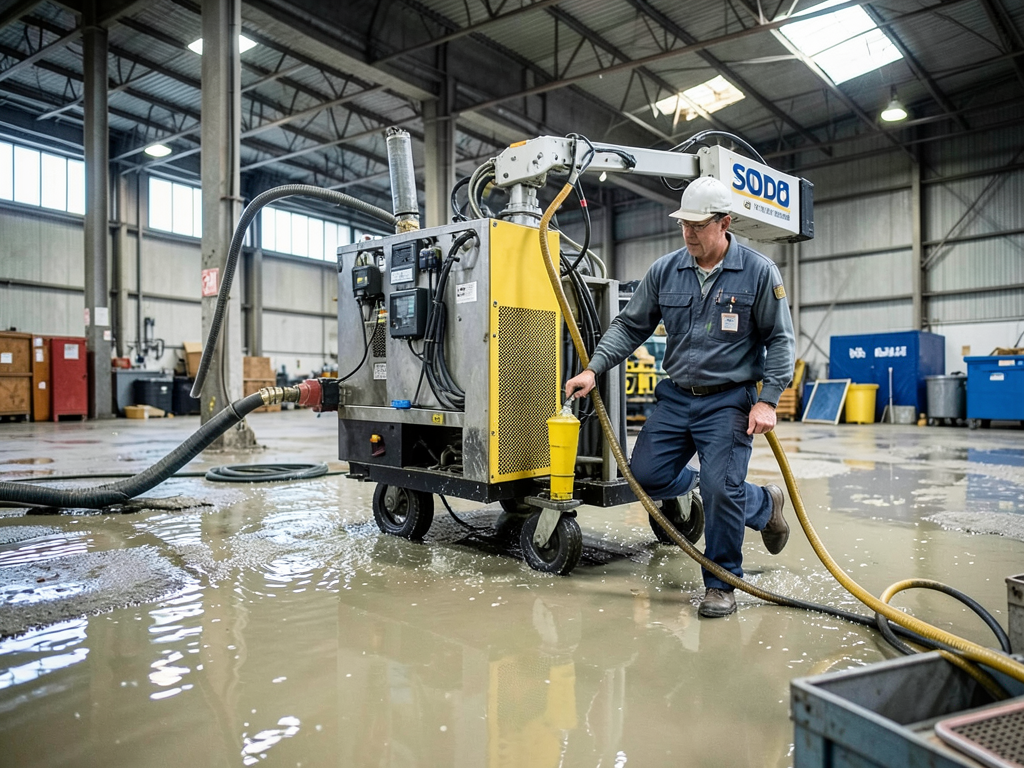
Professional water extraction equipment removes water far more efficiently than shop vacuums or mops. Truck-mounted extraction units can remove thousands of gallons per hour, while portable units work well in confined spaces. The key metric is extraction rate versus water volume. Why You Need Professional Sewage Cleanup in Bellevue Before Your Floors Are Ruined.
For standing water deeper than one inch, submersible pumps provide the fastest removal. Position the pump’s discharge hose toward drains or outside the facility. Monitor the pump’s operation – overheating indicates blockage or excessive demand.
Surface extraction follows pumping. Professional extractors use weighted wands that compress carpets and padding while suctioning water. This process removes water from materials rather than just surface liquid. A single pass with professional equipment removes 80-90% of water that would remain after DIY attempts.
Drying Strategies for Different Material Types
Different materials require specific drying approaches. Wood furniture expands when wet and may crack during rapid drying. Paper documents need controlled humidity to prevent ink bleeding and page adhesion. Electronics require specialized drying chambers to prevent corrosion.
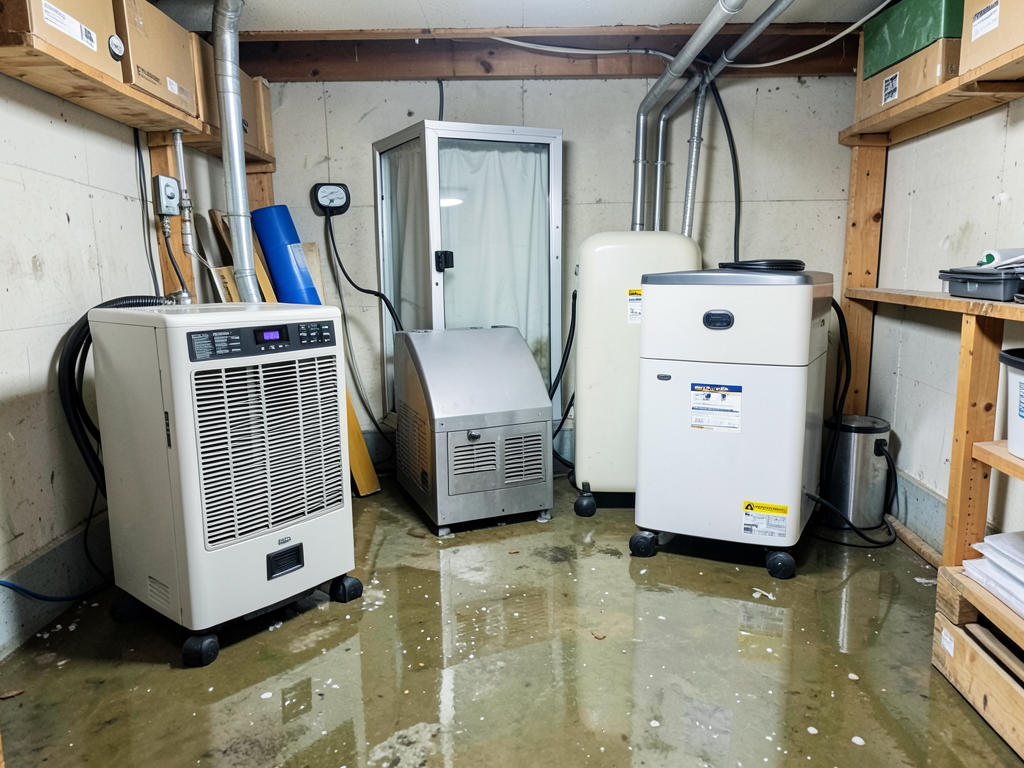
Low Grain Refrigerant (LGR) dehumidifiers work best in Seattle’s climate. These units remove moisture even when relative humidity drops below 40%, achieving 40-50% better performance than conventional dehumidifiers in cool, damp conditions. Place dehumidifiers with 360-degree air circulation in mind – blocked airflow reduces efficiency by up to 60%.
Air movers create the evaporation needed for successful drying. Position fans to create cross-currents rather than pointing directly at wet surfaces. This technique prevents surface drying that traps moisture beneath materials.
Content Salvage Decision Matrix
Not everything can be saved, but many items survive with proper intervention. Create a triage system based on material type, water exposure duration, and contamination level:
| Material Type | Salvage Potential | Critical Factors | Professional Intervention Needed |
|---|---|---|---|
| High if addressed within 48 hours | Immediate freezing prevents mold | Yes – freeze-drying equipment | |
| Electronics | Medium to High | Power disconnection before water contact | Yes – ultrasonic cleaning |
| Upholstered Furniture | Low to Medium | Category of water, cushion construction | Yes – antimicrobial treatment |
| Metal Items | High | Corrosion inhibitors prevent rust | No – surface cleaning sufficient |
| Textiles | Medium | Washable vs. dry clean only | Yes – commercial laundering |
Documents and photographs often survive water exposure if frozen within 24 hours. Freezing stops deterioration and mold growth. Professional document restoration services use sublimation chambers to remove moisture without damaging ink or paper fibers.
Preventing Secondary Damage in Seattle’s Climate
Seattle’s persistent humidity creates conditions where materials stay damp long after surface water disappears. This environment promotes mold growth even when items feel dry to touch. Relative humidity above 60% allows mold spores to germinate within 48-72 hours.
Professional drying targets moisture content specific to each material. Wood should reach 12% moisture content, while concrete requires drying to 6% for flooring installation. Use moisture meters to verify rather than relying on touch or appearance.
Temperature affects drying rates significantly. In Seattle’s cool climate, raising ambient temperature by 10 degrees can double evaporation rates. However, excessive heat can damage certain materials, so professional drying balances temperature, humidity, and airflow.
Insurance and Documentation Requirements
Most storage facilities require tenants to carry insurance, but standard policies may exclude flood damage. Review your coverage before emergencies occur. Document damage thoroughly with photos, videos, and written inventories.
Keep all receipts for emergency services, equipment rentals, and replacement items. Insurance adjusters need proof of loss and mitigation efforts. Professional restoration companies often provide direct billing to insurance companies, simplifying the claims process.
Washington State requires insurance companies to respond to claims within 30 days. If you experience delays, contact the Washington State Office of the Insurance Commissioner for assistance.
Long-term Storage Protection Strategies
After recovering from a flood, implement protection measures to prevent future damage. Elevate items on pallets or shelving units at least six inches above floor level. This simple step protects against minor flooding and groundwater seepage.
Use plastic bins instead of cardboard boxes for valuable items. Plastic resists water damage and creates a moisture barrier. Add silica gel packets to absorb ambient humidity within sealed containers.
Consider climate-controlled units for sensitive items like documents, electronics, or antiques. While more expensive, these units maintain stable temperature and humidity levels, reducing flood risk and preventing damage from Seattle’s seasonal humidity swings.
Professional Restoration vs. DIY Approaches
DIY water removal works for clean water incidents under 10 square feet. Beyond that threshold, professional equipment and expertise become cost-effective. Consider these factors when deciding:
- Water volume and contamination level
- Material types affected
- Available equipment and expertise
- Time since flooding began
- Insurance requirements
Professional restoration companies use industrial-grade equipment achieving results impossible with rental units. Their moisture detection equipment finds hidden water in wall cavities and under flooring where DIY methods miss. This thoroughness prevents mold growth and structural damage.
Most restoration companies offer free assessments and can begin work immediately. Their emergency response teams arrive within hours, not days, when time matters most.
Frequently Asked Questions
How long do I have before mold starts growing?
Mold can begin growing within 24-48 hours of water exposure, especially in Seattle’s humid climate. The combination of moisture, organic materials, and temperatures between 77-86°F creates ideal conditions for rapid mold colonization.
Can I save wet documents without professional help?
You can freeze documents immediately to stop deterioration, but professional freeze-drying equipment achieves better results. If freezing isn’t possible, separate pages and air dry in a cool, well-ventilated area. Avoid heat, which can cause ink to bleed and pages to warp permanently.
Will my storage facility cover flood damage?
Most storage facilities require tenants to carry insurance and exclude coverage for tenant belongings. Review your lease agreement and insurance policy. Some credit card companies offer purchase protection that may cover damaged items if you used their card for storage payments.
How do I know if water is contaminated?
Category 1 water appears clean and comes from broken pipes or rainwater. Category 2 may have discoloration or odor from appliances. Category 3 often smells foul, has visible contamination, or comes from sewer or river sources. When uncertain, treat all floodwater as contaminated and wear protective equipment.
What equipment should I buy for future emergencies?
Basic emergency kit should include a wet/dry vacuum (6+ gallon capacity), moisture meter, dehumidifiers (commercial grade if possible), air movers, and waterproof gloves. Store these items in an easily accessible location, not buried in your storage unit.
Take Action Before More Damage Occurs
Every hour of delay increases restoration costs and reduces salvage potential. If your SODO storage unit floods, immediate professional intervention can save thousands in replacement costs and preserve irreplaceable items. Contact a restoration company that understands Seattle’s unique climate challenges and industrial district risks. Your belongings deserve expert care during their most vulnerable moment.
You may also find this helpful. Solving Chronic Garage Floor Drain Backups in Your Lakewood Home.