
menu

Sanitization & Odor Removal in Seattle | Complete Disinfection After Water Damage

Evergreen Water Damage Restoration Seattle eliminates harmful bacteria, mold spores, and persistent odors using EPA-registered antimicrobial treatment and industrial-grade deodorization equipment proven effective in Seattle's high-moisture climate.

Slider Image 1
Slider Image 2
Slider Image 3
Slider Image 4
Slider Image 5
Slider Image 7
Slider Image 8
Slider Image 9
Slider Image 10
Slider Image 11

Why Water Damage Creates Persistent Odor and Health Risks in Seattle Homes

Seattle's persistent drizzle and humidity create perfect conditions for microbial growth after water intrusion. When water soaks into drywall, insulation, or subflooring, you face two distinct problems. First, bacterial colonization begins within 24 hours, creating health hazards for anyone with respiratory sensitivities. Second, organic material breakdown produces volatile organic compounds that generate the musty smell you cannot eliminate with air fresheners or open windows.

The Pacific Northwest climate compounds these issues. Homes in neighborhoods like Queen Anne and Capitol Hill experience limited airflow during our extended rainy season. Moisture trapped in wall cavities or beneath flooring creates anaerobic conditions where sulfur-reducing bacteria thrive. These organisms produce hydrogen sulfide, the rotten egg smell that signals serious contamination.

You might think surface cleaning solves the problem. It does not. Odor molecules penetrate porous materials at the microscopic level. Without proper disinfection and deodorization, you simply mask symptoms while contamination spreads. Category 2 and Category 3 water intrusions, common from sewage backups or storm flooding near the Duwamish Waterway, require antimicrobial treatment to neutralize pathogens like E. coli and Salmonella.

Seattle's aging housing stock presents additional challenges. Many pre-1960 homes in Ballard and Fremont feature crawl spaces with inadequate vapor barriers. When groundwater seeps through foundation walls, it saturates wooden joists and creates persistent dampness that standard cleaning cannot address. Professional odor control services target contamination at the source, not just the symptom.

Why Water Damage Creates Persistent Odor and Health Risks in Seattle Homes
How Professional Sanitizing and Deodorizing Eliminates Contamination

How Professional Sanitizing and Deodorizing Eliminates Contamination

Effective sanitization requires a systematic approach that addresses both surface contamination and airborne particulates. We begin with hydroxyl generators and thermal foggers, not ozone machines that damage rubber and plastics common in Seattle homes. Hydroxyl technology breaks down odor molecules through oxidation while remaining safe for occupied spaces.

Our antimicrobial treatment protocol follows IICRC S500 standards. We apply EPA-registered disinfectants to all affected surfaces using electrostatic sprayers that ensure complete coverage, even on irregular surfaces like textured ceilings or behind wall-mounted fixtures. The electrostatic charge causes disinfectant particles to wrap around surfaces, reaching areas manual wiping misses.

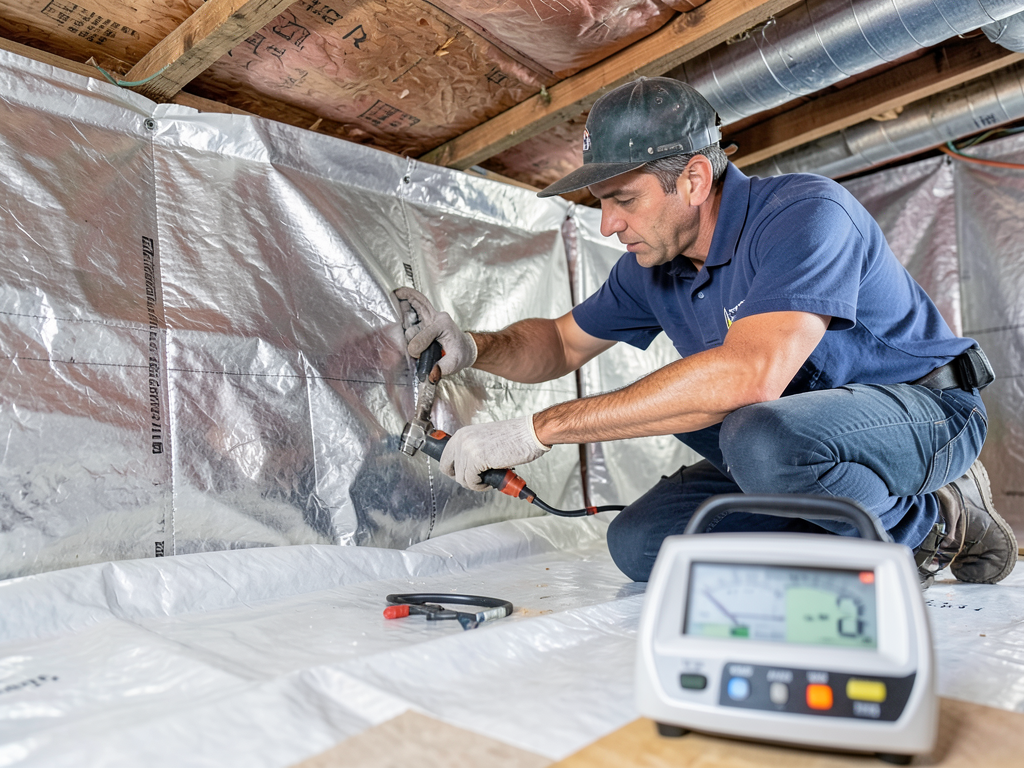
For porous materials like drywall and insulation, surface treatment proves insufficient. We inject antimicrobial solutions directly into wall cavities using specialized equipment. This addresses hidden contamination that conventional cleaning cannot reach. In cases involving sewage or Category 3 water, we remove and dispose of contaminated materials following Washington State Department of Health protocols.

Odor abatement extends beyond chemical treatment. We use negative air machines equipped with HEPA filtration and activated carbon filters to remove airborne contaminants. These units create controlled airflow that prevents cross-contamination to unaffected areas, particularly important in multi-story homes common throughout Green Lake and Wallingford.

Temperature and humidity control accelerates the sanitization process. We maintain conditions that inhibit microbial growth while our treatments work. Psychrometric monitoring ensures we hit the target vapor pressure deficit that prevents secondary mold growth, a common problem when restoration companies rush the drying process to move to the next job.

What Happens During Your Sanitization Service

Sanitization & Odor Removal in Seattle | Complete Disinfection After Water Damage
01

Contamination Assessment and Mapping

Our technicians use moisture meters, thermal imaging cameras, and ATP testing to identify all contaminated areas. We document moisture levels, temperature gradients, and microbial activity with photographic evidence. This assessment determines which materials require treatment versus removal. You receive a detailed scope explaining exactly what we need to sanitize, why specific protocols apply, and what results you can expect.
02

Multi-Stage Disinfection Application

We apply antimicrobial solutions in stages, allowing proper dwell time for each product. Surface disinfection comes first, followed by injection treatment for porous materials. Hydroxyl generators run continuously to neutralize airborne contaminants. We use different chemistries for different contamination types because Category 2 water requires different treatment than Category 3 sewage intrusion. All products meet EPA efficacy standards against target pathogens common in Seattle water damage scenarios.
03

Verification and Clearance Testing

After treatment, we conduct ATP bioluminescence testing to verify surface cleanliness and use particle counters to measure airborne contamination levels. Moisture readings confirm materials have reached equilibrium moisture content appropriate for Seattle's climate. You receive clearance documentation showing contamination has been reduced to acceptable levels. We explain what maintenance steps prevent recurrence and when to schedule follow-up inspections if needed.

Why Seattle Properties Need Specialized Local Expertise for Odor Removal

Seattle's water damage challenges differ significantly from drier climates. Our persistently high humidity means contaminated materials never fully dry without intervention. We understand how the marine air affects drying times and which dehumidification strategies work in homes built on clay soil common to Columbia City and Beacon Hill.

Evergreen Water Damage Restoration Seattle maintains relationships with local environmental testing labs when situations require third-party verification. We know which situations trigger mandatory reporting under King County Health Department regulations. When properties near the Ship Canal or Lake Washington experience flooding, we understand the specific contaminants present in those water sources and which treatment protocols apply.

Our technicians receive ongoing training on Washington State building codes and Seattle's specific requirements for properties in historic districts like Pioneer Square. We document our work to support insurance claims filed through local adjusters familiar with Seattle claim patterns. This local knowledge prevents the delays and disputes that occur when out-of-area restoration companies misunderstand regional requirements.

We stock equipment and products proven effective in Pacific Northwest conditions. The antimicrobial treatments we use perform reliably in cooler temperatures common during our extended wet season. Our hydroxyl generators work efficiently in the confined spaces typical of Seattle's compact home designs.

You need a restoration partner who understands that a basement flood in Seattle requires different treatment than the same scenario in Phoenix or Miami. Moisture behaves differently here. Microbial growth patterns follow different timelines. Material drying rates vary based on our specific climate conditions. This expertise directly affects whether your property returns to a genuinely safe, odor-free condition or whether problems resurface weeks later.

What You Can Expect From Our Sanitization and Odor Removal Service

Rapid Response and Service Timeline

We dispatch technicians to Seattle properties within two hours of your call. Initial assessment takes 45 to 90 minutes depending on property size and damage extent. Sanitization treatment begins immediately after assessment approval. Most residential projects require two to four days of active treatment, with equipment running continuously. Commercial properties or severe contamination may extend to seven days. We provide daily updates and adjust timelines based on testing results, not arbitrary schedules. Emergency service operates 24/7 because microbial growth does not wait for business hours.

Thorough Initial Evaluation Process

Your assessment includes moisture mapping of all affected areas, thermal imaging to identify hidden water intrusion, and documentation of contamination sources. We test for elevated microbial activity using ATP meters and explain results in plain language. You receive a written protocol detailing which areas require treatment, which materials need removal, and why specific methods apply to your situation. We identify the water category and explain how it affects health risks and treatment requirements. This evaluation supports insurance documentation and helps you understand exactly what restoration involves before work begins.

Verified Clean and Safe Results

Completion means documented proof of cleanliness, not subjective judgment. We provide ATP test results showing surface contamination reduced to acceptable levels, particle count data confirming air quality meets standards, and moisture readings demonstrating materials have reached equilibrium. You receive photographic documentation of the entire process from initial damage through final clearance. All treated surfaces receive antimicrobial protection that inhibits regrowth during the final drying phase. Your property does not just smell better. It tests clean using objective scientific measurement, giving you confidence the problem is actually solved.

Post-Treatment Support and Monitoring

We schedule a follow-up inspection 7 to 10 days after treatment completion to verify conditions remain stable. You receive written guidance on maintaining proper humidity levels specific to Seattle's climate and recognizing early warning signs of moisture problems. If you notice any recurring odors or moisture issues within 30 days, we return to reassess at no additional diagnostic charge. We maintain detailed records of all treatment performed, which supports insurance claims and provides valuable documentation for future property transactions. Our team remains available to answer questions about maintaining the improvements we have made to your indoor air quality.

Frequently Asked Questions

You Have Questions,
We Have Answers

What is the strongest odor eliminator? +

Professional-grade hydroxyl generators and ozone machines are the strongest odor eliminators, but require trained technicians to operate safely. For Seattle homeowners, enzymatic cleaners work well on organic odors like pet urine or mildew, which thrive in our damp climate. Activated charcoal and baking soda absorb light odors, but they mask the problem rather than eliminate the source. True odor removal requires identifying what caused the smell, removing contaminated materials if needed, and treating surfaces with the right chemistry. Water damage and mold are common culprits in Seattle homes due to year-round moisture.

What do nursing homes use to get rid of urine smell? +

Nursing homes rely on enzymatic cleaners that break down uric acid crystals at the molecular level. These bio-based products digest the organic compounds causing the smell rather than covering it up. Facilities also use negative air machines to control airflow and prevent odors from spreading. In Seattle's humid environment, moisture control is critical because urine odors intensify when humidity is high. Professional cleaning teams apply sub-surface extraction to pull contamination from padding and subfloors, not just surface carpeting. For severe cases, they replace affected materials and seal porous surfaces with odor-blocking primers before restoration.

How do I permanently get rid of a bad smell in my house? +

Permanently removing bad smells requires finding and eliminating the source, not masking it with air fresheners. Start by checking Seattle-specific problem areas like crawl spaces for standing water, HVAC ducts for mold growth, and behind appliances for hidden leaks. Remove any water-damaged materials like drywall or insulation. Clean all surfaces with appropriate solutions, then improve ventilation and reduce indoor humidity below 50 percent. For persistent odors from fire, pets, or sewage, you need professional equipment like thermal foggers or hydroxyl generators that neutralize odor molecules. DIY methods only work on surface-level smells.

What do nurses use to block smells? +

Nurses use mentholated ointments like Vicks VapoRub under their nostrils to block strong smells during patient care. Some wear masks infused with essential oils or peppermint. These tactics create a competing scent that overrides unpleasant odors temporarily. In water damage restoration, technicians do not mask smells. They eliminate them by removing contaminated materials, applying antimicrobial treatments, and using industrial air scrubbers with carbon filters. The Pacific Northwest's moisture creates unique odor challenges, so proper ventilation and dehumidification are essential during cleanup. Blocking smells is a short-term fix. Removing the source is the professional standard.

What kills all smells? +

Nothing kills all smells universally because different odors require different chemistry. Ozone generators oxidize organic molecules but cannot run while people are present. Hydroxyl generators are safer for occupied spaces and break down odor compounds through advanced oxidation. Enzymatic cleaners digest organic matter like urine or vomit. Thermal fogging penetrates porous materials with deodorizing particles. In Seattle homes, moisture-related odors from mold or mildew need antimicrobial treatment plus humidity control. Professional odor removal starts with identifying the contamination type, extracting the source, treating affected materials, and using the right equipment combination. One-size-fits-all products do not work.

What do hotels use to make the room smell good? +

Hotels use HVAC scent diffusion systems that disperse signature fragrances through air vents. They also rely on strict housekeeping protocols, including removing all trash, laundering linens with ozone-infused cycles, and deep-cleaning carpets regularly. Between guests, rooms get aired out and treated with odor neutralizers, not just air fresheners. In Seattle's hospitality market, hotels combat moisture-related mustiness with commercial dehumidifiers and air purifiers. The key difference is hotels prevent odors through aggressive cleaning schedules and environmental controls. Homes with persistent smells need the contamination source removed first, then professional deodorization, not just scent layering.

What is the old lady's smell called? +

The musty smell often associated with older adults is called nonenal. It comes from a chemical compound your skin produces more of after age 40, specifically 2-nonenal. This fatty acid breaks down and creates a grassy or greasy odor that clings to fabrics and surfaces. Poor ventilation makes it worse. In Seattle homes with limited airflow due to closed windows during rainy months, nonenal concentrates indoors. Regular laundering, air circulation, and deep cleaning of upholstered furniture help. If the smell persists after someone moves out, professional odor removal with hydroxyl treatment and thorough cleaning eliminates it from carpets and walls.

How do professionals remove pee smell? +

Professionals remove urine smell by extracting contamination from below the surface, not just cleaning the top layer. They use moisture meters to map the affected area, then apply enzymatic cleaners that break down uric acid crystals. Sub-surface extraction tools pull contamination from carpet padding and subflooring. If urine soaked into wood or concrete, they apply sealers after treatment to lock in any remaining odor molecules. In Seattle homes with crawl space moisture issues, urine odors can intensify. Severe cases require removing and replacing padding, treating subfloors with antimicrobial solutions, and running hydroxyl generators during drying.

What do morticians use to block smell? +

Morticians use formaldehyde-based embalming fluids to preserve bodies and control decomposition odors. They also apply topical creams and powders, plus use strong ventilation systems in preparation rooms. Commercial air purifiers with activated carbon filters absorb airborne particles. After traumatic death scenes or undiscovered deaths in homes, restoration companies do not use embalming chemicals. They remove all contaminated materials, treat surfaces with hospital-grade disinfectants, apply enzyme treatments to break down organic matter, and use ozone or hydroxyl generators. Seattle's moisture slows decomposition outdoors but accelerates microbial growth indoors, requiring aggressive decontamination and odor control during biohazard cleanup.

What is the hardest smell to get rid of in a house? +

Smoke and fire odors are the hardest smells to remove because microscopic soot particles penetrate porous materials like drywall, insulation, and HVAC ducts. The oily residue bonds to surfaces and reactivates with heat or humidity. In Seattle, moisture makes fire odors worse by reactivating soot particles. Complete removal requires washing all surfaces, sealing porous materials with odor-blocking primers, replacing soft goods, cleaning ductwork, and running thermal foggers or ozone machines. Decomposition odors rank second hardest because biological fluids soak deep into subflooring. Both require professional equipment and trained technicians, not DIY spray products.

How Seattle's Marine Climate Demands Specialized Odor Control Services

Seattle receives 38 inches of annual rainfall spread across 150 days, creating persistent humidity that accelerates microbial growth after water intrusion. Our marine climate produces outdoor relative humidity averaging 75 percent year-round, meaning affected materials in homes near Puget Sound or Lake Union never naturally dry to safe moisture content. This environmental reality makes professional disinfection and deodorization essential rather than optional. The same water damage that might resolve with basic drying in arid climates requires antimicrobial treatment here to prevent long-term contamination and odor problems.

Evergreen Water Damage Restoration Seattle has served King County residents for years, building expertise in the specific challenges our climate presents. We understand Seattle Department of Construction and Inspections requirements for restoration work and maintain relationships with local environmental consultants when complex situations require third-party verification. Our familiarity with neighborhood-specific issues, from combined sewer systems in older areas to flood-prone zones near the Duwamish River, ensures we apply appropriate protocols for your specific location. This local knowledge prevents the trial-and-error approach that occurs when national franchises apply generic solutions to Seattle's unique conditions.

Water Damage Restoration Services in The Seattle Area

Evergreen proudly serves Seattle and its surrounding communities with professional water damage restoration you can count on. Whether you’re downtown, in the suburbs, or nearby, our responsive team is just a call away. View our service area on the map to see if we’re available in your neighborhood. We’re committed to helping local homeowners and businesses recover fast—so if you need help, we’ll come to you. Use the map below to locate our base or service radius and reach out anytime.

Address:
Evergreen Water Damage Restoration Seattle, 600 Stewart St, Seattle, WA, 98101

Additional Services We Offer

Our news updates

Latest Articles & News from The Blogs

How to Stop Your Lake Forest Park Deck from Leaking into the Rooms Below If water from your deck seeps…

How to Stop Your Lake Forest Park Deck from Leaking into the Rooms Below

How to Stop Your Lake Forest Park Deck from Leaking into the Rooms Below If water from your deck seeps…

Why Your West Seattle Retaining Wall Could Be the Cause of Your Wet Basement

Why Your West Seattle Retaining Wall Could Be the Cause of Your Wet Basement \n\n West Seattle’s dramatic topography of…

Fixing Moisture Problems in Your Mukilteo Home After a Heavy Fog Season

Fixing Moisture Problems in Your Mukilteo Home After a Heavy Fog Season Living near Puget Sound means dealing with persistent…

Contact Us

Microbial growth accelerates every hour you wait. Call Evergreen Water Damage Restoration Seattle at (564) 220-5525 now for immediate assessment and treatment. We respond to Seattle properties 24/7 with the expertise and equipment to eliminate contamination permanently.