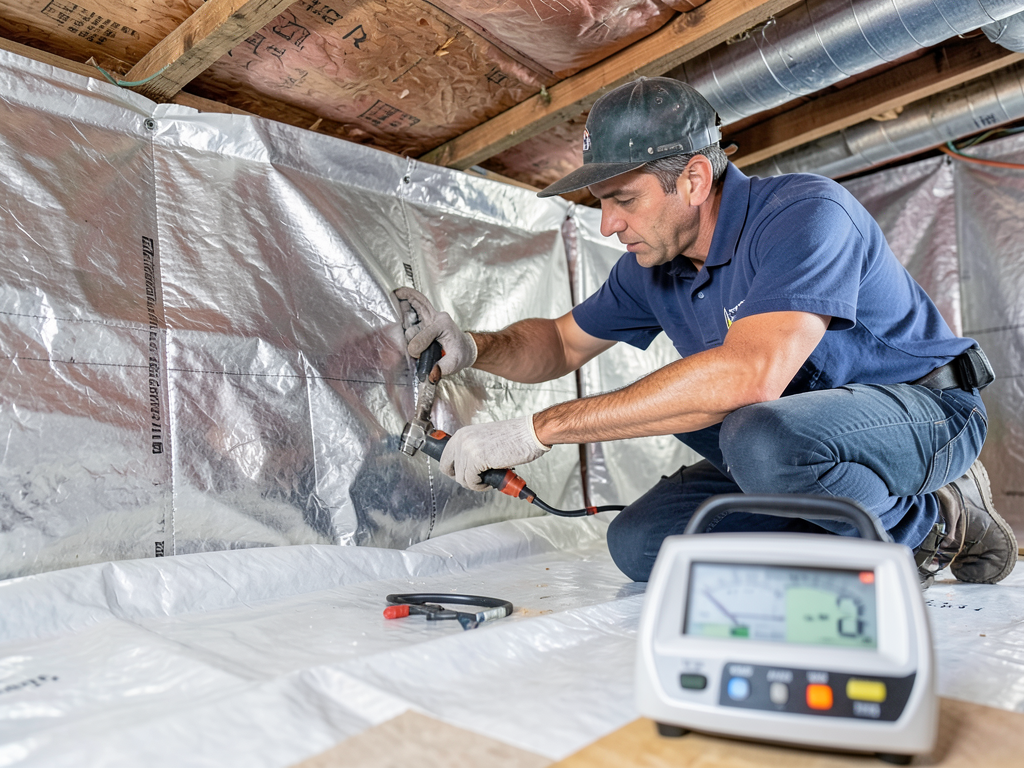



Seattle operates one of the largest combined sewer overflow systems in the Pacific Northwest. This infrastructure routes both sewage and stormwater through shared pipes in neighborhoods including Pioneer Square, International District, and areas adjacent to Elliott Bay. During heavy rainfall, which occurs frequently between October and May, system capacity exceeds design limits and forces sewage back into commercial buildings through floor drains and plumbing fixtures. Commercial properties in these districts face elevated contamination risk compared to areas with separated sewer systems. The city's ongoing CSO reduction project will take decades to complete, meaning commercial facilities in older neighborhoods require rapid response capabilities and relationships with industrial sewage cleanup providers who understand the unique failure patterns of combined sewer infrastructure.
Seattle Department of Construction and Inspections enforces stringent requirements for commercial remediation projects. Any work involving structural material removal must comply with asbestos survey requirements if the building predates 1980. Most commercial structures in Georgetown, SODO, and Ballard contain regulated materials requiring specialized handling. King County Health Department maintains jurisdiction over commercial kitchens, medical facilities, and food processing operations, requiring specific notification and reinspection protocols following sewage contamination. Local commercial sewage remediation requires knowledge of these overlapping regulatory frameworks. Providers without Seattle project experience create compliance gaps that trigger enforcement actions, delay project completion, and extend your business interruption period.