
menu

Sump Pump Failure Cleanup in Seattle – 24/7 Emergency Response Stops Water Damage Fast

When your sump pump fails, Evergreen Water Damage Restoration Seattle arrives within hours to extract standing water, dry your basement, and prevent mold growth before it starts.

Slider Image 1
Slider Image 2
Slider Image 3
Slider Image 4
Slider Image 5
Slider Image 7
Slider Image 8
Slider Image 9
Slider Image 10
Slider Image 11

Why Sump Pump Failures Flood Seattle Basements Without Warning

You check your basement and find three inches of water covering the floor. The sump pump sits silent. Your storage boxes are soaked. The carpet squishes under your feet.

Seattle's relentless rain from October through May puts constant pressure on sump pumps. Between Puget Sound's high water table and the clay-heavy soil common in neighborhoods like Ballard and West Seattle, groundwater pushes hard against foundation walls. Your sump pump runs more cycles per year than systems in drier climates. The pump burns out. The float switch jams. Power flickers during a storm and the battery backup never kicks in.

A broken sump pump means immediate flooding. Water rises fast in Seattle basements because the soil stays saturated for months. You need sump pump failure water extraction now, not tomorrow. Every hour standing water sits on concrete increases the risk of efflorescence, that white chalky buildup that signals permanent damage. Water seeps into drywall, swells wood framing, and creates the dark, damp conditions where mold colonies explode within 48 hours.

Sump pump backup water removal is not a DIY job when you are dealing with contaminated groundwater. That water passed through soil, picked up bacteria, and possibly mixed with sewage if your neighborhood has combined storm drains. You need professional sump pump overflow cleanup with proper protective equipment, industrial extractors, and antimicrobial treatment.

The clock starts the moment you notice the flood.

Why Sump Pump Failures Flood Seattle Basements Without Warning
How We Stop Water Damage and Restore Your Basement

How We Stop Water Damage and Restore Your Basement

Emergency sump pump cleanup services require speed and precision. We do not show up with a wet vac and a fan. Our trucks carry truck-mounted extraction units that pull thousands of gallons per hour, portable generators for power failures, and commercial dehumidifiers rated for Pacific Northwest humidity levels.

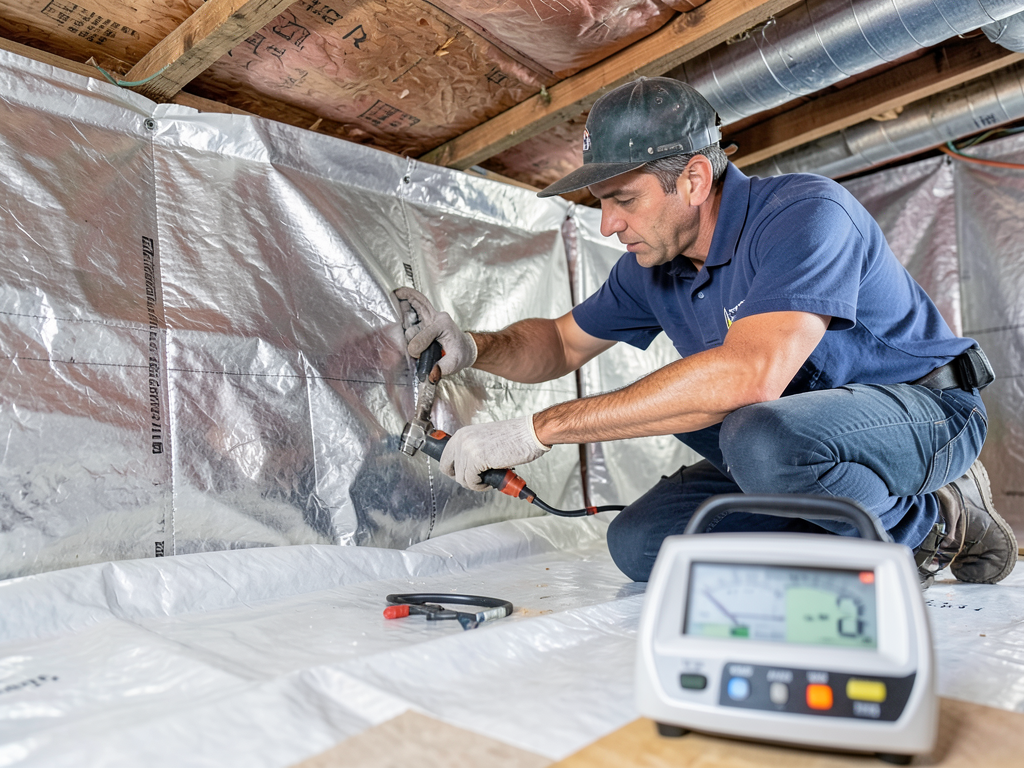
We start with rapid water extraction using weighted wands that pull water from carpet padding and concrete pores. Standing water is just the surface problem. The real threat hides in your subfloor, behind baseboards, and inside wall cavities. We use moisture meters to map the full extent of water migration. Concrete looks dry on top but holds moisture six inches deep. We drill weep holes at the base of drywall to release trapped water and accelerate drying.

Next comes structural drying. We position axial fans to create airflow patterns that push moisture toward our dehumidifiers. We do not just blow air around. We calculate grain depression, the difference between the moisture in your building materials and the moisture in the air. If that gap stays too small, nothing dries. Our dehumidifiers drop the relative humidity below 40 percent and hold it there for days.

During broken sump pump water damage restoration, we monitor your basement every 12 hours with thermal imaging cameras. Wet insulation and framing show up as dark blue cold spots. We adjust equipment placement and drying time based on real data, not guesswork.

We also inspect your failed sump pump. Was it undersized for your basement square footage? Did the discharge line freeze? We document everything for your insurance claim.

What Happens During Your Emergency Response

Sump Pump Failure Cleanup in Seattle – 24/7 Emergency Response Stops Water Damage Fast
01

Immediate Water Extraction

Our crew arrives with truck-mounted extractors and portable pumps. We pull standing water from your basement floor, carpet, and padding within the first hour. Speed matters because water wicks upward into drywall at one inch per hour. We remove the bulk water, then use weighted extraction wands to pull moisture from concrete and subfloors. You see results immediately as water levels drop.
02

Moisture Mapping and Containment

We use pin-type and non-invasive moisture meters to trace water spread. Flooded basements in Seattle often have water traveling 15 feet from the sump pit through cracks in the slab. We mark wet zones with tape, remove soaked materials like cardboard and fabric, and set up plastic barriers to contain humidity. This prevents moisture from migrating into upper floors through stairwells and HVAC ducts.
03

Structural Drying and Monitoring

We deploy commercial dehumidifiers and air movers in a calculated grid pattern. Our equipment runs 24/7 for three to five days, depending on the saturation level. We return daily to check moisture readings in your framing, drywall, and concrete. When all materials read below 15 percent moisture content, we remove equipment. You get a certified dry report for your insurance company and peace of mind that mold will not grow.

Why Seattle Homeowners Trust Our Sump Pump Cleanup Expertise

Evergreen Water Damage Restoration Seattle has cleaned up hundreds of sump pump failures across King County. We know the difference between a 1950s basement in Queen Anne with rubble foundation walls and a modern Redmond home with poured concrete and exterior waterproofing. The drying strategy changes based on construction type, soil conditions, and how long water sat before you called.

Seattle's building stock includes a lot of older homes with minimal vapor barriers and outdated sump systems. We have pulled apart subfloors in basements where the original sump pump was installed in 1978 and never replaced. These systems fail without warning. When they do, you need a team that understands how water behaves in crawl spaces with dirt floors, in daylight basements with sliding glass doors, and in finished rec rooms with wall-to-wall carpet.

We work directly with your insurance adjuster. Sump pump overflow cleanup claims get denied when homeowners do not document the damage properly. We photograph everything, log moisture readings, and provide detailed estimates that match your policy language. We have worked with every major carrier in Washington State. We know what they require.

Our response time matters. Seattle's chronic rain means your basement stays humid even after we extract the water. Mold starts within 48 hours. We start drying within four hours of your call. Our trucks run 24/7 during storm season because we know sump pumps fail most often during heavy rain, right when you need them most.

You get a local crew that shows up fast, dries your basement correctly, and handles the insurance paperwork without adding stress to an already difficult situation.

What to Expect During Your Sump Pump Emergency Cleanup

Arrival Time and Availability

We answer your call immediately, not an answering service. Our dispatch sends the closest crew. If you call at 2 AM on a Saturday during a storm, we still arrive within four hours. Seattle's geography means we stage crews south of the city near SeaTac, north in Shoreline, and east in Bellevue to cut response time. You get a callback within 10 minutes confirming our estimated arrival. We do not make you wait until Monday morning while water soaks deeper into your foundation.

Initial Damage Assessment

Our crew walks your basement with moisture meters and thermal cameras before we move equipment. We measure how far water traveled, check for sewage contamination, and test the moisture content in your framing and drywall. This assessment takes 20 minutes. You get a verbal summary of the damage and a written scope of work within the hour. We explain what we will dry, what we need to remove, and how long equipment will run. No surprises, no upselling.

Drying Results and Completion

Your basement returns to pre-loss moisture levels within three to seven days, depending on the saturation depth. We do not pull equipment early to save money. Every material gets tested. Concrete slabs, wood studs, and drywall all reach safe moisture thresholds before we sign off. You receive a completion certificate with before-and-after moisture readings. Your basement is dry, sanitized, and ready for repairs or rebuild. No musty smell, no hidden moisture, no future mold growth.

Post-Cleanup Follow-Up and Prevention

We return seven days after equipment removal to recheck moisture levels at no charge. We also provide a written report on why your sump pump failed and what you can do to prevent future flooding. This might include upgrading to a dual-pump system, adding a battery backup, or regrading soil around your foundation. We do not sell sump pumps, so our recommendations are unbiased. If you need a plumber referral, we connect you with licensed contractors we trust.

Frequently Asked Questions

You Have Questions,
We Have Answers

How to clean up after sump pump failure? +

Stop the water source immediately if possible. Move valuables and electronics to dry areas. Do not enter standing water if electrical outlets are submerged. Call a water damage restoration company right away. They will extract water with industrial pumps, remove soaked materials, and deploy dehumidifiers to prevent mold. Document everything with photos for insurance. Seattle's high humidity makes fast action critical. Professionals use moisture meters to find hidden water in crawl spaces and behind walls. Do not delay. Mold starts growing within 24 hours in our wet climate.

How much does it cost to have a sump pump cleaned? +

Routine sump pump cleaning typically costs $150 to $300 in Seattle. This includes removing debris, testing the float switch, and inspecting discharge lines. However, if you need emergency water extraction and full cleanup after a sump pump failure, costs jump significantly. Full water damage restoration involves extraction, structural drying, antimicrobial treatment, and repairs. Prices depend on water volume, affected square footage, and how long water sat. Most homeowners insurance policies cover sudden failures. Get multiple estimates and verify the company uses certified drying equipment.

What to do when a sump pump fails? +

Call a professional water damage company immediately. Turn off electricity to affected areas if safe to do so. Do not attempt to pump out a flooded basement yourself. Rapid water removal can cause foundation walls to collapse due to hydrostatic pressure. Professionals extract water gradually using truck-mounted pumps and air movers. Remove wet belongings quickly. Seattle basements flood often during heavy rain and snowmelt. Take photos for your insurance claim before anything is moved. Time matters. Every hour increases structural damage and mold risk.

How do you clean sludge out of a sump pump? +

Disconnect power to the pump first. Remove the pump from the basin. Use a wet vacuum to extract loose sludge and debris. Scrub the basin walls with a stiff brush and warm water mixed with vinegar or mild detergent. Rinse thoroughly. Check the discharge pipe for clogs. Clean the pump intake screen and impeller. In Seattle, fine sediment from our clay soils clogs pumps quickly. Inspect the float switch for debris that restricts movement. Reassemble and test before the next storm. Consider a sump pump cover to reduce sediment buildup.

Can I put a chlorine tablet in my sump pump? +

No. Chlorine tablets damage rubber components like check valves and seals. They also create toxic fumes in enclosed spaces like basements and crawl spaces. If you smell sewer odors from your sump basin, the problem is likely a dried trap or missing vent. Pour a gallon of water into the basin to refill the trap. For persistent odors, use a basin cover or install a proper vent pipe. In Seattle, our damp climate encourages bacterial growth. Clean your basin quarterly with vinegar and water instead. Schedule annual professional inspections.

How long does it take for mold to grow after flooding? +

Mold begins growing within 24 to 48 hours after flooding in Seattle. Our mild temperatures and high humidity create perfect conditions for spore germination. Visible mold appears within 72 hours on porous materials like drywall, insulation, and carpet. You may smell musty odors before seeing growth. Black mold thrives in wet crawl spaces and behind walls. Professional water extraction and dehumidification within 24 hours drastically reduces mold risk. Do not wait to dry out your basement. Hidden moisture behind baseboards and inside wall cavities feeds mold colonies.

What is the most common reason for sump pump failure? +

Power failure is the most common reason sump pumps fail in Seattle. When storms knock out electricity, your pump stops working exactly when you need it most. Heavy rain events overwhelm pumps if they are undersized for the water volume. Switch failures happen when debris jams the float mechanism. Discharge pipe freezing occurs during rare cold snaps. Aging pumps lose efficiency and burn out. Sediment from our clay soils clogs intake screens. Lack of maintenance causes 40 percent of failures. Install a battery backup system and test your pump quarterly.

Does insurance cover sump pump failure? +

Most homeowners insurance policies cover sudden sump pump failures if water damage results from a covered peril like a mechanical breakdown. However, standard policies exclude gradual seepage or lack of maintenance. Water backup coverage is typically an add-on endorsement. It covers overflow from sump pumps, drains, and sewers. In Seattle, where basement flooding is common, this endorsement costs $50 to $150 annually. Review your policy declarations page. Document the failure with photos immediately. File your claim within 24 hours. Keep all receipts from emergency cleanup and repairs.

What is the typical lifespan of a sump pump? +

Sump pumps last seven to ten years on average. Pumps in Seattle basements that cycle frequently during our wet season wear out faster. Heavy use shortens lifespan. Pedestal pumps last slightly longer than submersible models because the motor sits above water. Lack of maintenance reduces longevity significantly. Sediment buildup forces motors to work harder. Battery backup pumps need replacement batteries every three to five years. Check the manufacture date stamped on your pump housing. Replace proactively before failure. Do not wait until the rainy season to discover your pump is dead.

What is the #1 cause of pump failure? +

Power loss is the number one cause of pump failure during storms. When electricity goes out, your sump pump becomes useless. This happens exactly when Seattle experiences heavy rain and flooding risk peaks. Switch malfunctions rank second. Debris, corrosion, or mechanical wear prevent the float from triggering the pump. Overwhelmed pumps fail when water inflow exceeds capacity. A pump rated for 3,000 gallons per hour cannot handle 5,000. Clogs in discharge lines create back pressure that burns out motors. Install a battery backup system and maintain your pump quarterly.

How Seattle's Groundwater Cycle Causes Repeated Sump Pump Failures

Seattle sits between Puget Sound and Lake Washington. The water table fluctuates with the seasons, rising in winter when rainfall averages six inches per month. Neighborhoods built on reclaimed tidelands, like parts of SoDo and Georgetown, experience constant hydrostatic pressure against basement walls. Sump pumps in these areas cycle every 15 minutes during January and February. This constant demand burns out motors and wears out mechanical float switches. The clay soil common in North Seattle and Magnolia does not drain well, so water pools around foundations even days after rain stops. Your sump pump keeps running long after the storm passes.

Evergreen Water Damage Restoration Seattle has worked in every neighborhood from Capitol Hill to Rainier Valley. We know which streets flood first during king tides, where combined sewer systems overflow into basements, and which older homes still have inadequate foundation drainage. This local knowledge shapes how we dry your basement and what we recommend for long-term protection. When you hire a national franchise or an out-of-state crew, they treat your Seattle basement like a Phoenix basement. The climate is different. The water is different. The solutions must be different. We know Seattle water damage.


Water Damage Restoration Services in The Seattle Area

Evergreen proudly serves Seattle and its surrounding communities with professional water damage restoration you can count on. Whether you’re downtown, in the suburbs, or nearby, our responsive team is just a call away. View our service area on the map to see if we’re available in your neighborhood. We’re committed to helping local homeowners and businesses recover fast—so if you need help, we’ll come to you. Use the map below to locate our base or service radius and reach out anytime.

Address:
Evergreen Water Damage Restoration Seattle, 600 Stewart St, Seattle, WA, 98101

Additional Services We Offer

Our news updates

Latest Articles & News from The Blogs

How to Stop Your Lake Forest Park Deck from Leaking into the Rooms Below If water from your deck seeps…

How to Stop Your Lake Forest Park Deck from Leaking into the Rooms Below

How to Stop Your Lake Forest Park Deck from Leaking into the Rooms Below If water from your deck seeps…

Why Your West Seattle Retaining Wall Could Be the Cause of Your Wet Basement

Why Your West Seattle Retaining Wall Could Be the Cause of Your Wet Basement \n\n West Seattle’s dramatic topography of…

Fixing Moisture Problems in Your Mukilteo Home After a Heavy Fog Season

Fixing Moisture Problems in Your Mukilteo Home After a Heavy Fog Season Living near Puget Sound means dealing with persistent…

Contact Us

Call Evergreen Water Damage Restoration Seattle now at (564) 220-5525. Our emergency crews are standing by 24/7. We extract water, dry your basement, and handle insurance claims. Every minute counts when your sump pump fails.