
menu

The Hidden Risks of DIY Water Cleanup in Seattle – Why Amateur Restoration Can Cost You More Than You Save

DIY water extraction might seem like a quick fix, but Seattle homeowners face serious consequences from incomplete drying, hidden mold growth, and structural damage that amateur methods simply cannot detect or prevent.

Slider Image 1
Slider Image 2
Slider Image 3
Slider Image 4
Slider Image 5
Slider Image 7
Slider Image 8
Slider Image 9
Slider Image 10
Slider Image 11

Why Seattle Homeowners Face Unique Dangers with DIY Water Damage Restoration

Seattle's Pacific Northwest climate creates perfect conditions for water damage to spiral out of control. With an average of 150 rainy days per year and persistent humidity levels hovering between 70 and 85 percent, water never truly dries in this region without professional intervention. That wet towel you think is soaking up water is actually trapping moisture inside your walls, floors, and crawl spaces.

The dangers of DIY water damage restoration become clear when you understand what Seattle's climate does to building materials. Wood framing in homes throughout Capitol Hill, Queen Anne, and Ballard absorbs moisture like a sponge. Without proper extraction equipment and dehumidification, that moisture sits trapped in wall cavities where you cannot see it. Within 24 to 48 hours, mold begins colonizing. Within a week, structural rot takes hold.

The hazards of do-it-yourself water removal extend beyond what you can see. A shop vacuum removes surface water but leaves 80 to 90 percent of absorbed moisture in subflooring and drywall. That remaining moisture migrates through capillary action, spreading the damage zone wider. Your insurance adjuster will document this amateur cleanup attempt, and your claim may be denied for improper mitigation.

The consequences of amateur water cleanup are not limited to structural issues. Contaminated water from sewage backups or storm surge contains pathogens that require EPA-registered disinfectants and proper disposal protocols. A mop and bleach solution will not eliminate coliform bacteria, hepatitis A, or parasitic cysts that thrive in Category 2 and Category 3 water intrusions common across Seattle's aging sewer infrastructure.

Why Seattle Homeowners Face Unique Dangers with DIY Water Damage Restoration
The Professional Alternative to Self-Managed Water Mitigation

The Professional Alternative to Self-Managed Water Mitigation

Professional water damage restoration follows strict IICRC S500 standards that dictate moisture mapping, psychrometric calculations, and controlled drying environments. Evergreen Water Damage Restoration Seattle deploys thermal imaging cameras to locate hidden moisture pockets in wall assemblies and under flooring systems. This technology reveals temperature differentials invisible to the naked eye, identifying moisture intrusion patterns that dictate extraction strategy.

Industrial extraction equipment removes 95 percent or more of standing water through truck-mounted pumps rated at 250 gallons per minute. Following extraction, air movers create targeted airflow patterns based on drying chamber principles. These machines are positioned at specific angles and distances calculated through psychrometric charts that measure grains per pound of moisture in the air. Dehumidifiers sized to room volume pull moisture from air and materials simultaneously, creating negative pressure that accelerates evaporation rates.

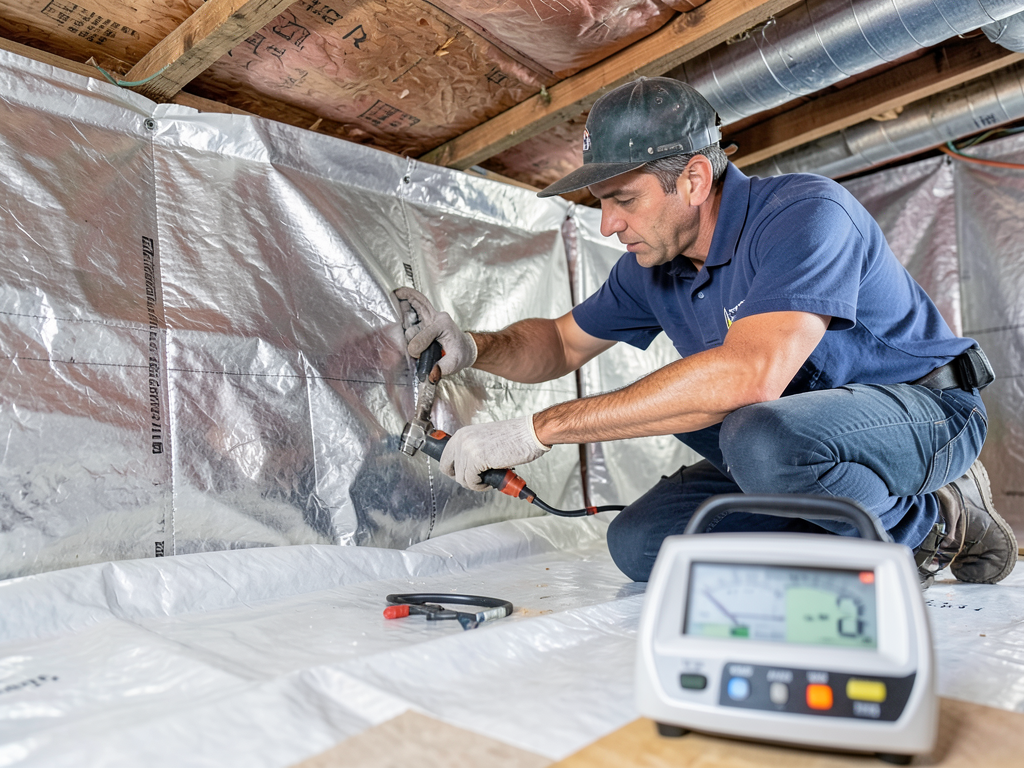
The hidden risks of self-managed water mitigation become obvious when you examine moisture meter readings. Pin-type meters measure moisture content in wood framing. Anything above 19 percent creates conditions for mold growth and wood rot. Non-invasive meters scan drywall, concrete, and tile without penetration. Professional technicians document these readings in multiple locations, creating a moisture map that guides equipment placement and tracks drying progress.

Antimicrobial application follows strict protocols based on water category. Category 1 water from supply lines requires different treatment than Category 3 gray water from washing machine overflows or storm surge. EPA-registered biocides are applied at manufacturer-specified dilution rates, with proper dwell time and ventilation. This chemical knowledge separates professional restoration from amateur cleanup attempts that spread contamination or create toxic environments through improper bleach use.

What Happens When You Attempt DIY Water Extraction

The Hidden Risks of DIY Water Cleanup in Seattle – Why Amateur Restoration Can Cost You More Than You Save
01

Initial Water Removal

You rent a consumer-grade wet vacuum or use towels to remove visible standing water. This equipment extracts less than half the water volume present and has zero capacity for absorbed moisture in porous materials. The pitfalls of DIY water extraction begin immediately as you miss wall cavities, insulation, and subfloor saturation that professional extraction equipment would address through negative pressure systems and weighted extractors.
02

Incomplete Drying Phase

You position box fans and open windows, hoping air circulation will dry remaining moisture. Seattle's high ambient humidity prevents effective evaporation, particularly during fall and winter months when outdoor relative humidity exceeds indoor levels. Without dehumidification equipment rated for specific room volumes and moisture loads, you are simply moving damp air around. Moisture remains trapped in structural materials, beginning the mold colonization timeline.
03

Delayed Damage Discovery

Three to six months later, you notice musty odors, paint bubbling, or visible mold growth. The initial water event has now caused secondary damage that costs five to ten times more to remediate than the original loss. Your insurance company reviews the claim history and determines that your amateur cleanup attempt voided coverage. You face out-of-pocket expenses for mold remediation, structural repairs, and content replacement that professional restoration would have prevented.

Why Seattle Residents Trust Professional Water Damage Specialists

Seattle's building stock presents unique challenges that require local expertise. Homes built before 1990 often feature balloon framing where wall cavities extend from foundation to roof without fire blocking. Water travels vertically through these cavities, affecting multiple floors from a single intrusion point. Professional restoration technicians familiar with Seattle's architectural patterns know to check upper floors and attics even when water damage appears isolated to a first-floor bathroom or kitchen.

The city's hillside geography creates hydrostatic pressure issues in neighborhoods like Magnolia, West Seattle, and Mount Baker. Groundwater migrates through foundation walls during Seattle's wet season, requiring specialized waterproofing knowledge and negative-side crystalline treatments. DIY approaches cannot address subsurface moisture intrusion that requires excavation, membrane installation, and drainage system modifications.

Washington State's strict mold disclosure laws make professional documentation critical. RCW 64.06.020 requires sellers to disclose known moisture intrusion and mold problems. Amateur cleanup attempts without proper documentation create liability exposure when you sell your property. Professional restoration companies provide detailed moisture logs, equipment placement diagrams, and completion certificates that satisfy disclosure requirements and protect your investment.

Evergreen Water Damage Restoration Seattle maintains relationships with every major insurance carrier operating in King County. We speak the language of adjusters, providing Xactimate estimates and photo documentation that streamline the claims process. Our technicians understand Washington State's insurance regulations, including the 60-day claim response requirement and appraisal clause provisions that protect homeowners from low-ball settlement offers.

Seattle's aging infrastructure means basement flooding and sewer backups are increasingly common. We respond to catastrophic water events in neighborhoods from Fremont to Columbia City within 60 minutes, stabilizing damage before it spreads. That speed matters when every hour of delayed response increases restoration costs by 10 to 15 percent.

What Professional Water Damage Restoration Delivers

Emergency Response Time

Water damage progresses exponentially in the first 24 hours. Professional restoration crews arrive within 60 minutes of your call, equipped with extraction equipment, moisture meters, and containment materials. This rapid response stops water migration, prevents secondary damage, and reduces overall restoration costs by 40 to 60 percent compared to delayed intervention. We dispatch teams to Seattle neighborhoods 24 hours per day, including holidays and weekends, because water damage does not wait for business hours.

Comprehensive Damage Assessment

Initial assessment includes moisture mapping with thermal imaging, documentation of affected materials, and water category determination. Technicians measure moisture content in framing, drywall, insulation, and flooring using both invasive and non-invasive meters. This data establishes baseline readings that guide equipment placement and drying goals. You receive a detailed scope of work, room-by-room moisture logs, and photographic documentation that becomes part of your insurance claim package. The assessment identifies hidden damage that amateur inspection misses.

Certified Dry Standards

Restoration is complete only when moisture readings return to pre-loss levels documented through daily monitoring. IICRC standards require wood framing below 19 percent moisture content and concrete below 4 percent on the moisture scale. Professional drying typically requires three to five days of controlled dehumidification, with equipment adjustments based on psychrometric readings. You receive a certificate of completion with final moisture readings that proves the structure is dry. This documentation satisfies insurance requirements and protects against future mold claims.

Post-Restoration Monitoring

Professional restoration includes follow-up inspections at 30 and 90 days to verify no residual moisture or mold growth. These inspections provide peace of mind and catch any issues before they become expensive problems. If moisture readings increase or odors develop, additional investigation occurs at no charge. This monitoring protects your property value and ensures the restoration achieved complete drying. You receive documentation of post-restoration conditions that becomes part of your permanent property records.

Frequently Asked Questions

You Have Questions,
We Have Answers

How Seattle's Year-Round Humidity Makes DIY Water Cleanup Particularly Dangerous

Seattle's average relative humidity remains above 70 percent from October through May, creating conditions where air-drying methods fail completely. When outdoor humidity exceeds indoor humidity, opening windows actually introduces more moisture into your home. The Pacific Northwest marine climate means building materials never reach equilibrium moisture content without mechanical dehumidification. This is why amateur water cleanup attempts in Seattle consistently result in mold growth within two weeks. The hazards of do-it-yourself water removal multiply in this climate because you are fighting natural vapor pressure that pushes moisture deeper into wall cavities and subflooring.

Seattle Building Code amendments in 2018 added moisture control requirements in IRC Section R601.3 that mandate vapor barriers and moisture management in specific climate zones. Professional restoration companies understand these code requirements and restore properties to compliant conditions. When you attempt DIY cleanup, you risk creating building code violations that affect future permits and property transfers. King County building inspectors have increased scrutiny of moisture-damaged properties following multiple litigation cases involving concealed mold and structural decay. Professional documentation from licensed restoration companies satisfies building department requirements.


Water Damage Restoration Services in The Seattle Area

Evergreen proudly serves Seattle and its surrounding communities with professional water damage restoration you can count on. Whether you’re downtown, in the suburbs, or nearby, our responsive team is just a call away. View our service area on the map to see if we’re available in your neighborhood. We’re committed to helping local homeowners and businesses recover fast—so if you need help, we’ll come to you. Use the map below to locate our base or service radius and reach out anytime.

Address:
Evergreen Water Damage Restoration Seattle, 600 Stewart St, Seattle, WA, 98101

Additional Services We Offer

Our news updates

Latest Articles & News from The Blogs

How to Stop Your Lake Forest Park Deck from Leaking into the Rooms Below If water from your deck seeps…

How to Stop Your Lake Forest Park Deck from Leaking into the Rooms Below

How to Stop Your Lake Forest Park Deck from Leaking into the Rooms Below If water from your deck seeps…

Why Your West Seattle Retaining Wall Could Be the Cause of Your Wet Basement

Why Your West Seattle Retaining Wall Could Be the Cause of Your Wet Basement \n\n West Seattle’s dramatic topography of…

Fixing Moisture Problems in Your Mukilteo Home After a Heavy Fog Season

Fixing Moisture Problems in Your Mukilteo Home After a Heavy Fog Season Living near Puget Sound means dealing with persistent…

Contact Us

Every hour of delayed professional response increases restoration costs and mold risk. Call Evergreen Water Damage Restoration Seattle at (564) 220-5525 for immediate dispatch and free moisture inspection. We provide insurance-ready documentation and certified drying protocols that protect your property and your claim.