
menu

Hardwood Floor Water Damage in Seattle | Expert Restoration That Saves Your Investment

Professional hardwood floor water damage repair for Seattle homes and businesses, using advanced moisture extraction and structural drying techniques to prevent cupping, warping, and subfloor failure before permanent damage sets in.

Slider Image 1
Slider Image 2
Slider Image 3
Slider Image 4
Slider Image 5
Slider Image 7
Slider Image 8
Slider Image 9
Slider Image 10
Slider Image 11

Why Seattle's Climate Makes Wet Hardwood Flooring a Ticking Clock

Seattle's persistent drizzle and 75 percent average humidity create the perfect conditions for catastrophic water damaged wood floors. When water penetrates your hardwood, the clock starts immediately. The Pacific Northwest's marine climate means moisture does not evaporate quickly on its own. It lingers, seeps deeper into the wood grain, and begins the destructive process of swelling, cupping, and eventual subfloor rot.

You might notice wet hardwood flooring after a pipe burst, appliance leak, or storm intrusion. The visible pooling is alarming, but the hidden damage below the surface causes the real destruction. Water migrates through seams, penetrates tongue-and-groove joints, and saturates the plywood or OSB subfloor beneath. Within 24 to 48 hours, hardwood floor cupping begins as individual planks absorb moisture unevenly and edges rise higher than the center.

Seattle homeowners face additional complications from the region's abundant rainfall and aging housing stock. Homes built in the 1940s through 1970s often lack vapor barriers between foundation and subfloor. Water from below meets water from above, trapping moisture inside the floor assembly. This creates persistent dampness that leads to mold colonization, wood rot, and structural compromise.

Drying hardwood floors requires more than fans and hope. The moisture content must drop to 6 to 9 percent to match Seattle's equilibrium moisture content for wood. Without professional extraction equipment and controlled dehumidification, your floors will never reach safe levels. The result is permanent warping, finish failure, and complete floor replacement at five to ten times the cost of proper wood floor water damage repair done correctly the first time.

Why Seattle's Climate Makes Wet Hardwood Flooring a Ticking Clock
How Professional Water Extraction Prevents Total Floor Loss

How Professional Water Extraction Prevents Total Floor Loss

Evergreen Water Damage Restoration Seattle uses a targeted methodology for hardwood floor water damage that addresses both surface water and trapped subsurface moisture. We begin with truck-mounted extraction units that pull standing water through weighted wands, removing up to 95 percent of surface moisture in the first hour. This immediate intervention stops further absorption and buys critical time for structural drying.

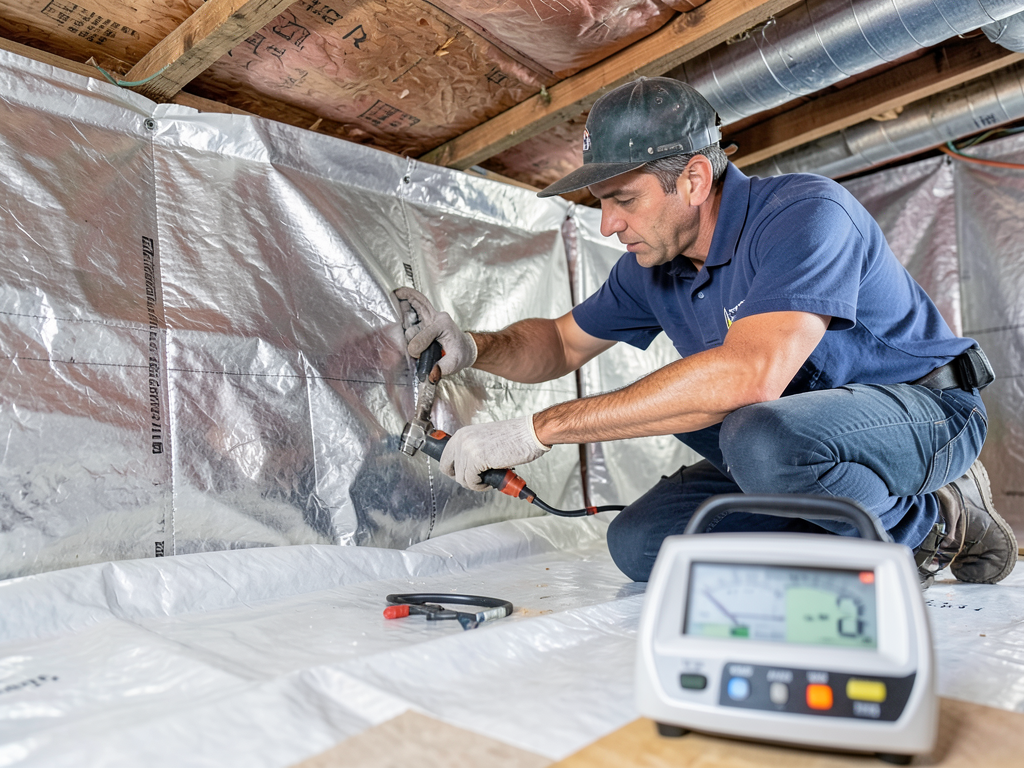
After extraction, we measure moisture content using pin-type and pinless moisture meters at multiple depths. Readings taken at the surface, mid-plank, and subfloor level create a moisture map that guides equipment placement. We document baseline readings for insurance claims and track daily progress until all readings fall within acceptable parameters.

Our drying process uses a combination of low-grain refrigerant dehumidifiers and axial air movers positioned to create laminar airflow across the floor surface. We do not blast heat, which causes rapid surface drying and internal checking. Instead, we maintain controlled temperatures between 70 and 80 degrees while systematically reducing relative humidity. This slow, steady approach allows moisture to migrate from the wood's core to the surface where it evaporates safely.

For severe saturation, we employ injecti-dry systems that introduce warm, dry air into the subfloor cavity through small access holes. This targets trapped moisture below the hardwood without removing flooring. The technique works exceptionally well in Seattle's multi-level homes where water travels between floors through plumbing chases and HVAC penetrations.

We monitor conditions twice daily and adjust equipment as moisture levels drop. Most hardwood floor water damage repair projects reach safe moisture content within three to seven days, depending on wood species, saturation depth, and environmental conditions. Oak and maple dry faster than exotic species like Brazilian cherry or teak.

What Happens During Hardwood Floor Restoration

Hardwood Floor Water Damage in Seattle | Expert Restoration That Saves Your Investment
01

Emergency Water Removal

We arrive within two hours of your call and immediately extract standing water using commercial truck-mounted equipment. Our technicians identify the water source, stop active intrusion, and document the affected area with photos and moisture readings. You receive a detailed scope of work and timeline before any equipment deployment begins. This first response determines whether your floors can be saved or require replacement.
02

Controlled Structural Drying

We position industrial dehumidifiers and air movers based on your floor's moisture map and room layout. Equipment runs continuously while we monitor temperature, humidity, and moisture content every 12 hours. We adjust airflow patterns and dehumidification capacity as conditions change. Our goal is gradual, uniform drying that prevents surface checking, edge lifting, and finish damage. You can remain in your home during this phase with minimal disruption.
03

Final Inspection and Stabilization

Once moisture readings reach 6 to 9 percent and remain stable for 24 hours, we remove equipment and perform a final assessment. We document the restored moisture content for your insurance carrier and identify any planks that require refinishing or replacement. Minor cupping often resolves as wood re-acclimates, but we provide honest guidance on whether sanding or board replacement is necessary to restore your floor's original appearance and structural integrity.

Why Seattle Property Owners Choose Local Restoration Experts

Evergreen Water Damage Restoration Seattle understands the unique challenges of water damaged wood floors in Western Washington's marine climate. We work in Seattle homes daily, from Capitol Hill's century-old Craftsman bungalows to Ballard's new construction townhomes. Each property presents distinct challenges based on foundation type, ventilation design, and construction era.

Our technicians recognize that Seattle's building stock includes significant variations in subfloor construction. Homes built before 1960 often feature dimensional lumber subflooring with gaps between planks. Post-1980 construction typically uses OSB or plywood sheathing with different absorption characteristics. We adjust our drying protocols based on what lies beneath your hardwood, something out-of-area restoration companies often miss.

We maintain relationships with Seattle's top flooring contractors, structural engineers, and insurance adjusters who specialize in water damage claims. When your situation requires subfloor replacement or structural evaluation, we coordinate with qualified professionals who understand local building codes and permitting requirements. This integrated approach prevents delays and ensures your project moves forward without gaps in communication.

Seattle's high cost of living makes hardwood flooring a significant investment worth protecting. We prioritize floor preservation over replacement whenever structurally possible. Our moisture monitoring and gradual drying approach saves floors that other companies would tear out prematurely. This saves you thousands in replacement costs and preserves the original character of your home.

We respond to emergencies 24 hours a day, 365 days a year, because water damage does not wait for business hours. Our dispatch center routes the closest crew to your location, minimizing response time across Seattle, from West Seattle to Northgate, Fremont to Rainier Valley. Faster response means less water penetration and higher success rates for complete floor recovery.

What to Expect When You Call for Hardwood Floor Water Damage Repair

Rapid Response and Immediate Action

We dispatch a crew to your Seattle property within two hours of your call, 24 hours a day. Our technicians arrive with truck-mounted extraction equipment, moisture detection tools, and drying equipment already loaded. We assess the damage, extract standing water, and deploy initial drying equipment during the first visit. You do not wait days for an estimate while water continues destroying your floors. Emergency response is standard procedure, not an upcharge. We understand that every hour of delay increases the likelihood of permanent cupping, warping, and subfloor replacement.

Comprehensive Moisture Assessment and Documentation

Our initial inspection includes moisture readings taken at multiple locations and depths across your affected flooring. We use calibrated pin-type meters that penetrate the wood surface and pinless meters that scan larger areas without creating holes. These readings establish baseline moisture content and create a drying protocol specific to your floor's wood species, finish type, and saturation level. We photograph all affected areas and document findings in a detailed report that satisfies insurance carrier requirements. You receive copies of all documentation for your records and claim submission.

Complete Restoration to Pre-Loss Condition

Your floors are restored when moisture content returns to safe levels and remains stable without active dehumidification. We verify final readings across the entire affected area and provide written confirmation of successful drying. Minor cupping often resolves naturally as wood re-acclimates over the following weeks. If structural drying reveals damaged planks that require replacement or refinishing, we provide detailed recommendations and coordinate with qualified flooring contractors. Our goal is complete restoration that returns your hardwood floors to their original appearance and structural integrity, not just removal of visible water.

Insurance Coordination and Claims Support

We work directly with your insurance carrier to streamline the claims process and ensure proper documentation. Our estimates follow Xactimate pricing standards used by major insurance companies, reducing disputes over scope and cost. We provide detailed moisture logs, photo documentation, and equipment tracking reports that satisfy adjuster requirements. If your carrier sends an independent adjuster, we coordinate site visits and provide technical explanations of our drying methodology. You focus on getting your home back to normal while we handle the paperwork and communication with your insurance company.

Frequently Asked Questions

You Have Questions,
We Have Answers

Will a swollen wood floor go back to normal? +

Sometimes, but not always. If the swelling is minor and you dry the floor quickly, the wood may return to its original shape. However, Seattle's humidity can complicate this. If water sits for more than 24 hours, the boards often stay warped or cupped. Solid hardwood has a better chance of recovery than engineered flooring. You need professional drying equipment to pull moisture out evenly. Fans alone will not fix it. The longer you wait, the less likely your floor will flatten. Act fast and get a moisture meter reading to assess the damage accurately.

What happens if hardwood flooring gets wet? +

Water causes wood to swell, warp, and cup. The boards absorb moisture and expand, which creates gaps or buckling. If the water sits, the finish peels and stains appear. Mold can grow underneath within 48 hours, especially in Seattle's damp climate. The subfloor can also rot if the leak goes unnoticed. Engineered hardwood delaminates faster than solid wood. You may see dark spots or a musty smell. Quick extraction and drying prevent permanent damage. Ignoring wet hardwood leads to structural problems and costly replacement. Address it immediately.

Will insurance pay for water damage to a wood floor? +

It depends on the cause. Homeowners insurance typically covers sudden and accidental water damage, like a burst pipe or appliance failure. It does not cover flooding or neglect. If you ignored a slow leak, expect a denial. In Seattle, you need separate flood insurance for river or storm surge events. Document everything with photos and call your adjuster quickly. Your policy may cover drying, repairs, and replacement if the damage is severe. Review your coverage limits and deductibles. Restoration companies can help you navigate the claims process and provide detailed estimates for your insurer.

How to flatten a wood floor after water damage? +

You cannot flatten water-damaged wood floors yourself. Professional drying equipment is required. Technicians use dehumidifiers, air movers, and specialized floor mats that pull moisture from the wood evenly. If the boards are severely cupped or crowned, they may need sanding after drying. This process takes days, not hours. Seattle's humidity slows drying, so monitoring moisture levels with meters is critical. Some boards may need replacement if they stay warped. Never sand wet wood. Let professionals assess the subfloor and structural integrity before refinishing. Rushing this process makes the damage worse.

Can mold grow under hardwood floors? +

Yes. Mold grows in dark, damp spaces, and the area under hardwood floors is ideal. If water seeps through the seams, mold can colonize the subfloor within 48 hours. Seattle's climate accelerates this. You may not see it, but you will smell it. Mold spreads quickly and damages the wood structure. It also poses health risks. Professionals use moisture meters and infrared cameras to detect hidden mold. Removal requires pulling up affected boards, treating the subfloor with antimicrobial agents, and drying everything thoroughly. Do not ignore musty odors. Mold does not go away on its own.

Can wood with water damage be repaired? +

Sometimes. Minor water damage can be dried and sanded. If the wood is still structurally sound and the moisture content drops to normal levels, refinishing restores the appearance. However, severe warping, rot, or mold require replacement. Engineered hardwood rarely recovers because the layers delaminate. Solid wood has a better chance. In Seattle, high humidity extends drying time, which increases the risk of permanent damage. Professionals assess the extent of the damage with moisture meters and visual inspection. Acting within 24 hours gives you the best chance of repair instead of replacement. Delaying guarantees replacement.

What pulls moisture out of wood? +

Dehumidifiers and air movers pull moisture from wood. Professionals use specialized equipment that targets the floor and subfloor. Desiccant dehumidifiers work better in cooler climates like Seattle. Floor drying mats apply suction directly to the wood surface, speeding up the process. Fans alone do not work because they only dry the surface. You need controlled airflow and humidity reduction. Moisture meters track progress. The process takes several days. Heat can help, but too much damages the finish. Do not use household methods. Professional drying prevents warping, mold, and structural failure.

Will cupped hardwood floors flatten out? +

Maybe. If you dry the floor quickly and completely, minor cupping may flatten over time. However, Seattle's humidity slows this process. Severe cupping often stays permanent. The wood fibers compress and do not return to their original shape. You need professional drying equipment to give the boards a chance. After drying, wait several weeks before sanding. The wood needs time to acclimate. If the boards remain cupped, sanding can level them, but you lose thickness. Some floors need replacement. Do not assume cupping will fix itself. Get a professional assessment immediately.

Will water under floorboards dry out? +

Sometimes, but not reliably. If the water volume is small and you increase ventilation, the subfloor may dry naturally. However, Seattle's cool, damp climate slows evaporation. Water trapped under floorboards often leads to mold, rot, and structural damage. You cannot see what is happening underneath. Professionals use extraction equipment, dehumidifiers, and air movers to dry subfloors completely. Moisture meters confirm dryness. Waiting and hoping creates bigger problems. If you suspect water under your floors, act immediately. Do not rely on air circulation alone. Professional drying prevents expensive structural repairs.

What is considered accidental water damage? +

Accidental water damage is sudden and unintentional. Examples include burst pipes, appliance malfunctions, water heater failures, or overflowing toilets. It happens quickly and without warning. Insurance typically covers this. Gradual damage, like a slow leak you ignored, is not accidental. Flooding from rivers or storms requires separate flood insurance. In Seattle, older homes face risks from aging plumbing and heavy rainfall. Document the source immediately with photos. Shut off the water and call a restoration company. Accidental damage claims require proof of a sudden event. Act fast to protect your coverage and your floors.

How Seattle's Marine Climate Accelerates Hardwood Floor Water Damage

Seattle receives an average of 38 inches of rainfall annually, spread across 150 rainy days. This persistent moisture keeps outdoor relative humidity between 70 and 85 percent from October through May. When water intrusion occurs inside your home, the ambient humidity slows natural evaporation and allows water to penetrate deeper into hardwood flooring. Wet hardwood flooring in Seattle's climate begins showing cupping within 24 hours, compared to 48 to 72 hours in drier climates. The region's moderate temperatures, rarely exceeding 80 degrees, further slow evaporation rates. Without mechanical dehumidification, water damaged wood floors in Seattle homes will not dry adequately on their own, regardless of how many windows you open or fans you run.

Seattle's aging housing stock, particularly homes built between 1940 and 1980 in neighborhoods like Greenwood, Wallingford, and Mount Baker, often lacks proper vapor barriers between the foundation and subfloor. This allows ground moisture to migrate upward into floor assemblies, creating chronic dampness that compounds acute water damage from leaks or flooding. Local building codes now require vapor barriers in new construction, but older homes remain vulnerable. Evergreen Water Damage Restoration Seattle understands these construction characteristics and adjusts our wood floor water damage repair protocols accordingly. We test for pre-existing moisture problems that may have weakened your floors before the current water event, providing complete transparency about what can be saved and what requires replacement.


Water Damage Restoration Services in The Seattle Area

Evergreen proudly serves Seattle and its surrounding communities with professional water damage restoration you can count on. Whether you’re downtown, in the suburbs, or nearby, our responsive team is just a call away. View our service area on the map to see if we’re available in your neighborhood. We’re committed to helping local homeowners and businesses recover fast—so if you need help, we’ll come to you. Use the map below to locate our base or service radius and reach out anytime.

Address:
Evergreen Water Damage Restoration Seattle, 600 Stewart St, Seattle, WA, 98101

Additional Services We Offer

Our news updates

Latest Articles & News from The Blogs

How to Stop Your Lake Forest Park Deck from Leaking into the Rooms Below If water from your deck seeps…

How to Stop Your Lake Forest Park Deck from Leaking into the Rooms Below

How to Stop Your Lake Forest Park Deck from Leaking into the Rooms Below If water from your deck seeps…

Why Your West Seattle Retaining Wall Could Be the Cause of Your Wet Basement

Why Your West Seattle Retaining Wall Could Be the Cause of Your Wet Basement \n\n West Seattle’s dramatic topography of…

Fixing Moisture Problems in Your Mukilteo Home After a Heavy Fog Season

Fixing Moisture Problems in Your Mukilteo Home After a Heavy Fog Season Living near Puget Sound means dealing with persistent…

Contact Us

Water is destroying your floors while you read this. Every hour of delay increases the damage and reduces the chance of successful restoration. Call (564) 220-5525 now for immediate dispatch and expert hardwood floor water damage repair that saves your investment.