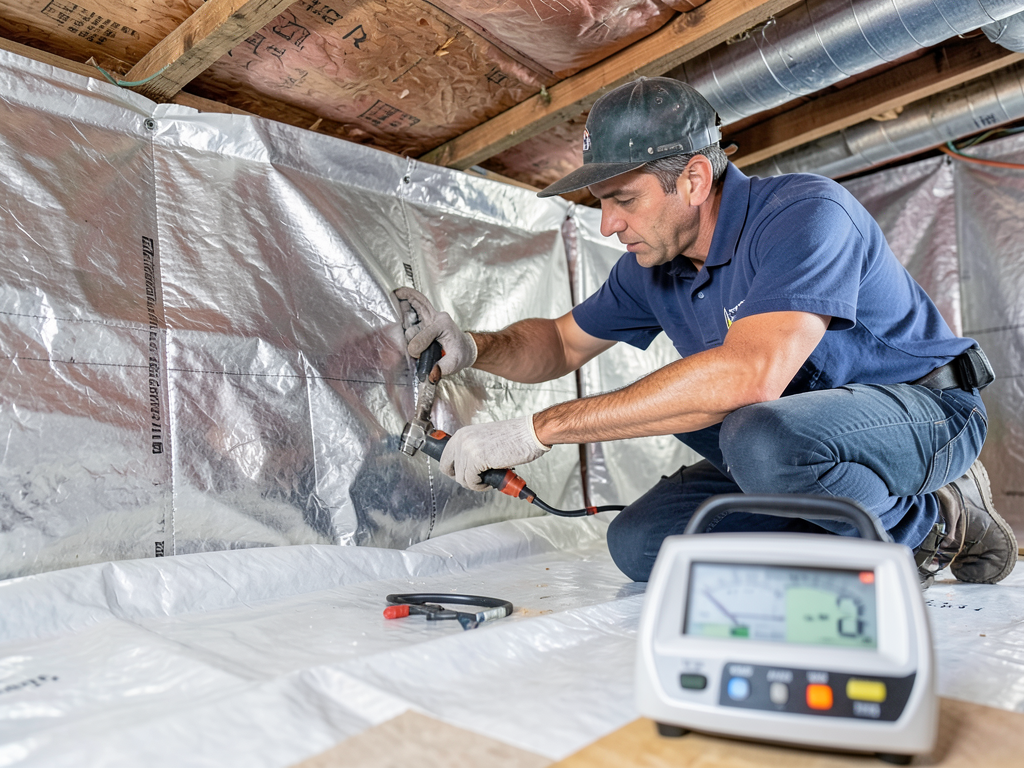



Seattle receives measurable precipitation 150 days per year, creating constant humidity that slows carpet drying. Homes in areas like Ravenna, Maple Leaf, and Columbia City were built before modern moisture barriers existed. Crawl spaces in these structures often lack vapor barriers, meaning ground moisture constantly feeds into the home. When carpet flooding occurs, this ambient humidity extends drying time and increases mold risk. Professional extraction must account for Seattle's baseline moisture levels, which are higher than national averages. Without commercial dehumidification, carpets in Seattle homes simply do not dry completely.
Seattle also enforces strict disposal regulations for water-damaged materials. Padding and carpet contaminated with Category 2 or 3 water must be disposed of at approved facilities, not left curbside. We handle all disposal in compliance with King County solid waste regulations. Our technicians also understand local building codes related to subfloor replacement and moisture barrier installation, which come into play when water damage extends beyond the carpet. This local knowledge prevents code violations and ensures any structural repairs meet Seattle Department of Construction and Inspections standards.