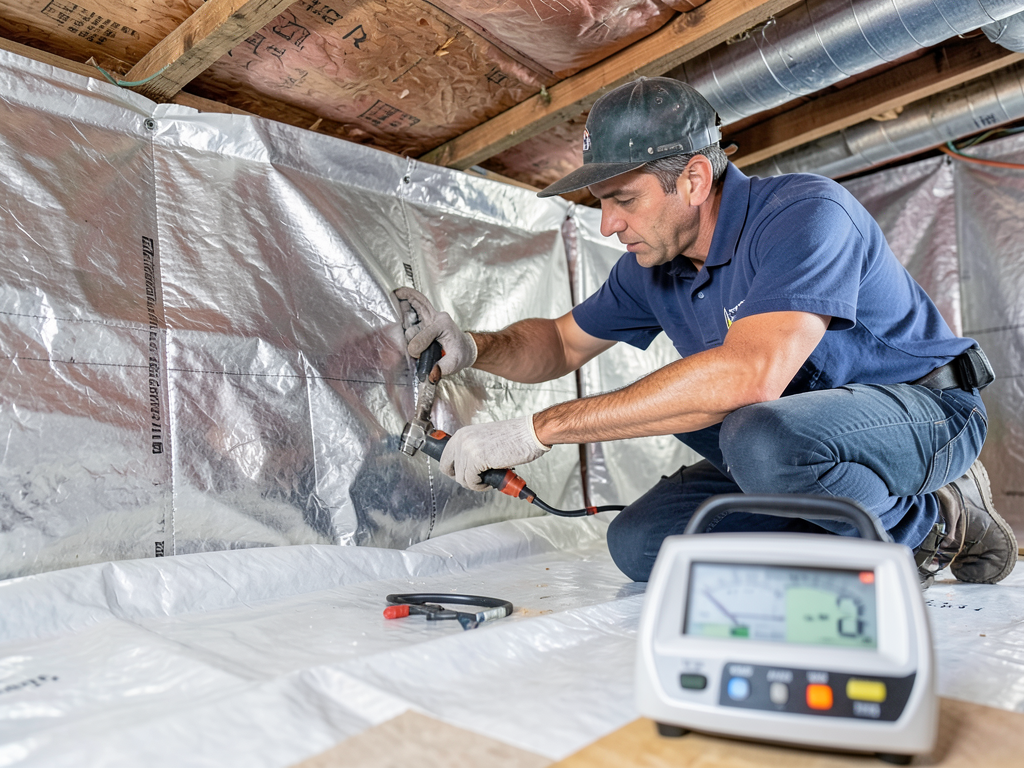






Seattle's proximity to Puget Sound creates year-round ambient humidity that complicates commercial water damage restoration. When outdoor humidity remains above 70% for extended periods, standard drying protocols fail because moisture cannot evaporate into already-saturated air. This marine influence requires closed-loop drying systems with refrigerant dehumidification that mechanically removes moisture regardless of ambient conditions. Buildings in waterfront districts like Interbay and Harbor Island face additional challenges from salt air that accelerates corrosion in metal building components and HVAC systems when water intrusion occurs. Reducing operational downtime in Seattle's climate requires understanding how coastal humidity affects drying curves and adjusting equipment capacity accordingly. Generic drying timelines based on inland climate data will underestimate restoration duration and create false expectations about when you can resume operations.
Commercial property owners in Seattle operate under strict environmental regulations that govern wastewater disposal, mold remediation procedures, and hazardous material handling during restoration projects. King County requires specific permitting for discharge of extraction water containing contaminants. The Puget Sound Clean Air Agency regulates air quality during remediation. Washington State Department of Ecology mandates documentation for any materials classified as contaminated waste. We maintain current knowledge of these regulatory requirements and handle all permitting, documentation, and compliance procedures. This regulatory expertise protects you from citations, fines, and project delays that occur when restoration contractors unfamiliar with Seattle's environmental standards attempt commercial work without proper protocols. Choosing local expertise means your restoration proceeds legally and your business interruption period does not extend due to regulatory complications.