
menu

Attic Water Damage Cleanup in Seattle – Expert Restoration Protecting Your Home From Roof to Foundation

Evergreen Water Damage Restoration Seattle delivers comprehensive attic water damage cleanup services that stop ongoing damage, prevent mold growth, and restore structural integrity before problems spread to your living spaces below.

Slider Image 1
Slider Image 2
Slider Image 3
Slider Image 4
Slider Image 5
Slider Image 7
Slider Image 8
Slider Image 9
Slider Image 10
Slider Image 11

Seattle's Wet Climate Makes Attic Water Damage a Hidden Threat

Seattle averages 150 rainy days per year. That persistent moisture creates perfect conditions for attic water infiltration through roof valleys, ice dam formation during rare freezes, and condensation buildup from poor ventilation. Most homeowners never enter their attics until a ceiling stain appears in a bedroom below. By then, the damage has been silently progressing for weeks or months.

Water enters Seattle attics through multiple pathways. Wind-driven rain penetrates worn flashing around chimneys and skylights. Clogged gutters overflow and seep under shingle edges. Inadequate attic insulation creates warm spots where snow melts prematurely, refreezes at eaves, and forces water backward under roofing materials. The result is waterlogged insulation, soaked roof decking, compromised framing, and active mold colonies growing in darkness.

The Pacific Northwest's mild temperatures mean attic spaces rarely reach the extreme heat that naturally dries out moisture in other climates. Instead, humidity lingers. This sustained dampness accelerates wood rot in rafters and trusses, corrodes metal fasteners, and creates ideal environments for mold species that thrive in cooler temperatures. Attic water damage restoration requires immediate action because the damage compounds daily in Seattle's climate. Attic water removal services must address not just standing water but also structural drying, contamination control, and source identification. Attic leak cleanup becomes critical when you understand how quickly mold establishes colonies in wet cellulose insulation, often becoming airborne and spreading throughout your home's ventilation system.

Seattle's Wet Climate Makes Attic Water Damage a Hidden Threat
How Professional Attic Water Damage Cleanup Stops the Problem at Its Source

How Professional Attic Water Damage Cleanup Stops the Problem at Its Source

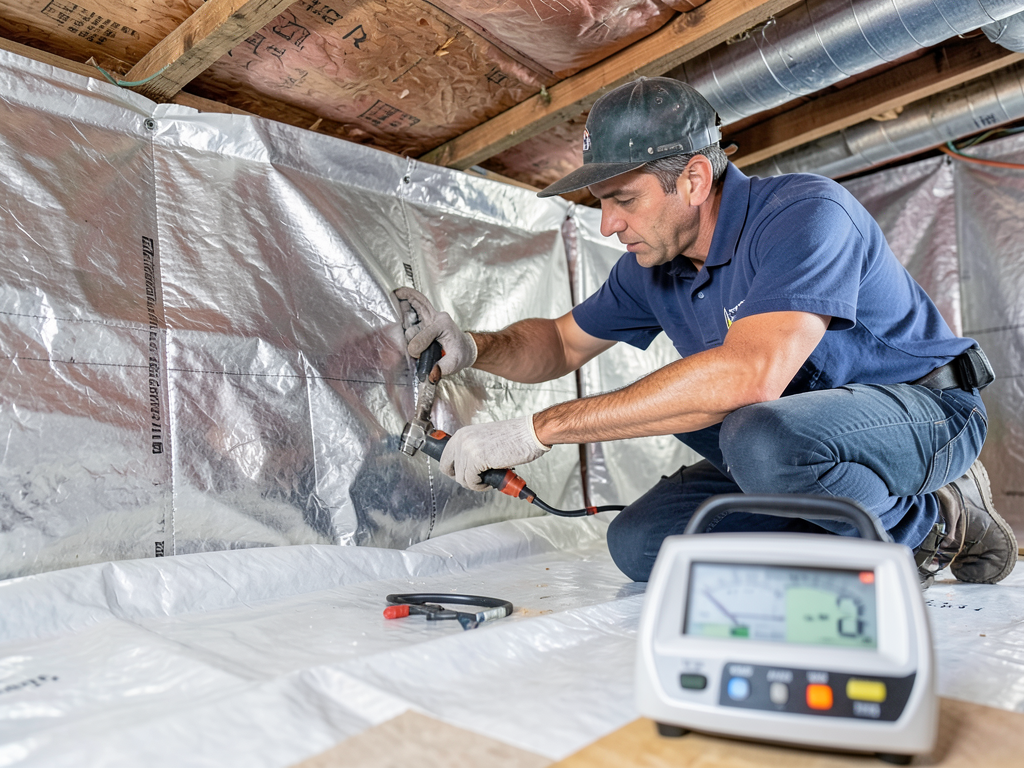
Effective attic flood restoration follows a systematic approach that addresses immediate water removal and long-term structural protection. We begin with thermal imaging to map moisture penetration through roof decking and wall cavities. This technology reveals hidden saturation patterns invisible to visual inspection. Moisture meters provide precise readings at multiple depths within structural members, establishing baseline data that guides the drying process.

Water extraction happens through industrial-grade pumps and vacuums designed for confined spaces. We remove standing water first, then address absorbed moisture in insulation, lumber, and building materials. Waterlogged fiberglass or cellulose insulation loses all R-value and becomes a breeding ground for microbial growth. Complete removal is necessary in most cases. Blown-in insulation makes this process more complex because it settles into joist bays and wall cavities, holding moisture against wooden structural members.

Air movement and dehumidification run continuously for 3-7 days depending on saturation levels. We position commercial air movers to create laminar airflow across all wet surfaces, which accelerates evaporation rates. LGR dehumidifiers pull moisture from the air while maintaining optimal temperature ranges that prevent secondary condensation. We monitor daily moisture readings until all materials reach equilibrium moisture content appropriate for Seattle's climate zone.

Antimicrobial treatment follows complete drying. We apply EPA-registered solutions to all affected surfaces, preventing mold spore germination even if minor moisture reintroduction occurs. This step is particularly important in attic water damage repair because attics remain vulnerable to future humidity fluctuations. The final phase addresses the water source itself, whether that means coordinating roof repairs, improving ventilation systems, or installing vapor barriers that prevent future condensation issues.

What Happens During Your Attic Water Damage Restoration

Attic Water Damage Cleanup in Seattle – Expert Restoration Protecting Your Home From Roof to Foundation
01

Emergency Water Extraction

Our team arrives with truck-mounted extraction equipment and portable pumps designed for attic access. We remove all standing water first, then address saturated insulation and materials. Thermal imaging identifies moisture you cannot see behind drywall or within structural cavities. This diagnostic phase takes 45-90 minutes and determines the full scope of water migration throughout your attic space and potentially into wall systems below.
02

Structural Drying Process

We deploy air movers and commercial dehumidifiers strategically positioned to create optimal airflow patterns across all wet surfaces. This equipment runs continuously while we monitor moisture levels in rafters, decking, and joists twice daily. Most attic drying takes 4-6 days to reach stable moisture content below 15 percent. We document progress with moisture meter readings and thermal imaging to verify complete drying before proceeding to restoration work.
03

Restoration and Prevention

After confirming complete structural drying, we apply antimicrobial treatments to all affected surfaces, preventing future mold growth. New insulation installation follows manufacturer specifications for Seattle's climate zone. We coordinate with roofing contractors if source repairs require shingle replacement or flashing corrections. You receive a detailed moisture map showing pre-treatment and post-treatment readings, plus documentation for insurance claims. This phase typically completes within 2-3 days after the drying process finishes.

Why Seattle Homeowners Trust Local Expertise for Attic Water Issues

Attic water damage in Seattle differs from other regions because of our unique weather patterns and building practices. Many Seattle homes were built between 1920-1950 with minimal attic ventilation by modern standards. These older structures lack adequate soffit venting and ridge vents, creating moisture traps that newer homes avoid through updated building codes. Understanding these architectural differences matters when diagnosing water sources and planning effective remediation.

Seattle's frequent rain events mean we respond to attic water damage calls year-round, not just during spring thaw or hurricane season like other climates. Our teams train specifically on Pacific Northwest building methods, recognizing how cedar shake roofs behave differently than composition shingles, and how post-and-beam construction requires different drying approaches than standard stick framing. This local knowledge prevents mistakes that out-of-area restoration companies make when they misunderstand regional construction practices.

We maintain relationships with Seattle-area roofing contractors, structural engineers, and mold remediation specialists certified by the IICRC. Complex attic water damage often requires coordinated efforts across multiple trades. A roof leak might seem simple until you discover compromised trusses requiring engineering evaluation before repairs proceed. We navigate these situations efficiently because we work within established local professional networks, not scrambling to find qualified subcontractors after discovering problems mid-project.

Insurance claim experience matters significantly in Seattle's market. We document damage using protocols that major carriers operating in Washington State expect to see. Our moisture mapping, photographic documentation, and equipment logs match the standards that adjusters require for claim approval. This attention to proper documentation prevents claim delays and disputes that homeowners face when working with restoration companies unfamiliar with regional insurance practices. You get faster claim resolution and fewer out-of-pocket expenses when documentation follows established regional standards from the beginning.

What to Expect When You Call for Attic Water Damage Service

Rapid Response Timeline

We dispatch teams to Seattle addresses within 60-90 minutes for emergency attic water situations. Initial assessment happens the same day you call, with water extraction beginning immediately if conditions require urgent intervention. Non-emergency attic leak cleanup typically schedules within 24 hours. The complete restoration timeline spans 5-14 days depending on saturation severity and structural drying requirements. We provide daily updates during active drying phases so you know exactly where the project stands. Equipment remains on-site until moisture readings confirm complete drying, not based on arbitrary timelines that risk incomplete restoration.

Comprehensive Damage Assessment

Your initial consultation includes thermal imaging of the entire attic space, moisture meter readings at multiple structural points, and visual inspection of all potential water entry locations. We test insulation moisture content, check for existing mold growth, and evaluate roof decking integrity. This assessment takes 60-90 minutes and results in a detailed scope document with annotated photos showing all affected areas. You receive moisture maps that clearly identify wet zones versus dry areas, eliminating guesswork about restoration extent. We explain findings in plain language, showing you exactly what the equipment reveals and why specific remediation steps are necessary for your particular situation.

Quality of Final Results

Complete attic water damage restoration means every structural component returns to pre-loss moisture content levels appropriate for Seattle's climate. We verify this through final moisture readings documented in your project closeout report. All affected insulation is removed and replaced with new material meeting current energy code requirements. Antimicrobial treatment protects previously wet surfaces from future mold colonization even if minor humidity fluctuations occur. Roof penetrations, ventilation systems, and water entry points receive repairs coordinated with qualified contractors. You get detailed before and after documentation suitable for insurance claims, future home sales, or simply your own peace of mind knowing the work was completed properly.

Post-Restoration Support

After completing attic water damage repair, we provide maintenance recommendations specific to your home's ventilation system, roof condition, and insulation performance. You receive a written guide explaining warning signs that indicate potential future water intrusion, seasonal maintenance tasks that prevent problems, and humidity levels to monitor during Seattle's wet months. We offer optional follow-up inspections at 6-month intervals to verify attic conditions remain stable and dry. This proactive approach catches minor issues before they become major problems. If questions arise months after restoration completes, our team remains available to provide guidance and, if needed, schedule a service visit to evaluate any concerns you have about your attic space.

Frequently Asked Questions

You Have Questions,
We Have Answers

How to fix water damage in an attic? +

First, stop the source. Find the leak (roof, plumbing, or condensation) and fix it immediately. Remove standing water with a wet vac or pump. Strip out soaked insulation, drywall, and damaged materials. Dry the space completely using industrial fans and dehumidifiers for 3-5 days minimum. Seattle's persistent dampness makes thorough drying critical to prevent mold. Check rafters and sheathing for rot or structural compromise. Treat affected wood with antimicrobial solution. Replace insulation only after moisture readings confirm dryness. If mold appears or structural damage is extensive, call a certified restoration professional immediately.

What is the 7 and 7 rule for a finished attic? +

The 7 and 7 rule states that finished attic spaces must have at least 7 feet of vertical clearance and at least 7 feet of horizontal floor space in any direction. This building code requirement ensures habitable space meets minimum safety and livability standards. In Seattle, this rule applies when converting attics into bedrooms, offices, or living areas. The measurement applies to at least half the finished floor area. Ceiling slopes below 7 feet do not count toward usable square footage. Verify local Seattle building codes before finishing your attic, as permit requirements vary.

Does homeowners insurance cover attic remediation? +

Homeowners insurance typically covers attic water damage if caused by sudden, accidental events like burst pipes, storm damage, or roof leaks from wind-driven rain. Coverage usually includes water extraction, drying, mold remediation, and structural repairs. However, insurance does not cover damage from gradual leaks, deferred maintenance, or negligence. Seattle homeowners face frequent roof issues due to heavy rain and moss growth. Document all damage with photos immediately. Review your policy for exclusions and coverage limits. File claims quickly. Insurance adjusters often undervalue water damage, so get independent estimates before accepting settlement offers.

How much does it cost to repair water damage in the attic? +

Attic water damage repair in Seattle ranges from minor fixes to full restorations. Simple drying and insulation replacement for small leaks starts lower. Moderate damage involving drywall, ceiling repairs, and mold treatment costs more. Extensive damage requiring structural repairs, roof replacement, or widespread mold remediation reaches the higher end. Seattle's labor rates and permit costs affect pricing. Factors include water volume, duration of exposure, mold presence, and accessibility. Most insurance claims cover qualified damage. Get three written estimates from licensed contractors. Prices vary significantly based on attic size and damage severity. Immediate action reduces overall costs.

How Seattle's Marine Climate Creates Unique Attic Moisture Challenges

Seattle sits between Puget Sound and Lake Washington, surrounded by water bodies that keep humidity levels elevated throughout the year. This marine influence means attic spaces rarely experience the extreme heat and low humidity that naturally dries out moisture in continental climates. Winter temperatures hover in the 40s, creating minimal temperature differential between heated living spaces and unheated attics. This narrow gradient reduces natural convective drying that happens in colder climates where attic temperatures drop well below freezing. The result is persistent dampness that allows mold species adapted to cooler temperatures to thrive in attic environments. Attic water removal services in Seattle must account for this climate reality, using mechanical drying systems rather than relying on natural evaporation that simply does not occur fast enough in our humid marine air.

Seattle's building codes evolved significantly after recognizing moisture-related failures in structures built before modern ventilation standards. Homes constructed in neighborhoods like Queen Anne, Capitol Hill, and Ballard before 1980 often lack adequate attic ventilation by current Washington State standards. These older structures require specialized assessment during attic leak cleanup because retrofit ventilation solutions must work within existing roof designs that were never intended for modern airflow requirements. Local expertise matters because improperly modified attic ventilation can actually worsen moisture problems by creating negative pressure zones that pull humid air into spaces it should never reach. Evergreen Water Damage Restoration Seattle understands these regional building characteristics, applying solutions that work with your home's existing architecture rather than against it.


Water Damage Restoration Services in The Seattle Area

Evergreen proudly serves Seattle and its surrounding communities with professional water damage restoration you can count on. Whether you’re downtown, in the suburbs, or nearby, our responsive team is just a call away. View our service area on the map to see if we’re available in your neighborhood. We’re committed to helping local homeowners and businesses recover fast—so if you need help, we’ll come to you. Use the map below to locate our base or service radius and reach out anytime.

Address:
Evergreen Water Damage Restoration Seattle, 600 Stewart St, Seattle, WA, 98101

Additional Services We Offer

Our news updates

Latest Articles & News from The Blogs

How to Handle a Flooded Storage Unit in SODO Without Losing Your Belongings Finding your storage unit under inches of…

How to Handle a Flooded Storage Unit in SODO Without Losing Your Belongings

How to Handle a Flooded Storage Unit in SODO Without Losing Your Belongings Finding your storage unit under inches of…

Why Your Sunset Hill Home Needs Immediate Restoration After a Frozen Outdoor Faucet Bursts

Why Your Sunset Hill Home Needs Immediate Restoration After a Frozen Outdoor Faucet Bursts A frozen outdoor faucet in Sunset…

Restoring Retail Spaces in Southcenter After a Mall Pipe Burst

Restoring Retail Spaces in Southcenter After a Mall Pipe Burst A burst pipe in a retail mall can shut down…

Contact Us

Call (564) 220-5525 now for same-day attic water damage assessment in Seattle. Our team responds quickly with thermal imaging and moisture detection that reveals problems you cannot see. Stop attic water damage before it reaches your ceilings and living spaces.