


SeaTac sits in the Puget Sound convergence zone where marine air collides with cooler inland systems, creating over 38 inches of annual rainfall. This constant moisture saturates soil around foundations, overwhelms older drainage systems, and seeps through aging window seals common in properties near International Boulevard and South 188th Street. The area's clay-heavy soil holds water against basement walls instead of draining away, causing hydrostatic pressure that forces moisture through concrete.
Properties near Des Moines Creek and Miller Creek face elevated flood risk during storm surges, while homes built in the 1960s and 1970s around Angle Lake often have outdated plumbing that fails without warning. SeaTac's proximity to the airport means many buildings were constructed quickly during expansion periods, sometimes with substandard waterproofing that degrades after decades of exposure to Pacific Northwest weather. Crawl spaces fill with standing water during wet months, slab foundations develop cracks from freeze-thaw cycles, and roof valleys collect debris that backs up water into attics. Every hour of delay allows water to penetrate deeper into drywall, insulation, and subflooring, turning a manageable problem into structural damage requiring tens of thousands in repairs.
When water invades your property, you need a team that understands SeaTac's specific challenges and arrives before damage spreads. Evergreen Water Damage Restoration Seattle maintains response vehicles stationed near Pacific Highway South, putting our crews at your door faster than companies dispatching from Tacoma or downtown Seattle. We've extracted water from flooded basements near Bow Lake, dried out crawl spaces in McMicken Heights, and restored commercial properties along International Boulevard for over a decade.
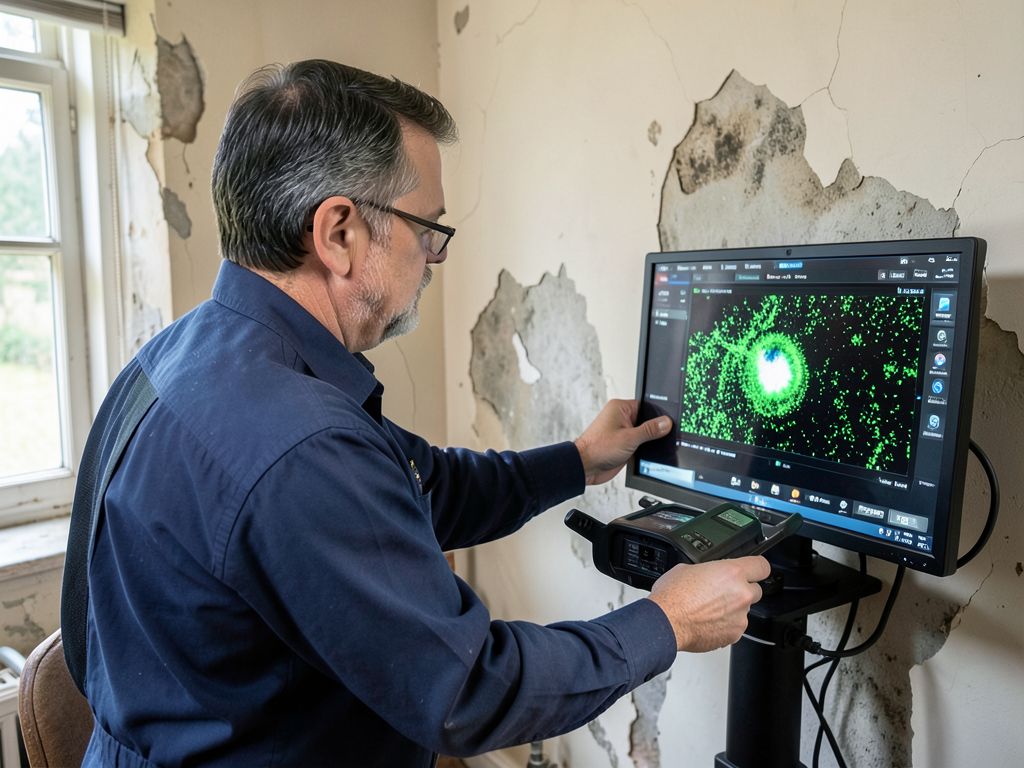
Our technicians train specifically on water behavior in Western Washington construction, from moisture wicking through cedar siding to vapor barriers failing in poorly ventilated crawl spaces. We own our extraction and drying equipment outright, which means no waiting for rental companies to deliver pumps or dehumidifiers while water continues spreading. Our thermal imaging cameras identify hidden moisture pockets inside walls before mold colonies establish, and our moisture meters track drying progress to confirm complete remediation rather than guessing when materials are safe.
We work directly with every major insurance carrier serving SeaTac, documenting damage with the precise photo evidence and detailed scope reports adjusters require for fast claim approval. Our project managers communicate in plain language about what happened, what needs repair, and how long restoration takes. We don't disappear after extraction, we stay on site through complete drying, antimicrobial treatment, and final clearance testing. Most competitors subcontract reconstruction work to outside crews. We handle everything from water removal through drywall replacement and paint matching, keeping one team accountable for your entire restoration instead of coordinating multiple vendors who blame each other for delays.

Our dispatch center tracks technician locations in real time, sending the nearest crew to your property within 60 minutes of your call. We arrive with truck-mounted extraction equipment and portable power generators, ready to pump thousands of gallons per hour even if your electricity is out from flooding.

We communicate directly with your insurance adjuster, providing detailed damage documentation and moisture readings that support your claim. Our estimates follow Xactimate pricing standards used by all major carriers, eliminating negotiation delays. You pay only your deductible while we handle claim paperwork and adjuster site visits.
Water migrates through wall cavities and under flooring where it stays hidden for weeks, feeding mold growth. Our FLIR thermal cameras detect temperature differentials caused by moisture trapped inside materials, identifying every wet area that requires drying rather than treating only visible damage and leaving problems to worsen.
We maintain response vehicles positioned throughout SeaTac rather than covering the entire metro area from one distant location. Our technicians know which neighborhoods have older cast iron drain lines prone to failure, where clay soil causes foundation seepage, and how weather patterns affect properties near water features throughout the city.
Water damage restoration requires more than pumping out visible water. Successful remediation addresses immediate flooding, hidden moisture migration, contamination risks, and structural drying to prevent long-term problems. Evergreen Water Damage Restoration Seattle provides complete water removal services from initial emergency response through final reconstruction, handling every phase with trained technicians and professional-grade equipment.
Our service structure separates water damage response into three distinct categories based on water source and contamination level. Emergency extraction addresses active flooding and standing water removal. Structural drying focuses on moisture trapped in building materials after visible water is gone. Contamination remediation handles sewage backups and category three water containing harmful bacteria. Each category requires different equipment, safety protocols, and drying techniques. Properties near Angle Lake might need flood water removal after storm surges, while older homes around McMicken Heights often require sewage cleanup from overwhelmed drain systems. Commercial buildings along International Boulevard face different challenges than residential properties, with larger spaces requiring more powerful extraction and air movement equipment. We assess your specific situation and deploy the appropriate response rather than using a generic approach that leaves moisture problems unresolved.
Our truck-mounted extraction systems remove standing water from basements, crawl spaces, and flooded rooms at rates exceeding 200 gallons per minute. We extract water from carpet and padding, pump out window wells, and remove soaked insulation before it collapses ceilings. Submersible pumps handle deep basement flooding while portable extractors reach tight spaces under cabinets and appliances. We move furniture to dry areas, pull baseboards to release trapped water, and place air movers to begin evaporation immediately. Fast extraction within the first 24 hours prevents water from wicking up drywall and soaking wall studs.
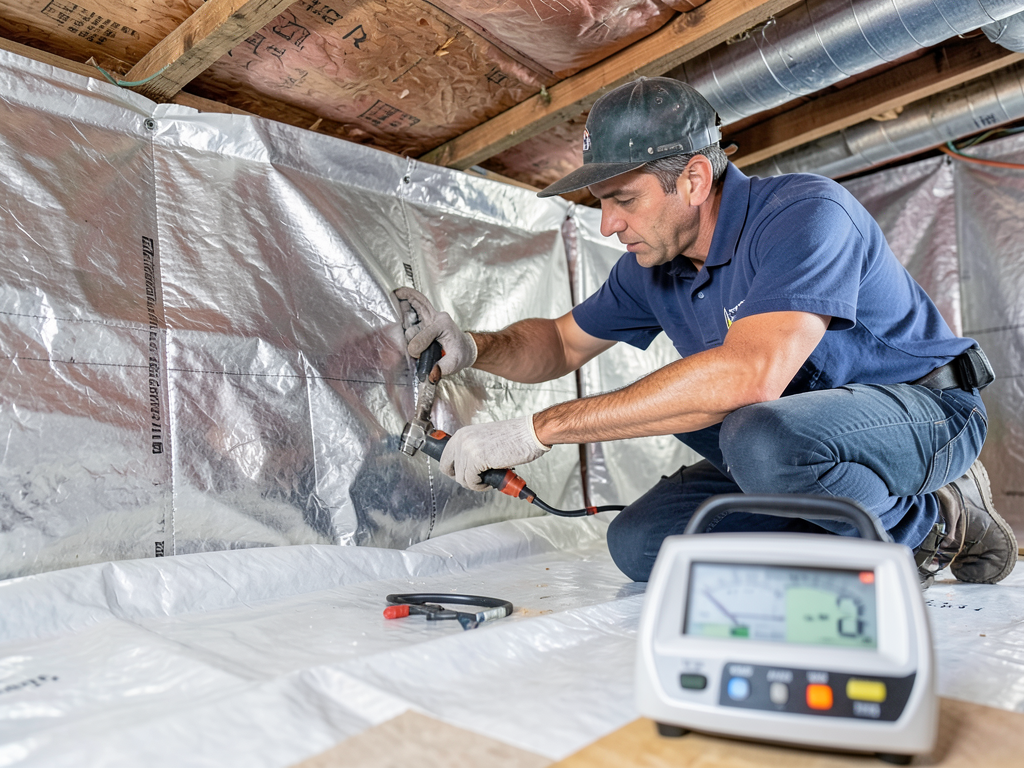
Water absorbed into wood framing, concrete, and insulation requires professional drying equipment and monitoring to remove completely. We position commercial dehumidifiers that extract up to 200 pints of moisture daily, combined with high-velocity air movers that create airflow across wet surfaces. Moisture meters track drying progress inside wall cavities and under flooring, ensuring materials reach safe moisture content before we seal structures. This process takes three to seven days depending on saturation levels and building materials. Incomplete drying leads to mold growth, wood rot, and structural weakness that appears months after water damage occurs.
Sewage backups and toilet overflows contain harmful bacteria, viruses, and pathogens requiring specialized cleanup protocols. Our technicians wear protective equipment and follow IICRC S500 standards for category three water remediation. We remove contaminated materials that cannot be safely cleaned, apply EPA-registered antimicrobial treatments to affected surfaces, and dispose of biohazardous waste according to Washington State regulations. Sewage cleanup includes odor control, air scrubbing to remove airborne contaminants, and documentation that properties are safe for occupancy. Insurance companies require professional remediation for sewage claims, not basic cleaning that leaves contamination risks.
SeaTac's climate, aging infrastructure, and construction methods create specific water damage vulnerabilities throughout the city. Properties built during different eras face distinct problems, from outdated plumbing in older neighborhoods to drainage issues in areas developed on former wetlands. Understanding these common problems helps property owners recognize warning signs before small leaks become major damage events.
Homes near Des Moines Creek and Miller Creek sit in natural drainage paths where water accumulates during heavy rain. Properties around Angle Lake experience high water tables that push moisture through basement floors during wet months. Commercial buildings along Pacific Highway South often have flat roofs with aging membrane systems that develop leaks at seams and penetrations. The combination of constant rainfall, clay soil that holds moisture against foundations, and temperature swings that stress plumbing creates ongoing threats to structures throughout SeaTac. Each problem requires specific solutions rather than generic approaches that fail to address root causes.
SeaTac temperatures drop below freezing several times each winter, causing water inside pipes to expand and rupture copper lines and PEX connections. Pipes in exterior walls, unheated crawl spaces, and attics freeze overnight and burst when ice thaws, releasing hundreds of gallons before homeowners discover flooding. Supply lines fail more often than drain lines, creating pressurized spray that saturates drywall, insulation, and flooring within minutes.
Heavy clay content in SeaTac soil prevents water from draining away from foundations after rainfall. Hydrostatic pressure forces moisture through concrete walls and floor slabs, creating persistent dampness in basements and crawl spaces. Efflorescence appears as white mineral deposits on concrete surfaces, indicating water movement through foundations. Chronic moisture leads to mold growth on organic materials and wood rot in floor joists.
Rubber supply hoses connecting washing machines to wall valves degrade after five to seven years, developing cracks and weak spots that burst under water pressure. These failures release 6 to 8 gallons per minute until someone shuts off the main water valve, flooding laundry rooms and adjacent spaces. Water runs under appliances into wall cavities and spreads to multiple rooms before visible damage appears, requiring extensive drying and reconstruction.
Moss growth on north-facing roof sections holds moisture against shingles, accelerating wear and creating entry points for water. Valley areas collect debris that dams water flow, forcing runoff under shingles into attics. Small roof leaks often go unnoticed for months while water stains ceiling insulation, rots roof decking, and drips into wall cavities. Prolonged leaks cause structural wood damage requiring full section replacement rather than simple patching.
Water damage creates stress and uncertainty. Homeowners watch water spread across floors, worry about mold growth, and face questions about insurance coverage and repair costs. Our response process eliminates confusion by establishing clear expectations from your first call through final restoration completion. You'll know who's arriving, what equipment they're bringing, and what happens during each phase of water removal and structural drying.
Our dispatch center answers calls 24 hours daily, collecting essential information about your water damage while coordinating technician response. We ask about water source, how long flooding has occurred, and which areas are affected. This information helps our crew arrive prepared with appropriate extraction equipment and safety gear. You'll receive a call from the responding technician en route to your property with an estimated arrival time. Once on site, we conduct a detailed assessment using moisture detection equipment, explain findings in straightforward terms, and provide a written scope of work before starting remediation. You make informed decisions rather than authorizing work you don't understand.
Our technician arrives within 60 minutes carrying moisture meters, thermal imaging cameras, and portable extraction equipment. We identify all affected areas including hidden water migration, measure moisture levels in building materials, and determine water category based on contamination risk. You receive a verbal explanation of damage extent followed by detailed photo documentation. We discuss insurance notification requirements and help you understand coverage before work begins. This assessment takes 30 to 45 minutes and establishes the full scope of restoration needed.
Our project manager maintains daily contact during the drying process, providing moisture reading updates and timeline adjustments. You'll receive progress photos showing equipment placement and affected areas. We explain why drying takes multiple days and what moisture levels indicate safe restoration completion. If we discover additional damage during demolition or drying, we document findings immediately and discuss options before proceeding. Our written estimates detail every task and material cost so you understand exactly what insurance should cover versus out-of-pocket expenses.
We don't consider water damage restoration complete until moisture readings confirm all materials have reached safe levels and your property is fully reconstructed. Our final inspection includes testing with the same equipment used during initial assessment, comparing moisture content to baseline dry readings. You receive documentation showing before and after readings along with photos of completed restoration work. We coordinate final walkthrough with your insurance adjuster if needed and provide written certification that remediation meets IICRC standards for future property transactions or insurance purposes.
Effective water damage restoration follows a specific sequence that addresses immediate threats, eliminates hidden moisture, and restores property safely. Skipping steps or rushing the process leads to mold growth, structural problems, and failed insurance claims.
We arrive within 60 minutes and begin extracting standing water immediately using truck-mounted pumps and portable extractors. Submersible pumps remove deep water from basements and crawl spaces while smaller extractors pull moisture from carpet, padding, and upholstery. We remove soaked insulation, pull wet baseboards to release trapped water, and position air movers to begin surface drying. This initial extraction takes two to four hours depending on water volume and affected square footage. Fast water removal prevents additional wicking into walls and reduces overall drying time by days.
Commercial dehumidifiers and high-velocity air movers run continuously for three to seven days, extracting moisture from building materials. We monitor drying progress daily using moisture meters inserted into walls, flooring, and structural wood. Thermal imaging cameras identify areas retaining moisture that require focused drying equipment. We adjust air mover positions and dehumidifier settings based on moisture readings rather than guessing when materials are dry. This phase continues until all materials reach moisture content matching unaffected areas of your property, verified by direct measurement rather than visual inspection.
Once drying is complete and verified, we begin reconstruction of damaged areas. This includes installing new drywall, replacing baseboards and trim, painting to match existing colors, and reinstalling flooring. We handle all trades in-house rather than subcontracting work to outside companies, keeping one team accountable for quality and timeline. Final walkthrough includes moisture verification testing and documentation for insurance claim closure. Most restoration projects complete within 7 to 14 days from initial water damage, depending on extent of reconstruction required and materials ordered.
Effective water damage restoration requires understanding psychrometrics, building science, and moisture behavior in different materials. The Institute of Inspection Cleaning and Restoration Certification publishes the IICRC S500 Standard for Professional Water Damage Restoration, which establishes protocols for water removal, structural drying, and antimicrobial treatment. These standards exist because improper restoration leads to mold contamination, structural damage, and liability issues for property owners.
Water is categorized into three classes based on contamination level. Category 1 water originates from sanitary sources like supply lines and poses no immediate health risk. Category 2 water contains contaminants that may cause illness, such as washing machine discharge or dishwasher overflow. Category 3 water includes sewage, flooding from rivers or streams, and any water that has contacted contaminated surfaces. Each category requires different handling procedures and disposal methods. Additionally, water damage is classified by evaporation rate based on materials affected. Class 1 damage involves minimal absorption into materials with slow evaporation rates. Class 2 affects materials with moderate absorption and evaporation rates like carpet and drywall. Class 3 indicates fast evaporation rates from ceiling materials, insulation, and structural wood. Class 4 involves specialty drying situations like hardwood floors, concrete, and plaster requiring advanced equipment.
Structural drying follows specific environmental parameters measured by psychrometers. The drying goal creates conditions where evaporation rate exceeds absorption rate, pulling moisture from materials into air where dehumidifiers remove it. Proper drying requires managing temperature, relative humidity, and airflow. Washington State's moisture-rich climate means achieving adequate vapor pressure differential requires powerful dehumidification equipment, not just fans. We calculate grains per pound of moisture in air and adjust equipment to maintain optimal drying conditions throughout the process. Moisture meters using electrical resistance or radio frequency measure moisture content deep within materials, not just surface dampness. IICRC standards require materials reach moisture content equivalent to unaffected areas before restoration proceeds, verified by direct measurement and documentation.
The Institute of Inspection Cleaning and Restoration Certification provides standardized training in water damage restoration, mold remediation, and applied structural drying. IICRC Water Restoration Technician certification requires demonstrating knowledge of water categories, drying science, and documentation protocols. Applied Structural Drying Technician certification covers psychrometrics, moisture measurement, and equipment operation. These certifications ensure technicians understand moisture behavior in building materials rather than guessing when structures are dry. Insurance companies increasingly require IICRC certification for approved restoration contractors to ensure work meets professional standards that prevent future claims.
Restoration costs depend on water volume, contamination category, affected materials, and drying time required. Emergency extraction typically costs less than structural drying because equipment must run for days while technicians monitor progress. Category 3 sewage cleanup costs more than clean water extraction due to disposal requirements, antimicrobial treatment, and contaminated material removal. Reconstruction costs vary based on materials replaced and finishes matched. Insurance coverage depends on loss cause, policy limits, and deductible amounts. We provide detailed estimates following Xactimate pricing used by insurance adjusters, eliminating disputes over costs and speeding claim approval.
Structural drying requires three to seven days for most residential water damage situations, longer for commercial properties or specialty materials. Drywall absorbs moisture quickly but releases it slowly, requiring continuous dehumidification. Concrete and masonry hold moisture for weeks without proper equipment. Hardwood flooring may take 10 to 14 days to dry without cupping or warping. Rushing the drying process by removing equipment too early leaves moisture trapped in materials, leading to mold growth and wood rot within weeks. Proper restoration prioritizes complete moisture elimination over speed, verified by moisture meter readings rather than visual inspection or time estimates.
Washington Administrative Code establishes requirements for contractor licensing, mold remediation, and hazardous waste disposal. Sewage cleanup requires following Department of Health guidelines for biohazard handling and disposal. Water damage affecting rental properties must meet habitability standards under Washington Residential Landlord-Tenant Act. Insurance restoration work requires detailed documentation including moisture readings, photo evidence, and material disposal records. Professional restoration companies maintain general liability insurance, workers compensation coverage, and pollution liability policies protecting property owners from liability during remediation work. Unlicensed contractors performing water damage restoration may void insurance coverage and create liability exposure for property owners.
This video explains professional water damage restoration processes for SeaTac properties, covering emergency water extraction, structural drying techniques, moisture detection technology, and insurance claim procedures. Viewers learn how rapid response prevents mold growth and structural damage, why complete moisture elimination requires days of monitored drying, and what IICRC standards ensure safe restoration. The video discusses common water damage causes in SeaTac including burst pipes, foundation seepage, and sewage backups, along with restoration timelines and cost factors.
Evergreen Water Damage Restoration Seattle maintains rapid response capabilities throughout SeaTac and neighboring communities in south King County. Our service area spans from the waterfront properties along Puget Sound east through the residential neighborhoods surrounding Angle Lake and north into Tukwila. We respond to water damage emergencies in McMicken Heights where older homes face frequent plumbing failures, throughout the commercial corridor along International Boulevard where businesses require fast restoration to minimize revenue loss, and in the residential areas near North SeaTac Park where families need immediate help when basements flood.
Properties around Angle Lake and Bow Lake experience unique water damage risks from high water tables and proximity to natural water features. Heavy rainfall causes these lakes to rise, pushing groundwater through basement floors and overwhelming sump pumps in lower-lying areas. We've restored dozens of properties in these neighborhoods and understand the specific drainage challenges affecting homes built near water. The neighborhoods along South 188th Street and 28th Avenue South contain a mix of single-family homes and apartment complexes built during different decades, each with distinct plumbing systems and construction methods that influence water damage severity and restoration approaches.
Moving north toward Tukwila and west toward Burien, we serve properties that share SeaTac's climate challenges and aging infrastructure. The Des Moines area to the southwest faces similar foundation seepage problems from clay soil and marine air moisture. Properties near SeaTac Airport often have commercial water damage from roof leaks on large flat structures or supply line failures in aging plumbing systems installed during rapid construction periods. We respond throughout these areas because water damage doesn't respect city boundaries, and property owners need a restoration company familiar with regional construction types, soil conditions, and weather patterns rather than generic contractors learning on the job.
Our knowledge of south King County extends beyond geography to building characteristics common in different areas. We know which neighborhoods have homes built on crawl spaces versus concrete slabs, where cast iron drain lines are approaching failure age, and which areas face chronic moisture problems requiring vapor barriers and enhanced ventilation. This familiarity speeds assessment and restoration because we recognize patterns rather than treating every property as a unique puzzle. When you call for water damage help in SeaTac, you get technicians who've worked in your neighborhood before and understand what restoration typically requires for properties like yours.
Yes. Water damage spreads fast in SeaTac's humid climate, and even small leaks lead to mold growth within 24 to 48 hours. Ignoring water damage causes structural rot, warped floors, and health risks that cost far more to fix later. Professional restoration stops secondary damage, preserves your property value, and helps you navigate insurance claims. Most homeowners insurance policies cover sudden water damage, making restoration affordable. Acting quickly protects your investment and prevents long-term problems like foundation issues or toxic mold growth that threaten your family's health.
Stop the water source if safe, then call a water damage restoration company immediately. Move electronics and valuables to dry areas. Do not use household vacuums on standing water. Open windows if weather permits to increase airflow, but avoid using fans if mold is visible. Document everything with photos for your insurance claim. Remove soaked rugs and furniture legs from wet floors to prevent staining. In SeaTac's damp conditions, mold starts growing within 24 hours, so professional extraction and drying equipment are critical to prevent permanent damage.
Local SeaTac restoration companies offer faster response times and personalized service compared to national chains. You want a team that understands SeaTac's specific climate challenges, like persistent moisture from Puget Sound fog and frequent winter rain. Local contractors know King County building codes and work directly with your insurance adjuster without corporate delays. They live in your community, so reputation matters. Look for certified technicians with IICRC training, thermal imaging equipment, and 24/7 emergency availability. Local providers often deliver better results because they depend on referrals, not franchise fees.
Yes. Water damage spreads fast in SeaTac's humid climate, and even small leaks lead to mold growth within 24 to 48 hours. Ignoring water damage causes structural rot, warped floors, and health risks that cost far more to fix later. Professional restoration stops secondary damage, preserves your property value, and helps you navigate insurance claims. Most homeowners insurance policies cover sudden water damage, making restoration affordable. Acting quickly protects your investment and prevents long-term problems like foundation issues or toxic mold growth that threaten your family's health.
Stop the water source if safe, then call a water damage restoration company immediately. Move electronics and valuables to dry areas. Do not use household vacuums on standing water. Open windows if weather permits to increase airflow, but avoid using fans if mold is visible. Document everything with photos for your insurance claim. Remove soaked rugs and furniture legs from wet floors to prevent staining. In SeaTac's damp conditions, mold starts growing within 24 hours, so professional extraction and drying equipment are critical to prevent permanent damage.
Local SeaTac restoration companies offer faster response times and personalized service compared to national chains. You want a team that understands SeaTac's specific climate challenges, like persistent moisture from Puget Sound fog and frequent winter rain. Local contractors know King County building codes and work directly with your insurance adjuster without corporate delays. They live in your community, so reputation matters. Look for certified technicians with IICRC training, thermal imaging equipment, and 24/7 emergency availability. Local providers often deliver better results because they depend on referrals, not franchise fees.
Professional water damage restoration includes water extraction using industrial pumps, structural drying with commercial dehumidifiers and air movers, moisture detection with thermal cameras, antimicrobial treatment to prevent mold, and reconstruction of damaged materials. Technicians remove soaked drywall, insulation, and flooring to dry framing and subfloors completely. The process includes content pack-out and storage if needed, odor removal, and documentation for insurance claims. In SeaTac, restoration teams also address crawl space moisture common in older homes. Complete restoration prevents hidden damage that causes problems months later, protecting your property long-term.
Professional water damage restoration includes water extraction using industrial pumps, structural drying with commercial dehumidifiers and air movers, moisture detection with thermal cameras, antimicrobial treatment to prevent mold, and reconstruction of damaged materials. Technicians remove soaked drywall, insulation, and flooring to dry framing and subfloors completely. The process includes content pack-out and storage if needed, odor removal, and documentation for insurance claims. In SeaTac, restoration teams also address crawl space moisture common in older homes. Complete restoration prevents hidden damage that causes problems months later, protecting your property long-term.
Evergreen proudly serves Seattle and its surrounding communities with professional water damage restoration you can count on. Whether you’re downtown, in the suburbs, or nearby, our responsive team is just a call away. View our service area on the map to see if we’re available in your neighborhood. We’re committed to helping local homeowners and businesses recover fast—so if you need help, we’ll come to you. Use the map below to locate our base or service radius and reach out anytime.
Address:
SeaTac, WA, 98188
Why Your Broadmoor Home Needs a Specialized Drying Plan for Custom Plaster Walls When water infiltrates your Broadmoor home's custom plaster walls, standard drywall drying techniques can cause irreversible damage. The historic plaster walls common…

How to Stop Your Lake Forest Park Deck from Leaking into the Rooms Below If…

Why Your West Seattle Retaining Wall Could Be the Cause of Your Wet Basement \n\n…
Fixing Moisture Problems in Your Mukilteo Home After a Heavy Fog Season Living near Puget…
Water spreads through your property every minute you wait. Our crews respond within 60 minutes with extraction equipment and drying technology to stop damage before it becomes catastrophic. Call Evergreen Water Damage Restoration Seattle now at (564) 220-5525 for immediate dispatch to your SeaTac property.