
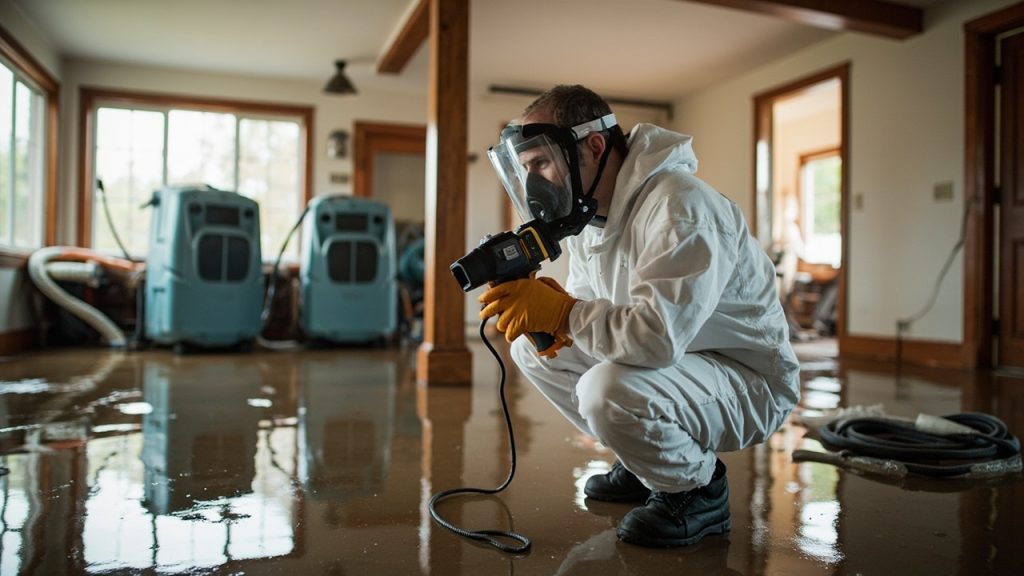
Water is pooling in your Kenmore basement right now, and you need to know one thing fast: is it safe to go in there? The answer depends entirely on which category of water damage you are dealing with. Get it wrong, and you risk exposing your family to E. coli, Hepatitis A, or airborne mold spores that take hold in as little as 24 hours in Seattle’s humid climate.
This guide explains the IICRC S500 standard water damage categories in plain language, tells you exactly how Seattle’s environment affects the severity timeline, and gives you a clear action plan for each situation.
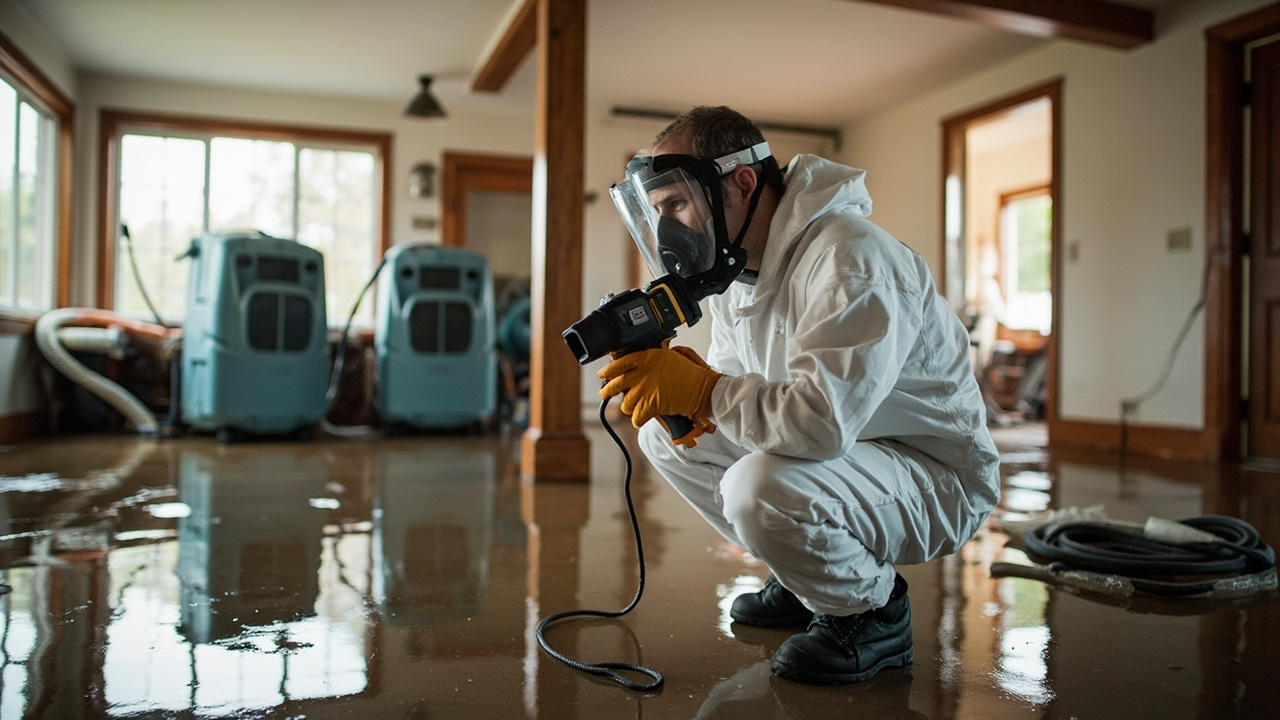
What the IICRC S500 Standard Actually Means for Your Home
The IICRC S500 Standard for Professional Water Damage Restoration is the governing document that every certified restorer follows. It defines three categories of water contamination and four classes of damage severity. Insurance adjusters, restoration crews, and building inspectors all reference this same standard.
Categories describe the source and sanitary quality of the water. Classes describe how fast the water evaporates and how deeply it has penetrated building materials. These are two separate measurements, and confusing them is one of the most common mistakes homeowners make when filing claims.
A Category 3 flood with minimal spread is a Class 1 job. A Category 1 pipe burst that has saturated your subfloor, walls, and ceiling is a Class 4 job. Both require professional equipment. Neither is a DIY situation once structural materials are involved.
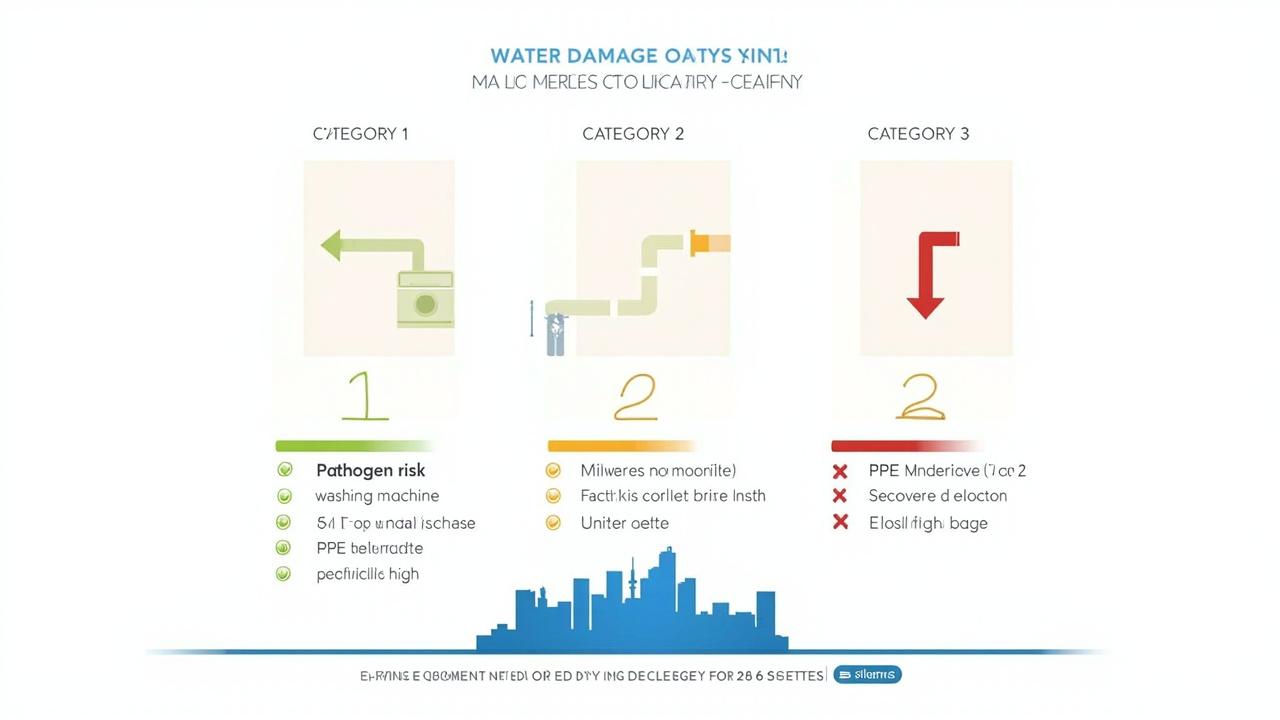
The Three Categories of Water Damage Side by Side
| Category | Common Sources | Pathogen Risk | Required PPE | DIY Safe? |
|---|---|---|---|---|
| Category 1 (Clean Water) | Broken supply lines, sink overflows, refrigerator ice maker leaks | Low (no biological contaminants at point of origin) | Gloves, waterproof boots | Sometimes, if addressed within 24 hours |
| Category 2 (Gray Water) | Washing machine discharge, dishwasher overflow, sump pump failure | Moderate (chemical and biological contaminants present) | Gloves, N95 respirator, eye protection, waterproof suit | No |
| Category 3 (Black Water) | Sewage backup, toilet overflow with fecal matter, rising floodwater, atmospheric river flooding | High (bacteria, viruses, protozoa, heavy metals) | Full Tyvek suit, P100 respirator, face shield, waterproof boots with covers | Never |
Category 1 Water Damage (When Clean is Still Dangerous)
Category 1 water originates from a sanitary source. A copper supply line fails in a Ballard Craftsman bungalow. A bathroom faucet overflows in a Bellevue condo. The water itself is clean at the moment it leaves the pipe.
The danger is the clock. In Seattle, where relative humidity regularly sits above 70 percent, Category 1 water that sits for more than 24 to 48 hours begins to support microbial growth. Wet drywall, wet carpet padding, and wet hardwood floors become Category 2 environments even if the original source was a spotless supply line.
If you catch a Category 1 event within a few hours and the damage is limited to a small, non-porous surface area, careful cleanup with a wet/dry vacuum and thorough drying may be manageable for a homeowner. The moment water reaches porous materials like drywall, subfloor sheathing, or lath and plaster walls common in older Queen Anne homes, professional structural drying becomes necessary.
Read our guide on what to do after a burst pipe in Queen Anne for a step-by-step response plan specific to older Seattle homes.
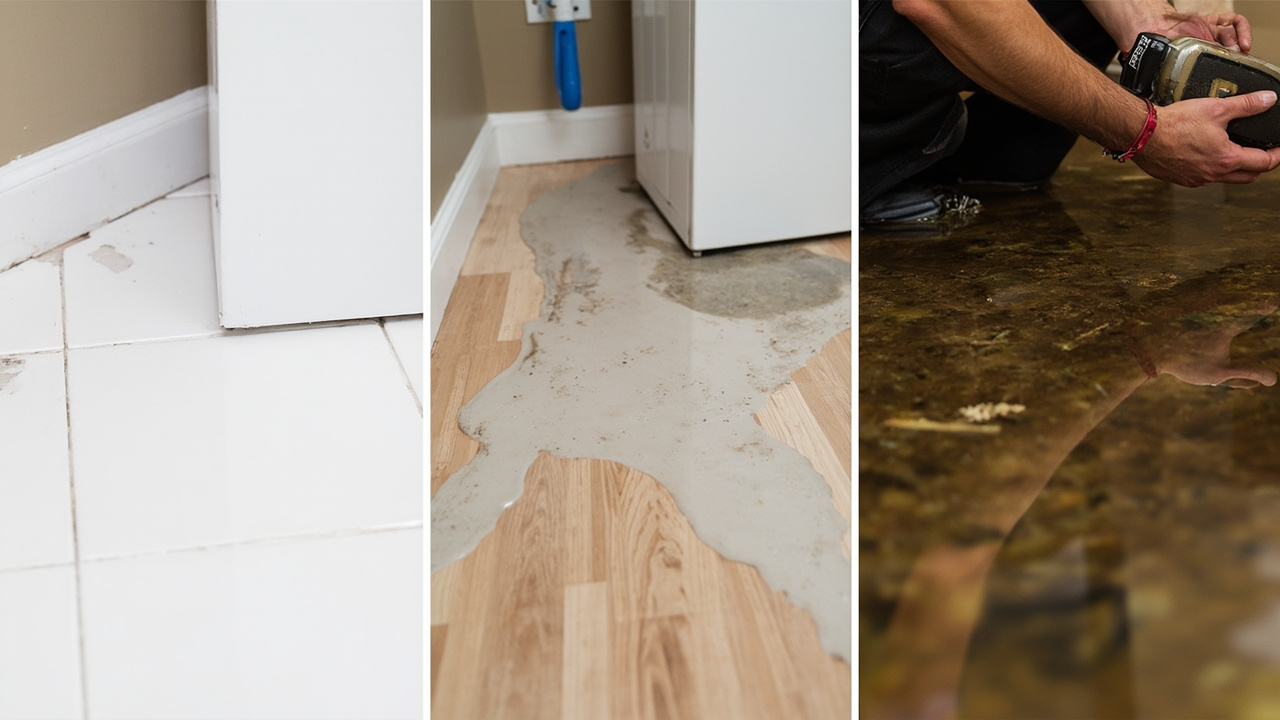
Category 2 Water Damage (Gray Water and Why It Escalates Fast)
Category 2 water carries chemical or biological contamination. Washing machine discharge contains detergent residue, skin cells, and microorganisms. A failed dishwasher drain line releases food waste and standing water that has been sitting in a warm, enclosed environment. Sump pump failures during Puget Sound atmospheric river events are one of the most common Category 2 sources we see in Shoreline and Renton basements.
Gray water can cause gastrointestinal illness, skin irritation, and respiratory symptoms if you wade through it without proper PPE. Children, elderly individuals, and anyone with a compromised immune system face higher health risks from even brief contact.
Restoration crews treat Category 2 water with EPA-registered antimicrobial agents and use negative air pressure containment to prevent cross-contamination to unaffected areas of the home. All porous materials that have been saturated must be removed and discarded. Saving that wet carpet in your South Lake Union townhome is not worth the microbial load it carries after a gray water event.
Category 3 Water Damage (Black Water and the Pathogens Inside)
Category 3 is the most dangerous classification. Black water is grossly unsanitary. It contains pathogenic bacteria, viruses, and protozoa that cause serious illness or death in vulnerable populations.
The most common Category 3 sources in the Greater Seattle area include sewage backups from aging combined sewer overflow systems in older districts, toilet overflows involving fecal matter, and rising floodwater from surface runoff that has picked up ground contamination. King County’s clay-heavy glacial till soils contribute to poor drainage and hydrostatic pressure that forces contaminated groundwater through foundation walls in areas like West Seattle and Beacon Hill.
Specific pathogens found in Category 3 water include E. coli, Salmonella, Hepatitis A virus, Cryptosporidium, Giardia, and Clostridioides difficile. You cannot see or smell most of them. Do not let the absence of a sewage odor convince you that standing floodwater is safe.
If your Kenmore home has experienced any of the following, treat it as Category 3 until a certified restorer tests and reclassifies the water:
- Toilet overflow with solid waste or visible contamination
- Sewage backup from a floor drain, utility sink, or main cleanout
- Basement flooding during or after heavy rainfall where water entered from the ground or street
- Floodwater that has contacted soil, insulation, or existing standing water
- Any Category 1 or 2 water source that was left unaddressed for more than 72 hours
- Water with visible discoloration, turbidity, or a foul odor
For Category 3 sewage situations in the Eastside, read more about professional sewage cleanup in Bellevue and why delayed action causes structural damage that compounds the health risk.
Why Water Categories Degrade So Quickly in the Pacific Northwest
Seattle averages more than 37 inches of precipitation annually, and the relative humidity in the Puget Sound basin stays elevated for most of the year. This is not just an inconvenience. It fundamentally changes how quickly water damage categories worsen.
In a dry climate, Category 1 water on a wood subfloor might remain manageable for 48 to 72 hours before mold colonization begins. In a Wallingford home with 68 percent ambient humidity, that window shrinks to 24 hours or less. Mold spores, specifically Stachybotrys chartarum (black mold), require four conditions to germinate: a food source, the right temperature, oxygen, and moisture. Seattle homes provide three of those four conditions year-round. The leak provides the fourth.
The practical implication is that any water damage event in the Greater Seattle area should be treated as a time-critical emergency regardless of initial category. Delayed response is the primary driver of category escalation and mold contamination.
If you have flooding in a Ballard basement after a storm, this action guide for Ballard storm flooding covers the critical steps to take in the first hour.
The Four Classes of Water Damage (What Your Adjuster Is Actually Measuring)
While categories measure contamination, classes measure the scope of drying required. Your insurance adjuster and restoration contractor use moisture meters, thermal imaging cameras, and psychrometric calculations to classify the job.
| Class | Description | Affected Materials | Drying Equipment Needed |
|---|---|---|---|
| Class 1 | Slow evaporation rate, limited area | Portion of one room, minimal absorption | 1-2 air movers, 1 dehumidifier |
| Class 2 | Fast evaporation, significant saturation | Full room, carpet, walls to 24 inches | Multiple air movers, industrial dehumidifiers |
| Class 3 | Fastest evaporation, overhead source | Ceiling, walls, insulation, subfloor | Desiccant dehumidifiers, structural cavity drying systems |
| Class 4 | Specialty drying required | Hardwood, plaster, concrete, masonry | Desiccant systems, low-grain refrigerant dehumidifiers, extended drying time |
Psychrometrics is the science behind structural drying. It involves calculating the relationship between temperature, humidity, and airflow to create conditions where building materials release moisture faster than the ambient environment absorbs it. This is why professional restoration crews set precise temperature targets and use calibrated equipment rather than just running box fans.
In a Seattle home, achieving psychrometric drying goals often requires running industrial dehumidifiers in closed-building conditions, especially during the rainy season when outdoor air introduces more moisture than it removes. A crew that opens windows to dry a Fremont home in February is working against physics.
How Water Damage Categories Affect Your Insurance Claim
Your homeowner’s insurance policy likely covers sudden and accidental water damage from internal sources. Category classification directly affects what your insurer will pay for.
Category 3 losses trigger higher remediation costs because they require full personal protective equipment, antimicrobial treatment, regulated disposal of contaminated materials, and post-remediation verification testing. Insurers require documentation that restoration was performed to IICRC S500 standards. A restoration company that cannot produce moisture logs, psychrometric data, and clearance testing results may leave you with a disputed claim.
Flood damage from external sources, like an atmospheric river event overtopping your Renton neighborhood’s drainage system, typically falls under a separate flood insurance policy through the National Flood Insurance Program (NFIP) rather than your standard homeowner’s policy. Many Seattle homeowners in King County’s low-lying valley areas discover this distinction after a weather event, not before.
Professional Restoration vs. DIY Cleanup (An Honest Assessment)
The only scenario where DIY cleanup is genuinely appropriate is a Category 1 event with all of the following conditions met: the source has been stopped, the affected area is under 25 square feet, no porous structural materials are saturated, and you can achieve measurable drying within 24 hours using a high-capacity dehumidifier and air mover.
Everything else requires a certified Water Damage Restoration Technician (WRT) with IICRC credentials. The reasons are practical, not commercial.
Moisture meters and thermal imaging cameras reveal wet materials that look dry to the naked eye. A Craftsman bungalow in Green Lake with wet lath and plaster behind a visually intact wall will develop mold colonies within days. The mold will not be visible for weeks, but by the time you see discoloration, the remediation cost has multiplied.
For mold concerns in the greater Seattle area, our guide on mold removal on damp walls for Kirkland homeowners covers what professional remediation involves and why surface treatments do not solve a structural moisture problem.
If you are in Capitol Hill and need fast assessment of a water damage situation, read about how to get fast water damage help in Capitol Hill without waiting through a call center queue.
Your Emergency Action Plan Based on Water Category
- Stop the source
Locate and shut off the water supply valve feeding the affected fixture or appliance. If the flooding source is external or you cannot identify the shutoff, contact your utility or a licensed plumber immediately.
- Identify the category
Use the source information in this guide to make an initial category assessment. When in doubt, assume the higher category. Contaminated water does not always look or smell different from clean water.
- Restrict access for Category 2 and 3 events
Keep children and pets out of the affected area. Do not use HVAC systems that circulate air through the contaminated space, as this spreads airborne contaminants to unaffected areas.
- Document everything before cleanup begins
Photograph all visible water, affected materials, and the source of the intrusion. This documentation is required for insurance claims and restoration verification.
- Call a certified restoration company for Category 2 or 3
Category 2 and 3 events require IICRC-certified technicians with proper PPE, antimicrobial agents, regulated waste disposal, and moisture verification equipment. Attempting DIY cleanup in these situations creates both a health risk and a documentation gap that can void your insurance claim.
- Contact your insurance carrier
Report the loss and ask specifically whether it falls under your standard policy or a separate flood policy. Provide the category assessment from your restoration contractor to support your claim.
Frequently Asked Questions
Can Category 1 water damage turn into Category 3?
Yes. Category 1 water that sits in porous materials for more than 72 hours in a high-humidity environment like Seattle can progress to Category 2 due to microbial growth. If sewage contamination enters the mix at any point, the entire loss area becomes Category 3 regardless of where it started. This escalation is one of the primary reasons rapid response matters in the Pacific Northwest climate.
Does homeowner’s insurance cover Category 3 water damage?
It depends on the source. A sewage backup from your own plumbing system may be covered under a water backup rider attached to your standard homeowner’s policy. Flooding from external groundwater or surface water typically requires separate flood insurance through the NFIP. Category 3 damage from an internal burst pipe that went unnoticed for weeks may be denied as a maintenance issue rather than a sudden loss. Always review your specific policy language with your agent.
How long does it take to dry a water-damaged room in Seattle?
Under proper psychrometric drying conditions with industrial equipment, a Class 2 loss typically reaches acceptable moisture content in three to five days. Class 3 and Class 4 losses involving structural cavities, hardwood floors, or concrete can take seven to fourteen days or longer. Seattle’s high ambient humidity extends drying timelines compared to drier climates, which is why professional equipment operating in a controlled-building environment is necessary rather than relying on ambient airflow.