
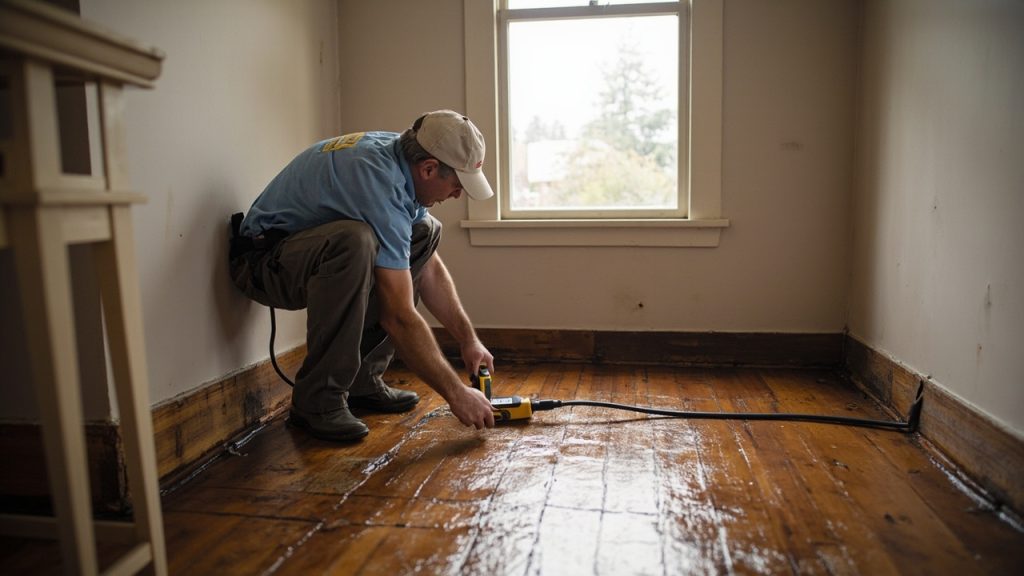
Water is inside your Beacon Hill home right now, or it was recently. Your first instinct is to clean it up. Your second instinct should be to protect your insurance claim. Do the wrong thing in the first 24 hours and your insurer has legal grounds to deny coverage. This guide walks you through exactly what to do, in order, so you get paid what you are owed.
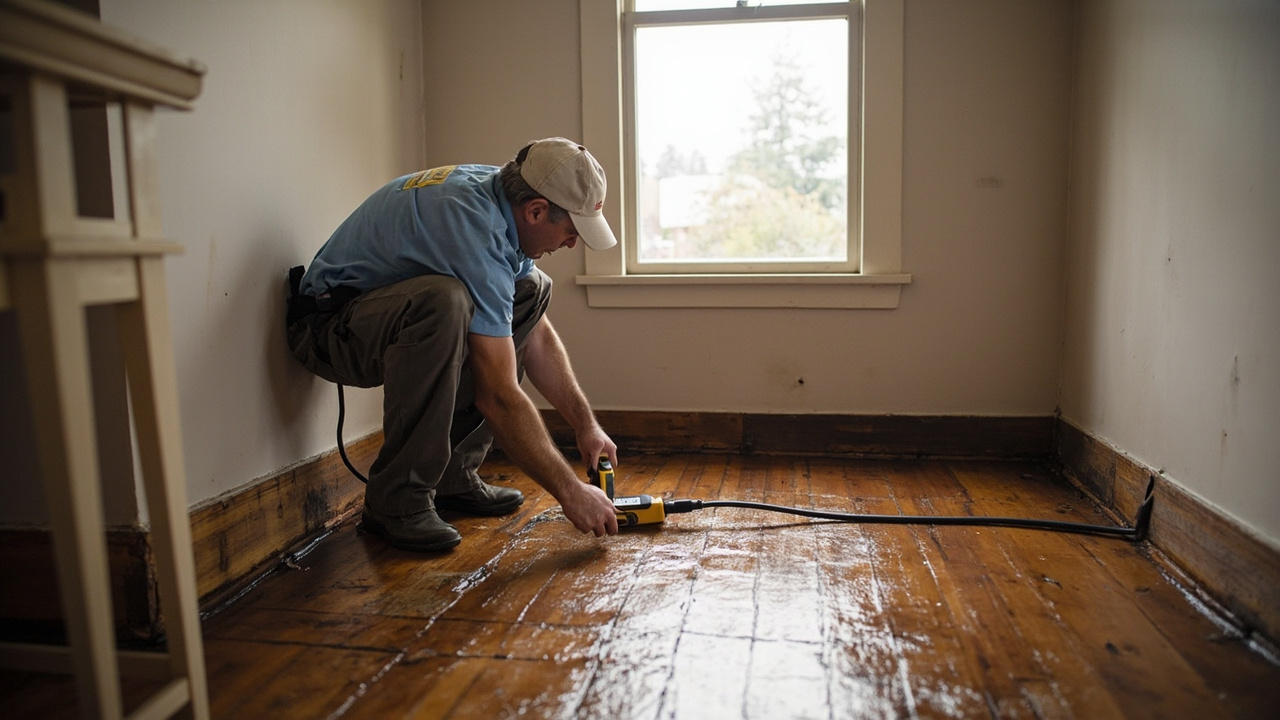
Why Beacon Hill Homes Face Specific Water Damage Risks
Beacon Hill sits on a ridge with clay-heavy glacial till soil underneath. When Seattle gets an atmospheric river event, that soil saturates fast and creates hydrostatic pressure against basement walls and foundation slabs. The neighborhood has a mix of older Craftsman bungalows with aging copper plumbing and newer construction with multi-story plumbing stacks. Both carry distinct failure risks.
Seattle averages over 37 inches of rain annually, and that persistent moisture keeps relative humidity high enough that wet structural materials dry far slower here than in drier climates. A soaked wall cavity in Beacon Hill that might dry in three days in Phoenix can stay wet for two weeks here without mechanical drying equipment. That timeline matters for mold growth, which begins colonizing in as little as 24 to 48 hours in Pacific Northwest conditions.
Older homes in the area also sit on combined sewer overflow infrastructure. During heavy rainfall, aging CSO systems can back up, pushing Category 3 sewage water into basements. That is a completely different coverage issue than a burst pipe. We will cover both.
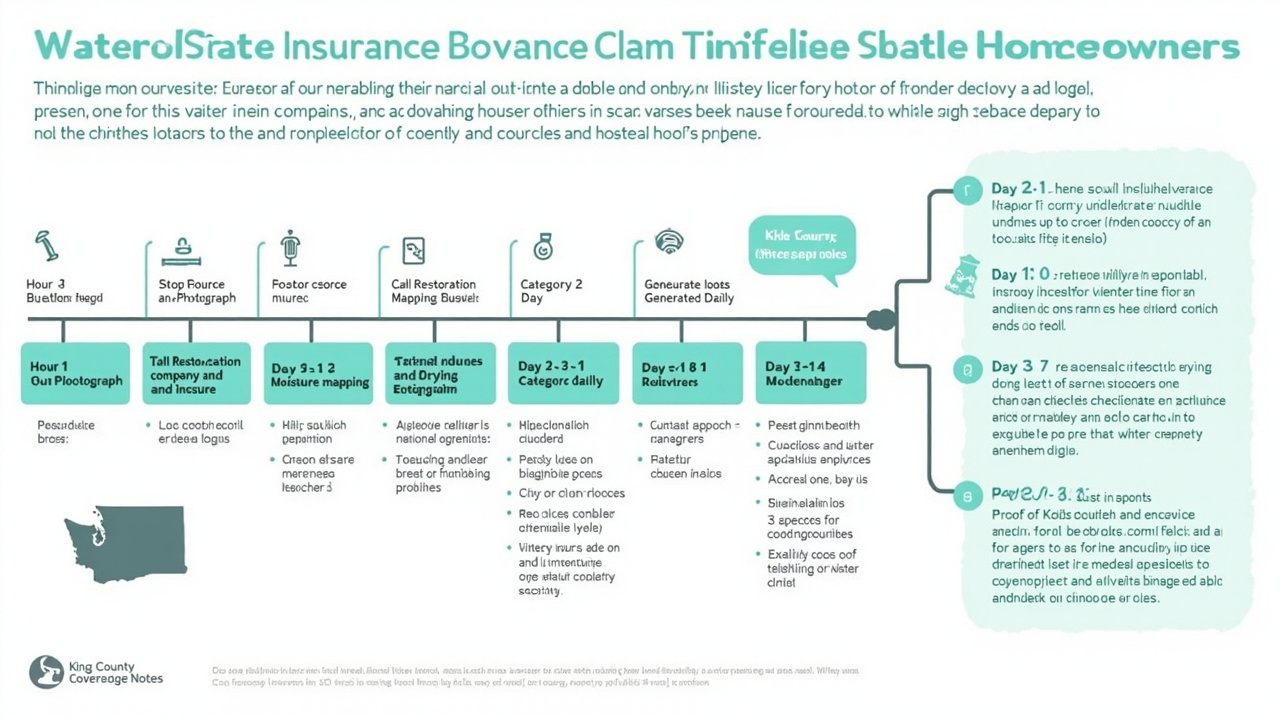
The First 24 Hours — What You Must Do to Protect Your Claim
Insurance policies contain a duty-to-mitigate clause. That clause requires you to take reasonable steps to stop additional damage from occurring. If you do not, your insurer can call any new damage “secondary damage” and deny that portion of your claim. Here is what you need to do immediately.
- Stop the Water Source
Shut off the main water supply valve. For a burst pipe, this is non-negotiable. For a roof leak or storm intrusion, move to tarping or boarding as quickly as possible. Document the source with video before you touch anything.
- Photograph and Video Everything Immediately
Shoot wide-angle photos of every affected room, then close-up shots of the water source, damaged materials, and standing water depth. Time-stamp your photos. Adjusters and Xactimate reviewers use this documentation to validate line items in your estimate.
- Do Not Throw Anything Away
Damaged drywall, flooring samples, and personal property must stay on-site or be catalogued before removal. Insurers need to see what was damaged, not just hear about it.
- Call a Certified Restoration Company
An IICRC-certified restoration firm will deploy extraction and drying equipment, generate professional moisture mapping readings, and create documentation formatted for Xactimate billing. This protects both your property and your claim simultaneously.
- Notify Your Insurance Carrier
Call your insurer’s claims line within 24 hours if possible. Most HO-3 and HO-5 policies require prompt notification. Late reporting gives adjusters leverage to question the cause and timing of damage.
- Start a Claim Log
Write down every phone call, every name, every claim number, and every promise made. This log becomes evidence if your claim is disputed or underpaid.
If you are dealing with a basement flood from a storm, this resource on Ballard basement flooding during storms covers additional steps specific to below-grade water intrusion that also apply to Beacon Hill properties.
What Seattle Homeowners Policies Actually Cover and What They Do Not
This is where most homeowners get hurt. Standard HO-3 and HO-5 policies cover sudden and accidental water damage. They do not cover flooding from outside the home, gradual damage from slow leaks, or sewer backup unless you have added a specific endorsement.
Sudden and Accidental vs. Gradual Damage
A pipe bursts during a freeze event and floods your kitchen. That is sudden and accidental. Covered. A supply line behind your wall has been seeping for six months and you discover mold and rot. That is gradual damage. Not covered. Washington state insurers apply this distinction aggressively, and “hidden seepage” clauses are among the most common grounds for partial or full claim denial in King County.
Flood Insurance Is Separate
If rainwater enters your home from the ground up, from surface runoff, or from an overflowing creek, that is flood damage. It requires a separate policy through the National Flood Insurance Program or a private flood insurer. Standard homeowners insurance does not cover it. Period. Beacon Hill’s ridge position offers some protection, but valley properties in areas like Renton or low-lying parts of West Seattle face real flood exposure.
Sewer Backup Endorsements in King County
Given Seattle’s aging CSO infrastructure, a sewer backup endorsement is one of the most valuable add-ons a Beacon Hill homeowner can carry. Without it, Category 3 sewage water entering your basement is entirely your cost to remediate. With it, you have coverage. Check your declarations page now, before you need it. For more on Category 3 hazards, see how professional sewage cleanup works and why timing matters.
Water Classification and Why It Affects Your Payout
Restoration work is priced according to water category. Higher categories require more labor, more protective equipment, and more aggressive remediation protocols. Xactimate line items reflect these categories directly. If your restoration company does not classify and document correctly, you may be reimbursed at the wrong rate.
| Water Category | Source Example | Health Risk | Xactimate Impact |
|---|---|---|---|
| Category 1 (Clean) | Burst supply line, toilet tank overflow | Low | Standard drying rates apply |
| Category 2 (Gray Water) | Washing machine overflow, dishwasher leak | Moderate (contaminants present) | Elevated labor and disposal costs |
| Category 3 (Black Water) | Sewer backup, rising floodwater | High (pathogens, sewage) | Full hazmat protocols, highest cost tier |
Documentation That Adjusters Actually Need
Insurance adjusters work from documentation. What they can see, they can pay. What they cannot see, they deny or reduce. An IICRC-certified restoration company generates documentation in a format that aligns with what adjusters and Xactimate reviewers require.
Moisture Mapping with Calibrated Instruments
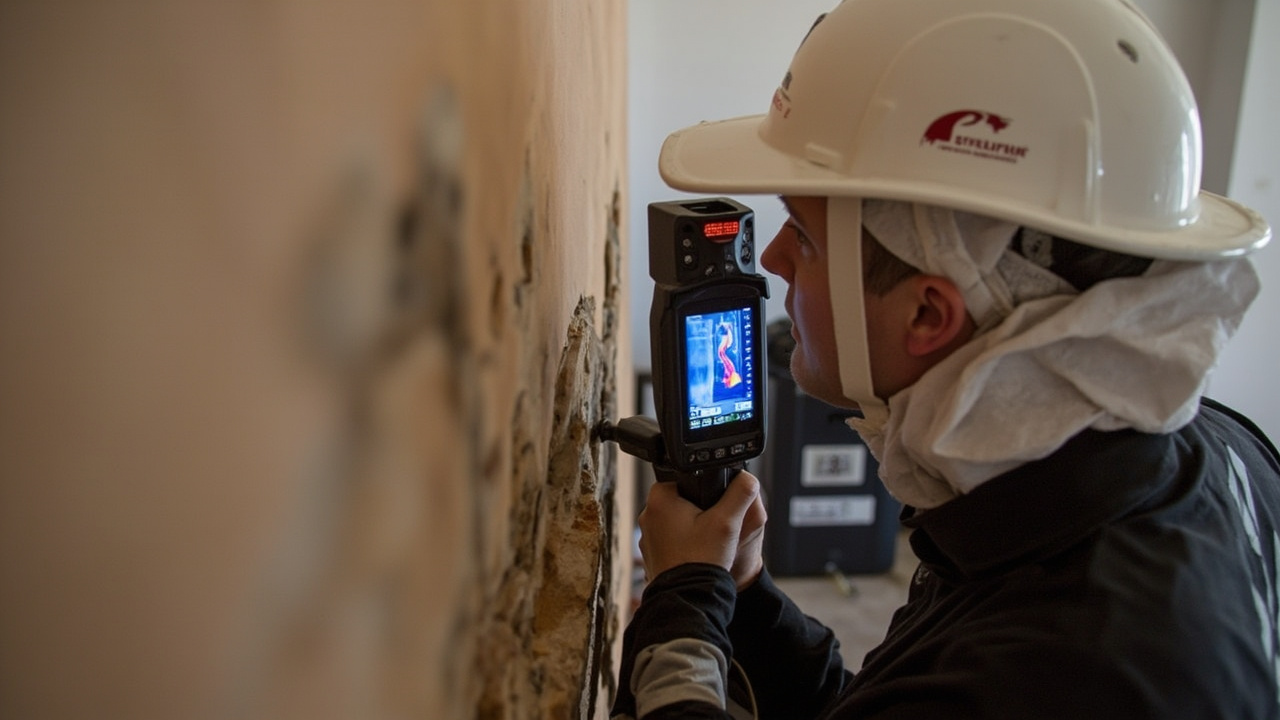
Moisture readings taken with a calibrated pin meter or thermal imaging camera create a defensible map of where water traveled inside your structure. This is critical for hidden damage inside wall cavities, under flooring, and in ceiling assemblies. Without moisture mapping data, an adjuster can argue that affected materials were not actually wet at the time of loss.
Drying Logs and Equipment Placement Records
Restoration companies generate daily drying logs showing equipment placement, temperature readings, relative humidity levels, and moisture content readings. These logs justify the number of days equipment ran and the number of dehumidifiers deployed. If your insurer questions why drying took eight days instead of four, the logs answer that question with data rather than argument.
Photo Documentation Standards for Xactimate
Xactimate, the industry-standard estimating software used by both restoration contractors and insurance adjusters, requires photos tied to specific line items. Each damaged material needs a photo showing scope, condition, and dimensions. A good restoration company photographs every item they write into the estimate. This eliminates the back-and-forth that delays your settlement.
Your Personal Property Inventory
Beyond structure, your policy likely covers contents. Create a written inventory of every damaged item, including brand, model, approximate age, and replacement cost. Receipts help, but serial numbers found on manufacturer websites work when receipts are gone. Do not underestimate contents losses. Furniture, electronics, documents, and clothing add up quickly.
If documents were damaged, whether personal records or business files, professional document drying services can often recover what you thought was lost. That recovery also creates a record of contents damage for your claim.
Actual Cash Value vs. Replacement Cost Value — Know the Difference Before You Sign
This single distinction can mean the difference between a fair settlement and a painful shortfall.
| Policy Type | How Damage Is Paid | Example Scenario | Homeowner Risk |
|---|---|---|---|
| Actual Cash Value (ACV) | Depreciated value at time of loss | 10-year-old hardwood floor paid at current used value | Significant out-of-pocket gap |
| Replacement Cost Value (RCV) | Cost to replace with like-kind material today | Same floor replaced at current material and labor rates | Minimal gap, better coverage |
| Extended RCV | Covers cost increases above standard RCV limit | Material costs rise during repair window | Best protection against inflation |
Many Beacon Hill homeowners carry ACV policies without realizing it. Check your declarations page. If you are carrying ACV on structure or contents, upgrading to RCV is worth the premium difference, especially given current material costs in the Seattle market.
Working with a Restoration Company That Knows Xactimate
Not all restoration contractors bill the same way. A contractor who submits a handwritten scope or a simple spreadsheet will get pushed back from every adjuster. A contractor who builds estimates inside Xactimate, using current regional pricing for King County, submits line items the adjuster can approve directly without argument.
At Evergreen Water Damage Restoration Seattle, we build every scope in Xactimate using current Seattle-area pricing. We know which line items adjusters flag in King County, and we document proactively to prevent those disputes. The goal is to get your claim approved at the first submission, not after three rounds of negotiation.
We also provide direct insurance billing where your policy allows it, removing the financial burden from you during the restoration period. You focus on your family and your home. We handle the paperwork.
Filing a Claim Against the City of Seattle vs. Your Private Insurer
If water entered your home because of a failure in Seattle Public Utilities infrastructure, a water main break, or a blocked city-maintained drain, you may have a claim against the City rather than your private insurer. These are separate processes and require you to document the infrastructure failure independently.
Contact Seattle Public Utilities to report the infrastructure failure and request documentation of the incident. File a claim with the City’s Risk Management office. Simultaneously, notify your private insurer to protect your rights under your own policy. Do not wait for the City claim to resolve before starting mitigation. Your duty-to-mitigate applies regardless of who ultimately pays.
The Washington State Office of the Insurance Commissioner handles disputes between homeowners and insurers when claims are improperly denied or underpaid. If you believe your claim was wrongly reduced, filing a complaint there is a legitimate and effective tool.
Mold Timelines in Pacific Northwest Conditions
In Seattle’s climate, wet structural materials and contents can begin showing mold growth within 24 to 48 hours. In an unventilated basement or inside a wall cavity in a historic Craftsman home, that window can be even shorter. Mold remediation costs stack on top of water damage restoration costs and are handled differently under most policies.
Washington state policies often include specific mold coverage limits that are lower than the overall policy limit. Catching water damage early and drying materials to IICRC S500 standards within the first 48 to 72 hours is the most effective way to prevent mold claims from exceeding your policy’s mold sublimit.
If you are dealing with mold in addition to active water damage, this guide on professional mold removal covers what the remediation process looks like and what documentation your insurer will want.
For neighbors in Capitol Hill dealing with similar emergency situations, fast-response water damage help is available with the same claims-ready documentation process.
What the Proof of Loss Form Actually Requires
After your adjuster completes their inspection, your insurer will send a Proof of Loss form. This is a sworn statement of your claim. It lists the date of loss, cause of damage, and the total amount you are claiming. You typically have 60 days to submit it after the insurer requests it, though this varies by policy.
Do not sign a Proof of Loss until your restoration scope is complete and your contractor has finalized their Xactimate estimate. Signing early can lock in a settlement figure before all damage is discovered. Hidden moisture damage inside wall assemblies, subfloor rot, and HVAC contamination often surfaces after initial drying begins.
Your restoration company should review the Proof of Loss figures with you before you sign. If the adjuster’s estimate and the restoration contractor’s Xactimate scope differ significantly, that is a flag worth addressing before executing any settlement documents.
Common Claim Mistakes Beacon Hill Homeowners Make
- Starting demolition before the adjuster has inspected or approved it
- Accepting the first adjuster estimate without reviewing line items against the contractor scope
- Filing a claim for gradual damage without documentation of when the problem was discovered
- Not securing a separate sewer backup endorsement before a CSO event occurs
- Hiring a restoration contractor who does not use Xactimate, creating a billing mismatch with the insurer
- Failing to document personal property losses with enough specificity to support contents claims
- Disposing of damaged materials before the adjuster’s inspection is complete
If a burst pipe in a nearby neighborhood like Queen Anne has already taught you something about emergency response, this resource on what to do immediately after a pipe burst reinforces the same protective steps that apply in Beacon Hill.
Frequently Asked Questions
Does my Seattle homeowners policy cover basement flooding from rain?
Standard HO-3 and HO-5 policies do not cover surface flooding or water that enters from outside the home’s foundation. That requires a separate flood insurance policy. However, if a backed-up drain caused the flooding, a sewer backup endorsement may apply. Review your declarations page and call your agent to clarify before assuming coverage.
How long does a water damage insurance claim take to settle in Washington state?
Washington state requires insurers to acknowledge a claim within 10 business days and to accept or deny within 15 business days of receiving your completed Proof of Loss. Complex structural claims with ongoing drying and scope discovery often take 30 to 60 days to fully settle. Disputes can extend that timeline significantly.
Can I choose my own restoration contractor or does my insurer assign one?
Washington state law gives you the right to choose your own licensed restoration contractor. Your insurer may recommend a preferred vendor, but you are not obligated to use them. Choosing an independent IICRC-certified contractor who works in your interest, rather than the insurer’s cost-containment interest, typically results in a more complete restoration scope.
What happens if my insurer underpays my water damage claim?
You can invoke the appraisal clause in your policy, which provides a mechanism for both sides to hire independent appraisers who then agree on a third neutral umpire. You can also file a complaint with the Washington State Office of the Insurance Commissioner. Consulting a public adjuster or insurance attorney is also an option for significantly underpaid claims.
Evergreen Water Damage Restoration Seattle responds 24 hours a day, seven days a week across the greater Seattle metro, including Beacon Hill, South Park, Columbia City, and surrounding King County neighborhoods. If water is in your home right now, call us first. We document, we dry, and we work directly with your insurer so you are not navigating this alone.